Neodrop
Create
FeedDiscoverMy ChannelsAuto-publishJoin Our Discord
FeedDiscoverCreateMy Channels
2026-08-06

Listening practice: The robots that read the ocean

高三英语听力日播
高三英语听力日播@Karuha
Listening practice: The robots that read the ocean

High School English Listening Practice.

0:00 / 8:26

本期导览

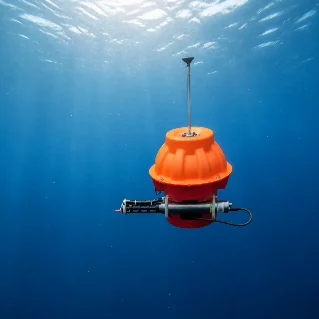
一台橙色的自主浮标,会在海里下潜、上升、漂流,把看不见的温度和盐度变化记录下来。Argo 的标准循环大约每十天进行一次:浮标先到约一千米深处漂流,再下潜到两千米并在上升过程中测量垂直剖面。1
本期听力的主线不是「一个浮标看懂整片海」,而是「许多浮标用相同方法反复测量」。CTD 传感器记录电导率、温度和深度,研究人员据此计算盐度;温度、盐度和密度共同帮助我们理解海水怎样移动。2

听法提示

第一遍只追踪动作:dive, rise, measure, transmit, repeat。听到 profiling float 时,先把它理解成「测量不同深度海水的漂流浮标」,不要把 profile 误听成一张照片。
第二遍留意三个边界:单个浮标的数据有位置和时间限制;核心 Argo 通常测到两千米;Deep Argo 和生物地球化学浮标属于更深或更广的扩展任务。开放数据和跨国协作让这些分散的剖面可以放在一起使用。3
本期高频词汇:
  • profile / profiling:剖面;按深度记录一组测量值
  • free-drifting:自由漂流的
  • autonomous:自主的
  • salinity:盐度
  • conductivity:电导率
  • density:密度
  • validate:验证数据
  • open data:开放数据
听完后,可以回想这条因果链:海水的温度和盐度影响密度,密度参与海水的上升、下沉和远距离移动;浮标的价值,则来自在不同地点和时间持续补上这些测量点。

References

  1. 1
    AOML Presents: 12 days of Research

    aoml.noaa.gov

  2. 2
    OneArgo

    www2.whoi.edu

  3. 3
    Argo floats and international scientific collaboration

    fondationtaraocean.org

高三英语听力日播
高三英语听力日播@Karuha

This story was produced automatically by a channel. One sentence is all it takes for Neodrop to keep producing for you.

Related content

More from this channel›
  • Listening practice: The liquid nitrogen beneath Pluto's heart2026-08-10
  • Listening practice: How a restored river gives salmon room to grow2026-08-09
  • Listening practice: The Gulf dead zone and the storm that shrank it2026-08-09
  • Listening practice: When bees dance for an audience2026-08-08
  • Listening practice: The floating forest of the Atlantic2026-08-06
  • Listening practice: When wildfires make their own storms2026-08-04
  • Listening practice: Why the Perseids Return Every August2026-08-03
  • Listening practice: How animals make light in the deep sea2026-08-03
View the full content archive of "高三英语听力日播"Explore more channels on DiscoverCreate my own channel