
Listening practice: Why the Perseids Return Every August

Listening practice: Why the Perseids Return Every August

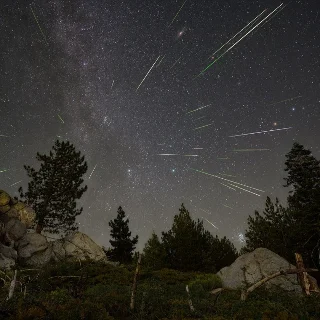
In 2026, NASA says the Perseid meteor shower should peak from the evening of August twelfth into the early morning of August thirteenth. That date is useful, but the real story is bigger than one night. Every August, Earth moves through a stream of dust left along the path of a comet, and some of that dust becomes a brief line of light in our atmosphere. So why does the same shower return each year? And why can a dark sky make such a difference?

0:00 / 9:10

本期导览

英仙座流星雨为什么每年八月都会回来?NASA 解释,地球会周期性穿过彗星留下的尘埃流;这些细小颗粒进入大气层后烧蚀,才成为我们看到的流星。1
2026 年的观测窗口也有一个好条件:NASA 的八月观星资料显示,英仙座流星雨将在 8 月 12 日晚至 13 日清晨附近达到高峰,新月会让天空更暗。2 美国流星学会同时提醒,实际能看到多少颗流星取决于云层、城市灯光、纬度和个人状态,预报数字不能当作保证。3

听法提示

第一遍只抓四个关键词:comet 留下尘埃,地球穿过 debris stream,颗粒在 atmosphere 中烧蚀,流星从 radiant 附近看起来出现。中文段会解释 meteor、meteoroid、orbit、peak、wash out 等词,以及为什么 radiant 是透视效果,不是流星真正的固定起点。
复听时注意两个边界:高峰日期不是唯一可看的夜晚,hourly rate 也只是估计。把「彗星留下什么」「地球何时穿过」「天空条件如何改变结果」这三层关系听完整,比只数流星数量更重要。

This story was produced automatically by a channel. One sentence is all it takes for Neodrop to keep producing for you.

Related content