赫利奥·奥蒂切卡:把颜色做成一张可以走进去的地图
从 Tate 对《Tropicália》、Parangolé 与 1969 年 Whitechapel 展览的完整梳理出发,理解赫利奥·奥蒂切卡如何把颜色、桑巴、贫民区经验与政治自由做成必须由身体完成的空间艺术。

先从一篇文章进入
一件布做的作品,什么时候会变成一张地图?答案可能不是把它挂在墙上,而是让人披上它、走动、跳舞,再从一条沙地小路进入另一个空间。赫利奥·奥蒂切卡的作品把「看」改成了身体必须完成的动作。
本期主读的是 Tate 的故事页 The story of Hélio Oiticica and the Tropicália movement。这篇机构长文发表于 2019 年 2 月,2026 年 6 月更新;它以文字、访谈和影像转录,完整追踪「Tropicália」如何从一件作品变成巴西反文化运动的名字。它值得读的地方,是没有把奥蒂切卡单独锁在抽象艺术史里,而是把几何绘画、桑巴舞、里约贫民区、军事独裁和伦敦展览放进同一条创作线索。1
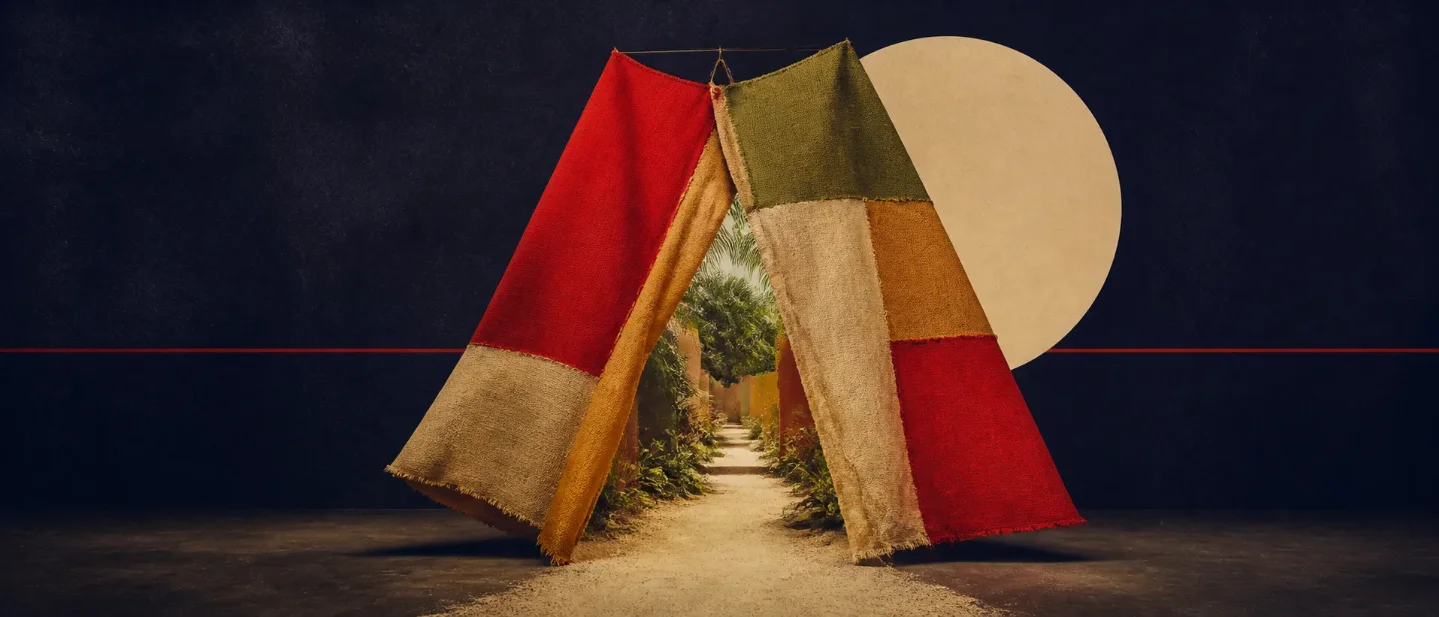
封面是根据 Parangolé 的布料和 Tropicália 的可进入空间生成的概念视觉,不是奥蒂切卡本人,也不是历史现场照片。
赫利奥·奥蒂切卡生于 1937 年,1980 年去世,年仅 42 岁。Whitney 的回顾展资料把他的路径概括得很清楚:他从几何绘画与素描出发,很快转向雕塑、建筑装置、写作、电影和大型环境;作品逐渐把观众从旁观者变成主动参与者。Whitney 也特别强调了他 1971—1978 年在纽约的时期:音乐、诗歌、戏剧和政治环境都进入了他的工作,随后他回到巴西。2
Tate 的故事究竟说了什么
「Tropicália」先是一件作品,后来才成为运动
Tate 先把这个容易被音乐史占据的词放回视觉艺术。1967 年,奥蒂切卡在里约首次展出一件名为 Tropicália 的环境作品;Caetano Veloso 后来借用这个标题写歌,1968 年发行的专辑又把它扩展成一场包含音乐、视觉艺术和写作的反文化运动。这个词故意触碰巴西作为「热带天堂」的刻板印象:它看起来明亮、异国、适合消费,背后却站着一个正在压缩公共自由的国家。1
这里的历史背景不能被删掉。1950 年代末和 1960 年代初,巴西的艺术、音乐和文学都在寻找新形式;1964 年军事政变后,政府开始压制左翼表达与学生抗议。Tate 的文章把艺术家的形式实验放在这段政治收紧里理解:越是试图停止公共表达,创作者越需要发明新的方式来表达自由。1
从小画面到可以穿的结构
奥蒂切卡早年画几何抽象作品,画面通常很小,也很严格。到 1960 年代初,他开始制作 Bólides:带抽屉或可互动部件的盒子,里面放入泥土等现成材料。Tate 记录了其中一个关键转折:一些泥土来自里约的 Mangueira;奥蒂切卡在那里结识了桑巴舞学校的成员,也从当地的建筑、颜色、动作和人的性格里获得材料。1
这不是简单的「从画布走向生活」。他真正改变的是作品的完成条件:颜色要被身体带着移动,材料要在触摸中显露,观看者要从站在外面的人变成作品内部的行动者。
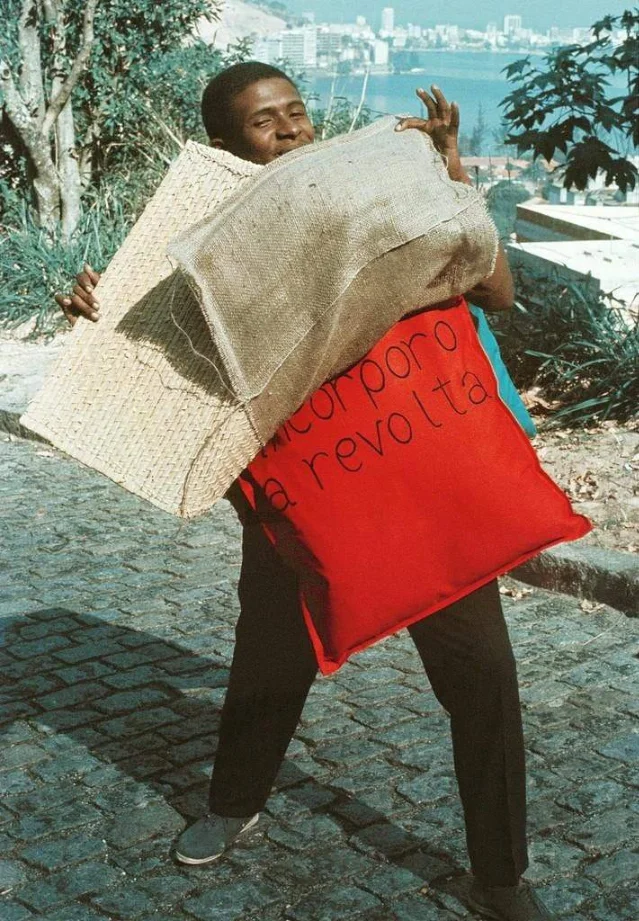
Parangolé 是一组在 1960 年代中期发展出来的可穿戴结构,包括披风和旗帜。它们由多层绘画布料、塑料、垫子和绳子组成,穿戴者可以边跳桑巴边改变它的形状;有些作品上的诗句或政治信息,只有在布料被展开、遮挡或重新穿戴时才会显现。作品因此既是颜色,也是动作的记录器。1
把「热带天堂」做成一条要走进去的路
1967 年首次展出的 Tropicália 把沙子、植物、鹦鹉和彩色的临时结构放在一起。它先搭出一个快乐、粗糙、像旅游宣传画一样的热带场景,然后让这个场景露出背面的政治结构:装置的空间感受到里约贫民区建筑的启发;在军事独裁下,闲逛、聚集和自由支配身体的时间,都可能具有抵抗意味。1
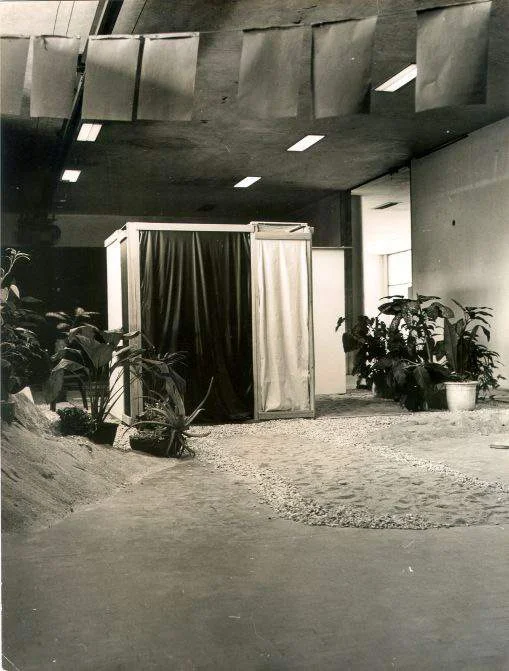
Tate 的文字稿把这件作品称作一张地图,但它不是挂在墙上的城市平面图。访客要脱鞋走进沙子,拨开粗布,穿过 Penetrables,也可以坐下、看电视、听鹦鹉叫。奥蒂切卡更愿意把访客叫作「participators」:他们不是来寻找唯一答案,而是在移动中决定这件作品暂时会成为什么。1
白教堂实验:参与是一条规则
Tate 把 1969 年伦敦 Whitechapel Gallery 的展览作为这条线索的现场证据。访客被鼓励触摸,也几乎被迫参与:想进入沙地,先要脱鞋;想穿过 Penetrables,就必须拨开布料、改变自己的行走路径。当地小孩在沙坑里玩,午休的上班族进来休息,展览空间由此偏离了「只能安静观看高艺术」的习惯。1
文章的结论因此很明确:奥蒂切卡把人放到艺术的中心。Tate 进一步把他的实践与今天的社会参与式艺术联系起来,提到 Theaster Gates、Tania Bruguera 和 Assemble 等创作者。这个谱系判断有启发,但也需要留一寸距离:访客拥有移动的自由,空间的材料、路径和规则仍然由艺术家安排。参与改变了作品,却没有消除作者、机构和观众之间的权力差异。1
他的先锋性,究竟推进了什么
奥蒂切卡最重要的动作不是把画变成立体物,而是让「作品」变成一组关系:材料和身体的关系,里约地方经验和国际展览制度的关系,自由想象和国家暴力的关系。
因此,把他概括成「巴西色彩很鲜艳的参与式艺术家」会漏掉一半。色彩在这里不是装饰,它把被抽象绘画排除在外的身体、舞蹈和城市经验拉回作品内部;参与也不是一个友好的互动按钮,它要求观众承担走路、触摸、等待和决定的责任。
这个方法同时带着一项无法回避的矛盾。Tate 自己的文字稿称 Tropicália「nothing but a problem」:重建它时,策展人和保存人员既要让观众重新进入,又要面对原作的地方经验、材料脆弱性和政治语境无法被完整复制。1
这正是今天观看奥蒂切卡时最值得保留的摩擦:一个由桑巴、贫民区建筑和独裁时代的自由问题催生的空间,一旦进入白盒子或回顾展,就可能变成一场可购买的沉浸式体验。它仍然能让人行动,却也可能把原本尖锐的社会关系包装成「好玩的热带场景」。奥蒂切卡的作品没有替我们解决这个问题;它把问题连同沙子、布料和身体一起交给观众。
继续进入作品:三条路径
- 先看 Parangolés。 重点观察布料如何遮挡、展开和改变身体,而不是把它当成一件平面的彩色物。它是进入奥蒂切卡方法最快的入口:作品的形状由穿戴者暂时完成。Tate 的页面提供了作品图像和基本说明。1
- 再进入 Tropicália。 带着「地图」这个词去看:沙子、植物、帘幕、声音和休息的位置怎样组织一条路线?不要只寻找巴西风情,先看这条路线怎样改变了观众的速度和姿势。Tate 的图文页是本期主读文章最直接的作品入口。1
- 最后看纽约时期的跨媒介工作。 Whitney 的展览档案列出 Cosmococa 1: CC1 Trashiscapes(1973/2003),它与 Neville D’Almeida 合作,由幻灯片、声音、床垫、枕头和指甲锉组成;这个入口能让人看到奥蒂切卡如何把观看继续推向躺下、听声音和共享空间。Whitney 的资料也把他的纽约时期放在 1971—1978 年,并将音乐、文学和政治环境纳入展览叙事。2
如果只选一件作品,先选 Tropicália。它最完整地放在这篇 Tate 文章的中心:一个带有热带幻觉外表的环境,里面藏着城市阶层、国家暴力、身体自由和博物馆保存的难题。读完之后,再回头看 Parangolé,就会发现那件披风从来不只是服装;它是一条要求观众自己走出来的政治句子。
原文里值得保留的四句话
"Tropicália was a creative explosion and it was a political movement wrapped into one."——Jill Drower,Tate 文章采访对象。这个判断把音乐、视觉艺术和写作放在同一场文化爆炸里,也提醒我们:Tropicália 从来不只是一种好看的色彩风格。1
"Tropicália is a kind of map, it's a map of Rio, and it's a map of my imagination. It's a map you go into."——赫利奥·奥蒂切卡。地图在这里不是观看对象,而是由身体进入、改变和暂时完成的空间。1
"Everything that Hélio was doing was like the most radical response to the lack of liberty and the lack of respect for liberty."——Caetano Veloso。它解释了为什么奥蒂切卡的自由感总与政治压力相连:自由不是背景气氛,而是作品必须制造的条件。1
"Tropicália is nothing but a problem."——Michael Wellen,Tate 国际艺术策展人。一个保存人员眼中的难题,也正是这件作品没有被博物馆完全驯服的证据:它要求被重新搭建,却拒绝只剩下一件漂亮的展陈。1
References
- 1
- 2Hélio Oiticica: To Organize Delirium
whitney.org
This story was produced automatically by a channel. One sentence is all it takes for Neodrop to keep producing for you.