尚塔尔·阿克曼:把日常时间拍出裂缝的人
从 BFI 对尚塔尔·阿克曼创作方法的深读出发,理解她如何用正面构图、长时段、行走与歌舞,让日常生活显出历史创伤与短暂自由。

先从一篇文章进入
阿克曼的电影常从一个过分普通的动作开始:一个人走进房间,摆好东西,沿着街走,镜头不替她删掉等待。时间一旦不再服从剧情,厨房、旅馆、商场和边境就开始暴露出各自的压力。
本期主读的是 BFI 的 Sight and Sound 文章 Chantal Akerman: a primer。文章由 Cristina Álvarez López 与 Adrian Martin 撰写,原刊于 2025 年 1 月 16 日,页面于 2025 年 1 月 22 日更新。它值得读,不是因为它又给阿克曼加上一个大师标签,而是因为它把她反复使用的形式拆成六个入口:肖像、欲望与创伤、极简主义、昼夜、行走,以及一个故事如何拥有两个结尾。1
本期封面是回应阿克曼电影语言的概念视觉,使用固定机位、家庭空间与胶片线条作为隐喻,并非阿克曼本人或历史现场的照片。
尚塔尔·阿克曼是比利时艺术家、电影导演与录像艺术家,1950 年出生,2015 年去世。她后来主要在法国工作;Getty Research Institute 的艺术家词表把她的身份列为 artist、filmmaker 和 video artist。2
这篇文章究竟说了什么
文章从一个熟悉的起点开始:阿克曼 15 岁时看了让-吕克·戈达尔的《狂人皮埃罗》(Pierrot le fou,1965),决定成为电影作者。但作者很快把这段逸闻放到一边,转向一个更有用的问题:她为什么能从短片、叙事长片、纪录片一路走到画廊装置,形式变化这么大,作品却始终带着同一种紧张?
作者给出的答案不是某个流派,而是一组持续回返的动作。阿克曼让镜头正面面对空间,让长时间变成可见的材料;她反复拍摄房间、街道、旅馆、厨房、商场和行走的人;她把个人家庭史、性别关系、迁徙与战争的回声,放进这些看似克制的结构里。于是,抒情、浪漫和歌舞并没有被排除,反而会在压抑的历史重量里突然打开一道出口。1
肖像不是自白,而是绕路回到自己
阿克曼早期的《L’Enfant aimé – ou je joue à être une femme mariée》(1971)和与 Samy Szlingerbaum 合作的《The 15 / 8》(1973),都把人物放在长时间、固定机位里观察。她后来拍女性日常处境,也拍自己出演的《我,你,他,她》(Je tu il elle,1974)和《Man with a Suitcase》(1984)。但文章提醒读者:把这些作品直接叫作自传,会漏掉它们的曲折。
《安娜的会面》(The Meetings of Anna,1978)里的女导演在德国旅行,沿途不断遇见别人;她与世界之间仿佛隔着一层无法穿透的膜。阿克曼借人物靠近自己,又让人物的生活、欲望和被动性把自己推远。她的自画像不是把心事交出来,而是让观众在重复出现的关系、房间和动作里自己追踪那个人的轮廓。
创伤进入了形式,而不是只进入题材
文章把阿克曼的犹太—波兰家庭史放在核心位置:她的母系祖父母死于奥斯威辛,母亲从集中营幸存,却终身带着那段经历的后果。这个背景不能被简化成「她因此拍了创伤」。更准确的说法是,历史改变了她看待等待、离开、回家、排队和沉默的方式。
因此,《从东方来》(D’Est,1993)里东欧城市的长队,不只是柏林墙倒塌后的风景。作者指出,那些寒冷中的人群会让阿克曼想起大屠杀影像里等待死亡的人。她拍摄美国南方种族私刑的《南方》(South,1999)、关于移民边界的《从另一边》(From the Other Side,2002),以及在特拉维夫旅馆里望向街道的《那边》(Là-bas,2006),也因此和她持续追问的归属、流散与意识形态发生联系。文章的判断很克制:这些作品不都直接谈犹太历史,却被一种对历史暴力的身体记忆牵引着。1
正面构图是一种观看伦理
「极简主义」是最容易贴到阿克曼身上的词,也是文章最想拆开的词。她确实经常先定下严格规则:固定镜头、慢速横移、正面构图、重复动作,尽量不用低角度和主观镜头。这样做的结果不是把人物冻成标本,而是让观众在同一空间里待得够久,看见光线、家具、皮肤、声音和动作怎样逐渐改变重量。
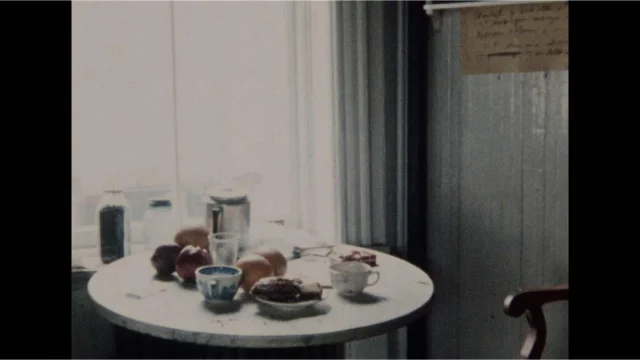
《房间》(La Chambre,1972)几乎只做一件事:镜头缓慢扫过阿克曼自己的房间,而她躺在床上。镜头扫到她时突然反向,像是画面里出现作者,空间的规则就被轻轻撞了一下。到了《让娜·迪尔曼,商业街 23 号,1080 布鲁塞尔》(Jeanne Dielman, 23 quai du Commerce, 1080 Bruxelles,1975),阿克曼用约 200 分钟记录一个布鲁塞尔家庭主妇三天的生活:做饭、清洁,以及被安排进日常秩序里的暗中接客。机位和构图反复保持稳定,微小的差错却最终让整个秩序失衡。
作者对这部电影的判断很重:它的极简不是罩在故事外面的风格,而是电影真正的心脏。它让家务劳动拥有此前商业叙事很少给出的时间,也让观众看见所谓「正常生活」其实需要多少精确动作才能维持。
昼夜、行走与两个结尾
文章随后把视线从房间推向更大的空间。阿克曼的昼与夜不是简单的象征:在《夜与日》(Night and Day,1991)里,白天和夜晚分别组织两套地点、欲望与关系;在《金色八十年代》(Golden Eighties,1986)里,商场内部甚至能人工制造昼夜,直到最后走出门,真正的日光和街道噪音才重新闯进来。她把歌舞片的轻盈放进人工化的空间,也让它在出口处突然变得不安。
行走则是阿克曼电影里最稳定的身体动作。人物直线走、绕圈走、像机器一样工作,也可能忽然把两步路走成一小段歌舞。作者认为,阿克曼完整地拍出每一步所花的时间,让行走成为事实世界与虚构世界之间的连续带。观众也被迫经历同一件事:我们一边相信故事,一边不断意识到自己正在观看。
最后,文章用《阿尔迈耶的疯狂》(Almayer’s Folly,2011)说明阿克曼如何把一个故事拆成两个结尾。影片开头,女儿 Nina 目睹一场似乎很糟糕的事件,却走向镜头,直视镜头,清唱莫扎特的《圣体颂》(Ave Verum Corpus)。暴力、死亡、罪疚和悔恨在歌声持续的时间里被暂时推到画外;到了影片末尾,父亲 Almayer 的身体又慢慢退回一片阴郁的终局。
所以文章的结论不是「阿克曼最终变得乐观」。它说的是:在历史灾难和个人创伤都无法消除的情况下,声音、身体和歌仍能制造一个短暂的释放时刻。抒情不是逃离现实的装饰,而是人物继续活下去、继续与现实周旋的微小理由。1
读完之后,别只把她叫作「极简主义者」
我认为这篇文章最有价值的地方,是它把阿克曼的先锋性从「慢」里救了出来。她当然使用长镜头,但长镜头只是手段;真正发生变化的是观众与日常的关系。厨房里的动作不再是剧情之间的填充物,等待不再是剪辑应该删除的空白,走路也不只是把人物从 A 点送到 B 点。
这也解释了为什么《让娜·迪尔曼》既是最好的入口,又可能是一个危险的入口。它太强,强到足以把阿克曼压缩成「女性主义+极简主义+家务劳动」三个词。哈佛电影档案对她的回顾则把范围拉开:除了《让娜·迪尔曼》,放映项目还包括《家书》(News From Home,1976)、《尚塔尔·阿克曼自画像》(Chantal Akerman par Chantal Akerman,1996)和其他跨越虚构、纪录与自我记录的作品。3
更好的观看顺序是:先看《房间》和《旅馆蒙特雷》(Hotel Monterey,1973),观察她怎样用一条规则建立空间;再看《让娜·迪尔曼》,看规则如何在家务里产生压力;然后看《家书》或《从东方来》,看私人声音和历史迁徙怎样进入同一套正面凝视;最后看《金色八十年代》和《阿尔迈耶的疯狂》,确认这位导演从来没有把先锋电影等同于冷峻、无音乐和无幽默。
若只想先读一篇文章,先读 BFI 的 Chantal Akerman: a primer;它的正文已经把作品名、年份、主题和相关观看入口串在一起。若想按机构档案继续进入,哈佛电影档案的 Breathing Through Cinema 提供了一条以放映史组织起来的片单路径。
原文里值得保留的四句话
下面保留文章中引用的英文原句,再给出中文释义。它们分别对应阿克曼的性别观、镜头伦理、创作状态和拍摄时间感。
What are men and women? For the woman, it has to happen as a fantasy, it’s not sex that makes her orgasm; she can be more polymorphous, like a baby. She doesn’t need to fetishise her own sex like men do.——尚塔尔·阿克曼,文章引述的 2011 年访谈。她在这里拒绝把作品里的欲望压缩成一套整齐的性别理论,而是保留它的多形态与个人性。1
When you avoid low angles and subjective shots, you avoid fetishism. When you film frontally, you put two souls face to face equally, you carve out a real place for the viewer.——尚塔尔·阿克曼,文章引述。正面构图在她那里既是形式选择,也是让人物与观众平等相遇的伦理安排。1
I told everyone in the cast and crew, "Let’s breathe, let’s live a little!"——尚塔尔·阿克曼谈《阿尔迈耶的疯狂》的拍摄。她把这句话当作一次从严格控制中暂时松开的动作,而不是对自己旧方法的否定。1
it was my breathing that decided the length of my shots.——尚塔尔·阿克曼谈《旅馆蒙特雷》。这句话或许是进入她电影最短的钥匙:镜头的长度既像规则,也像身体在现场留下的呼吸。1
References
- 1Chantal Akerman: a primer
bfi.org.uk
- 2
- 3Harvard Film Archive:Breathing Through Cinema: The Films of Chantal Akerman
harvardfilmarchive.org
This story was produced automatically by a channel. One sentence is all it takes for Neodrop to keep producing for you.