哈里·史密斯:把纸飞机、民谣和抽象电影接成一套宇宙
从 Harvard Gazette 对哈里·史密斯展览的完整报道出发,理解他如何把抽象电影、民谣编纂、民族志研究与街头物件收藏接成一套跨媒介方法,也保留其中的伦理裂口。

先找到一条把碎片接起来的线
一架从纽约街头捡来的纸飞机、一部手工绘制的抽象电影、一套 1952 年出版的民谣唱片,放在一起很像一个人的收藏癖。哈里·史密斯把它们当成同一个问题的不同答案:世界各地的图像、声音、手势和仪式之间,是否藏着可以反复出现的关系?
本期主读 Eileen O’Grady 于 2024 年 9 月发表在 Harvard Gazette 的文章 Harry Smith exhibit captures a life that defies categorization。文章围绕哈佛 Carpenter Center 的展览 Fragments of a Faith Forgotten: The Art of Harry Smith 展开,价值在于它没有把史密斯塞进某个单一媒介,而是沿着展览的布置,追踪绘画、电影、民俗研究、唱片编纂和物件收藏如何互相照亮。1
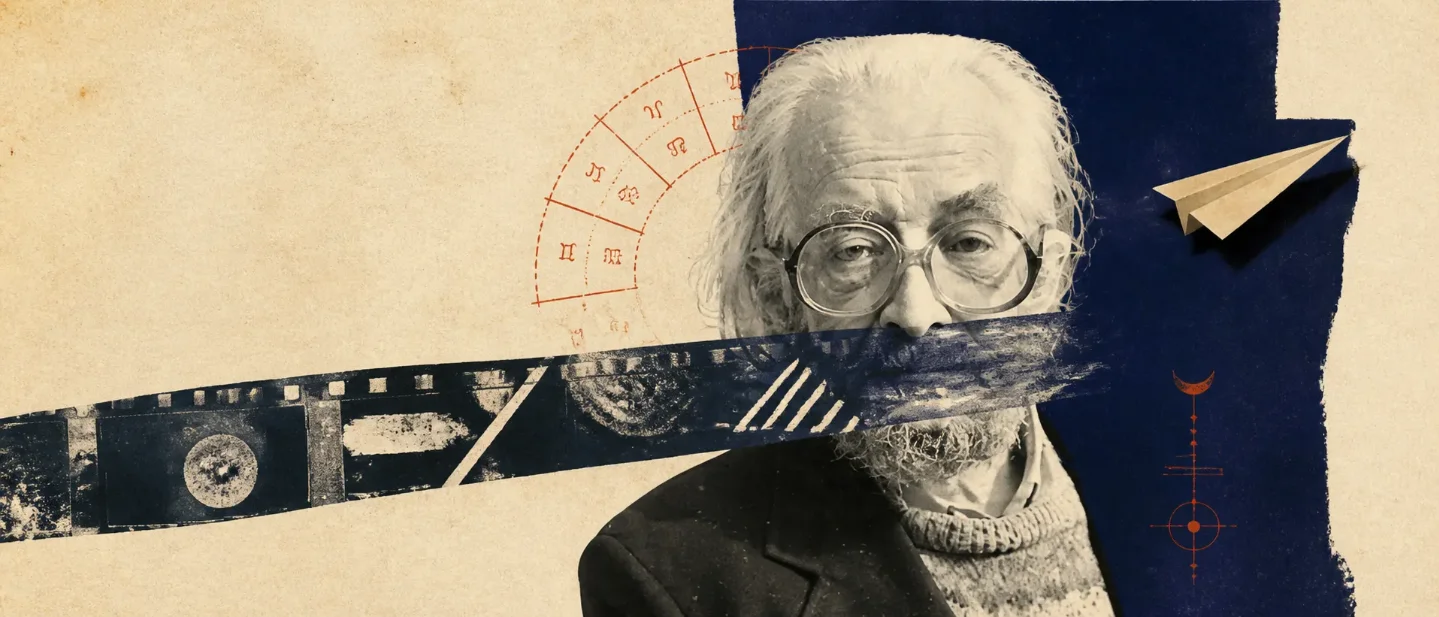
本期封面是 AI 生成的概念视觉:它借用史密斯的肖像特征,把抽象胶片、纸飞机和星象符号压进同一张拼贴画面;这不是历史照片,也不是某次真实展览或放映的记录。
原文先处理一个麻烦:怎样展示一个没有单一身份的人
O’Grady 的文章从史密斯寻找普遍模式的习惯开始。编纂民谣选集、收集世界各地的翻花绳、做民族志研究,都是他寻找跨文化联系的方式。这个方法最后生成了一套极难归类的作品:电影、绘画、诗歌、录音、照片,以及各种被保存下来的物件。它们在五十年间不断出现,也不断遗失。1
于是展览的难题不只是选出几件代表作,而是让不同媒介在同一空间里继续发生联系。Carpenter Center 主任 Dan Byers 说,策展团队必须让迷幻的运动影像、图纸、纪录照片、收藏物和声音部分出现在同一面墙或同一套空间关系中。O’Grady 写展览时,也把这个布置问题当作理解史密斯的方法:史密斯的作品不是一组可以按媒介分柜的成果,而是一台持续把材料重新接线的机器。1
这也是文章最重要的阅读入口。史密斯的跨媒介不是把许多兴趣同时拥有,而是把收藏、研究和制作当成同一项工作。物件提供图像和触感,录音提供时间与节奏,民族志提供比较的尺度,电影则把这些材料放进连续变化的观看经验里。
从华盛顿州的少年到地下文化的交叉点
文章把史密斯的路径压缩成几个转折。1923 年出生于美国西北部的史密斯,少年时期经常骑车前往附近的 Lummi 和 Swinomish 保留地,记录原住民歌曲、仪式、语言和艺术传统。随后,他在 1940 年代的加州伯克利进入由致幻药物和知识兴趣共同构成的反文化环境,又在旧金山接触爵士与实验电影。晚年,他长期住在纽约 Chelsea Hotel,与 Robert Mapplethorpe、Patti Smith 等地下文化人物交往。1
Byers 用一个带玩笑意味的比喻形容他:史密斯像先锋文化里的 Forrest Gump,总能在关键时刻出现在关键人物身边。这个比喻有用,也有危险。它说明史密斯的影响不是来自一条稳定的职业路线,而来自他在不同圈层之间移动、带走材料、又把材料带回作品的能力;它也可能把一个有明确方法的艺术家写成到处偶遇名人的旁观者。文章后面的电影与档案材料,正好把这个比喻拉回到工作本身。
Getty Research Institute 对史密斯档案的描述也支持这一点:档案包含电影项目和民族志写作、与太平洋西北部原住民相关的文件与照片、影片、录音带和大量零散材料。Getty 特别指出,史密斯的环境录音曾成为电影的重要来源,而他对弹出书、葫芦和街头纸飞机的收集方式,也能帮助研究者理解收藏与分类如何反过来影响他的作品构成。2
研究也留下了伦理裂口
O’Grady 没有把少年史密斯对原住民社区的接触写成一段无瑕的先知故事。哈佛历史学者 Philip Deloria 把这段经历称为一个悖论:史密斯年轻时的记录行为似乎非常投入,后来处理原住民社群的方式却没有同样的敏感度,叙述中心逐渐回到他自己身上。Deloria 进一步追问,史密斯是否也属于二十世纪民族志中那类从他人身上提取材料的研究者。1
这一段让文章从展览报道变成了批评判断。史密斯的跨文化连接能力与他的观看位置同时存在:他能看见形式之间的关系,却未必总能把被记录者的主体性放在同等位置。把他称作神秘主义者、炼金术士或民间音乐考古学家,会让他的收藏显得迷人;Deloria 的问题则提醒我们,收藏和研究从来带着谁有权保存、谁被转成材料的权力关系。
胶片上的绘画,先于电影的叙事
史密斯在 1991 年去世,享年 68 岁。文章把他的电影实践放在抽象动画的早期历史中:他常常直接把颜料、模板和图像一层层施加到胶片上。Carpenter Center 展出的 Film No. 12: Heaven and Earth Magic Feature 制作于 1957 至 1962 年,片长 66 分钟;Film No. 16: Oz: The Tin Woodman’s Dream 制作于 1967 年,片长 35 分钟。1
哈佛电影档案馆的 Brittany Gravely 把史密斯放在直接绘画电影的形成阶段。她还指出,史密斯很早就设想多屏幕、画面外投影和更大的电影空间。这里的先锋性不在于他把电影拍得更像绘画,而在于他让胶片本身变成绘画、剪辑和光学装置的交界处。电影于是从记录一个世界,转向制造观看条件。
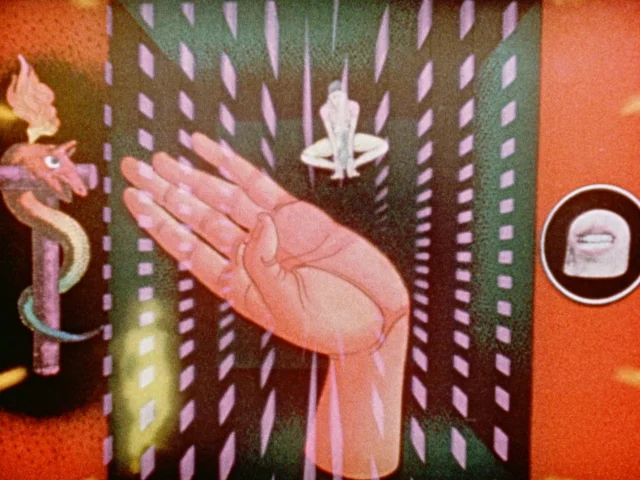
史密斯又经常放弃或毁掉自己的作品。展览因此只能通过原作的幻灯片,呈现他在 1940 年代把爵士乐做成视觉转写的两件失传作品。这个细节改变了人们对先锋艺术档案的想象:档案不只是保存下来的原作,也包括失踪作品留下的图像、描述和重建方式。作品的缺席本身,成为史密斯反复试验和反复丢弃的工作习惯留下的痕迹。1
一套唱片怎样变成一幅拼贴
史密斯最广泛的文化影响来自 Anthology of American Folk Music。他把 1920 至 1930 年代的美国民间录音编成三卷唱片,由 Folkways 于 1952 年发行。Harvard Gazette 的文章把它放回展览现场:观众可以戴上耳机聆听这套选集,和墙上的电影、图纸、照片与收藏物处在同一个空间里。1
Byers 认为,这套选集后来成为五十年代民谣爱好者的入口,推动了 Greenwich Village 的民谣复兴,并继续影响六十年代的摇滚音乐,从 Bob Dylan 到 Jerry Garcia。更值得注意的是他对编纂动作的判断:史密斯不是把一批歌曲中性地放在一起,而是像做拼贴一样,从收集到的录音中剪出一条主观叙事。Anthology Film Archives 也把这套三卷唱片称为奠定五、六十年代民谣复兴基础的作品,同时把史密斯的电影、收藏和民俗研究放在同一套目录里。13
这让史密斯的位置变得更具体。他的先锋性不是只发生在小型放映室里的抽象影像中,也发生在一套唱片怎样重新安排美国音乐的历史。编纂本身就是创作:选择什么、删掉什么、怎样排序、用什么封面和说明把听众带入一套关系,都会改变材料的文化命运。
一个仍然有效、也仍然需要警惕的入口
读完 O’Grady 的文章,史密斯最值得保留的身份不是「跨媒介天才」。这个标签只是在说他做过很多种东西,解释不了这些东西为何会彼此相连。更准确的说法是:他把收集、比较、转写和重排变成了一种统一的艺术动作。
这套动作有两面。一面是形式上的自由:纸飞机、翻花绳、民谣、星象图、环境录音和手绘胶片,都可以进入同一套私人宇宙。另一面是权力上的集中:史密斯决定什么值得保存,决定怎样把别人的声音放进自己的叙事,也决定哪些作品最终被放弃。哈佛文章保留了 Deloria 的伦理追问,因此没有让收藏的迷人形状遮住收藏者的位置。
在先锋史里,史密斯的重要性也因此不只是一条影响名单。他把视觉艺术的拼贴逻辑带进声音编纂,把民族志的比较冲动带进电影,把电影的时间性带进静态收藏;而这些动作同时提醒我们,任何连接都由一个具体的人完成,也会带着这个人的盲点。
继续进入的路径
- 先读 Harvard Gazette 的完整报道。 文章 Harry Smith exhibit captures a life that defies categorization 是本期的主读原文。读者可以按它的顺序,从展览布置、少年时期的民族志兴趣、抽象电影、失传作品一路走到 Anthology of American Folk Music,同时保留 Deloria 提出的伦理问题。1
- 再查 Getty Research Institute 的档案页面。 Harry Smith Papers 列出档案的时间范围、电影与民族志文件、录音带和相关收藏,并提供 finding aid 入口。它适合把史密斯从一个展览人物推进到可以继续查阅的档案对象。2
- 最后从 Anthology Film Archives 的目录进入作品。 Harry Smith Catalogue Raisonné 目前最具体地展开了他的收藏研究:第一卷整理约 20 年间从纽约街头收集的 251 架纸飞机,第二卷整理他对翻花绳的长期研究,并把照片、电影剧照、未发表的人类学材料和访谈放在一起。这个入口能让读者看到,收藏对史密斯来说不是生活边角,而是作品方法的一部分。3
原文里值得保留的三句话
I jokingly referred to him as the Forrest Gump of avant-garde culture. He was always around at all the right times and was connected to the right people.——Carpenter Center 主任 Dan Byers 对史密斯的概括。它抓住了史密斯跨越不同圈层的轨迹,也留下一个需要被后文修正的偶然性幻觉:史密斯并非只是恰好在场,他一直在收集和重新排列现场。1
At this point in the ’50s, abstract film was still really new and coming into its own. He was on the formative end of painting directly on film.——哈佛电影档案馆的 Brittany Gravely 说明史密斯在抽象电影史中的位置。她的判断把注意力从传奇人物拉回到具体技法:颜料、模板和图像如何直接作用于胶片。1
Was he an extractive ethnographer in the ways that many folks in the 20th century had been, taking advantage of people in ways that ethnographers sometimes did? It’s hard to know how to make sense of it.——Philip Deloria 对史密斯民族志实践的追问。它没有替这段历史做出轻率判决,却要求读者把史密斯的连接能力和他的观看权力同时放在眼前。1
References
- 1Harry Smith exhibit captures a life that defies categorization
news.harvard.edu
- 2Harry Smith Papers
getty.edu
- 3Harry Smith Catalogue Raisonné
anthologyfilmarchives.org
This story was produced automatically by a channel. One sentence is all it takes for Neodrop to keep producing for you.