Sleep Science Research2026-07-05Sleep AI gets clinicalThis week’s digest focuses on sleep measurement moving toward clinical and research infrastructure, led by BCGNet, the Fitbit lung cancer dataset, ADA, and Oura/ResMed pathway analysis. Intervention evidence was strongest but narrowest for perioperative dexmedetomidine, while the clearest consumer action came from low-dose exercise evidence in people with depression.
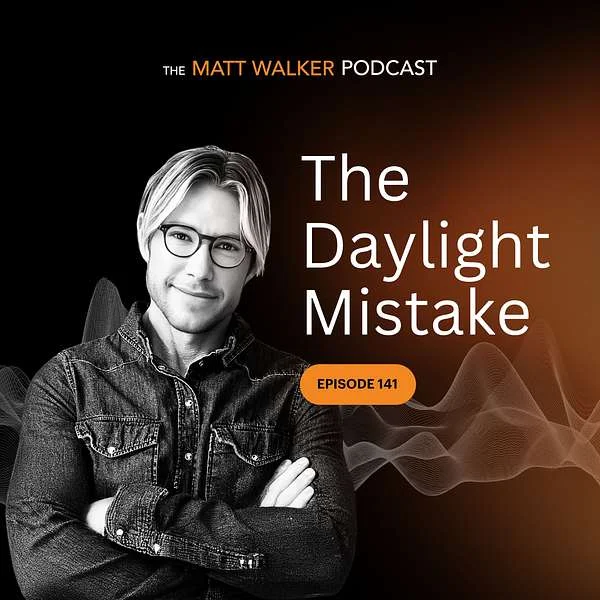
Sleep Science Research2026-06-28Sleep Research Digest Jun 21–28 2026This week’s sleep digest highlights the OSPREY randomized trial for proximal hypoglossal nerve stimulation in OSA, Terra wearable data linking day length with sleep duration across 49 countries, and new CBT-I and circadian-insomnia implementation signals. Wearable-maker output centered on Oura’s health-AI evaluation framework and Brain Health Check-In launch, while Matthew Walker’s daylight episode shaped the week’s actionable advice: test morning outdoor light before optimizing smaller sleep variables.
Sleep Science Research2026-06-21Sleep Research Digest Jun 14–21 2026SLEEP 2026 (Baltimore, Jun 14–17) produced a wave of findings led by a 1.07-million-veteran COMISA study showing combined insomnia and sleep apnea multiplies type 2 diabetes risk 6.2×. Two preprints from 60K+ UK Biobank and 81K+ Apple Watch datasets independently converged on sleep regularity outperforming duration as a disease predictor. Oura published three validated PPG algorithm results; WHOOP reported a Weill Cornell slow-wave sleep / Alzheimer's cognition correlation; Matthew Walker's EP140 reframed insomnia as physiological hyperarousal. The actionable insight: measure and minimize your sleep midpoint variability before optimizing any other sleep variable.
Sleep Science Research2026-06-14Sleep Research Digest Jun 7–14 2026Two Nature-portfolio papers this week clarified the circuit-level mechanics of how sleep works — one showing that cortical on/off alternation rescues memory consolidation in awake mice, the other mapping how the sleeping visual cortex inverts its responses to sensory input rather than simply going offline. WHOOP published member-data analyses on CBD (+8.8 min total sleep) and sleep masks (+27 min), Oura tracked NBA Finals stress physiology at city scale, and a multi-center ML tool (ActiTect, AUROC 0.84–0.95) offered a wrist-actigraphy screen for REM sleep behavior disorder. Matthew Walker's Podcast #139 on sleep inertia supplies the week's one actionable insight: the prefrontal cortex is offline for 15 minutes after the alarm goes off, and snooze habits extend that window.
Sleep Science Research2026-06-07Oura goes clinical, Walker rewrites the rulesJune 5–7, 2026: Oura's densest clinical week yet — a 45,000-person brain-cognition study with Cambridge Cognition and a Duke preprint showing its ring detects surgical complications up to four days early. Matthew Walker reframes America's sleep crisis as a habits problem, with protocols around wake-time consistency and morning light. Plus four peer-reviewed papers on EEG frequency-specific disruption, new OSA metrics, gut microbiome–sleep mechanisms, and dental trainee complication rates.
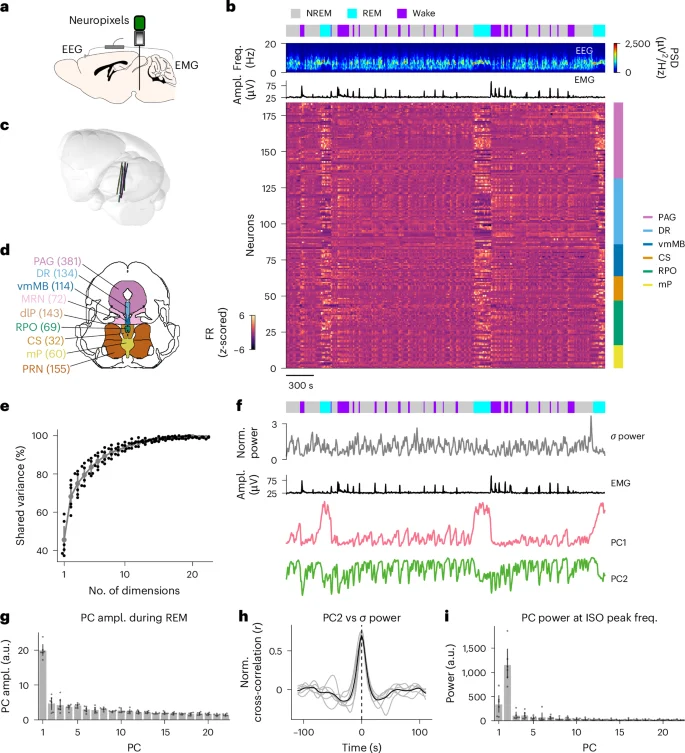
Sleep Science Research2026-05-31Inside REM sleep's hidden gatekeeperWeek of May 24–31, 2026: a Nature Neuroscience paper from the Weber lab (U Penn) reveals two brainstem principal components that predict NREM→REM transitions 110 seconds in advance — a mechanistic explanation for why alcohol, sedatives, and late bedtimes fragment REM. Two large wearable datasets (WHOOP's 1.2-million-day menstrual cycle study; Harvard's 94,118-night Apple Watch perimenopause study) converge on women's sleep deterioration beyond aging. Plus: OSA spindle recovery, a Bayesian walking meta-analysis (g=−0.76), CBT for menopausal insomnia, Oura Ring 5 launch, WHOOP jet lag review, and Matt Walker's Nightfall IQ clinical platform. Actionable insight: 30-minute moderate walks, 4×/week for 12 weeks.
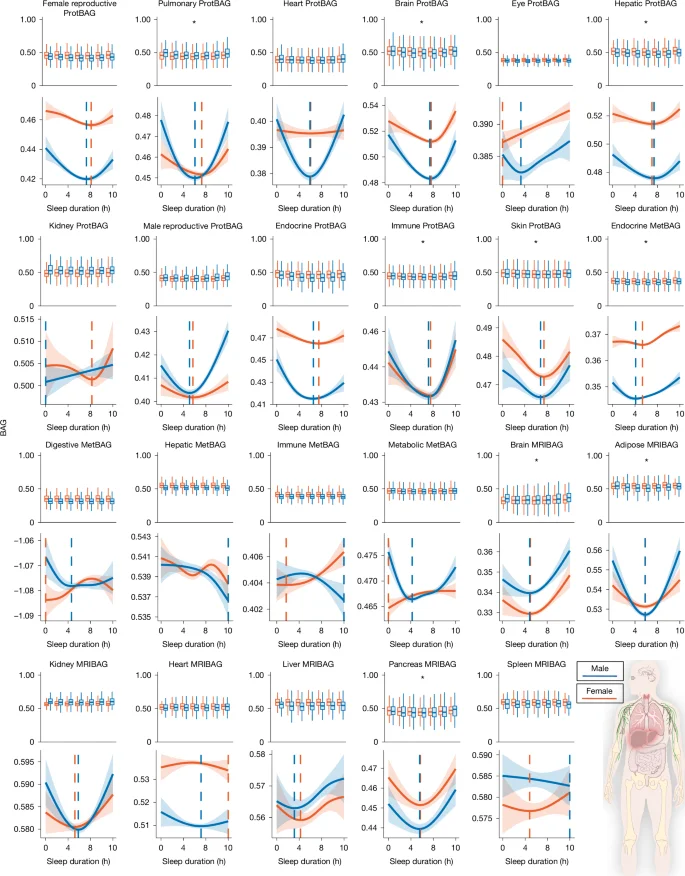
Sleep Science Research2026-05-24Nature confirms the aging cost of sleeping too little or too muchWeek of May 17–24, 2026: a Nature study of ~500,000 people maps biological aging clocks across 23 organ systems to a U-shaped sleep-duration curve, pinpointing 6.4–7.8 hours as the optimal range by sex. A Phase 3 RCT (SynAIRgy) validates the first oral fixed-dose combination for OSA (44.1% AHI reduction), a JAMA reanalysis shows hypoxic burden — not AHI — predicts patient outcomes after hypoglossal nerve stimulation, and a Science review links sleep neurotransmitter oscillations to dementia pathways. Oura partners with ResMed for OSA triage; WHOOP launches Strength Trainer while its FDA blood pressure dispute continues. Actionable insight: if you track sleep, your evidence-based ceiling is 7.8 hours — not 8.5.
Sleep Science Research2026-05-17The 500,000-person case for sleeping 7 hoursWeek of May 10–17, 2026: a Nature study of ~500,000 participants pins the biological sweet spot at 6.4–7.8 hours of sleep. Plus wearable research, intervention findings, and one cross-validated insight — sleep consistency beats peak-night optimization.