刀根康尚:让机器生产错误,声音才成为结果
从《Geodesy for Piano》到《Solo for Wounded CD》,读懂刀根康尚如何把动作、图像、播放设备与错误变成作曲材料。

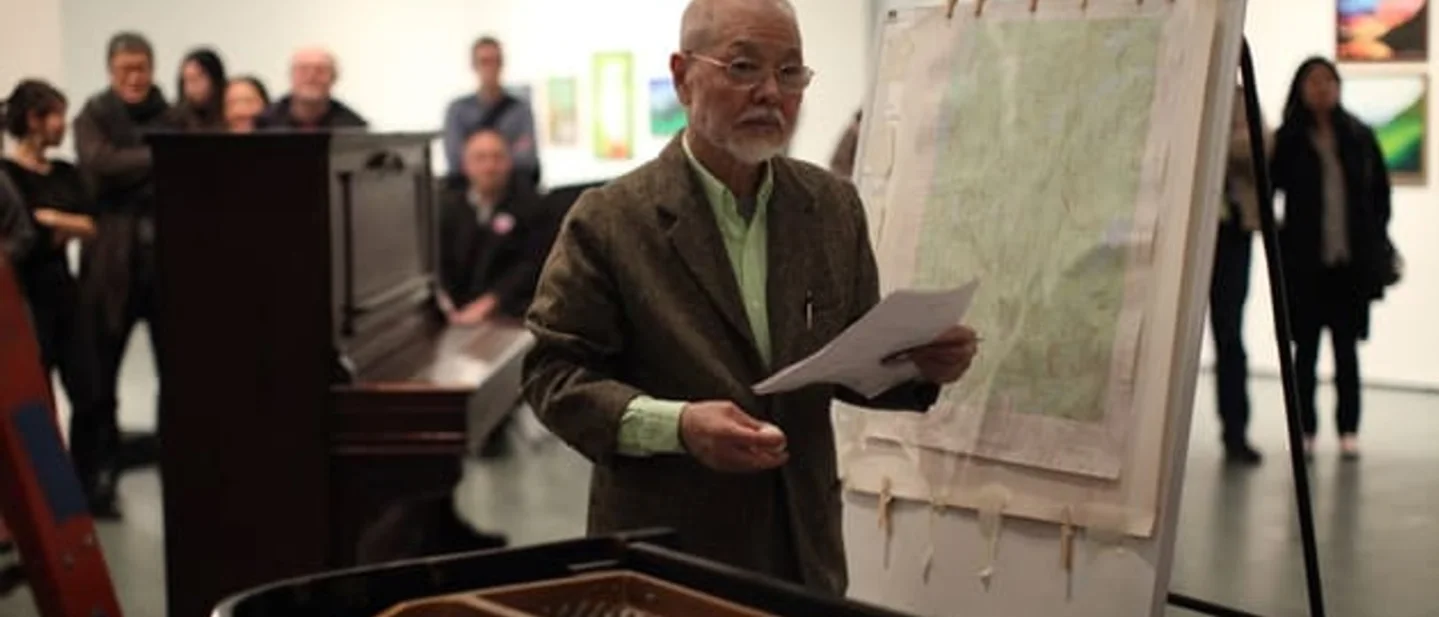
2013 年 1 月 10 日,刀根康尚站在 MoMA 的钢琴旁,手里拿着几张纸,身后是一张摊开的地形图。那场演出里,他和钢琴家 Ning Yu 按照《Geodesy for Piano》的规则,把物件从高处投入钢琴;观众听见的声响,来自一套先写在地图、指令和身体动作里的程序。1
刀根康尚的先锋性,正从这里开始理解:他把音乐的起点从“想做出什么声音”移到了“怎样安排动作、媒介和机器”。声音抵达听众时,已经是最后一层结果。
原文定位:一场从图形乐谱走到数字媒介的回望
今天推荐的主读是 MoMA
post 的《Sound Is Merely a Result: Interview with Tone Yasunao, Part II》。这篇访谈由 Miki Kaneda 采访刀根康尚,文章发表于 2014 年 8 月;访谈在 2013 年 2 月 10 日于纽约现代艺术博物馆进行。文章从刀根 1960 年代的图形乐谱谈起,经过文本、影像、磁带和光传感器,走到受损 CD 与 MP3 文件。1主读的价值,在于它把一串看似相距很远的作品放回同一个问题:播放设备、图像、文字和错误,怎样参与声音的生产。刀根也在访谈中逐一纠正外界给他的标签,尤其是“他在摧毁技术”以及“他只是噪音音乐家”这样的听觉捷径。1
先把“声音”从起点移开
《Geodesy for Piano》写于 1962 年。刀根把地形图的等高线、透明胶片上的线条和钢琴表面分区连在一起,再规定演奏者怎样读线、测角度、选择物件,并从梯子上把物件投入钢琴。钢琴于是成为一块按照地形图行动的表面,演奏者的手、脚、梯子和被投入的物件都进入了作品。1
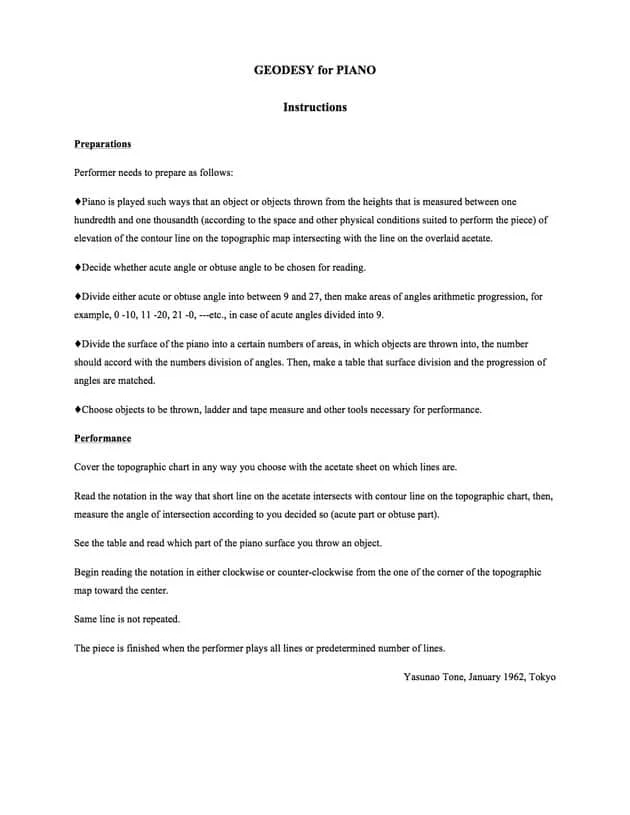
post 对该作品的访谈配图。1刀根在访谈里回忆,自己早期的图形乐谱适合让并非职业音乐家的人演出。2013 年 MoMA 重演旧作时,他没有把每个动作都教给新加入的演奏者,而是让他们根据乐谱和自己的经验理解作品。他想观察同一套规则会怎样经过不同身体,最后形成不同结果。1
访谈谈到图形乐谱、钢琴动作和“音乐之外的东西”时,刀根给出了全篇最重要的一句:
“Sound is merely a result.” ——Tone Yasunao1
这句话把听觉结果放到了动作之后。对刀根来说,作品先规定行动,行动再把声音带出来;演奏者怎样移动,物件怎样落下,钢琴怎样震动,观众从哪个位置看见这些变化,全部属于音乐现场。
图像、汉字和声音之间,故意留着一段距离
刀根从 1970 年代开始反复处理文字与图像。作品《Voice and Phenomenon》借用了德里达一本书的标题,实际材料却来自唐诗以及汉字的字形和字源。刀根根据古代汉字的构成研究投影图像,再把
CDS 光传感器放在屏幕上。传感器把光线变成电信号,振荡器再把电信号变成声音,声音经过扩声系统进入现场。1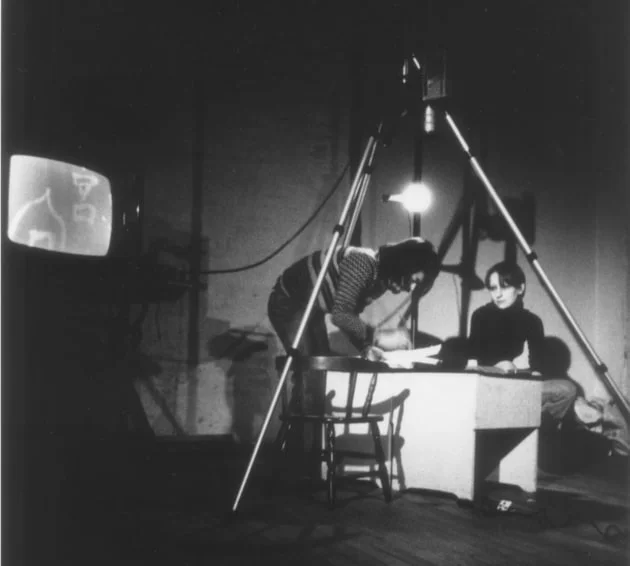
post。1《Musica Iconologos》把这条链条搬进计算机。刀根在访谈中说,他使用 NeXT Cube 把图像数字化,再借助程序识别图像和字符,生成直方图;另一个名为
Projector 的程序把直方图的波浪形状读成声波。一个图像先变成一张条形图,再变成一段声音。Lovely Music 于 1993 年发行了这项工作的成果。1听者最后听到的声音往往很嘈杂,很难从声音里辨认出原来的汉字、唐诗或图像。刀根把这段距离保留下来,因为声音承担“再现”任务时,作品就会回到传统作曲的逻辑:先有一个想法,再让声音把想法重新说一遍。他更关心方法是否精确,以及每次转换能否带来无法提前听见的结果。1
机器的错误,是被加上的功能
《Solo for Wounded CD》把同一问题交给了 CD 播放器。刀根在准备一场演出时读到:数字录音里的数值出现错误,可能会产生完全不同的声音。他于是给商业 CD 打出大量针孔,再在表面贴上小片胶带,让播放器努力修正这些错误。CD 表面的损伤少时,播放器会继续纠错;错误数量超过系统能够处理的范围后,播放器就会吐出意外的声音。这个作品从 1985 年开始现场演出,CD 版本直到 1997 年才发行。1
刀根把这种做法描述成漫长而低效的试验:他可能制作二十张 CD,最后只有一张能够正常工作,播放器有时还会直接把 CD 弹出来。偶然性因此没有悬浮在作品之外,它被压进了材料、设备和反复试错的过程里。1
《MP3 Deviation》继续追踪数字文件里的错误。刀根与英国约克大学 New Aesthetics in Computer Music 研究小组的研究者合作,在编码器与解码器之间损坏 MP3 文件;程序把错误信息分成 21 类,再把错误类别、采样长度、播放速度和波形极性反转等参数连接起来。损坏程度还可以从 1% 调到 100%。每一组损坏都会把原来的声音推向新的结果。1
当采访者把这种音乐称为技术破坏的声音时,刀根立即回答:
“I just added an important function to the way we use machines—producing errors.” ——Tone Yasunao1
“生产错误”改变了作品的重点。播放器、纠错系统和文件格式仍然按照自身规则运行,刀根做的事情,是把原本被系统排除的错误变成可被安排、重复和调节的生产环节。
从 Group Ongaku 到数字媒介:物件一直在变成乐器
刀根的早期经历说明,受损 CD 并非突然出现的奇招。刀根在另一篇 MoMA
post 访谈中回忆,自己在 1958 年与他人组建 Group Ongaku,成员使用萨克斯、书本、金属桶、洗衣板以及手边捡到的物件制造声音。刀根先把乐器看成物件,再把普通物件也当成可以发声的东西;Group Ongaku 于 1961 年在东京草月艺术中心举行了第一次、也是最后一次以该名义举办的音乐会。2这段早期背景只承担补充作用。今天的主读 Part II 真正展开的是同一条方法怎样继续移动:刀根把《Days》里的数字朗读录成磁带,低音量录制后用高音量回放,再叠加新的朗读;十多次重复之后,磁带机因为过度受压而在舞台上跳动。作品因此同时包含声音和设备的物理动作。1
到了《Clockwork Video à la Magritte》,刀根又让三个转盘分别按照秒针、分针和时针的速度旋转,摄像机把真实空间和镜中空间一起拍进画面;人体的头、身体和腿以不同速度回到同一个画面。文字、影像、机械速度和身体由此进入同一件作品。1
刀根在 1972 年前往纽约。Part I 记录了他从日本实验音乐圈进入 Fluxus 现场的经历,也记录了他如何继续把事件、文字和物件放进音乐。2 Part II 则让这条线延伸到数字媒介:对象从书本、金属桶和钢琴,换成屏幕、光传感器、CD 纠错系统和 MP3 文件,作品仍然从媒介的具体动作出发。
原文给出的结论:再生产设备也能生产
刀根在访谈中提到,Walter Benjamin 关于机械复制时代艺术的文章对他影响很大。他把播放设备看成创作设备,把复制技术看成一种可以制造新材料的技术:
“reproduction technologies are technologies for production or creation.” ——Tone Yasunao1
这句话能把前面的作品重新串起来。图形乐谱让地形图和动作制造声音;《Voice and Phenomenon》让汉字图像经过光线、电信号和振荡器变成声音;《Solo for Wounded CD》让纠错系统生产它原本要消除的异常;《MP3 Deviation》把程序报错转成采样和速度的变化。每件作品都把一个被当作中性工具的环节推到前台。
刀根也因此反对把音乐理解成一段脱离现场的固定声音。他说声音本身是振动,扬声器的振膜运动已经给声音增加了物理层次;听众坐在音乐厅的不同位置,也不会得到完全相同的经验。1 对他来说,声音、设备、空间和观众位置共同组成听觉事件。
四个入口:先看作品怎样运作
- 《Geodesy for Piano》(1962):地形图的等高线经过指令转换,决定演奏者怎样划分钢琴、测量角度和投入物件。钢琴由乐器变成一块执行规则的表面,声音只是动作留下的结果。1
- 《Voice and Phenomenon》(1976 年演出):汉字和唐诗的视觉、历史材料经过屏幕、光传感器、振荡器和扩声系统,变成无法直接辨认来源的声音。作品把“图像如何产生声音”交给一串设备完成。1
- 《Musica Iconologos》(1993):计算机读取图像和字符,生成直方图,再把直方图的形状读成声波。数字化过程承担了作曲的一部分,听众面对的是转换链条的结果。1
- 《Solo for Wounded CD》(1985 年起现场演出,1997 年发行 CD):针孔、胶带和 CD 播放器的纠错功能共同制造异常声音。刀根把系统试图修补的错误变成了作品材料。1
原文短引:刀根想听见尚未存在的声音
“I wanted to find sounds that I’ve never heard before.” ——Tone Yasunao1
这句愿望解释了刀根为什么把图像、文字和机器错误放进声音的前史。熟悉的音色通常来自熟悉的选择;刀根把选择交给规则、转换和设备,借此减少个人习惯对结果的控制。1
主读文章最值得反复看的地方,也正在于它坚持把“听起来像什么”交还给“它怎样被做出来”。刀根的先锋位置由此清晰起来:他把播放重新变成制作,把错误变成机器可以执行的动作,把观众从声音的消费者带回到声音发生的现场。
如果只打开一篇,先读 MoMA
post 的《Sound Is Merely a Result: Interview with Tone Yasunao, Part II》;这篇主读保留了刀根对作品、设备和观众的完整回望。想补齐早期坐标,再读同一组访谈的《The “John Cage Shock” Is a Fiction! Interview with Tone Yasunao, Part I》,从 Group Ongaku 和《Geodesy》开始,看一个普通物件怎样一步步成为乐器。References
- 1
- 2
This story was produced automatically by a channel. One sentence is all it takes for Neodrop to keep producing for you.