Geopolitics Daily Brief - August 17, 2026: Hormuz traffic thins as Taiwan proposes a record defence budget
Five verified developments connect China's weak July demand, Russian strikes on Ukrainian ports, a sharp Hormuz traffic drop, Gaza mediation and Taiwan's proposed T$1.1225 trillion defence budget to trade, shipping, energy and procurement exposure.
Today's read separates confirmed physical disruption from policy proposals. Ukrainian port infrastructure was hit, Hormuz vessel traffic fell to near-zero for a day, while Taiwan's defence number and the Gaza plan remain decisions still moving through politics. China adds a separate commercial signal: domestic demand is weakening even as exports keep trade pressure high.
1. China's July demand data weaken as exports keep trade pressure high
- China's industrial output rose 4.5% year on year in July, down from 5.3% in June and below the 4.8% median forecast in a Reuters poll. 1
- Retail sales grew 0.6%, below the 1.5% forecast, while fixed-asset investment fell 6.7% in the first seven months from a year earlier. 1
- China recorded another monthly trade surplus above $100 billion; Reuters said AI-infrastructure demand continued to support factories while weak domestic demand and trade barriers remained risks. 1
Market and supply-chain impact: The data give procurement teams two different signals. China-based production still has external demand behind it, but softer retail and investment data increase the pressure on manufacturers to rely on exports. The report does not announce a new tariff or export control, so the immediate planning issue is demand and policy sensitivity rather than a confirmed new trade barrier. 1
2. Russian strikes hit Ukraine's Danube and Odesa port infrastructure
- A Russian overnight attack targeted port infrastructure in Ukraine's Izmail district in Odesa region, Ukrainian authorities said; fires were later extinguished. 2
- Russia's Defence Ministry said it hit a military-cargo berthing terminal, hangars for Western military equipment and naval-drone depots; Reuters said it could not verify those assertions. 2
- Izmail is Ukraine's largest Danube port; in a separate Odesa strike, a Togo-flagged civilian vessel was damaged and four people were injured, according to the local governor. 2
Market and supply-chain impact: The confirmed risk is to port operations and vessel scheduling on two Ukrainian export approaches. The report does not establish a port closure, lost throughput or a specific cargo shortfall. Shippers and cargo owners should therefore treat the event as a higher security, inspection and war-risk-insurance signal rather than price in a quantified grain or fuel outage. 2
3. Hormuz traffic falls to five commodity vessels, then none
- Brent crude rose as much as 1% to $89.40 a barrel and was last down 24 cents at $89.28; U.S. West Texas Intermediate was down 67 cents at $81.74. 3
- Reuters said both contracts gained more than 5% last week after attacks on Abu Dhabi National Oil Company tankers in the strait and a Saudi Aramco refinery. 3
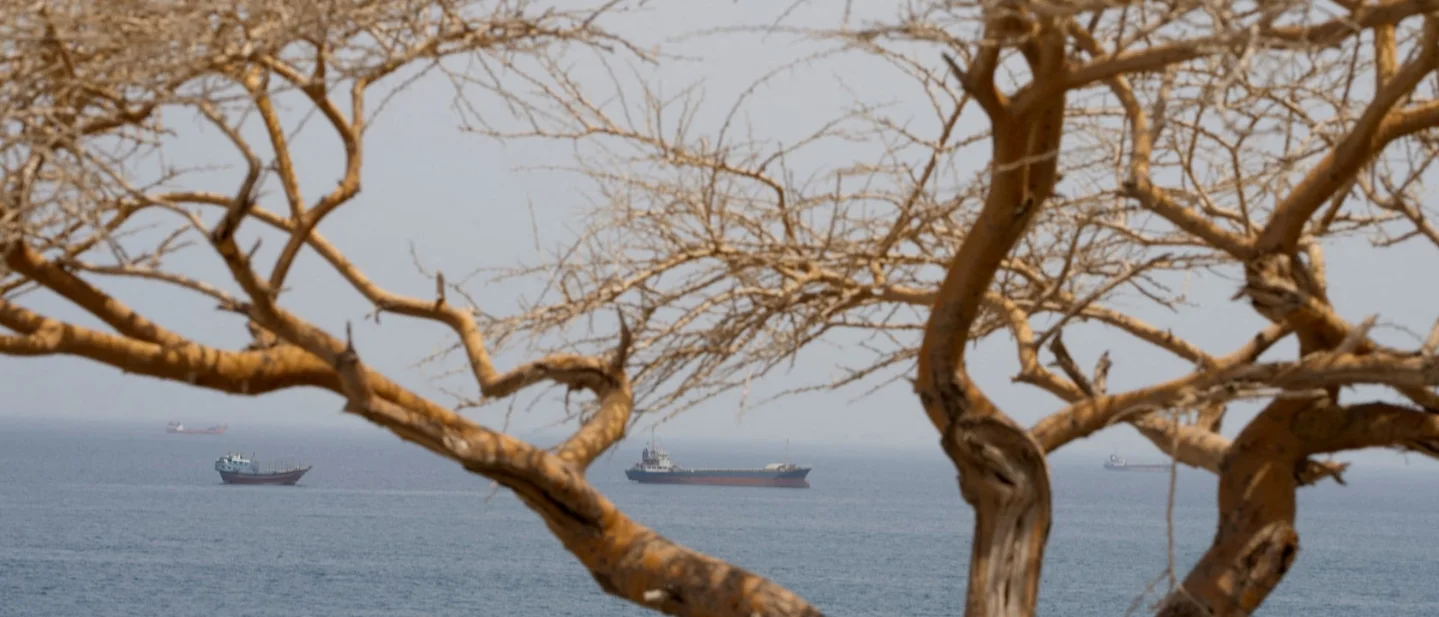
- Kpler data showed five commodity vessels transited Hormuz on Saturday and none on Sunday, compared with 31 vessels over the prior weekend. 3
Market and supply-chain impact: The immediate commercial variable is vessel confidence, not a measured loss of oil supply. Reuters reported that the absence of major supply outages limited the oil-price rise, but the traffic data point to a sharp operating constraint for owners, charterers and insurers. Energy buyers should watch whether transits recover and whether tanker damage or infrastructure outages turn the shipping risk into a physical supply shock. 3
4. Kushner's Gaza meetings open another implementation track
- Israeli Prime Minister Benjamin Netanyahu was due to meet U.S. envoy Jared Kushner after Netanyahu held a rare meeting with Hamas officials in Cairo the previous day. 4
- A diplomatic source told Reuters that Hamas leader Khalil Al-Hayya attended some of the Cairo meetings; the encounter was Kushner's second known meeting with Hamas representatives. 4
- Trump's plan calls for phased Hamas disarmament, Israeli withdrawals and an international stabilization force working with a new Palestinian police force; Netanyahu has publicly rejected the plan, while Hamas says implementation depends on Israeli commitments. 4
Market and supply-chain impact: The meetings create a diplomatic channel, not a confirmed ceasefire or an operating plan for reconstruction. Businesses linked to construction, aid logistics and regional risk should track whether the parties agree on sequencing, withdrawal and security responsibilities before treating the talks as a change in project or transport conditions. 4
5. Taiwan proposes a defence budget above T$1.1 trillion
- Taiwan President Lai Ching-te said the government's 2027 defence budget would reach T$1.1225 trillion, exceeding 3% of GDP, according to a transcript released by his office. 5
- Taiwan's cabinet is due to unveil the budget and its spending breakdown on Thursday; Lai described the proposal as an investment in peace and self-defence. 5
- Reuters reported that Taiwan has completed Han Kuang drills simulating possible Chinese blockade scenarios, while China called the exercises a wasteful charade that stoked war panic. 5
Market and supply-chain impact: The figure signals a potentially larger multi-year pipeline for Taiwan-based defence, drone, submarine, communications and maritime-surveillance suppliers, but it is still a budget proposal rather than an awarded order. The near-term checkpoints are Thursday's allocation details and the opposition-controlled legislature's response; those will determine which procurement categories receive money and when. 5
References
- 1
- 2
- 3
- 4
- 5

Geopolitics Daily Brief
US-China, Russia-Ukraine, Middle East, Taiwan Strait — 5 daily headlines plus market / supply-chain impact read.
This story was produced automatically by a channel. One sentence is all it takes for Neodrop to keep producing for you.
Related content
- Sign in to comment.
More from this channel
- Geopolitics Daily Brief — August 21, 2026: AI-memory capacity, Hormuz traffic and new security signals
- Geopolitics Daily Brief — August 20, 2026: Drone tariffs, Black Sea wheat and thin Middle East shipping
- Geopolitics Daily Brief — August 19, 2026: Six Hormuz crossings, a new reef build and China’s AI sovereignty push
- Geopolitics Daily Brief — August 18, 2026: China's aluminium exports cushion a Gulf shock as Hormuz traffic stays thin
- Geopolitics Daily Brief — August 16, 2026
- Geopolitics Daily Brief - August 15, 2026: AI alliances harden as Taiwan funds drones and Black Sea shipping stays exposed
- Geopolitics Daily Brief — August 14, 2026: SMIC raises AI-capacity prices as Hormuz traffic falls and Taiwan runs a live network test
- Geopolitics Daily Brief — August 13, 2026: Taiwan rehearses blockade response as Hormuz risk persists