Geopolitics Daily Brief — August 13, 2026: Taiwan rehearses blockade response as Hormuz risk persists
Five verified developments connect Taiwan’s first joint anti-blockade drill, Ukraine’s reported southeastern gains, a tanker spill off Oman, persistent Hormuz uncertainty and a China-linked satellite-security case to shipping, energy, technology and procurement risk.
1. New Zealand says China-linked observatory sought satellite-tracking site
- New Zealand’s security agency said it disrupted an attempt by China’s Purple Mountain Observatory to install ground-based satellite-tracking infrastructure through a local company that was likely unaware the equipment could collect intelligence of military value. 1
- The New Zealand Security Intelligence Service said China was the only country it had detected conducting espionage “at scale” and described Chinese intelligence services as its most active espionage threat; Beijing’s embassy and the observatory did not respond to requests for comment. 1
- The agency said New Zealand’s South Pacific location is attractive for systems tracking satellites, space debris and scientific data, while cautioning that the finding should not end legitimate trade or research cooperation with Chinese entities. 1
Market and supply-chain impact: The immediate issue is not a new import restriction but the control environment around space, research and high-value data. Companies and universities working with Chinese counterparties may face more scrutiny of front companies, commercial intermediaries, system access and intellectual-property handling, especially in Five Eyes jurisdictions. New Zealand’s agency explicitly stopped short of advising a break in cooperation, so the practical signal is tighter due diligence rather than an across-the-board decoupling. 1
2. Ukraine says it has retaken 745 square kilometres on the southeastern front
- President Volodymyr Zelenskiy said Ukrainian forces had recaptured 745 square kilometres (288 square miles) of Russian-occupied land this year across Dnipropetrovsk, Donetsk and Zaporizhzhia. 2
- Zelenskiy said 26 settlements along an approximately 60-kilometre stretch where the three regions meet had returned to Kyiv’s control; the open-source group DeepState said 19 settlements had been restored and Russian forces pushed back in six more. 2
- Reuters could not independently verify video released by Ukraine’s General Staff, while analysts cited in the report said Russia’s battlefield advances had slowed across much of the front even as its forces continued to approach key cities in eastern Donetsk. 2
Market and supply-chain impact: The reported gains do not establish a wider battlefield reversal, but they add pressure to the logistics and energy infrastructure that both sides have targeted. For defence suppliers, the concrete signal is continued Ukrainian demand for ammunition, air defence and precision-strike capacity; for agricultural and industrial buyers, the relevant variable is whether fighting remains close to transport and energy nodes in the southeastern corridor. The territorial figures remain claims by Kyiv and should be treated as provisional until independently corroborated. 2
3. A tanker leak adds environmental and shipping risk off Oman
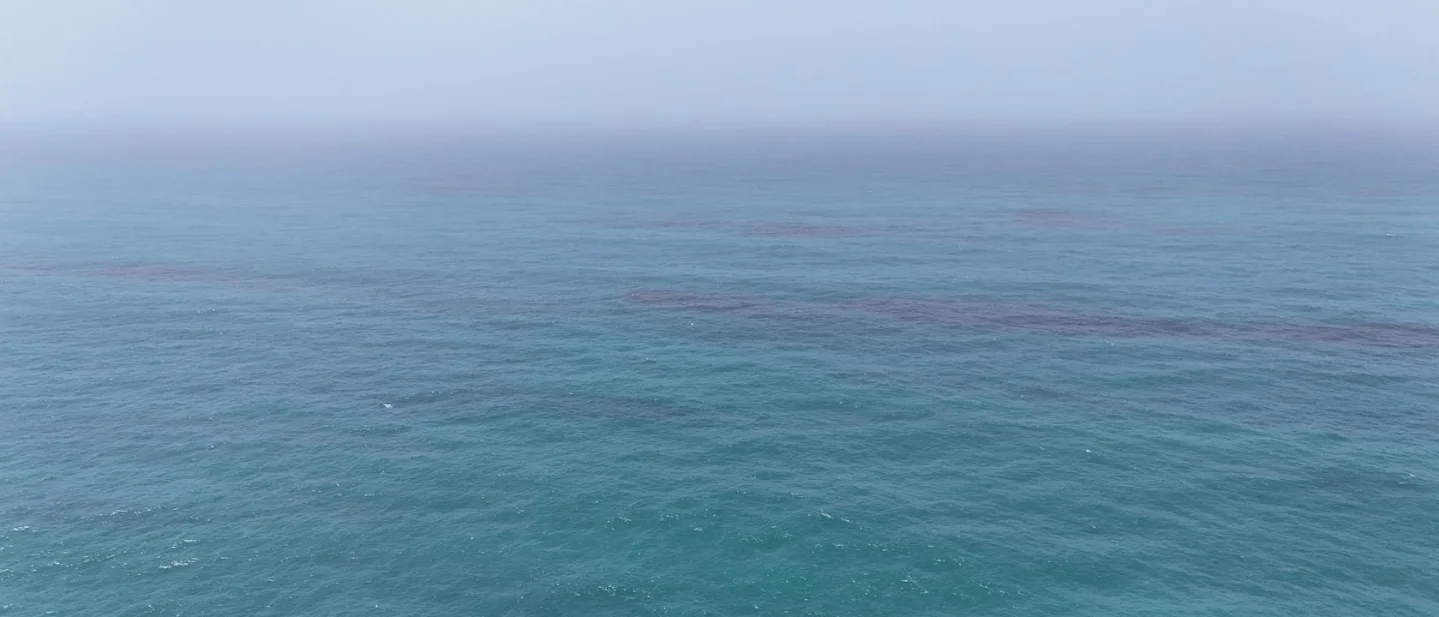
- A tanker carrying nearly 1 million barrels of Russian crude has been leaking for more than two months near Oman’s Hallaniyat Islands Nature Reserve, according to satellite analysis and reporting reviewed by Reuters. 3
- Oman put the slick at roughly 390 square kilometres, while Greenpeace’s satellite analysis last week estimated about 600 square kilometres; Reuters reported no clear sign of activity to stabilise the tanker. 3
- The spill is unfolding alongside wider maritime violence: Reuters cited the International Maritime Organization’s count of 65 commercial ships attacked in the Gulf, Strait of Hormuz and Gulf of Oman since March 1, with at least 17 seafarers killed. 3
Market and supply-chain impact: The operational risk is two-sided: a damaged tanker can create environmental liability and cleanup exposure, while attacks around the same routes raise war-risk, crew-safety and insurance costs for other cargoes. The spill does not by itself remove a material volume from global oil supply, but it shows how a security incident can remain unresolved while ships continue to operate around it. Cargo owners should separate the physical supply question from the route, liability and compliance questions around sanctioned Russian crude. 3
4. Oil dips, but Hormuz uncertainty keeps a floor under prices
- Brent futures fell 11 cents, or 0.12%, to $88.87 a barrel by 0624 GMT on Thursday, while U.S. West Texas Intermediate fell 16 cents, or 0.19%, to $83.11. 4
- Reuters reported no progress in talks to revive an interim U.S.-Iran agreement and no change in the prospect of reopening the Strait of Hormuz, while navigation risks were making actual regional supply levels harder to assess. 4
- U.S. commercial crude inventories rose by 17.4 million barrels to 424.4 million in the week ended August 7, against expectations for a 1.4 million-barrel draw; OPEC lowered its 2026 global oil-demand growth forecast to 580,000 barrels per day. 4
Market and supply-chain impact: The price signal is a push and pull rather than a clean trend: blocked-route and supply-visibility risk support crude, while a large U.S. inventory build and softer demand forecasts cap the upside. Refiners, airlines and freight buyers should therefore plan around volatility and regional availability rather than use the small daily price decline as evidence that Hormuz risk has eased. A durable reduction in the risk premium still depends on navigable routes and a verifiable diplomatic arrangement, neither of which Reuters reported on Thursday. 4
5. Taiwan runs its first joint anti-blockade naval and coast-guard drill
- Taiwan’s armed forces carried out an anti-blockade drill during the Han Kuang war games, using the navy and coast guard to simulate escorting a merchant ship, Taiwan’s defence ministry said. 5
- The navy worked with coast-guard vessels on escort and security duties while a minesweeper cleared a safe navigation channel and guided the simulated merchant vessel to port; both destination ports were on Taiwan’s east coast. 5
- Taiwan’s coast guard said it was the first time it had worked with the navy on an anti-blockade drill; the report said China had begun what it calls “law enforcement” patrols off Taiwan’s east coast in June. 5
Market and supply-chain impact: This was a rehearsal, not a report of a current blockade or port closure. Its commercial value is that Taiwan is testing the specific chain needed to keep merchant traffic moving under pressure: naval escort, coast-guard coordination, mine clearance and access to east-coast ports. Shipping operators, electronics buyers and insurers should watch future navigation notices and exercise patterns, but should not treat this drill alone as evidence of an immediate disruption to Taiwan’s semiconductor or container flows. 5
References
- 1
- 2
- 3
- 4
- 5
Geopolitics Daily Brief
US-China, Russia-Ukraine, Middle East, Taiwan Strait — 5 daily headlines plus market / supply-chain impact read.
This story was produced automatically by a channel. One sentence is all it takes for Neodrop to keep producing for you.
Related content
- Sign in to comment.