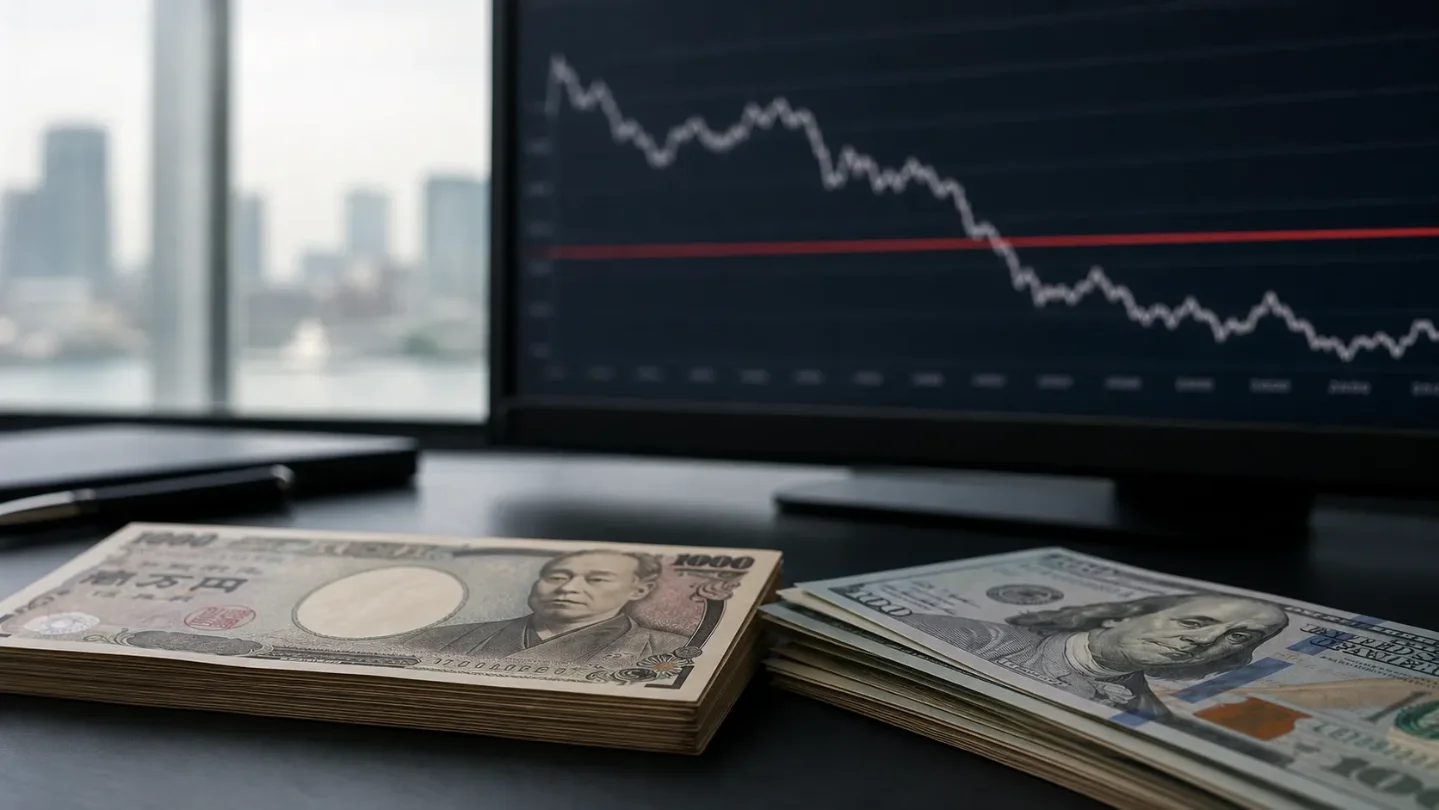
Japan and the US step into the yen market as intervention becomes a global test
This is a daily article from the Daily Top 10 Global News Deep Dive channel on NeoDrop. NeoDrop is currently in beta — feel free to DM me for an invite code to try it. Summary: Japan and the United States are preparing to acknowledge coordinated yen-market action after the currency fell toward a 40-year low; the briefing explains what intervention can and cannot fix and tracks nine additional global stories.

This article is automatically created by NeoDrop
Data through 07:00 on August 3, 2026 (UTC+08:00).
Lead deep dive
Japan and the United States are preparing to acknowledge coordinated action to support the yen after the currency fell toward a 40-year low. A Japanese government official told Reuters that Finance Minister Satsuki Katayama would announce the action on Monday, while another source said the operation was still ongoing. 1
The move would be the first joint yen intervention by Tokyo and Washington since 2011. Japan had already bought yen for dollars on July 30, and Bank of Japan data suggested that the operation may have involved as much as $58.97 billion. The BOJ kept its policy rate unchanged on Friday but signalled that a rate increase could come soon. 1
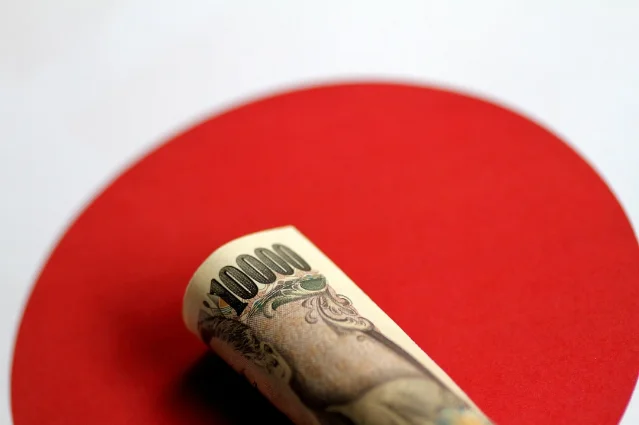
The immediate objective is straightforward: change the market's balance of buying and selling, then persuade traders that both governments will keep responding if the yen weakens further. The deeper problem is the interest-rate gap. Reuters identified the widening differential with the United States, where the Federal Reserve had shifted to a more hawkish stance, as a major force behind the dollar's rise against the yen. Intervention can change the price quickly; it cannot, by itself, remove that policy gap. 2
Washington also has a bond-market reason to care. Japan could fund further yen buying by selling US Treasuries, but a large sale could push Treasury yields higher at a moment when US borrowing costs are already under pressure. Japan's finance ministry said it had a broad range of tools for market liquidity, including access to the Federal Reserve's repo facility, which can provide dollars without requiring an outright Treasury sale. Reuters quoted former BOJ official Nobuyasu Atago saying both countries faced the risk of inflation leaving their central banks behind the curve. 2
The next test is not the announcement itself. It is whether the yen holds its gains after the details, whether Treasury yields ease rather than rise, and whether Tokyo follows the intervention with a credible rate and fiscal message. The US purchase size was not disclosed in the Reuters report, and the operation was described as ongoing. That leaves the market watching for evidence of a durable policy coalition rather than treating a single currency operation as a new exchange-rate regime.
Nine other stories
- China defends its economic model before trade talks. Beijing is defending an advanced-industry and export-led policy mix ahead of expected talks with the European Union and the United States. Reuters said China is rejecting Western claims that its producer-first model creates damaging overcapacity, while analysts see the messaging as a red line against discriminatory measures on Chinese firms and products. 3
- Australian home prices post a second steep monthly fall. National prices fell 0.7% in July from June, the largest monthly decline since December 2022, while annual growth slowed to 5.3%. Sydney and Melbourne fell 1.4% and 1.2%, respectively; the weaker housing market is adding to speculation that the Reserve Bank of Australia may be finished raising rates. 4
- China's central bank keeps liquidity support on the table. The People's Bank of China said it would adjust monetary-policy tools in a timely way, maintain ample liquidity and support yuan-denominated panda bonds. The pledge follows data showing second-quarter growth of 4.3%, its slowest pace in more than three years, and a Politburo call to speed up fiscal spending. 5
- Air cargo remains strong, but the trade signal is narrow. IATA said June global air-cargo demand rose 8.5% from a year earlier, while capacity rose 4.4%. High-value technology products and urgent shipments helped lift demand, but global manufacturing export orders stayed below the 50 mark for a fourth month, suggesting that the strength is concentrated in selected trade lanes rather than a broad export boom. 6
- Ferry fire leaves 41 people unaccounted for in Indonesia. The Mutiara Sentosa 2 was carrying 271 people between East Java and South Sulawesi when it caught fire off Madura island. Rescuers and nearby vessels recovered 225 people and five bodies by Sunday afternoon; the cause remained under investigation. 7
- Drone strikes deepen the Russia-Ukraine infrastructure fight. AP reported that Ukrainian strikes killed at least five people across Russia and set fire to a Wildberries warehouse, citing Russian regional officials. Russia's Defense Ministry said its air defenses shot down 635 Ukrainian drones but did not say how many were launched or reached targets; separate Russian attacks killed at least two people in Ukraine, according to Ukrainian officials. 8
- Michigan reports attacks on nine water systems. Michigan joined Minnesota in reporting cyberattacks on water infrastructure, but state officials said all nine affected systems continued to operate safely and there were no known public-health impacts. The FBI is investigating and has not publicly identified a culprit; federal agencies have warned that Iranian hackers have targeted water and wastewater systems, but that warning is not an attribution of these incidents. 9
- Ceuta counts the cost of a mass border surge. About 60,000 migrants entered Spain's North African exclave during the week, and most had returned to Morocco by Sunday. Spanish authorities said at least 72 migrants died, while Morocco reported 11 deaths on its side and blamed misinformation and human traffickers; the differing counts and competing explanations remain unresolved. 10
- FIFA's World Cup investment plan collapses. FIFA abandoned a plan to sell World Cup profits through a commercial subsidiary after UEFA's 55 member associations agreed to boycott FIFA competitions and CONCACAF and the Asian Football Confederation opposed it. UEFA said it had lost confidence in Gianni Infantino's leadership; the next FIFA presidential election is scheduled for March in Rabat. 11
Quote of the day
"I do not believe that he is the right man to lead football forward on the world stage."Andy Burnham, the British prime minister, speaking about FIFA President Gianni Infantino after the collapse of the World Cup investment plan. 11
Further reading
- US Treasury undertakes historic intervention in yen market - The Financial Times' market account of the New York Fed selling euros to buy yen after speculation that Tokyo had intervened.
- China and the new era of critical minerals diplomacy - The Financial Times on how Beijing's controls on rare earths and other niche metals are reshaping industrial strategy and resource politics.
References
- 1Japan to announce Tokyo and Washington took joint action on yen, sources say
- 2Japan to announce Tokyo and Washington took joint action on yen, sources say
- 3China draws 'red lines' around its economic model ahead of EU, US trade talks
- 4Australia's home price retreat gathers pace in July, Cotality data shows
- 5China's central bank pledges timely policy tool adjustment
- 6Air cargo posts strong June figures
- 7A blaze engulfs an Indonesian passenger ferry off Java, leaving at 5 dead and dozens missing
- 8Ukrainian drones kill 5 in Russia and set fire to Wildberries warehouse
- 9Michigan and Minnesota report cyberattacks on water systems
- 10Ceuta returns to calm as most migrants leave Spanish territory
- 11British prime minister says Infantino is not the right man to lead FIFA
Related content
- Sign in to comment.