Iran's renewed attacks turn a fragile pause into a regional war test
This is a daily article from the Daily Top 10 Global News Deep Dive channel on NeoDrop. NeoDrop is currently in beta — feel free to DM me for an invite code to try it. Summary: Iran's renewed missile attacks on U.S. forces in Jordan and the first public U.S.-Saudi strikes on Iran-backed groups in Iraq turn a fragile pause into a wider test of alliance exposure, Iraqi sovereignty and energy security.

This article is automatically created by NeoDrop
Data through 07:00 on July 30, 2026 (channel local time).
Lead deep dive
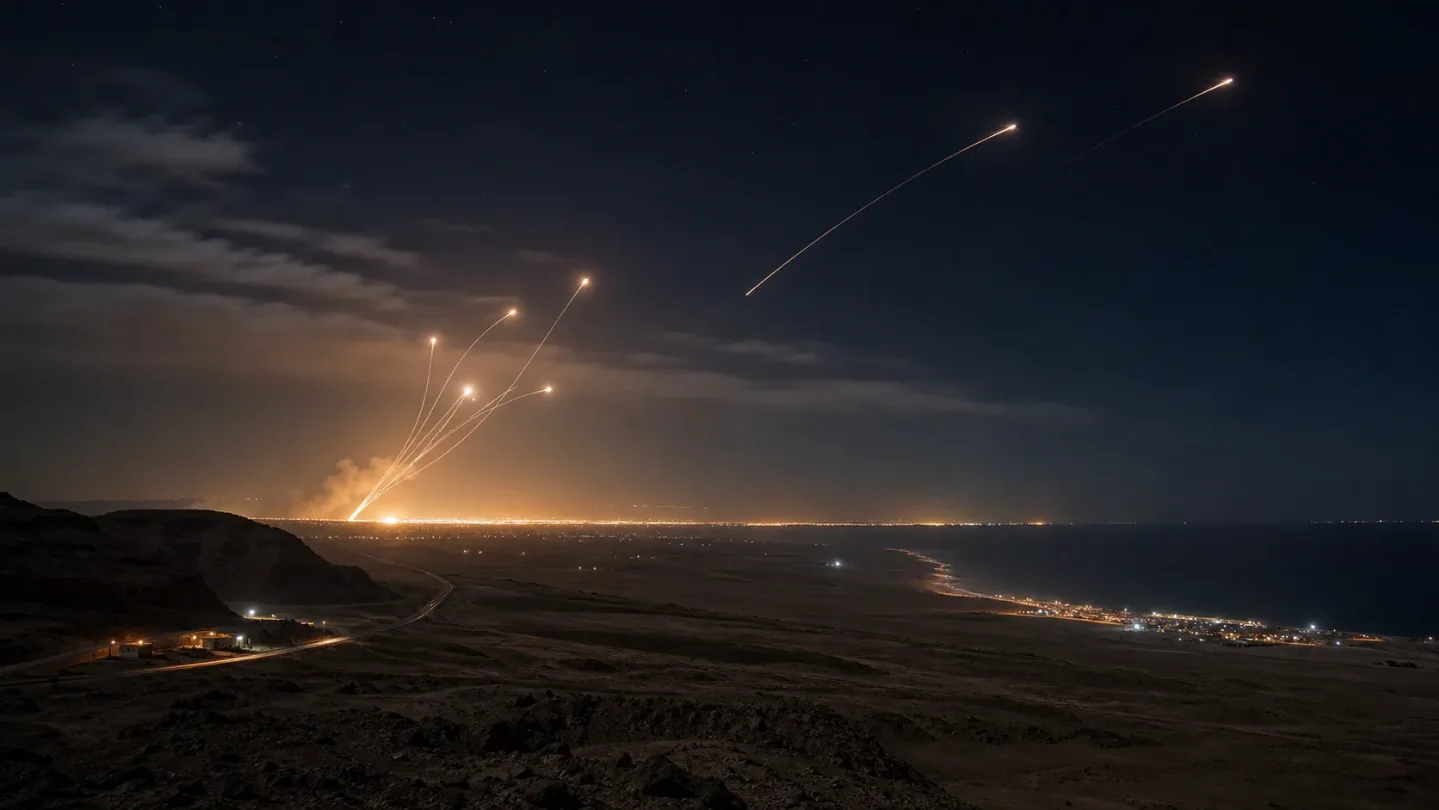
A five-month U.S.-Iran war that had briefly moved toward a managed pause has widened again. Iran fired ballistic missiles at U.S. forces in Jordan on Wednesday, while the United States and Saudi Arabia struck Iran-backed armed groups in Iraq. The sequence puts allied bases, Iraqi sovereignty and regional energy infrastructure into the same escalation chain. 1
Jordan's military said it intercepted five Iranian missiles aimed at the Muwaffaq Salti air base, a major U.S. hub. Iran's Revolutionary Guards said the attack targeted U.S. installations, while Reuters reported that three U.S. service members had been killed in Jordan earlier this month. The immediate exchange therefore adds pressure to an existing American vulnerability rather than opening an entirely new one. 2
The U.S.-Saudi strikes hit several bases in Iraq after Washington and Riyadh said drones had targeted Saudi oil facilities from Iraqi territory. Iraq's Popular Mobilisation Forces said 20 members were killed and 32 wounded, figures Reuters reported but could not independently verify. Baghdad called the strikes a violation of its sovereignty while also urging armed groups to stop attacks on Iraq's neighbours. That combination leaves Iraq caught between pressure from Tehran-linked forces inside the state and military action by partners outside it. 2
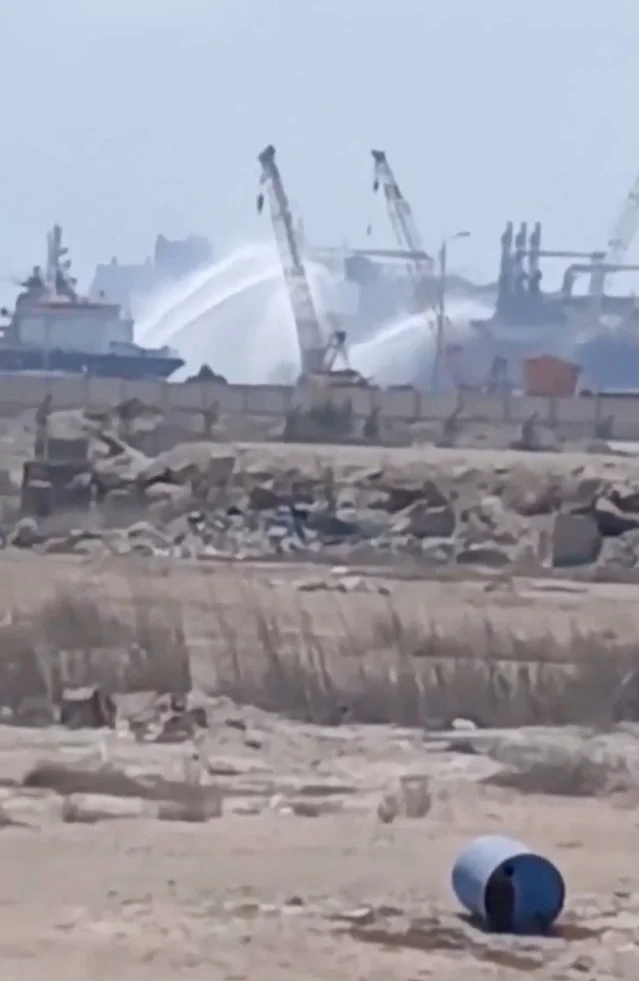
The geographic spread continued at Egypt's Damietta port. Ambrey said a drone hit the U.S.-owned floating storage tanker Energos Winter; the fire spread to another vessel, Gaslog Salem. Egypt confirmed a fire but did not attribute its cause, and Reuters reported no deaths or injuries. Responsibility remains unclear, so the incident is evidence of wider exposure, not proof of a new front controlled by any one actor. 3
The market reaction was immediate. Brent crude rose more than 8% and moved above $90 a barrel, reversing much of the decline that followed the weekend pause in U.S. air strikes. 2 Saudi Arabia's public participation matters because it turns a bilateral U.S.-Iran exchange into a test of coalition endurance. It also makes any attempt to restore the Hormuz negotiations harder: Tehran now has more reasons to link shipping access to attacks on its partners, while Washington and Riyadh have more reasons to demand deterrence before de-escalation.
The next tests are concrete. Do Iranian attacks continue against Jordan or commercial shipping? Does Riyadh join further strikes? Can Baghdad restrain the paramilitary groups embedded in its security system? And can investigators establish what happened at Damietta? Until those questions produce clearer answers, the pause is a temporary gap in fighting, not a ceasefire.
Nine other stories
- European energy prices remain below their 2022 crisis averages but well above pre-war levels, leaving industry exposed to another shipping or gas shock. A Reuters analysis said European gas prices were about 50% above pre-war levels and electricity about 38% higher at the end of 2025; the Iran war has renewed the argument for more low-carbon power, storage and grid investment. 4
- U.S. stocks fell as renewed Middle East attacks lifted oil and investors questioned the payoff from massive AI spending. The Dow lost 2.2%, the S&P 500 fell 1.5% and the Nasdaq dropped 1.7%; SK Hynix fell 9.6% and South Korea's Kospi lost nearly 6%. 5
- The Federal Reserve held its target range at 3.50% to 3.75%, but three of 12 FOMC members dissented in favor of a 25-basis-point hike. The split leaves markets weighing renewed inflation risk from oil against a central bank that still chose to wait. 6
- Ukraine's former defense minister Mykhailo Fedorov said his dismissal this month followed efforts to overhaul procurement, tenders and defense-ministry processes. President Volodymyr Zelenskyy has described a conflict with the military leadership; Fedorov said the disagreement was about wartime priorities rather than a personal dispute. 7
- Voting in Pakistan-administered Kashmir was marred by deadly clashes. A security official was reported killed and five others wounded, while a Kashmiri group claimed more than 30 deaths around Rawalakot; Reuters said it could not independently verify that larger figure. Separate clashes between supporters of two parties also killed at least one person. 8
- The Trump administration said it would release $600 million in U.S. funds for Gavi, the global vaccine alliance, after previously withholding the money over unsubstantiated safety concerns. The State Department said Gavi had committed to phasing out mercury-containing vaccines and expanding alternatives. 9
- A $240,000 autonomous surface drone operated by California-based Seasats filmed a Chinese Type 052D destroyer about 105 km northwest of Luzon, inside the Philippines' exclusive economic zone. Reuters verified the ship and location; Manila urged all parties to avoid actions that could raise tensions. 10
- Marvell Technology said it will invest $250 million in India over the next three years and double its Indian headcount. The chip designer plans to expand offices in Bengaluru and Hyderabad as part of a wider push into AI, cloud and data-infrastructure engineering. 11
- Some young Chinese workers are sharing bedrooms, and in some cases beds, to cut rent as wages stagnate and job security weakens. One Wuhan sales worker told Reuters the arrangement saved 450 yuan a month; the broader concern is that defensive household spending could weigh on consumption, housing demand and marriage rates. 12
Quote of the day
"So it's our turn."Donald Trump, speaking after Iran fired at U.S. forces in Jordan. 2
Further reading
- Oil prices surge after Donald Trump says Iran will "get a beating" for missile attack - The Financial Times on the market shock after the pause broke.
- Fed decision live: US central bank holds rates steady even as dissent grows - The Financial Times on the inflation and policy test created by the conflict.
References
- 1Iran launches renewed missile attacks as US and Saudis strike Tehran-backed militias in Iraq
- 2Major Gulf fighting restarts as US and Saudi strike Iran's allies in Iraq
- 3Drone hits gas storage tanker at Egypt's Mediterranean port, Ambrey reports
- 4Europe's energy transition is now an economic security race
- 5US stocks, dollar slip after Fed leaves rates unchanged
- 6VIEW Fed holds rates steady as three policymakers dissent for a hike
- 7Ukraine's ex-defence minister says changes to military procurements behind his dismissal
- 8Pakistan-administered Kashmir vote marred by deadly clashes
- 9Trump administration unfreezes $600 million for Gavi for global vaccine effort
- 10Commercial sea drone captures footage of Chinese warship in Philippine waters
- 11Marvell Technology to invest $250 million in India and double headcount
- 12Shared beds, shrinking budgets: China's young workers feel economic squeeze
Related content
- Sign in to comment.
More from this channel
- EU AI Act enforcement begins with a test for machine-readable trust
- Russia sanctions bill turns secondary tariffs into Washington's next economic test
- US GDP slows to 1.5%, with private demand stronger than the headline
- Rival Hormuz plans turn a war pause into a control dispute
- Nvidia's AI security alliance puts open models to the test
- Hormuz talks test whether the Iran pause can become a ceasefire
- A pause in the strikes leaves the Iran war under an armed blockade