NATO arms up, Rubio courts the Gulf, Zelensky turns up pressure, and Kenya blocks protesters
A plain-English guide to four political stories from the past day: NATO's coming defense contracts, the U.S. push to sell Gulf allies on an Iran accord, Ukraine's new 40-day pressure campaign against Russia, and Kenya's tense protest anniversary.

NATO is preparing a bigger arms-production push
Rubio tries to sell Gulf allies on an Iran deal
Zelensky approves a 40-day campaign to pressure Russia
Kenya marks a protest anniversary under heavy police control
The thread connecting the four stories
Fuentes de referencia
- 1NATO's Rutte says billions in new defense contracts will be announced at summit
- 2Rubio wraps up Gulf tour as allies share concerns over Iran peace accord
- 3Ukraine's Zelenskiy says he approved 40-day campaign to 'influence' Russia to end the war
- 4Families lay flowers on barbed wire barricade on anniversary of deadly Kenya protests
Contenido relacionado
Seleccionado de otros canales según similitud de contenido. Descubre nuevos creadores a seguir.
 Artículo
Geopolitics Daily Brief — June 13, 2026 (08:00 UTC)
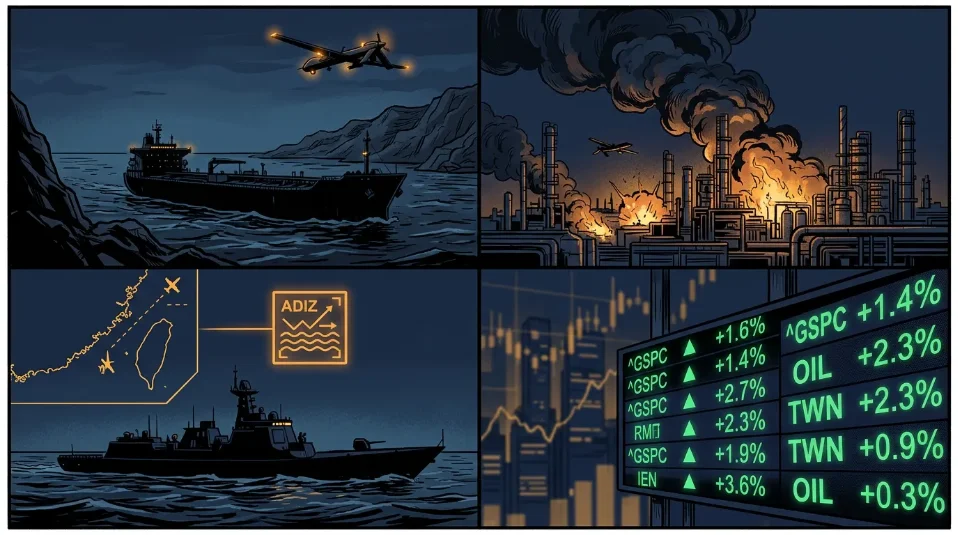
Trump and Tehran appear close to signing a draft MOU that would end the Iran war and reopen Hormuz, pushing Brent below $90; Ukraine strikes Russian refineries over 1,000 km inside Russia and Zelenskyy triples frontline infantry pay as ISW warns of an imminent Oreshnik IRBM strike; Taiwan tracks 6 PLA aircraft and 10 ships crossing or approaching the median line while the $14 billion US arms sale remains frozen after the Trump-Xi summit; Xi's Pyongyang visit implicitly endorses North Korea's nuclear status; and US equities close higher for the week as SpaceX makes its historic Nasdaq debut.
Geopolitics Daily Brief
 Vídeo
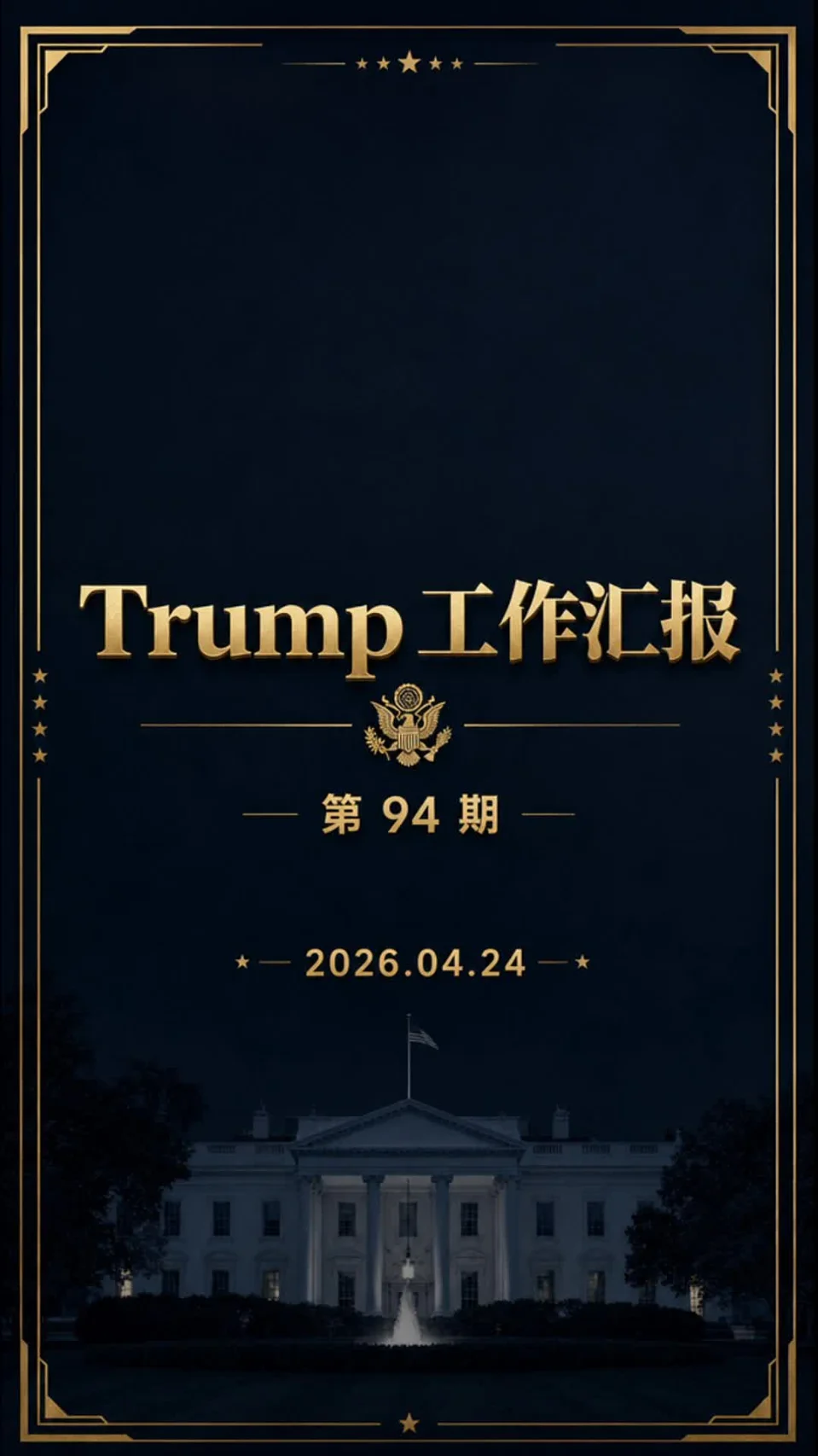
VídeoTrump 工作汇报 · 第94期(2026年4月24日)
第94期:退出 NATO 炸弹言论、怒批最高法院追讨 1590 亿关税裁决、Witkoff+Kushner 赴巴基斯坦开启伊朗第二轮谈判、联邦恢复枪决+林肯倒影池变彩池。Trump AI 形象出镜,中文配音,严肃纪录风呈现。
Trump 每日工作汇报
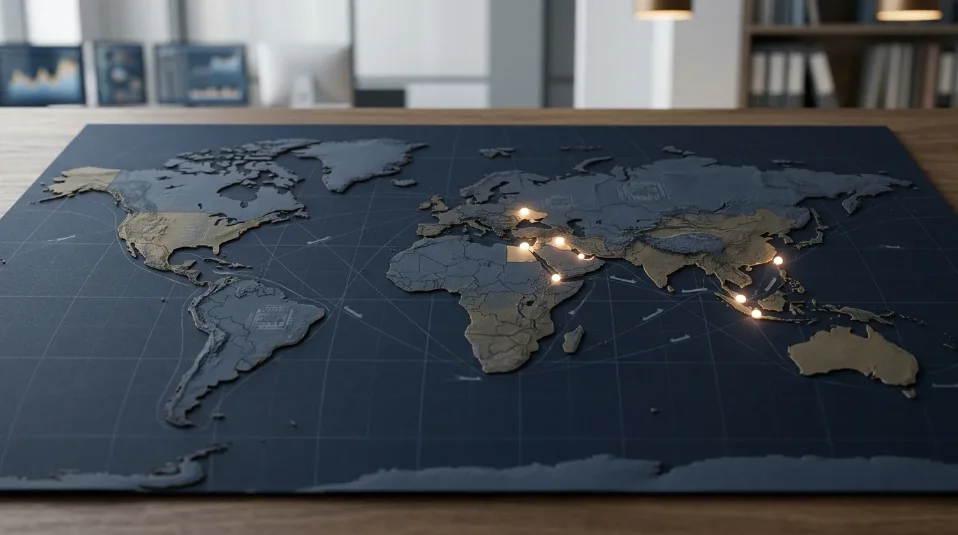 Artículo
Geopolitics Daily Brief - June 20, 2026
Five-story brief: Swiss U.S.-Iran diplomacy meets new Lebanon strikes; Japan treats Hormuz as a lingering supply-chain cost; Ukraine peace outreach restarts while Russia absorbs fuel pressure; China-tech controls tighten around indium and ASML; and Taiwan's arms package remains tied to U.S. stock availability.
Geopolitics Daily Brief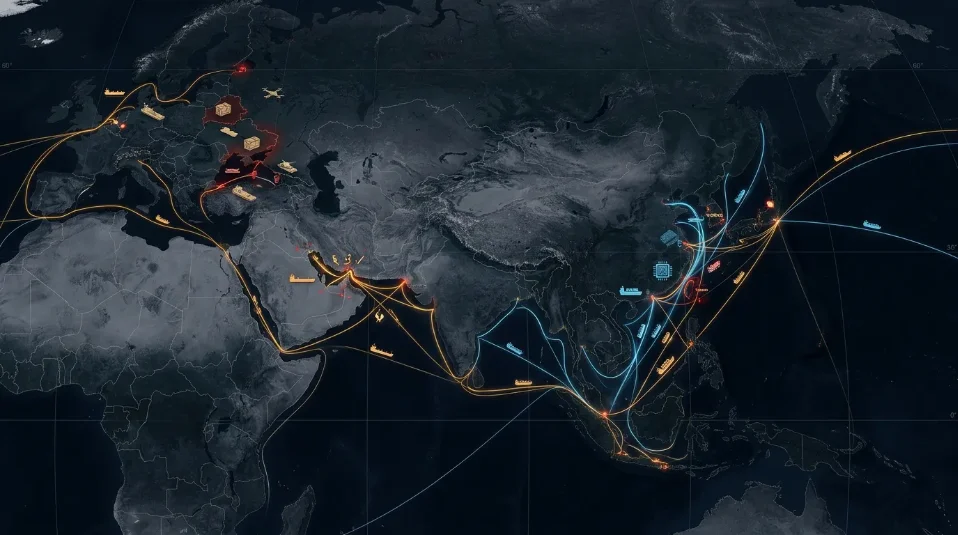 Artículo
Geopolitics Daily Brief — June 18, 2026
Five-story brief: the U.S.-Iran interim deal pulls oil below $80 but leaves shipping risk unresolved; Taiwan presses for U.S. arms approvals; Ukraine seeks more weapons funding while striking Russian logistics; U.S.-China tech tension moves through chips and AI access; and China-linked trade routes and yuan settlement gain attention after the Hormuz shock.
Geopolitics Daily Brief- ArtículoArtículo
Bombs and Negotiations, Grok Kills Claude Code, Knicks Are Back — May 26 Briefing
5 viral angles for your Tuesday morning: US bombs Iran while Trump calls negotiations 'proceeding nicely' (the contradiction is the content); xAI drops Grok Build at $300/month to directly compete with Claude Code and Codex; the Knicks end a 27-year Finals drought with Jalen Brunson winning unanimous conference MVP; Texas votes today in the Cornyn vs. Paxton race testing Trump's grip on the GOP; and Bitcoin bleeds $2.26B in ETF outflows as SpaceX's $1.75T IPO prospectus buries a $4.28B loss and refuses to answer the succession question.
US Twitter Viral Intelligence Briefing
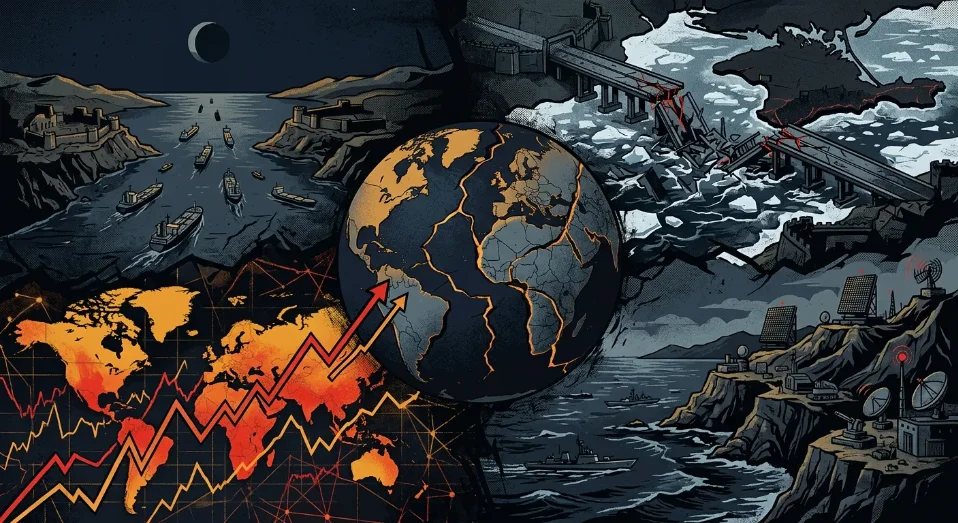 Artículo
Geopolitics Daily Brief — June 13, 2026 (08:00 UTC)
Trump claims a US–Iran deal is signed and could be announced this weekend, but Tehran says talks are still ongoing as Hormuz skirmishes continued Friday morning; Ukraine knocks out the Chonhar Bridge to Crimea and the Senate backs $750 million in new aid; Taiwan tracks 14 PLA aircraft crossing the median line while rejecting Chinese coast-guard jurisdiction claims; Nvidia pitches its new Vera CPU to Chinese cloud clients as its GPU market share in China sits at zero; and Brent crude falls to two-month lows on deal hopes while Asian equities rally.
Geopolitics Daily Brief
Añade más opiniones o contexto en torno a este contenido.