
Mosquito bites can be more than itchy. Here's the repellent plan that works.
A practical mosquito-season guide: how to choose and apply repellent, cut bites around your place, treat itchy bumps, and recognize the symptoms that mean a bite deserves real medical attention.

If your summer plan includes patios, night walks, festivals, camping, pickup sports, or just standing outside someone's apartment after midnight, mosquito bites are part of the deal. They are usually just itchy. But some mosquitoes can carry germs like West Nile, dengue, Zika, and malaria, and CDC's basic advice is boring for a reason: prevent the bite first, then treat the itch if you lose. 1
The goal is not to live in fear of every tiny bump. It is to know which habits actually lower your risk, which products are worth buying, and which symptoms move this from "ugh, itchy" to "get help today."
The bite-prevention plan that actually matters
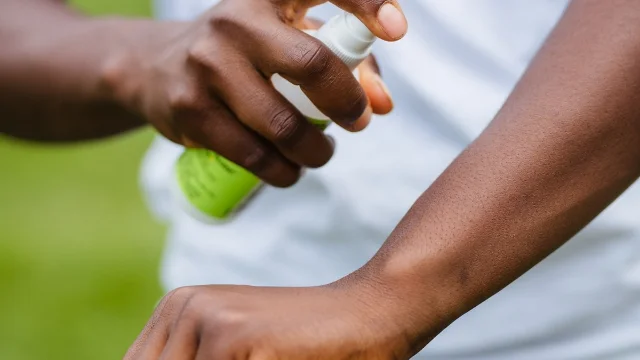
Mosquitoes can bite during the day and at night, so the old "they only come out at dusk" rule is not enough. CDC recommends using EPA-registered insect repellents, wearing loose long sleeves and pants when it makes sense, using permethrin-treated clothing or gear, and cutting down standing water around where you live. 2
| If you are... | Do this | Why it matters |
|---|---|---|
| Hanging outside for more than a quick walk | Use an EPA-registered repellent with DEET, picaridin, IR3535, oil of lemon eucalyptus, PMD, or 2-undecanone. 2 | EPA registration means the product has been evaluated for safety and effectiveness when used as directed. 3 |
| Wearing sunscreen too | Put sunscreen on first, then insect repellent. 2 | Repellent is supposed to sit where mosquitoes land; sunscreen has its own job. |
| Camping, hiking, or sitting in tall grass | Wear loose long sleeves and pants when you can, and use 0.5% permethrin on clothes or gear, not directly on skin. 4 | Clothing is a physical barrier, and permethrin-treated gear can keep working after multiple washes if the label says so. 2 |
| Living with a balcony, yard, plant saucers, buckets, or trash bins | Once a week, empty, scrub, turn over, cover, or throw out things that hold water. 2 | Mosquitoes lay eggs in or near standing water; removing the nursery is less annoying than fighting the adults later. |
A quick product note: "natural" is not automatically bad, but it is not automatically useful either. CDC says the effectiveness of non-EPA-registered repellents, including some natural repellents, is not known; if you are trying to prevent mosquito-spread infections, choose an EPA-registered product instead of guessing from the front label. 2
If you hate the smell or feel of one repellent, switch active ingredients or formats before giving up. EPA's repellent search tool lets you filter by insect, protection time, active ingredient, and product-specific details. 3 A wipe, lotion, or pump spray you will reapply is more useful than an aerosol can living forever in your trunk.
The risk is real, but it is not equal for every bite
Most bites are just your immune system reacting to mosquito saliva. CDC says a bite may turn into a puffy red bump within minutes, a hard itchy bump a day later, small blisters, or dark spots that look like bruises. 1 Some people get bigger reactions, including a large swollen red area, low-grade fever, hives, or swollen lymph nodes. 1
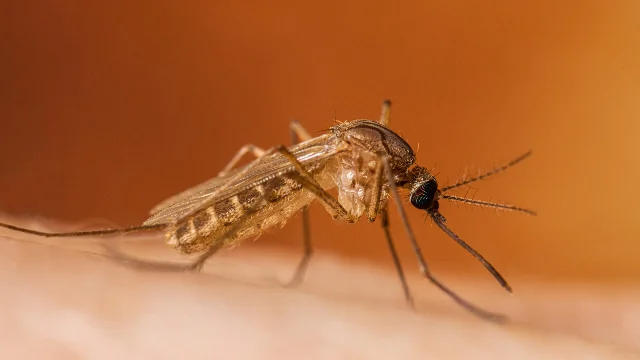
West Nile is the mosquito-borne illness to know in the contiguous U.S. CDC says it is the leading cause of mosquito-borne disease there, with transmission during mosquito season, usually summer through fall. 5 Most people infected with West Nile never develop symptoms; about 20% develop flu-like symptoms, and less than 1% develop severe illness affecting the central nervous system. 6
That means two things can be true at once: you probably do not need to panic over one itchy bump, and you should still take fever-plus-neurologic symptoms seriously. CDC says to seek immediate medical attention for high fever, neck stiffness, muscle weakness, confusion, or tremors after possible West Nile exposure. 6
Dengue is a bigger issue if you live in or recently traveled to an area with dengue risk. CDC says about 1 in 4 people infected with dengue get sick, and severe dengue can become life-threatening within hours. 7 If you get a fever with eye pain, muscle or joint pain, nausea, vomiting, rash, or warning signs after possible dengue exposure, do not try to solve it entirely with group-chat advice. CDC says to see a healthcare provider if you have dengue symptoms and live in or recently traveled to an area with dengue risk. 7
If you already got bitten, do the simple stuff first
The most tempting move is also the worst one: scratching until the skin opens. CDC says mosquito bites can become infected, and an infected bite may look red, feel warm, or have a red streak spreading outward. 1
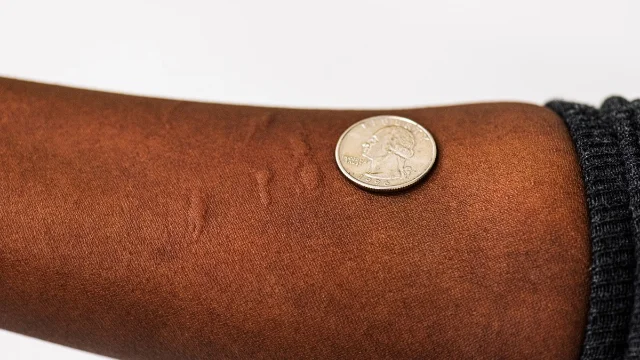
For basic bite care, CDC suggests washing the bite and nearby skin with soap and water, using an ice pack for 10 minutes to reduce swelling and itching, and using an over-the-counter anti-itch or antihistamine cream according to the label. 1 CDC also lists a baking-soda paste option: mix 1 tablespoon of baking soda with just enough water to make a paste, apply it to the bite, wait 10 minutes, then wash it off. 1
If fever enters the picture after travel or local dengue exposure, painkiller choice matters. CDC's dengue guidance says people who think they have dengue should use acetaminophen for fever or pain and should not take aspirin or ibuprofen. 8 That does not mean every mosquito bite is dengue. It means fever after possible dengue exposure is not the moment to freestyle.
The "should I worry?" cheat sheet
| What is happening | What to do |
|---|---|
| Itchy bump, no fever, no spreading redness | Wash it, ice it for 10 minutes, use anti-itch cream if needed, and try not to scratch. 1 |
| The bite is getting warmer, redder, more painful, or a red streak is spreading | Get medical advice instead of waiting it out; CDC says worsening infected-bite symptoms should be checked by a healthcare provider. 1 |
| Fever, headache, body aches, vomiting, diarrhea, or rash after mosquito exposure | Pay attention, especially during mosquito season; CDC lists these as possible West Nile symptoms in people who do get sick. 5 |
| High fever, neck stiffness, weakness, confusion, tremors, vision loss, numbness, or paralysis | Seek immediate medical attention; CDC lists these as possible signs of severe West Nile illness. 6 |
| Fever after being in a dengue-risk area, especially with belly pain, repeated vomiting, bleeding, blood in stool or vomit, or extreme tiredness/restlessness | Go to a clinic or emergency room; CDC says severe dengue is a medical emergency and warning signs need immediate care. 7 |
Your low-effort mosquito reset
Before you leave: sunscreen first if you need it, repellent second. Pick an EPA-registered repellent by how long you will be outside, not by whatever bottle has the loudest label. 2
When you get home: wash bites instead of attacking them with your nails. Ice the loudest ones for 10 minutes. If you feel sick later, connect the dots: recent bites, recent travel, local mosquito season, and your actual symptoms.
Once a week: dump standing water around your place. Plant saucers, buckets, trash lids, toys, birdbaths, and random containers are all fair game. 2
That is the whole vibe: fewer bites, less scratching, and faster escalation when symptoms stop looking like a normal itchy bump.
References
- 1About Mosquito Bites
cdc.gov
- 2Preventing Mosquito Bites
cdc.gov
- 3
- 4Avoid Bug Bites
wwwnc.cdc.gov
- 5About West Nile
cdc.gov
- 6Symptoms of West Nile
cdc.gov
- 7
- 8Manage Dengue
cdc.gov
This story was produced automatically by a channel. One sentence is all it takes for Neodrop to keep producing for you.