Geopolitics Daily Brief: June 28, 2026
Five-story brief: Apple’s CXMT chip waiver request sharpens U.S.-China technology-control risk; Ukraine hits another Russian refinery; Iran-U.S. attacks pull Hormuz back into focus; Israel-Hezbollah fighting tests Lebanon ceasefire enforcement; and Taiwan’s drone-budget delay exposes procurement risk around Strait defense.
The weekend brief is led by a shipping-security shock in the Gulf, but the commercial read-through is broader: U.S. technology controls, Russian fuel logistics, Lebanon ceasefire enforcement and Taiwan drone procurement all moved in ways that affect procurement risk rather than only headline risk.
1. U.S.-China tech: Apple seeks a chip waiver while AI controls stay selective
Three-line summary
- Apple is lobbying the Trump administration for clearance to buy memory chips from ChangXin Memory Technologies, a Chinese company on the Pentagon blacklist, the Financial Times reported, according to Reuters. 1
- Reuters said U.S. companies cannot ship goods, software or technology to firms on the Commerce Department Entity List without a license, which is likely to be denied. 1
- In the same technology-control lane, the U.S. government allowed Anthropic to release its Claude Mythos 5 model to more than 100 vetted U.S. organizations after a national-security suspension. 2
Market / supply-chain impact: The immediate pressure point is memory pricing. Apple told customers it had raised iPad and MacBook prices because it could no longer absorb rising memory and storage chip costs, and the CXMT request shows how fast commercial supply constraints can run into national-security licensing rules. 1 For enterprise AI buyers, the Anthropic decision keeps access open for a narrow set of critical-infrastructure users, but it leaves a two-tier market for frontier models until Washington defines a broader release system. 2
2. Russia-Ukraine: Kyiv hits another refinery in southern Russia
Three-line summary
- Ukrainian drones struck Russian targets overnight, including an oil refinery in the southern Krasnodar region, local authorities said. 3
- Krasnodar governor Veniamin Kondratiev said a fire broke out at the Slavyansk-na-Kubani refinery and that one person was killed and another injured in a nearby village. 3
- Reuters described Slavyansk as a private plant with capacity of about 100,000 barrels per day that supplies fuel for domestic use and export. 3
Market / supply-chain impact: The strike adds to the fuel-logistics pressure inside Russia, where Reuters said Ukrainian attacks on energy infrastructure have already caused acute fuel shortages in parts of the country. 3 A 100,000-barrel-per-day refinery is not systemically decisive on its own, but repeated hits on regional fuel assets raise costs for domestic distribution, export scheduling and military logistics.
3. Gulf and Iran: tanker strikes pull Hormuz risk back into the foreground
Three-line summary
- Iran and the United States continued attacks in the Gulf while each accused the other of violating an interim agreement signed less than two weeks ago. 4
- Reuters reported that U.S. forces struck Iranian military surveillance, communications, air-defence, drone-storage and mine-laying facilities after a Panama-flagged tanker was attacked by an Iranian drone. 4
- Iran said it launched missile and drone operations targeting U.S. military sites in Kuwait and Bahrain; a U.S. official told Reuters there were no reported U.S. casualties or major damage to U.S. sites while the situation was still unfolding. 4
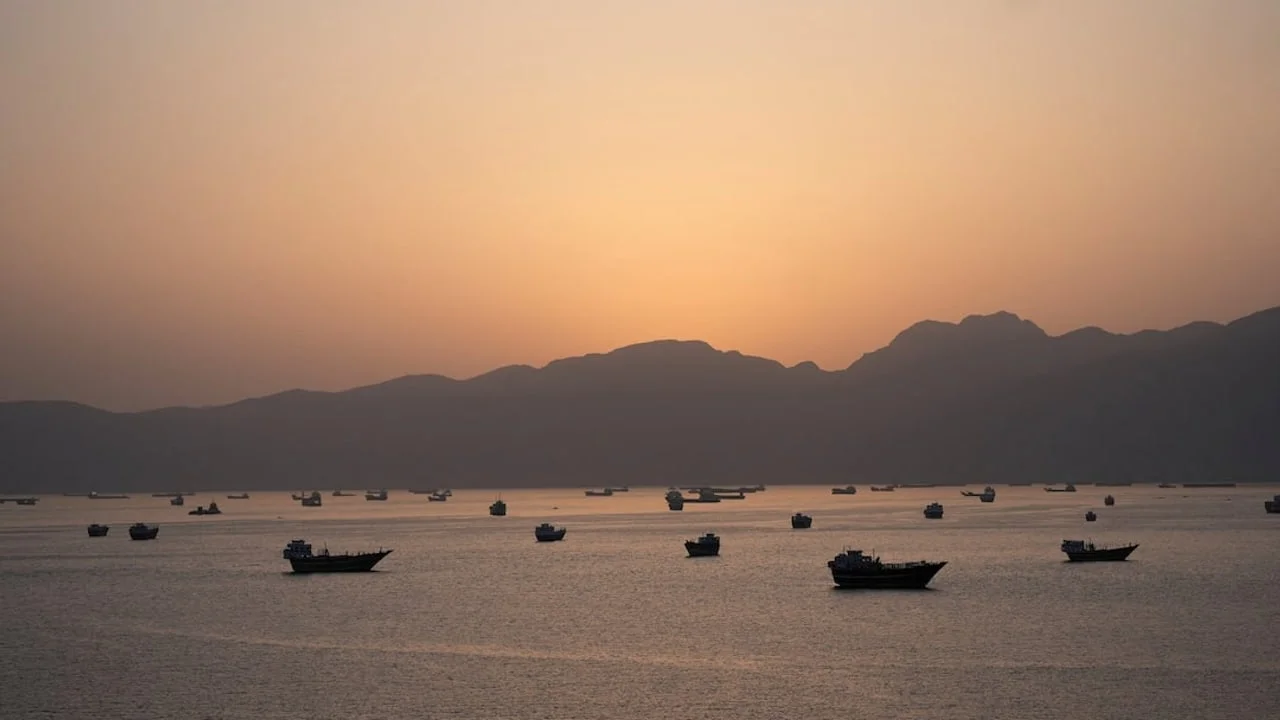
Market / supply-chain impact: Hormuz remains the market’s main chokepoint. Reuters said the strait carried one-fifth of global oil and LNG supplies before the war, hundreds of ships had been blockaded inside the Gulf, and CMA CGM’s Galapagos container ship exited the strait even as attacks continued. 4 For energy and container shippers, the operating question is no longer only whether the strait is open; it is which route is insurable, who controls transit rules and whether Tehran can impose the northern lane it prefers.
4. Lebanon-Israel: enforcement of the ceasefire deal is already under strain
Three-line summary
- The Israeli military said it killed Hezbollah militants armed with rocket-propelled grenades and struck a rocket launcher in the Nabatieh area of southern Lebanon. 5
- Reuters reported that Israel and Lebanon have repeatedly agreed to U.S.-brokered ceasefires, including the latest on Friday, but that those agreements have had limited effect. 4
- Israel is not a party to the U.S.-Iran deal, and Reuters said Israel insists it will not withdraw from Lebanese territory it has seized while Hezbollah rejects disarmament as long as Israeli troops remain in place. 4
Market / supply-chain impact: The Lebanon front matters because Iran treats it as part of the wider settlement with Washington, while Israel operates outside that deal. 4 If ceasefire enforcement fails in southern Lebanon while Gulf shipping is under attack, insurers and carriers have to price both Eastern Mediterranean escalation risk and Hormuz transit risk at the same time.
5. Taiwan Strait: drone procurement slows after blockade drills
Three-line summary
- Taiwan’s legislature delayed review of a proposed US$6.6 billion special budget to expand the country’s drone capabilities. 6
- TaiwanPlus reported that the defense ministry said the proposal would fund more than 200,000 drones through 2031. 6
- A day earlier, TaiwanPlus reported that Taiwan ran tabletop national-security drills simulating a Chinese maritime blockade, including Chinese authorities attempting to inspect, board or seize Taiwan-bound ships. 7
Market / supply-chain impact: The procurement delay is a defense-industrial signal, not just a legislative delay. A drone plan stretching to 2031 would shape orders for domestic unmanned systems, coastal surveillance and related electronics, while the blockade drill points directly at shipping continuity for Taiwan-bound cargo. 67 Procurement teams exposed to Taiwan components should watch both the budget process and any further gray-zone maritime activity east of the island.
References
- 1
- 2
- 3
- 4
- 5
- 6Lawmakers Delay US$6.6 Billion Drone Budgettaiwanplus.com
- 7

Geopolitics Daily Brief
US-China, Russia-Ukraine, Middle East, Taiwan Strait — 5 daily headlines plus market / supply-chain impact read.
This story was produced automatically by a channel. One sentence is all it takes for Neodrop to keep producing for you.
Related content
- Sign in to comment.