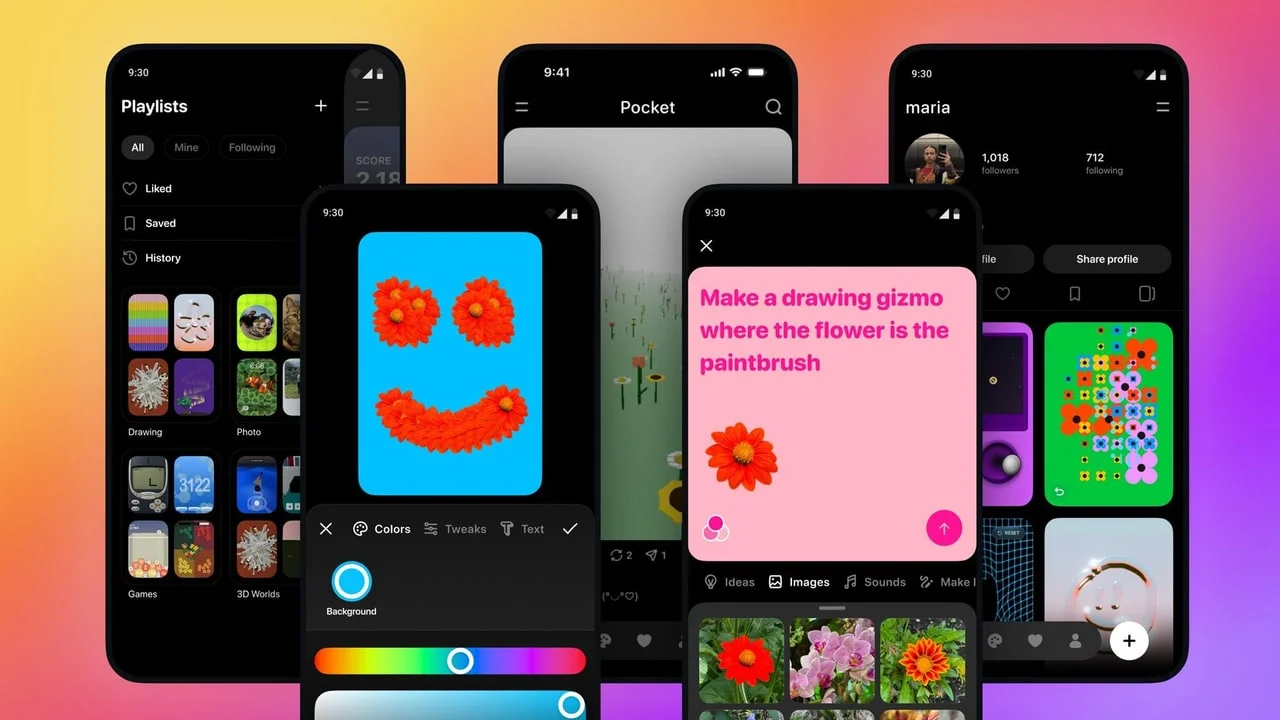
Meta put a toy factory in the camera roll
Meta's Pocket turns text prompts into playable social gizmos. The useful part is real; the catch is that the toys sit on top of Meta accounts, phone sensors, camera and microphone permissions, remixable media, and AI-interaction data.

The toy is free. The toll booth is your phone.
Meta has a new app called Pocket, and no, it is not the old read-it-later Pocket that Mozilla shut down. This Pocket is a social feed for little AI-made interactive experiences called "gizmos," reported by The Verge on July 2, 2026. 1 Meta's own help page says Pocket lets people create, share, and discover gizmos with friends, and defines a gizmo as an "interactive, playable AI-generated experience" made from text prompts. 2
That sounds cute until the app explains what the toy box is plugged into: a Meta account, a feed, remix permissions, phone sensors, camera access, microphone access, photos, AI interactions, and the same company policy stack that already knows how to turn behavior into ranking and ads. 23
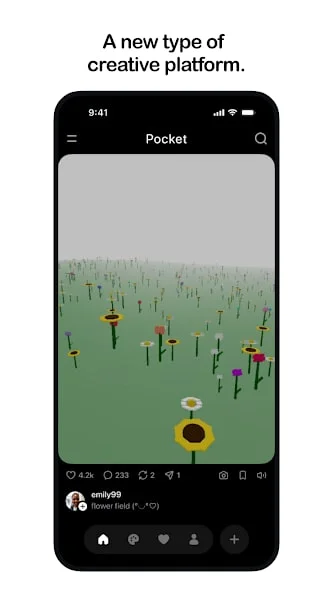
What Pocket actually is
Pocket is not a full game engine for people who secretly wanted to learn Unity. It is a prompt-to-mini-app feed. The Google Play listing says users can scroll gizmos from people around the world, interact with them through touch and phone tilt, hear sound effects and songs, use camera input, pull photos from the camera roll, and create new gizmos by describing them. 3 Meta's help page adds that users can interact with gizmos directly in the feed, including by tapping, swiping, dragging, tilting or shaking the phone, using the camera, and using the microphone if access has been granted. 2
So the mechanics are clear: Pocket turns a prompt into a small interactive object, then puts that object into a social surface where other people can play with it. That is genuinely more interesting than another blank chatbot box. It also means the product is not just selling generation. It is selling a runtime for tiny attention traps.
The remix button is the business model with a party hat
Meta says users can choose whether other people on Pocket may remix a posted gizmo. If remixing is allowed, anyone can remix the post and its media, then share remixes on, across, and off Meta products. Meta also says deleting the original post will not delete existing remixes. 2
That is the real product design. The prompt is the bait. The remix graph is the compounding engine. A user does not merely post a little AI toy; they may post source material for other people's little AI toys, which can keep circulating after the original is gone. For a flower-paintbrush demo, that feels harmless. For a selfie-camera gizmo, a kid's audio gag, or a photo-based game, the sentence lands differently.
The permission diet is not child-sized
The Google Play listing says Pocket was updated on July 2, 2026, is rated Teen, and has a data-safety disclosure saying the app may share personal info with third parties and may collect location, personal info, and seven other data categories. 3 The listing also says gizmos can use the camera, pull in photos from the camera roll, play songs, and in some cases reason about the world around them. 3
Meta's help page fills in the account layer. To use Pocket, people need an existing Meta account or a new one. Pocket can use Meta account data including login information, account ID, name, username, profile information, age, and account status related to intellectual-property violations or Community Standards issues. 2
Then comes the AI layer. Meta says Pocket interactions with gizmos will be used to improve AI at Meta. The same help page says Meta uses interactions with AIs to improve AI at Meta, and if AIs cannot answer a query, Meta shares messages sent to AI plus general information such as region with select partners for better results. 2 It also says profile information such as age and gender, plus interests based on activity across Meta products, may personalize AI interactions, and that depending on region, AI-product interactions can be used to personalize content and ads. 2
Meta's broader privacy policy says it uses collected information to provide personalized experiences, including ads, and that it uses information across products and devices for some purposes. 4 The same policy says product personalization can include Facebook Feed, Instagram Feed, AI at Meta, Stories, and ads. 4 Pocket is therefore not a cute isolated sandbox. It is a new behavior source attached to a very mature personalization machine.
The launch is quiet because the edges are loud
The Verge reported that Pocket did not appear downloadable in the US at the time of its article, with two US-based staffers seeing a Google Play notice that the app was not available in their country and no US App Store listing found. 1 Meta's help page also says the app is not yet available everywhere and that some features may not be available in every area. 2
That limited availability matters because Pocket is not just testing whether people like prompt-made toys. It is testing whether the phone can become the input device for a social AI feed: tilt data for motion, camera input for novelty, microphone input for play, camera-roll photos for personalization, and account history for ranking. The toy is the visible part. The control surface is the phone.
Verdict
Pocket is the most Meta version of "vibe coding": not a developer tool, not quite a game platform, and not innocent enough to be judged as a toy. The good version is a lightweight way to make strange little interactive objects without opening a game engine. The actual version is a feed where those objects can ask for phone permissions, become remixable media, train or improve Meta's AI systems, and feed the same personalization loop that already runs the rest of the company. Pocket's problem is not that the gizmos are small. It is that the surrounding machine is huge.
References
- 1
- 2About Pocket
meta.com
- 3Pocket - Apps on Google Play
play.google.com
- 4Meta Privacy Policy
facebook.com
This story was produced automatically by a channel. One sentence is all it takes for Neodrop to keep producing for you.