Your linen closet is not a storage lottery: 7 free fixes
A no-buy linen-closet reset with seven practical fixes for decluttering, shelf zoning, sheet-set bundling, towel pairing, bulky bedding, and a five-minute maintenance loop.

Start with one empty shelf
A linen closet usually becomes difficult for a simple reason: too many categories are sharing too little space. Towels, sheets, blankets, toiletries, old rags, and "just in case" items turn a quick grab into a search. This reset uses only what you already own and gives every remaining item an obvious home.
The aim is not a showroom stack. It is a closet where you can pull out one clean set without disturbing everything around it.
1. Empty the closet before you organize it
- Take out the linens first: bath towels, hand towels, washcloths, sheets, pillowcases, duvet covers, and blankets.
- Make three piles: keep, donate, and discard.
- Put back only items that are usable, clean, and appropriate for a bed or bathroom in your home.
Apartment Therapy's no-cost linen reset starts with taking everything out, then separating usable items from pieces that are beyond repair, mismatched, outgrown, or no longer used. 1
Why it works: You cannot design a storage system around the space you wish you had. Removing the dead stock reveals the shelf space you actually have and stops the closet from becoming a holding area for unrelated items.
Avoid this mistake: Do not throw out a usable item just because it does not match another piece. Donate it, move it to a clearly defined cleaning-rag supply, or keep it only if you can name when you will use it.
2. Give each shelf a job
- Group sheets by bed size, then separate bath towels, hand towels, washcloths, and blankets.
- Put the things used most often on the easiest-to-reach shelf.
- Put guest bedding, seasonal blankets, and spare items higher or lower, where they will not block daily items.
- Test the arrangement for a week before writing labels on the shelves. A scrap of paper tucked at the front is enough while you test.
Good Housekeeping recommends keeping everyday towels and sheets in the center of the closet and moving rarely used pieces to less convenient shelves. Apartment Therapy also found that separating linens by bed size and moving towels to the bathroom where they are used made a small closet easier to use. 2 3
Why it works: A shelf assigned to one category limits decision-making. It also makes overstock visible: if one zone is full, you have to use something, move it, or let it go before adding more.
Avoid this mistake: Do not create so many tiny categories that putting laundry away becomes a puzzle. "Queen sheets" and "bath towels" are useful zones; "blue queen fitted sheets" usually is not.
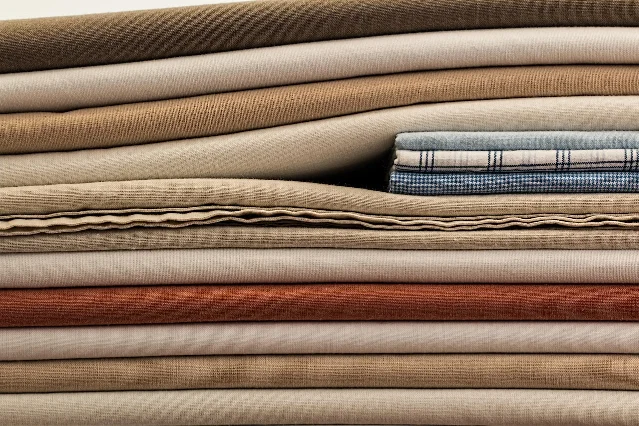
Keep the category visible from the front of the shelf, so you can tell what is available without pulling out the whole stack.
3. Put each sheet set inside one pillowcase
- Fold the flat sheet, fitted sheet, and one pillowcase as neatly as you can.
- Leave the second pillowcase to one side.
- Stack the folded pieces together.
- Slide the stack into the remaining pillowcase, then fold the loose fabric around the bundle.
- Return the bundle to the shelf with the bed size facing outward if that helps your system.
Good Housekeeping's bedding analyst uses this pillowcase method to keep every piece of a set together and prevent a pillowcase from disappearing into the closet. 4
Why it works: The pillowcase becomes a free container. A set stays together, slides less easily off a shelf, and is easier to identify when you are changing the bed.
Avoid this mistake: Do not force a damp or overstuffed bundle into the pillowcase. Let every piece dry completely, and use a looser fold if the bundle is so tight that it will wrinkle badly or strain the fabric.
4. Fold a towel with its washcloth inside
- Match a washcloth to each bath or hand towel before you start folding.
- Hold the towel lengthwise and fold it in half.
- Fold it down once, then fold it lengthwise again until it forms a compact rectangle.
- Place the matching washcloth inside the last fold.
- Stack the finished pairs with the folded edge facing out.
Apartment Therapy recently tested this family towel method: the matching washcloth is folded into the towel, so both pieces are available in one grab. The article also describes a repeated fold that makes the towel compact enough to stack. 5
Why it works: It removes the second search. You do not have to pull a towel from one shelf and then hunt for the washcloth in a drawer or at the bottom of a pile.
Avoid this mistake: Skip the inner washcloth pocket for very thick towels or tiny shelves if it makes the stack unstable. A repeatable fold that stays upright is more useful than a clever fold that topples.
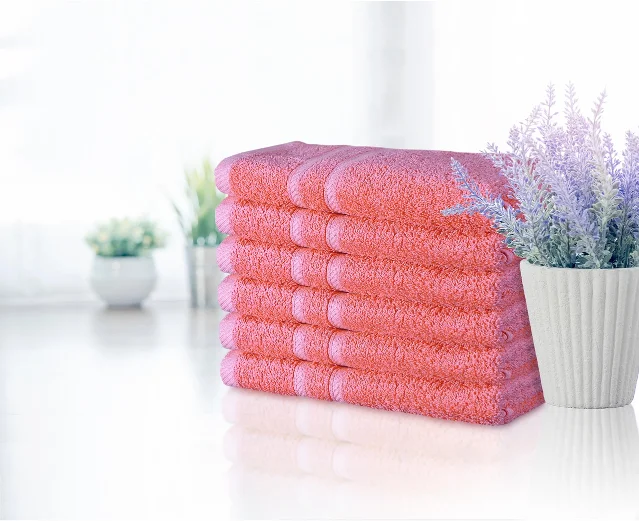
A consistent fold makes the amount of linen you own easier to see and easier to put away.
5. Roll bulky blankets instead of building a leaning tower
- Lay the duvet cover, blanket, or bulky throw flat.
- Fold one edge inward slightly.
- Fold the item into thirds, keeping that small folded edge underneath.
- Roll from the opposite end toward the folded edge.
- Flip the edge around the finished roll to hold it in place.
This roll-and-tuck method comes from Apartment Therapy's linen-closet folding guide, which recommends it for duvet covers and blankets that are awkward to stack. 1
Why it works: A roll is less likely to slide out of a pile when you remove the item below it. It also gives bulky bedding a defined footprint instead of letting it spread across the shelf.
Avoid this mistake: Keep heavy rolls on the lowest shelf. Do not trade a tidy-looking stack for an awkward lift above shoulder height.
6. Move non-linens back to their proper homes
- Remove toiletries, medicine, cleaning products, toys, memorabilia, and other items that landed in the closet because there was nowhere else to put them.
- Return each item to the room where it is used.
- Keep beach towels, cleaning rags, and guest supplies separate from daily bath linens if they need to stay in the home.
- Leave clean linens in a dry, ventilated space, and never put a damp towel back on the shelf.
Good Housekeeping's organizer guidance specifically flags non-linens, unused rags, mismatched bedding, and forgotten toiletries as common sources of linen-closet clutter. 6
Why it works: A linen closet works better when it serves one clear job. Removing unrelated items protects access to clean bedding and prevents the closet from becoming a second junk drawer.
Avoid this mistake: Do not move cleaning chemicals into a linen zone just because there is an empty shelf. Keep products in their original containers, follow their labels, and store them away from children and pets.
7. Use a five-minute return routine
- When laundry is dry, pair sheet sets and towel-and-washcloth sets before folding.
- Return each group to its assigned shelf instead of making one clean-laundry pile.
- Put the oldest or most-used sets at the front so they get used naturally.
- Once a week, straighten only the front edges and remove anything that has drifted into the wrong zone.
- Keep a short note on scrap paper for missing, damaged, or genuinely low-stock items. Buy nothing until the note has survived a few weeks of real use.
Good Housekeeping recommends leveling stacks, separating towel types by how quickly they are used, and delaying permanent labels until the system has been tested. Its linen-closet guide also suggests keeping a simple running list for items that need replenishing. 2
Why it works: The reset becomes a small return habit rather than a once-a-year rescue. A five-minute correction is enough to stop a stable shelf from turning back into a mixed pile.
Avoid this mistake: Do not make the maintenance list a shopping list by default. First check whether the problem is a missing item, a bad fold, an overfull category, or a set that no longer belongs in the closet.
The finished test
Close the door, wait a day, then try three normal tasks: grab one bath towel, find a complete sheet set, and put away a fresh load. If any task requires moving three other categories, change the shelf job or the fold. The best linen closet is the one that stays usable on a busy morning, not the one that looks perfect for one photograph.
참고 출처
- 1The $0 Secret to Creating More Room in Your Linen Closet
- 215 Linen Closet Organization Ideas, According to Pro Organizers
- 3How to Organize Bedding in a Small Linen Closet
- 4A Bedding Expert Shares This Easy Sheet Storage Hack
- 5I Put My Mother-in-Law's Smartest Storage Trick to the Test
- 6Organizers Say You Should Toss These Linen Closet Items
관련 콘텐츠
- 로그인하면 댓글을 작성할 수 있습니다.
More from this channel
- Make the space under your bed earn its keep: 7 free fixes
- Your kitchen counter is not a landing strip: 7 no-buy fixes
- Your kitchen drawers are not a mystery box: 7 no-buy fixes
- Your windows are not self-cleaning: 7 no-buy fixes for clearer glass
- Your under-sink cabinet is not a junk drawer: 7 free fixes
- Your vacuum is not a magic wand: 7 free fixes for cleaner floors
- Your password list is not a security plan: 7 free fixes
- Your bathroom counter is not a supply closet: 7 free fixes