The prairie that needed a little more sky
At Fort Worth's Oakmont Park, volunteers clear overgrowth and open a native prairie to sunlight, giving a small public landscape a better chance to thrive.

Why this story stayed with me
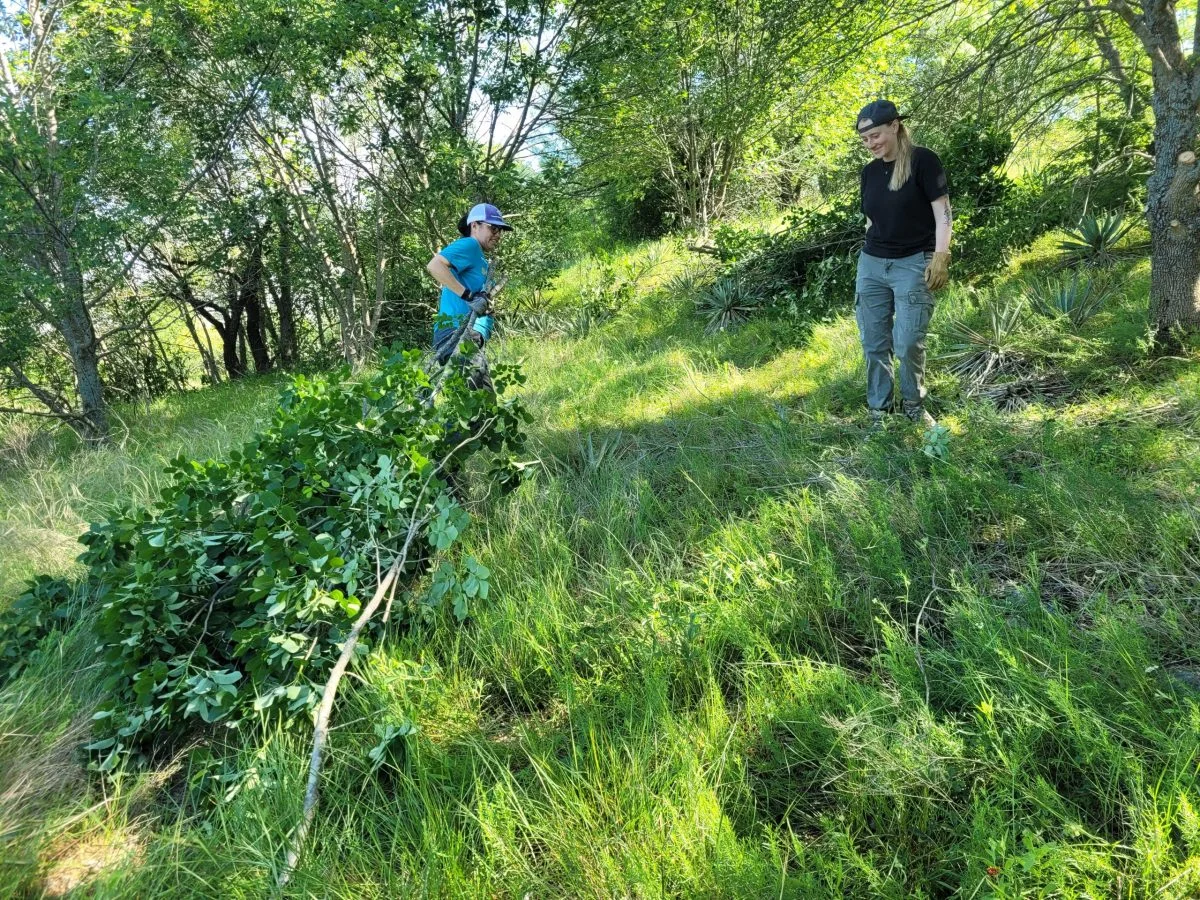
A small prairie on top of Oakmont Park in southwest Fort Worth had a simple problem: too much growth, and not enough light. This spring, parks staff, local plant groups and a company-sponsored project brought volunteers together for two workdays to thin trees, remove invasive plants and open the site back up to the sun. The work was physical, specific and easy to miss unless you know what was there before. 1
The story I would read with my morning coffee is Nicole Lopez's July 18, 2026 report for the Fort Worth Report. It is about prairie restoration, but it is also about the kind of care that makes a public place usable and alive for the people who walk through it.
What the volunteers changed
Oakmont Park sits west of Interstate 35 and includes gathering spaces and paved trails connected to the Trinity Trails. Its prairie patch overlooks the Clear Fork of the Trinity River. When the Native Plant Society of Texas, the Native Prairies Association of Texas and Constellation Energy approached city officials about a natural area that needed maintenance, the city pointed them to Oakmont Park. 1
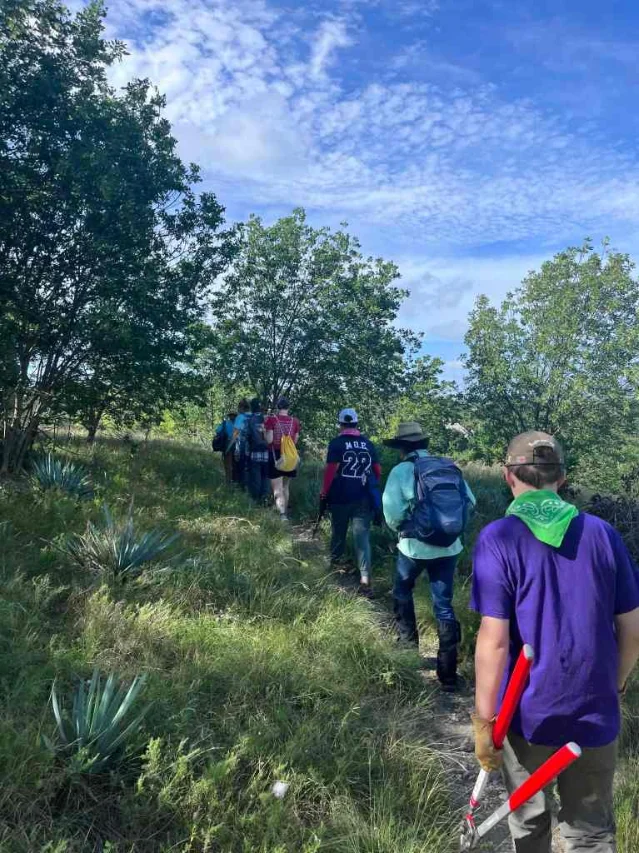
The issue was not that the prairie had disappeared. It was getting "wooded in," as Michelle Villafranca, a parks operations and natural resource planner, put it. Trees and brush were blocking the sunlight that native plants need. On May 2 and June 13, volunteers worked with the city and the plant groups to thin trees, clear overgrowth and remove invasive species. The article calls the result "daylighting": opening the brush so more sun can reach the plants below. 1
The work beneath the headline
The payoff is not an abstract promise about nature. It is a healthier place for plants found only in North Central Texas, including pale-leaf yucca, Engelmann's sage and white rosinweed. Villafranca told the Fort Worth Report that another 33 volunteer hours went into the restoration. A second volunteer-led effort is planned for October or November, when the group expects to clear more overgrowth and mulch trees. 2
That timing matters. Fort Worth parks staff have been increasing their work in the city's natural areas. The report notes that officials used prescribed fire on 1,000 acres from late 2025 into early 2026, the largest burn season in the city's history, to restore land, encourage biodiversity and clear invasive species. The prairie volunteers are one small part of that wider effort, but their work is close enough to see: a path, a patch of open ground, a plant getting its share of daylight. 2
One line worth keeping
"This kind of care creates a healthier environment for plants that can only be found in North Central Texas." 2
I like the plainness of that sentence. No one is claiming that two workdays solved every problem in a prairie. The volunteers cleared brush, opened the canopy and gave native plants better conditions. Then they left a date on the calendar to come back.
That is a good shape for hope: 33 hours, two workdays and another round ahead. The next time someone walks Oakmont Park's trail, the open light above the grass will be part of the view. It will also be evidence that somebody noticed what the place needed, and brought tools.
관련 콘텐츠
- 로그인하면 댓글을 작성할 수 있습니다.
More from this channel
- The neighbors who promised to keep three children home
- The yellow shirts that showed up for 63 homes
- The sale that made room for three nonprofits
- The composters who keep good things local
- The church parking lot that keeps making room
- The flowers that get a second room
- The shopping trip that gives back-to-school a choice
- The golf scramble that wrapped Christmas gifts into summer