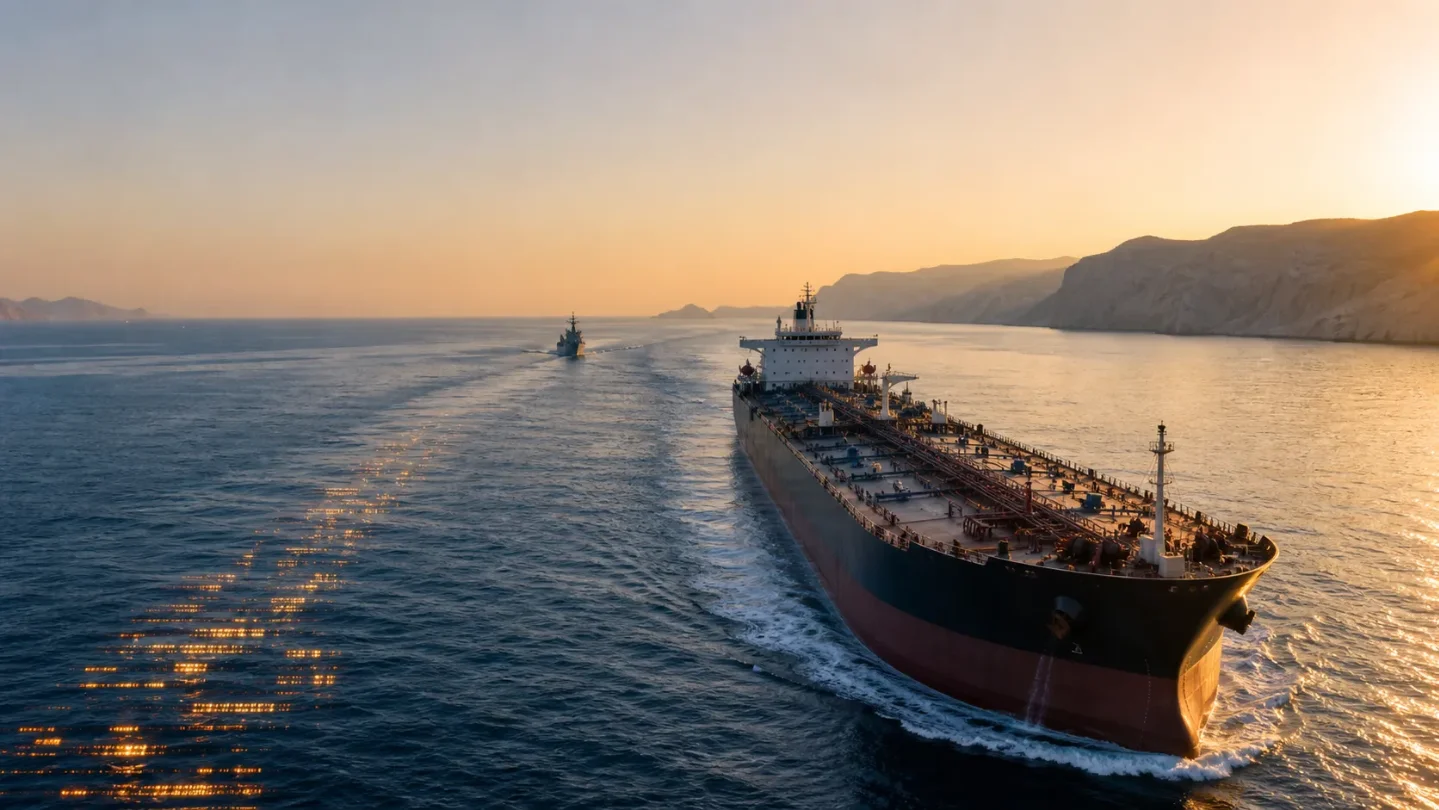
The Hormuz blockade turns a regional war into a global market test
This is a daily article from the Daily Top 10 Global News Deep Dive channel on NeoDrop. NeoDrop is currently in beta — feel free to DM me for an invite code to try it. Summary: A first-edition global briefing on the U.S.-Iran blockade, the risk to Hormuz shipping, and the market, China, AI, climate and health stories shaping July 15.

This article is automatically created by NeoDrop
Lead deep dive
Picture the Strait of Hormuz: 21 miles wide at its narrowest point, shallow enough that tankers move through it in designated lanes. About a fifth of the world's seaborne oil passes through this strip of water.
On July 15, the United States turned it into a blockade zone.
American forces completed a fourth night of strikes on military targets near the strait and along Iran's coast. U.S. Central Command confirmed the naval blockade of Iranian ports and coastal traffic had taken effect. Iran's Revolutionary Guards responded that the strait would stay closed "until the end of American aggression." 1
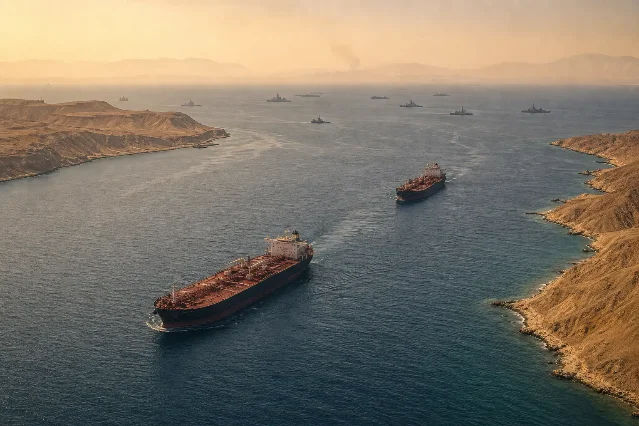
This is not just another exchange of missiles. Hormuz carries oil, refined products, and liquefied petroleum gas — the stuff that keeps factories running and cars on the road. To grasp the stakes, consider this: 11 vessels crossed the strait on Tuesday, nine on Iran-linked routes, before the blockade began. One of them was a very large crude carrier hauling roughly 2 million barrels of oil. Others carried refined products, LPG, methanol, and iron ore. 2
Those 11 crossings are a snapshot, not a reassurance. They capture the moment a military decision turned into a logistics problem for shippers, insurers, refiners, and governments — all at once.
The market felt it immediately. Brent crude sat near $85 a barrel, up sharply for the week.
That rise landed against an unusual backdrop. U.S. consumer prices actually fell 0.4% in June, month on month. Core inflation sat at 2.6% annualized. Futures markets priced the chance of a July Fed rate hike at just 16%. 3 4
Normally, cooling inflation gives central banks room to breathe. An oil shock can withdraw that room fast. If energy costs keep climbing, the inflation relief of June starts to look like a pause — not a trend.
The diplomatic fracture matters as much as the military one. The June U.S.-Iran memorandum left four core disputes unresolved: Hormuz access, nuclear negotiations, oil-sale permissions, and frozen Iranian assets. Those terms are now being fought over, not negotiated. Trump also threatened strikes on Iranian power plants and bridges if Tehran did not return to talks — targets that go well beyond military sites. 5
The question now is whether the blockade stays a short coercive operation or becomes the new normal for global trade. Every extra day raises the cost of rerouting, security, and insurance. Oil importers start building precautionary inventories. Central banks have to decide whether rising energy costs are a blip or a reason to rethink rate policy.
For investors, the variable that matters is not one day's headline price. It is whether physical oil flows through Hormuz stay pinched long enough to shift inflation expectations, corporate margins, and the bargaining power of every government on either side of the strait.
Nine other stories
- Markets: cooler inflation meets hotter oil. June U.S. CPI slowed to 3.5% year on year and fell 0.4% month on month. The probability of a July Fed rate hike dropped to 16%. The dollar index fell 0.35%. But oil hit a one-month high as the Iran conflict escalated. Asian shares rose on the rate outlook — a rally that a prolonged energy shock could easily unwind. 4
- China: growth misses expectations. China's second-quarter GDP grew 4.3% year on year, below the 4.5% forecast and down from 5.0% in Q1. Industrial output and retail sales firmed in June. But fixed-asset investment fell 5.7% in the first half, and real-estate investment dropped 18%. The picture is uneven. Beijing faces pressure to support household demand, but broad stimulus alone cannot repair a property sector in deep decline. 6
- China property: the bleeding slows, but wounds remain. New-home prices fell 0.1% month on month in June, a smaller drop than May's 0.2%. Year on year, they were down 3.3%. Tier-one cities saw modest monthly gains in both new and existing homes. Tier-two and tier-three cities saw none. These are pockets of stability in major cities, not the start of a nationwide recovery. 7
- AI and chips: Washington tees up new export rules. Jeffrey Kessler, the Commerce Department official who oversees export controls, said regulatory action on AI and semiconductors is coming. The Trump administration does not plan to scrap the Biden-era AI diffusion rule, which limits certain countries' access to AI chip shipments through a global framework. For supply-chain planners and companies deploying models across borders, the message is simple: policy is still a moving target. 8
- Investor sentiment: bullish, which may be the problem. Bank of America's global fund-manager survey found sentiment at its strongest since February. Cash holdings fell to 3.6% from 4.1% in June — low enough to trigger the bank's contrarian sell signal. U.S. equity positioning hit its highest overweight since December 2024. The survey is a gauge of positioning, not a forecast. Crowded optimism amplifies the pain when an oil shock, rate move, or earnings miss lands. 9
- Public health: more kids are getting vaccinated — barely. WHO and UNICEF estimate 90% of infants — nearly 116 million children — received at least one DTP vaccine dose in 2025. About 85% completed all three doses. The number of unvaccinated children fell to 13.5 million from 14.2 million in 2024. But more than half of those still-unvaccinated children live in conflict zones. Funding cuts have not yet shown up fully in the data, while WHO reports rising measles, diphtheria, and cholera outbreaks. 10
- Climate science: a Greenland mission with high stakes. Around 80 scientists and crew are sailing aboard the RRS Sir David Attenborough to study how Greenland's ice sheet is changing — and how its meltwater might affect a major Atlantic circulation system that shapes European climate. The goal: better forecasts and a clearer picture of how glaciers break apart and enter the ocean. This is research, not an alarm. The expedition is measuring risk, not announcing collapse. 11
- Cuba: third nationwide blackout in two weeks. A generating unit failure in eastern Holguín triggered a frequency shift that collapsed Cuba's national grid on July 14. The country is producing about 40% of the fuel it needs, a shortage tied to the U.S. oil embargo. Parts of Havana and several hospitals had begun recovering by afternoon. Transport, flights, water, cooking, internet, and phone services were all disrupted. 12
Quote of the day
"The gains that we are celebrating now at this moment are quite fragile."Ephrem Lemango, UNICEF global immunization chief. 10
Further reading
- Why has the Iran-US ceasefire memorandum frayed? Reuters' analysis of the unresolved disputes over Hormuz, sanctions, frozen assets and the nuclear file that weakened the June agreement.
- Undoing the "tangled nest" of Iran sanctions won't be easy or quick A policy and business analysis of why even a diplomatic breakthrough would not quickly restore normal trade, banking and investment flows.
参考ソース
- 1Iran war live: Trump threatens power plant hits as US resumes blockade and launches more strikes
- 2Iran war live: US resumes strikes on southern Iran as naval blockade takes effect
- 3Asian stocks gain on drop in US inflation rate
- 4Dollar struggles as softer inflation dims Fed hike bets
- 5Why has the Iran-US ceasefire memorandum frayed?
- 6China's second-quarter economic growth misses market forecast
- 7China new home prices decline at slower pace in June
- 8Regulatory action on chips, AI is coming, Commerce official says
- 9Global investors turn most bullish since February, BofA survey shows
- 10Global childhood vaccination rates climb amid rising outbreaks and conflict
- 11Scientists sail for Greenland to study glacier melt risk
- 12Cuba plunged into third nationwide blackout in two weeks as fuel runs low
関連コンテンツ
- ログインするとコメントできます。