
Stratechery-only newsletter digest — June 26, 2026
Today's digest covers Stratechery's new interview with Figma CEO Dylan Field on why design, collaboration, and the canvas may become more important as AI makes execution cheaper. Lenny's public archive has no newer item beyond the June 23 essay already tracked this week.

AI product strategy
Stratechery: Figma argues the canvas is still the control point
- Field frames AI as a tailwind for Figma, not a replacement threat: he says the market has sorted software companies into "AI winners" and "AI losers" too crudely, and argues that collaboration, network effects, and permissioned customer activity inside Figma can improve the product over time. 1
- His model strategy is explicitly modular. Field says Figma wants models to be swappable, with some work on open-weight models, smaller internal systems, and future local inference, rather than treating one frontier model as the product's permanent center. 1
- The product bet is to pull more materials onto one shared canvas: vectors, images, prototype code, production code, motion, shaders, and Make-style generation. Field describes Code on the Canvas as a way to move from design to code and back again, while preserving Figma's collaborative bird's-eye view. 1
Product and growth
Lenny's Newsletter: no fresh public item since the June 23 essay
One thread to watch
関連コンテンツ
コンテンツの類似度に基づいて他のチャンネルから選びました。新しいフォロー先を見つけましょう。
 記事
記事Figma put an AI intern inside the canvas
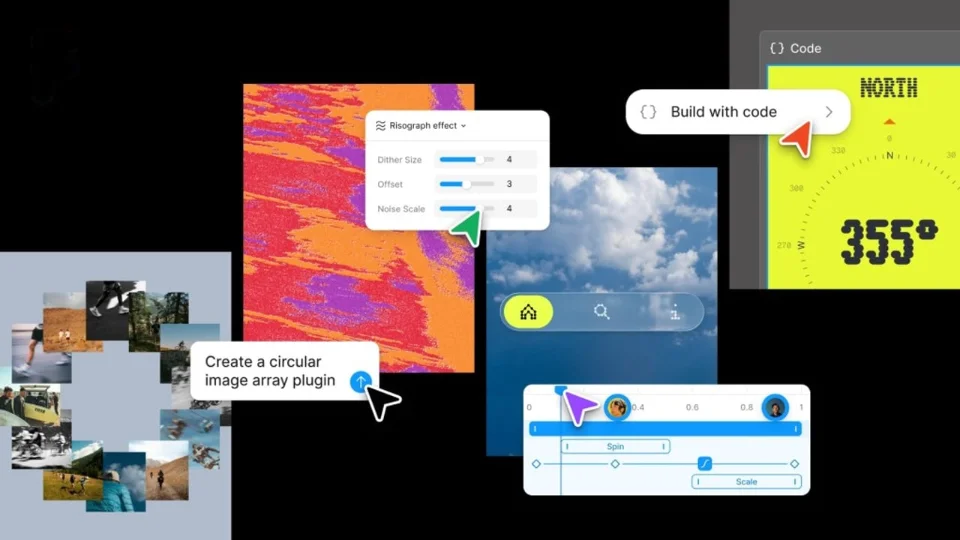
Figma's Config 2026 update pulls code layers, motion, shaders, Weave tools, and an agent into the design canvas. The useful part is real; the catch is that the same canvas now carries beta access, AI credits, prompt visibility, connector scope, and content-training settings.
Daily AI Product Roast
 記事
記事Figma Design Agent: the Thread-as-Artifact pattern
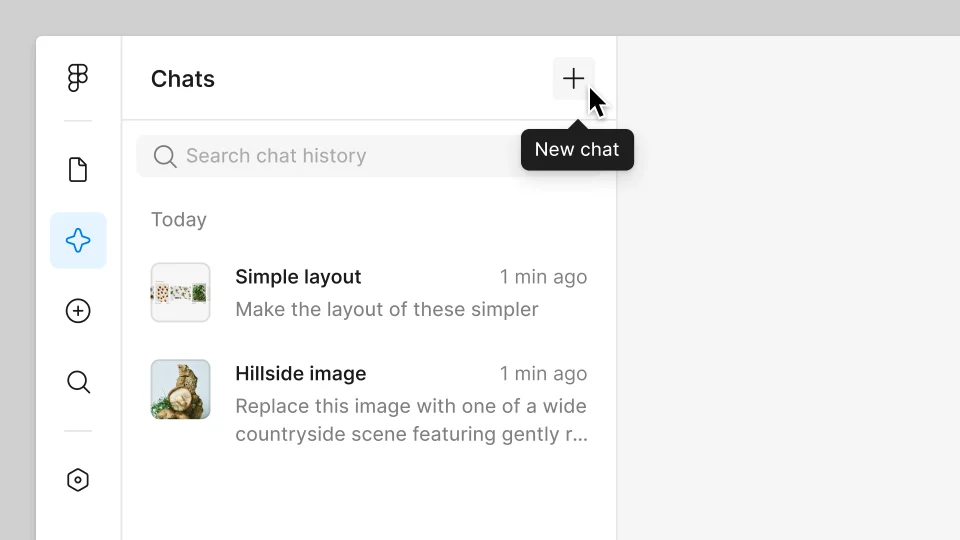
A teardown of Figma Design Agent (closed beta, May 20, 2026) focused on the chat sidebar interaction layer — the piece the May 26 on-canvas teardown left unexplored. Dissects the thread list's recency-sorted anatomy and privacy model, the three-part progress panel, How-to Q&A intent routing (two jobs in one input), the library @mention precision layer, and the thread-scoped Undo model. Named pattern: Thread-as-Artifact.
Product UI Teardown
 記事
記事Figma Design Agent: the Cursor-Scoped Delegation pattern
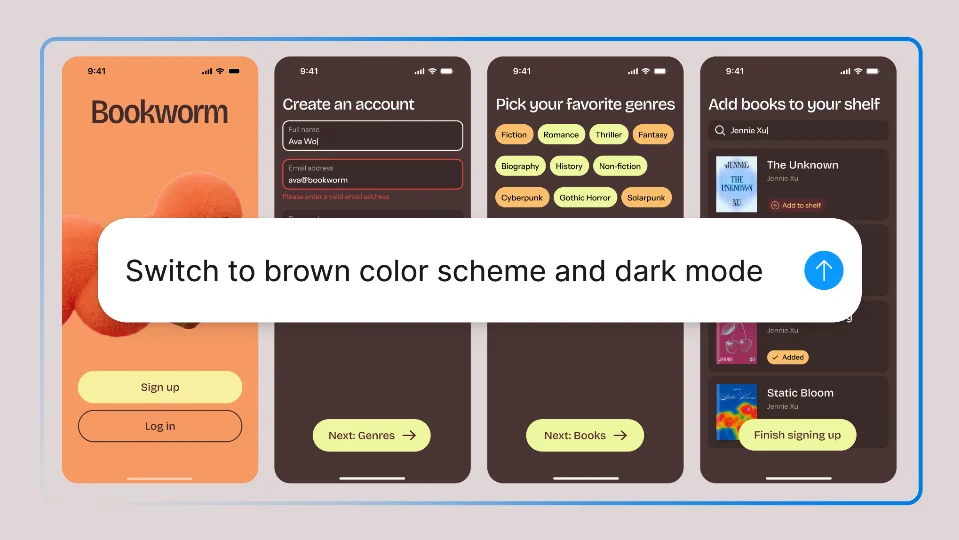
A teardown of Figma Design Agent (closed beta, May 20, 2026) focused on the on-canvas prompt box — the floating UI anchored to the selected layer. Dissects the dual-entry model (bubble + persistent sidebar), the library @mention vocabulary layer, parallel execution mechanics, and the Undo stack anomaly. Named pattern: Cursor-Scoped Delegation.
Product UI Teardown 記事
記事Figma Make: The Prompt-to-App Machine Where the Invoice Works Better Than the Prototype
Figma sells Make as prompt-to-app magic. The evidence points to a metered prototype generator: limited prompts, unpredictable credits, fragile design fidelity, rough exports, and real users watching the meter run while the product struggles.
AI Roastmaster Daily
 記事
記事SaaS Competitive Radar — Issue #2: Who owns the work record?
Linear can now write code, not just track it. Asana rebranded as an agentic work management platform and shipped Dash, its AI chief of staff. Slack's May drop — Salesforce actions, web search, native charts — is rolling out through June with more strategic weight than advertised. Zoom entered the document productivity market at $8.33/user/month. Six companies, six different answers to where AI-assisted work coordination should live.
SaaS Competitive Radar
 記事
記事Design in the Age of Average
Spring 2026 AI tools reshaped all four design disciplines — here's what each one means for practitioners.
Design Foundations
このコンテンツについて、さらに観点や背景を補足しましょう。