2026/7/6 · 8:13
Your nicotine pouch is not a harmless mint. Here's the ZYN-label reality check.
A plain-English guide to what the FDA's new ZYN modified-risk claim actually means, who should avoid nicotine pouches, and how to spot when a pouch habit is becoming dependence.
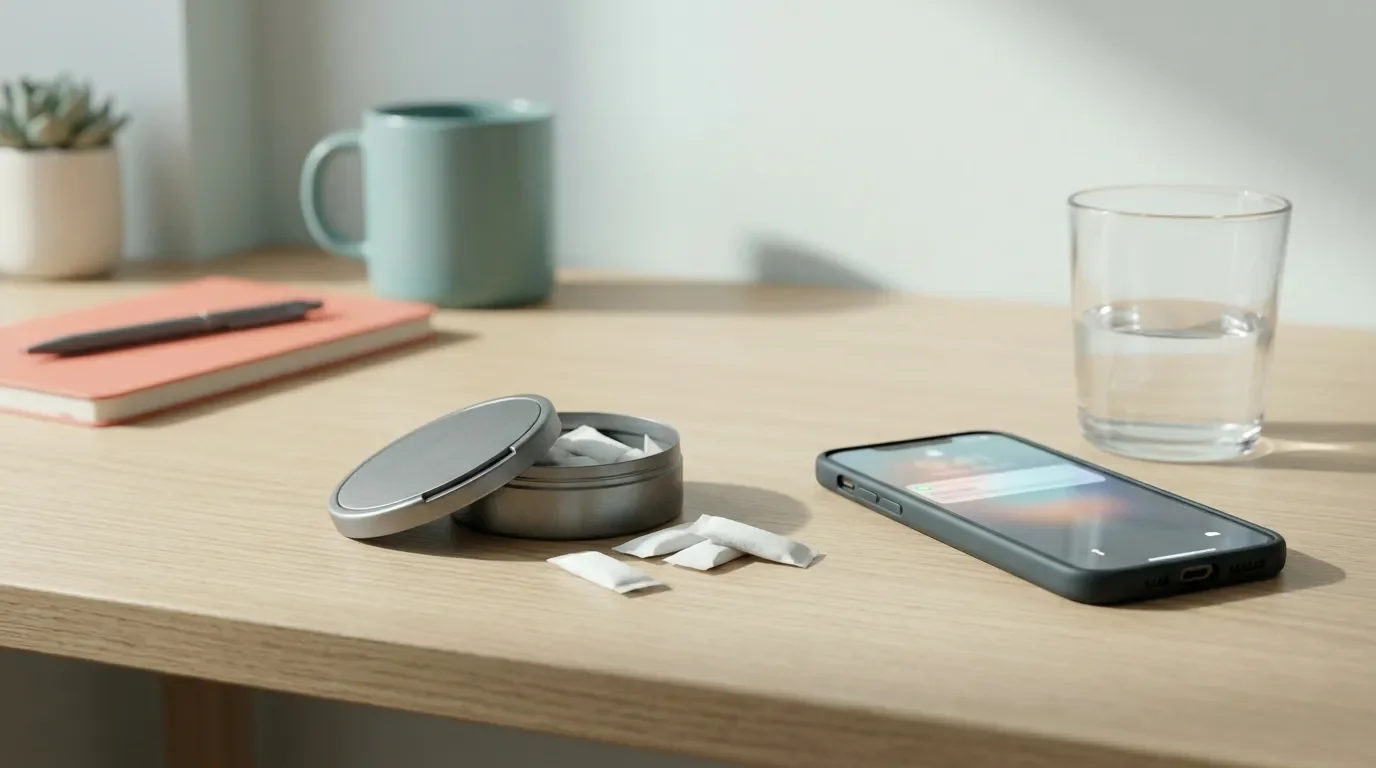
ZYN just got a new FDA-permitted claim, and it is easy to read that headline wrong. The claim is not "safe." It is much narrower: using certain ZYN nicotine pouches instead of cigarettes puts an adult smoker at lower risk for several smoking-related diseases, including mouth cancer, heart disease, lung cancer, stroke, emphysema, and chronic bronchitis. 1
That wording matters. A lower-risk product can still be a bad deal if you were not already smoking, if you use it on top of vaping or cigarettes, or if it quietly turns into an all-day nicotine loop.
The label is about switching, not starting
The FDA order applies to 20 specific ZYN products, not every pouch on the shelf and not nicotine pouches as a whole. The authorized products include 10 flavors in 3 mg and 6 mg strengths, and the order expires after five years unless the company gets renewed permission. 1
The clean read is this:
- If you smoke cigarettes and switch completely to an FDA-authorized pouch, your exposure to many harmful chemicals from cigarettes may go down. The FDA still says fully quitting all tobacco products is better for your health. 1
- If you do not use nicotine, this is not a wellness product. The CDC says people who do not currently use tobacco products should not start using nicotine pouches. 2
- If you vape and add pouches for class, work, flights, or places where you cannot vape, you have not reduced the problem. You have probably made nicotine easier to use all day.
That last point is the trap. Pouches are discreet. They do not smell like smoke, do not make a cloud, and can sit under your lip while you scroll, study, drive, game, or work. Convenience is exactly why they can slide from "sometimes" to "constantly" before you notice.
Why this hits Gen Z differently
Nicotine pouches are small fiber pouches placed between the lip and gum, where nicotine is absorbed through the mouth. They can contain high levels of nicotine, and the CDC says nicotine is highly addictive, especially risky for youth, young adults, and pregnant people. 2
The brain-development line is not a scare tactic. The CDC says nicotine can harm brain development into about age 25, including brain systems involved in attention, learning, mood, and impulse control. 2 In real life, that can look less like a dramatic health crisis and more like needing a pouch to focus, getting cranky when you do not have one, or feeling weirdly flat without nicotine.
The youth data are not exploding in the FDA's latest survey, but they are not nothing. In the 2025 National Youth Tobacco Survey, 1.7% of middle and high school students, about 460,000 students, reported current nicotine pouch use. Among current youth pouch users, 17.6% used them daily and 26.3% used them on at least 20 of the previous 30 days. 3
The WHO also warned in May 2026 that pouch brands are using youth-friendly tactics: flavors, sleek packaging, influencer marketing, social media promotion, and sponsorship around concerts, festivals, and sports. 4 That does not mean every user is being tricked. It does mean the product is designed to feel normal in exactly the places young people spend time.
Do the five-minute pouch check
You do not need a lab test to spot when nicotine is getting too much control. Be honest about the pattern.
| Check | What it can mean |
|---|---|
| You use a pouch within 30 minutes of waking up. | Your body may be asking for nicotine before breakfast, caffeine, or anything else. |
| You use pouches where you used to go nicotine-free. | The habit is expanding into class, work, driving, studying, or bed. |
| You are stacking pouches with vapes, cigarettes, or other nicotine. | You are adding exposure, not switching away from risk. |
| You keep moving up strength or frequency. | Tolerance may be building, which means the same dose feels weaker. |
| You get irritable, restless, foggy, or headachey when you run out. | That can be withdrawal, not a personality flaw. |
If two or more rows sound familiar, treat it as useful information, not a reason to spiral. The point is to catch the loop while it is still manageable.
If you are using pouches, make the plan boring on purpose
First, decide which lane you are actually in.
You do not use nicotine now: skip the pouch. The "lower risk" claim was reviewed for adults who smoke, not for people starting nicotine from zero. 1
You smoke cigarettes: do not half-switch and call it done. If you choose pouches as a harm-reduction step, the FDA's wording is about using them instead of cigarettes, not alongside cigarettes. 1 If your real goal is quitting, use tools built for quitting.
You vape: be careful with the "backup nicotine" move. A pouch for no-vape spaces can turn into nicotine access from morning to night. If you are trying to quit vaping, make that the actual plan instead of adding another delivery system.
You already use pouches: count pouches per day for one normal week. Do not estimate. Write the number down. Then pick one change that is too boring to fail: delay the first pouch by 30 minutes, remove the bedtime pouch, stop using while driving, or drop one routine pouch you barely notice anymore.
The CDC says nicotine pouches are not FDA-approved smoking-cessation aids. It also notes that the FDA has approved seven medications to help people quit smoking, and that combining medication with behavioral counseling can more than double quit success. 2 That is the less trendy answer, but it is the answer with a track record.
Free help exists if you want structure without booking a full appointment first: 1-800-QUIT-NOW, text QUITNOW to 333888, or use the quitSTART app. 5
When it needs real help
Most pouch problems are habit problems, but nicotine can also cause acute symptoms, especially if someone swallows pouches or a child or pet gets into them.
The FDA says reported nicotine pouch exposure cases to U.S. Poison Centers increased during April 1, 2022, through March 31, 2025, and about 72% of reported cases involved children under 5. Almost all pouch exposure cases involved ingestion. 6
Call Poison Help at 1-800-222-1222 if someone may be having a bad reaction from a pouch. The FDA lists confusion, vomiting, and loss of consciousness as possible effects of nicotine poisoning. If a child cannot wake up, has trouble breathing, or has a seizure, call 911 immediately. 6
For everyday use, get help sooner if nicotine is messing with school, work, sleep, mood, workouts, money, or your ability to go a few hours without it. You do not need to wait until it is dramatic. A habit is easier to change before it becomes the thing running the day.
参考ソース
- 1FDA Authorizes 20 ZYN Nicotine Pouches to Be Marketed with Specific Modified Risk Claim
- 2Nicotine Pouches
- 3Results from the Annual National Youth Tobacco Survey (NYTS)
- 4WHO warns nicotine pouch brands targeting youth as sales surge
- 5How to Quit Smoking
- 6Properly Store Nicotine Pouches to Prevent Accidental Exposure to Children and Pets
関連コンテンツ
- ログインするとコメントできます。