2026/6/26 · 8:16
Your contacts do not belong in the shower. Here's the eye-infection plan.
A practical guide for contact lens wearers: why water and sleep are the big risks, how to clean lenses and cases without wrecking your eyes, what to pack when you travel, and which symptoms mean you should call an eye doctor immediately.
If you wear contacts, the riskiest moments are not dramatic. They are the half-asleep shower, the post-party nap, the old solution you keep topping off because the bottle is right there.
That is the annoying part about contact lens safety: the rules sound tiny until your cornea is angry. CDC says about 45 million people in the U.S. wear contacts, and contacts are medical devices, not beauty accessories you can treat like earrings. Bad wear, cleaning, or storage habits can raise the risk of eye infections such as microbial keratitis. 1
This does not mean you need to be scared of your lenses. It means a few boring habits do a lot of work.
The big rule: contacts and water do not mix
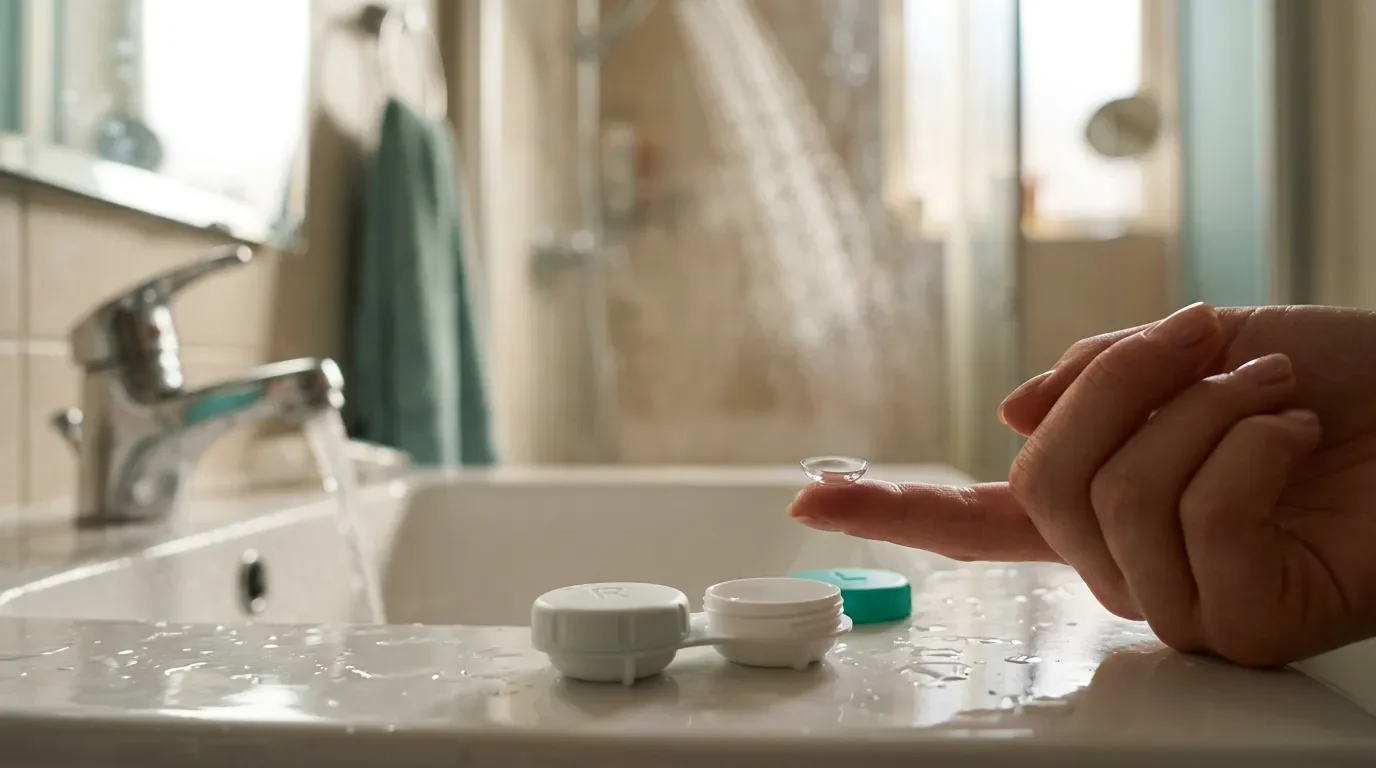
Showering in contacts feels harmless because the water is clean enough to bathe in. Your eyes are not a bathtub.
CDC is blunt: contact lenses and water are a bad combination, including showering, swimming, or using a hot tub. Water can make soft lenses change shape, swell, and stick to the eye. That can scratch the cornea, which gives germs an easier way in. 2
The germ people bring up most often here is Acanthamoeba, an ameba found in tap water, lake water, well water, pools, hot tubs, soil, and dust. Acanthamoeba keratitis is rare, but it can cause severe pain and permanent vision loss if it is not treated. 3
So the practical version is simple:
- Take contacts out before showering, swimming, hot tubbing, or lake days. 4
- If water touches your lenses, take them out as soon as you can. Throw them away if they are disposable, or clean and disinfect them overnight before wearing them again. 2
- If you need vision in the water, prescription goggles are a better plan than hoping your contacts behave. 2
The second big rule: do not sleep in daily-wear contacts
A nap in contacts is easy to justify. You are tired, your bed is right there, and taking them out feels like one extra task too many.
FDA says not to sleep in daily-wear lenses because it may increase your chance of infection or irritation. CDC says the same: avoid sleeping in lenses unless your eye care provider specifically told you to. 5 4
If this is your weak spot, build around it instead of pretending you will become a different person at 1:30 a.m. Keep backup glasses near your bed. Keep a travel-size bottle of solution and a clean case in your bag if you crash at someone else's place. CDC specifically recommends carrying backup glasses in case you need to take lenses out. 4
Your 90-second lens routine
You do not need a spa ritual. You need a routine you can do while annoyed.
- Wash your hands with soap and water, then dry them completely. CDC includes both steps because wet hands can still move germs and water toward the lens. 4
- Use real contact lens solution, not water. CDC says to avoid rinsing or storing contacts in water. 4
- Rub and rinse lenses with disinfecting solution. Even if your bottle makes the process sound effortless, CDC still recommends rubbing and rinsing lenses with disinfecting solution. 4
- Use fresh solution every time. Do not top off old liquid in the case. CDC says mixing fresh solution with old solution reduces disinfection effectiveness. 6
- Clean the case with solution, not water, then let it air-dry upside down with the caps off. CDC recommends rubbing and rinsing the case with fresh solution, emptying extra solution, drying it with a clean tissue, and storing it upside down. 6
One more boring purchase: replace your case at least every three months. Cases get gross quietly. 4
Saline is not the same as disinfecting solution
This is where people get tripped up. Saline can rinse. It does not disinfect.
CDC says saline solution does not disinfect contact lenses and should only be used for rinsing after another care system has cleaned and disinfected the lenses. 6
Hydrogen peroxide systems are their own category. They can clean and disinfect, but they need the special case that neutralizes the peroxide into saline over time. CDC says to wait 4 to 6 hours, or the time directed on the label, before wearing lenses from that system. Do not rinse lenses with hydrogen peroxide right before putting them in your eyes. 6
If you are not sure which bottle you own, pause. Read the label. Your eyeball should not be the test surface.
The stuff people do that is secretly sketchy
A few contact lens habits are common enough that they feel normal. They are still bad ideas.
- Wearing contacts in the pool, hot tub, lake, ocean, or shower: take them out first; use prescription goggles if you need vision in water. 5
- Stretching disposables past the replacement schedule: replace contacts as recommended by your eye care professional. 5
- Sharing lenses with a friend: do not swap contacts; FDA says swapping can transfer germs and badly fitted lenses can cause injury or infection. 5
- Buying random lenses from sketchy sellers: FDA says contacts are medical devices that require a prescription and should not be bought from unauthorized vendors. 5
- Using eye drops, redness drops, or other eye products without checking: FDA says to ask your eye care professional before using medicine or topical eye products, even over-the-counter ones. 5
The vibe here is not perfection. It is lowering the number of ways germs, water, old solution, or a bad fit can mess with a very delicate part of your body.
When your eye needs real help
Contacts can make mild irritation feel like an everyday inconvenience. Do not tough it out if the symptoms look different from your usual dry-eye nonsense.
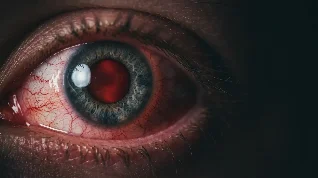
CDC says symptoms of microbial keratitis can include irritated or red eyes, worsening pain in or around the eye even after removing lenses, light sensitivity, sudden blurry vision, unusually watery eyes, or discharge. If you have any of those symptoms, remove your contacts and call your eye doctor immediately. 7
A simple rule: if your eye hurts, vision changes, light feels brutal, or the redness is not calming down after the lenses are out, do not put the lens back in to see what happens. Switch to glasses and get same-day advice. If you cannot reach an eye doctor and you have severe pain, sudden vision changes, or an eye injury, urgent care or an ER is reasonable.
The low-drama setup that makes this easier
Set yourself up like someone who knows future-you will be lazy.
- Keep glasses somewhere you can actually find them.
- Keep a spare lens case and travel-size solution in your bag.
- Replace your case on a calendar reminder every three months.
- Take lenses out before makeup removal, and put lenses in before applying makeup. FDA recommends inserting contacts before cosmetics and removing lenses before removing makeup. 5
- Do not make tap water part of the routine. No rinsing lenses, no rinsing cases, no storing contacts in water.
Contacts are convenient when you treat them like medical devices for 90 seconds a day. Ignore that, and your eye gets to make the decision for you.

このコンテンツについて、さらに観点や背景を補足しましょう。