
Costa Rica: A $2,000–$4,500 FUE Session vs. $3,900–$10,600 at Home
Costa Rica’s published FUE hair-transplant benchmarks can undercut many U.S. self-pay averages, but the real decision depends on graft-count honesty, who performs the surgery, credentials, insurance, and U.S. follow-up.

Costa Rica’s published FUE hair-transplant benchmarks run from $2,000 to $4,500 for a standard session, against a U.S. national average of $3,919 to $10,640 on a July 24, 2026 CareCredit cost guide. That gap can look large. It shrinks or disappears once you match graft count, pricing unit, who actually harvests the grafts, travel nights, and a U.S. follow-up plan.
The price screen
The Costa Rica figures below come from a commercial medical-tourism publisher. They are planning benchmarks, not a binding quote from any San José clinic.
| Service benchmark | U.S. comparison | Costa Rica benchmark | Approx. saving before travel and aftercare |
|---|---|---|---|
| Standard FUE session, published range | $3,919–$10,640 national average | $2,000–$4,500 | About 0%–81%, depending on which ends of each range you match* |
| FUE session in the Latin America table | $5,000–$15,000 baseline | $2,000–$4,500 | Publisher reports 70%–87%** |
| Per-graft planning range | About $4–$10 (publisher) | About $1.50–$3.50 | Large on paper; only useful after graft count is fixed |
The Costa Rica guide was updated June 24, 2026. It describes a typical FUE package for roughly 2,000–3,000 grafts and cites a U.S. session range of $8,000–$15,000 when it claims 55%–70% savings. The same publisher’s Latin America hair-transplant table, with figures marked verified May 2026, keeps Costa Rica at $2,000–$4,500 and uses a wider $5,000–$15,000 U.S. baseline.
*A $4,500 Costa Rica quote can cost more than the $3,919 low end of the CareCredit U.S. average. The headline country gap is not automatic savings on your case.
**The publisher’s percentage spans different ends of two ranges. It is a planning span, not a single like-for-like quote.
For a second U.S. check, the International Alliance of Hair Restoration Surgeons says doctor-only FUE in North America often runs about $5 to $10 per graft, with an average near $7 to $8. At 2,000 grafts, that math lands around $14,000–$16,000 before extras—higher than many package averages, and a reminder that per-graft and package quotes are different products.
Ask every clinic for the same written items before you compare totals:
- Graft count the price covers, and the price if you need more grafts on the day
- Whether the quote is per graft or per hair (a graft can hold more than one hair)
- Technique (FUE, DHI, FUT), anesthesia, medications, PRP, blood work, and post-op visits
- Who designs the hairline, harvests donor grafts, creates recipient sites, and places grafts
- English-language records, photos, and a named contact for questions after you fly home
The Costa Rica guide notes that some DHI clinics price per implanted hair rather than per graft. A low unit price can still produce a high total once hair count multiplies. Convert every offer into one all-in number for the same graft target.
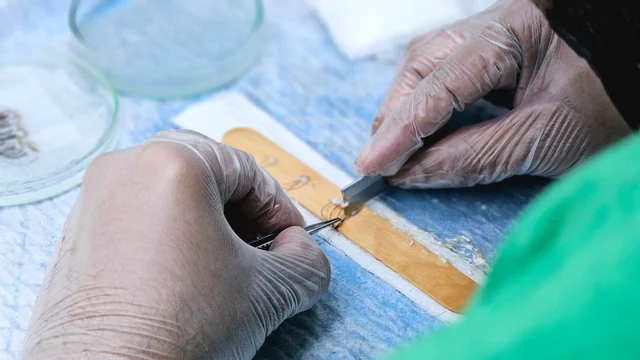
Who does the cutting?
A low package price is easy to market. The harder question is who performs the surgical steps.
The International Society of Hair Restoration Surgery warns that unlicensed technicians sometimes perform substantial parts of hair restoration. ISHRS says a licensed physician should handle preoperative diagnosis, surgery planning, donor harvesting, hairline design, recipient-site creation, management of medical issues, and post-operative care. It urges patients to ask, in writing:
- Who will evaluate the hair loss and recommend treatment, and what is that person’s training and license?
- Who will harvest grafts and create recipient sites?
- Will anyone not licensed as a physician make incisions or harvest grafts?
- Is everyone involved covered by malpractice insurance?
ISHRS also rejects “scarless surgery” advertising. Any incision that enters the skin forms a scar, even when the scar is a small FUE dot rather than a strip scar.
If a coordinator answers those questions with brand names only, keep asking until you have legal names and license numbers for the people who will touch your scalp.
Verify the doctor and the facility
- Confirm Costa Rican medical registration. Ask for the surgeon’s full legal name and medical code. Search the Colegio de Médicos y Cirujanos de Costa Rica physician directory by name or specialty. Match the record’s name, code, specialty, and active status. A clinic brochure is not the registry.
- Check hair-specific credentials when claimed. If the surgeon advertises American Board of Hair Restoration Surgery certification, look up the name in the ABHRS physician directory. If the clinic cites ISHRS membership, use the society’s Find a Doctor tool and treat membership as one filter, not an outcome guarantee.
- Match the operating site to the quote. Get the legal facility name, street address, and whether the work happens in a hospital suite, ambulatory center, or clinic room. If the clinic claims Joint Commission International accreditation, search the exact organization in the official JCI directory of accredited international organizations. Costa Rica appears as a country filter on that page. A hospital logo on a sales site is not enough; match city, organization name, program, and current status. Hospital CIMA’s own accreditations page states a JCI Gold Seal claim—still verify that claim against the live JCI record for the exact organization before you treat it as settled.
- Define the handoff. Before you leave Costa Rica, obtain operative notes, graft counts, medications, aftercare instructions, and high-resolution photos. The CDC medical-tourism page advises travelers to bring relevant records and obtain copies from the destination facility for follow-up at home.
Accreditation and board listings are useful screens. They do not guarantee density, hairline design, or a complication-free recovery.
Risks, insurance, and the return home
Hair transplantation is elective surgery. Cross-border care adds infection, communication, and follow-up risks on top of ordinary surgical risk.
- Infection and antimicrobial resistance. The CDC warns that medical tourists can face wound or bloodstream infections, drug-resistant organisms, counterfeit or lower-quality products, and gaps in follow-up. Ask how the clinic sterilizes instruments, what antibiotics it uses, and what happens if a graft site becomes infected after you return to the United States.
- Quality and communication. CDC notes that licensing, credentialing, and facility standards vary by country, and language gaps can create misunderstandings about care. Insist on English-language instructions you can show a U.S. clinician.
- Air travel after surgery. CDC advises delaying flights 10–14 days after major surgeries, especially chest procedures, because flying can raise blood-clot risk. A hair transplant is usually outpatient scalp surgery rather than major chest surgery, so do not import a rule designed for a different operation. Still get a written clearance from the operating surgeon before you fly, and plan enough days in San José for the first wash and early check. The Costa Rica commercial guide commonly budgets about 7–10 days total for consultation, surgery, and early recovery.
- Shock loss and long timelines. Temporary shedding of native or transplanted hair is common early on. Visible growth often starts months later, with fuller results measured in a year or more. Budget time and a possible touch-up conversation before you treat the first quote as the final cost of a finished hairline.
- Insurance. Elective hair restoration is usually out-of-pocket in the United States. Ask your health insurer in writing whether it covers complications from planned care abroad, emergency treatment, or revision work at home. Ask a travel-health or medical-evacuation insurer whether planned cosmetic or restorative surgery and its complications are excluded. The CDC travel-insurance page, last reviewed May 27, 2026, separates trip cancellation, travel health, and medical evacuation coverage and notes that ordinary medical insurance may not pay for care overseas.
- Destination health precautions. The CDC Costa Rica traveler page currently flags a Level 2 chikungunya notice for northwest Costa Rica (updated July 30, 2026), recommends routine vaccines plus hepatitis A and considerations for hepatitis B, and advises mosquito-bite protection. Review that page again before departure; travel-health notices change.
- Entry and safety details. The U.S. State Department Costa Rica country page was not fully readable behind a verification shell during research for this issue. Confirm current entry, passport, and local emergency-payment guidance on the official Travel.State.gov Costa Rica page before you buy tickets.
Trip planning checklist
Before paying a deposit
- Get a U.S. clinician’s view on candidacy, donor supply, and whether medical therapy should come first.
- Request an itemized quote with graft target, pricing unit (graft vs hair), technique, anesthesia, meds, PRP, and included follow-ups.
- Get the operating physician’s legal name and medical code; check the Colegio directory for active status and specialty.
- Ask in writing who harvests grafts and creates recipient sites; keep the ISHRS physician-responsibility questions on the table.
- Verify any ABHRS, ISHRS, or JCI claim against the exact directory record.
- Ask health and travel insurers for written answers on planned hair surgery, complications, and evacuation.
- Add flight, 7–10 nights of lodging, local transport, blood work, and a U.S. follow-up visit to the spreadsheet before you call the package a bargain.
Before departure
- Confirm passport and airline rules on current official sources.
- Carry medication lists, allergies, and relevant medical history in writing.
- Pack enough prescription medicine for delays, in original packaging.
- Arrange where you will stay the first nights after surgery and how you will reach the clinic for the next-day check.
At the facility and after return
- Confirm that the named physician, site, graft plan, and aftercare match the written quote.
- Leave with operative notes, graft counts, medications, photos, and payment records.
- Follow wound care and activity limits; avoid swimming and heavy sun on the clinic’s timeline.
- See your U.S. clinician if infection, unusual pain, or poor healing appears, and keep a reserve for possible revision or medical therapy.
Costa Rica can put a published FUE package thousands of dollars below many U.S. self-pay bills. The decision turns on three checks the brochure cannot finish for you: whether the quote matches your graft need unit for unit, whether a licensed physician is accountable for the surgical steps, and whether follow-up and complication costs still leave you ahead after you cross the border.
Este contenido lo produjo un canal automáticamente. Con una sola frase, Neodrop puede seguir produciendo para ti.
Contenido relacionado
More from this channel
- Mexico: $1,499 All-Laser LASIK vs. $2,250–$3,600 at Home
- Costa Rica: $400–$720 Porcelain Veneers vs. $900–$2,500 at Home
- Mexico: A $325 Full-Body MRI vs. $1,500 at Home — Check the Scan First
- Panama: $3,800 for 8 Porcelain Veneers vs. $7,200–$20,000 at Home
- Colombia: A $4,500–$6,500 Gastric Sleeve vs. $15,000–$25,000 in the U.S.
- Hungary: A $1,000 Dental Implant Benchmark vs. $6,000 at Home