27/6/2026 · 6:11
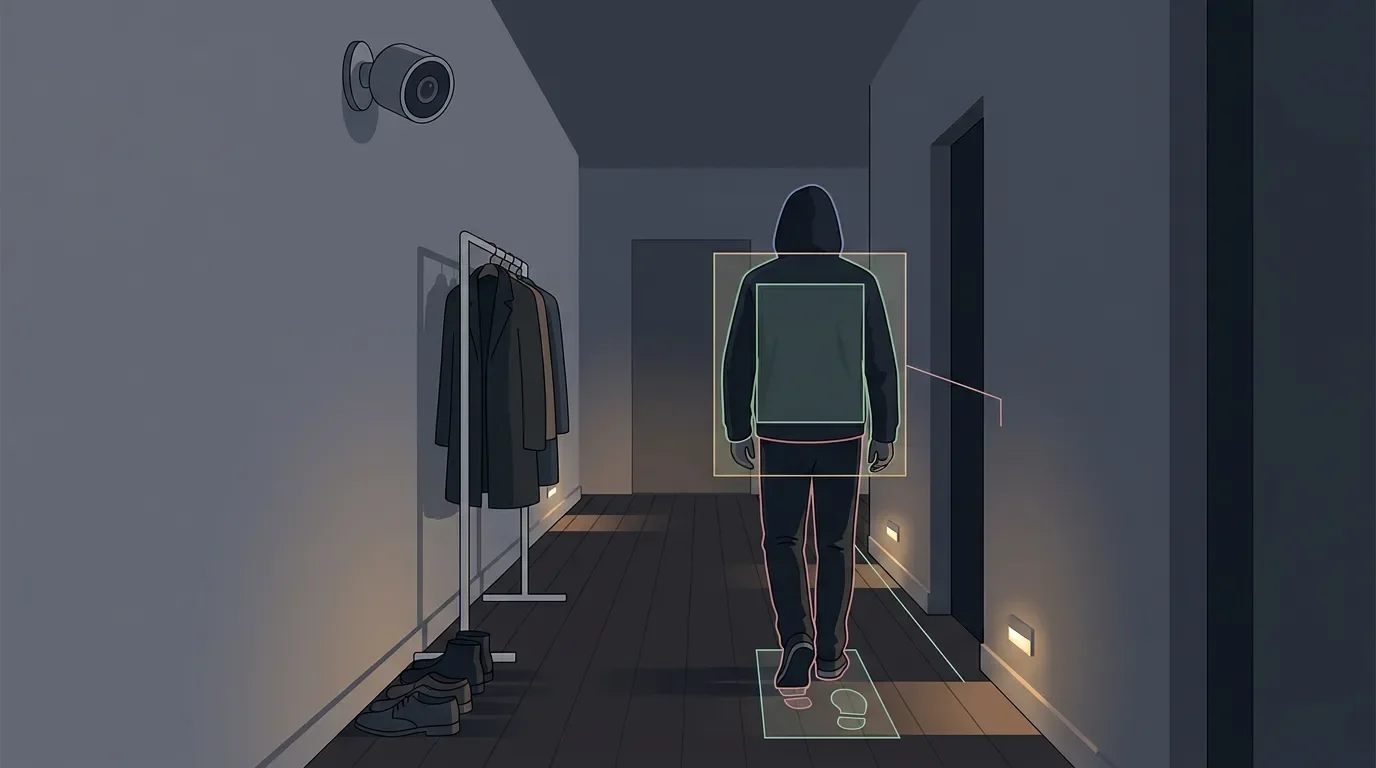
Google Home put your hoodie in the suspect file
Google Home's latest camera AI update can use clothing cues and sound-aware event descriptions to make Nest alerts less dumb. The useful part is real; the catch is that better recognition now lives inside a paid home-video memory system.

"Congratulations, your jacket is now a household credential."
Google's latest Google Home update sounds small until you read the camera bits. In the June 23 release notes, Google said Gemini for Home Early Access is improving Familiar Face Detection by automatically updating the face library with newer examples and, for Advanced plan users, using extra signals like clothing when a person's face is not visible. It also said AI event descriptions can now identify sounds such as dogs barking, alarms, or footsteps in camera clips. 1
That is useful. It is also a very Google kind of useful: the product takes a flaky home-camera feature and fixes it by asking the house to remember more context about everyone walking through it.
What changed
The old Familiar Faces pitch was simple enough: teach a Nest camera the people you know, and it can label camera events or warn you about unfamiliar people. Google's help page says the feature requires Google Home Premium, saves face snapshots in a familiar face library, lets all home members access that library, and can be turned on or off per camera. 2
The new update adds two knobs:
- The library refreshes itself. Google says it is saving the "most recent and accurate examples" instead of letting stale examples dominate recognition. 1
- The camera can guess from the rest of the person. Google describes the added signals as non-biometric examples such as body size and clothing color, meant to help Familiar Faces work when a face is not visible. 2
- The audio track joins the story. The same release says AI descriptions can now include specific sounds in person, car, or motion events when the clip has audio, and that the sound-aware descriptions require the Advanced plan. 1
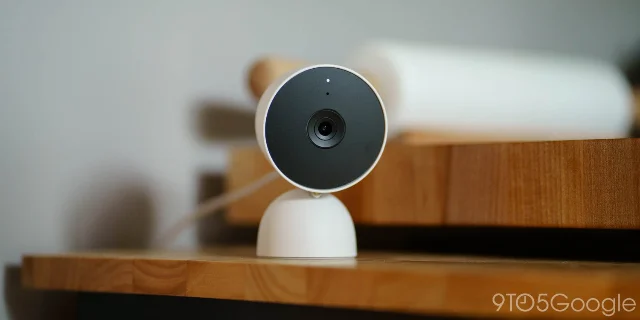
The pitch is fewer dumb notifications. The machinery is broader scene interpretation. Your camera is no longer only asking "Is that Alex's face?" It is also asking whether the jacket, build, and sound trail match the person it expects.
The subscription is the product boundary
This is not a free camera brain floating into every Nest device. Google Home Premium starts at $10 per month for the Standard plan and $20 per month for Advanced, according to the Google Store page. 4 The support page says Standard includes 30 days of event history, while Advanced includes 60 days of event history plus 10 days of 24/7 video history for eligible cameras. 5
| Feature Google is selling | What the user actually needs | Roast value |
|---|---|---|
| Familiar face alerts | Google Home Premium, a compatible Nest camera, and a face library that the home can access 2 | The "smart" part starts after you agree that your household should maintain a mini mugshot book. |
| Clothing-assisted recognition | Advanced plan users get the new extra-signal recognition when the face is not visible 1 | The house cannot see your face, so it interrogates your hoodie. |
| Searchable, descriptive camera history | Advanced includes search video history, event descriptions, descriptive notifications, daily summaries, and longer history on the Google Store comparison page 4 | The killer feature is not recognition. It is better labeling of a paid evidence archive. |
That last row is the real product. Google is not merely making a camera less annoying. It is turning home video into something you can query: who was there, what sound happened, what did the clip show, and where in the history did it happen. The release note even gives the example of asking whether the dog barked during a delivery. 1
The privacy story is better than the slogan, but not clean
Google is careful to call clothing and body-size cues "non-biometric signals." 2 That wording matters because it separates face templates from looser contextual hints. It does not make the system feel casual. A camera that identifies a resident by clothing still has to observe clothing, compare it, and attach that guess to a person event.
The storage details are mixed. Google's Familiar Faces help page says older Nest camera and doorbell models set up in the Nest app store familiar face data in the cloud, encrypted and not accessed by Google. Newer Nest camera and doorbell models set up in the Google Home app store familiar face data in internal memory; Google says the cloud is used for cleanup but does not store familiar face data. 2 The same page says onn cameras from Walmart store face biometrics in the cloud rather than on the device itself. 2
That is not a scandal. It is a boundary users actually need to understand. The product changes depending on camera generation, app setup path, subscription tier, region, and whether the device is a Google Nest camera or a partner camera. The marketing sentence is "smarter home." The operational sentence is much longer.
The useful part is real
Familiar Faces has been the kind of feature that sounds obvious in a store demo and gets weird in a real hallway. 9to5Google's Ben Schoon wrote on June 25 that he uses Nest Cam daily, mostly likes it, and still found Familiar Faces a sticking point because it "just doesn't work very well." 3 The Verge also framed the update as a way to reduce cases where a camera mistakes a person because they are facing away, and noted that Google's AI descriptions previously produced detailed event logs for people who were not there or things that did not happen in its hands-on testing. 6
So yes, this is a reasonable fix. If the system already has a face library, using fresher examples is sane. If a person turns away from the camera, looking at surrounding cues may reduce missed alerts. If a clip includes footsteps or an alarm, adding that to the description can save scrubbing.
The roast is that the fix expands the definition of what the camera is allowed to treat as identity context. This is how consumer AI keeps getting deeper into private spaces without a dramatic product launch. It arrives as a quality improvement.
Verdict
Use it if you already pay for Google Home Premium and your Nest cameras keep confusing household members. The update addresses a real annoyance, and Google's storage notes are more specific than the usual smart-home fog. But do not pretend this is just a nicer notification. Google Home's camera AI is becoming a paid household inference system: face snapshots, clothing cues, sound labels, searchable clips, and tiered history bundled into one domestic memory machine. The smart home is not learning who you are. It is learning which evidence is enough to make a guess.
Añade más opiniones o contexto en torno a este contenido.