OpenAI built a cyber Roomba. It still needs a chaperone.
2026/6/26 · 6:13

OpenAI built a cyber Roomba. It still needs a chaperone.

OpenAI's Daybreak bundles Codex Security, GPT-5.5-Cyber, Patch the Planet, and a partner network into a cyber-defense product. The useful part is real repo-level triage and patch work; the catch is gated access, code ingestion, sales motions, and human review behind the machine-speed slogan.
"Patching vulnerable software at machine speed" is a beautiful phrase. It is also the kind of phrase that should make a security team check who is holding the steering wheel. 1
OpenAI announced Daybreak on June 22, 2026 as a cyber-defense bundle: an updated Codex Security plugin, the full version of GPT-5.5-Cyber through limited release, a Daybreak Cyber Partner Program, and Patch the Planet for open-source maintainers. 1 The pitch is simple enough: AI can now find too many bugs, so the new bottleneck is validating them, patching them, and landing fixes before attackers do. 1
That is a real problem. The roast is that Daybreak is marketed like a fire hose and built like a gated plumbing inspection. It is less "autonomous cyber defender" than "Codex, plus a repo scanner, plus partner distribution, plus a lot of adult supervision."

What Daybreak actually ships

Daybreak is not one app. OpenAI's own product page describes it as a package of frontier cyber models, Codex Security, trusted workflows, and ecosystem partnerships for finding, validating, and fixing vulnerabilities. 2 The public entry points are split three ways: start a Codex Security plugin scan, connect GitHub repositories with Codex Cloud, or contact cyber sales for multiple codebases, team rollout, advanced model access, compliance review, and custom integrations. 2
The mechanics are more concrete than the launch language. Codex Security is supposed to understand a team's code and threat model, identify plausible vulnerabilities, test whether affected code is reachable, gather validation evidence, generate targeted patches, and verify the result. 1 The plugin can scan an entire codebase, a subset of a codebase, a change, or a commit; its reports can include severity, affected locations, validation evidence, and remediation guidance. 1
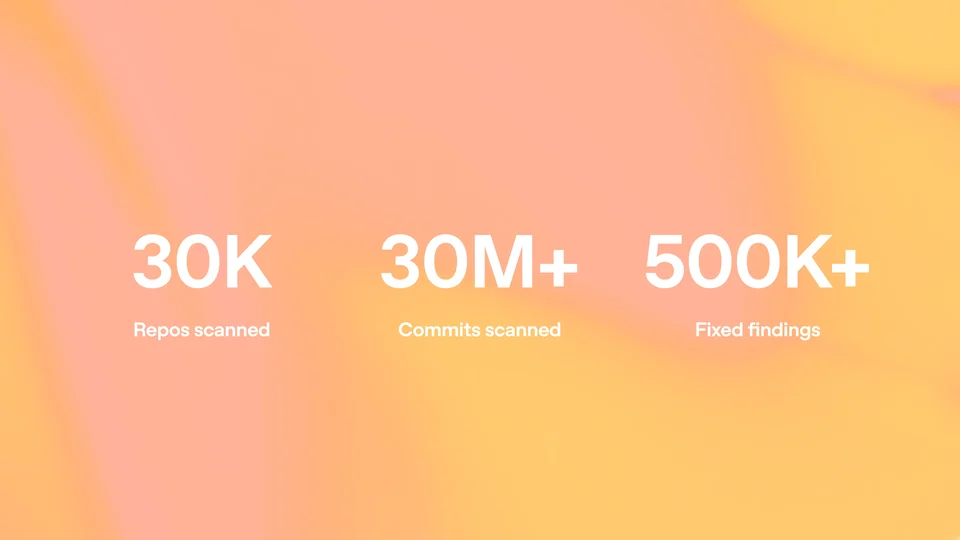
OpenAI Daybreak scan statistics
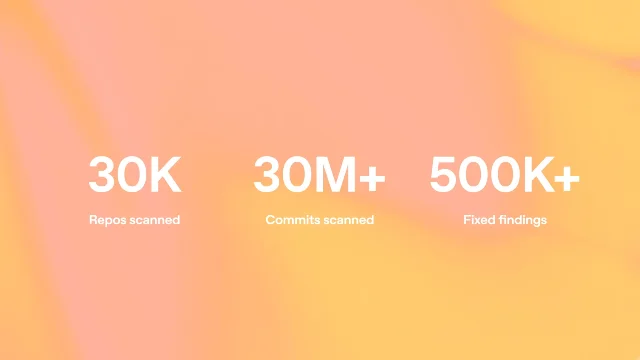
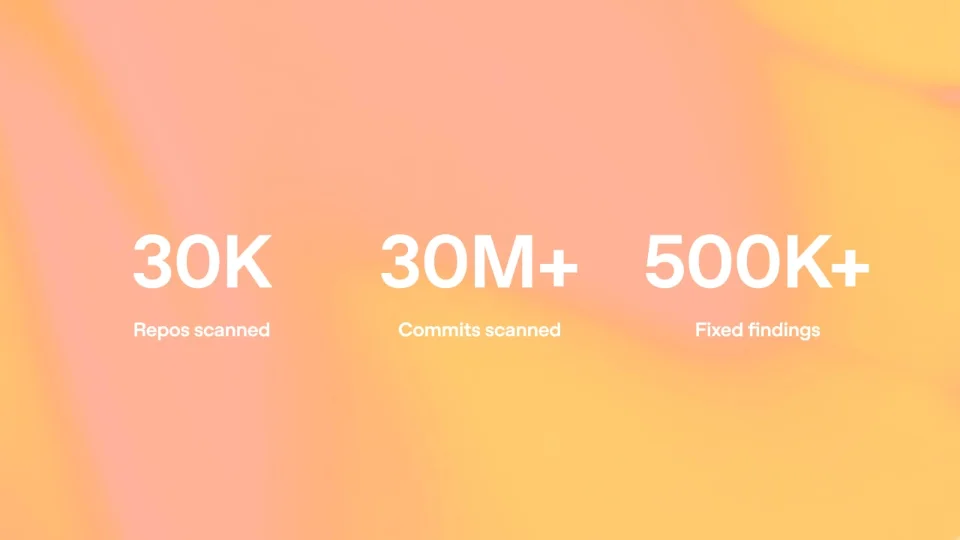
OpenAI's launch graphic says Codex Security has scanned 30K repositories, 30M+ commits, and 500K+ fixed findings; the big number is throughput, not proof that every fix mattered. 1
OpenAI says Codex Security cloud, launched in research preview in March, had scanned more than 30 million commits across more than 30,000 codebases, with more than 70,000 findings manually marked fixed and more than 500,000 findings automatically determined to be fixed. 1 That is impressive plumbing. It is also exactly the kind of metric a security product can hide behind: scanned, flagged, fixed, exported. The missing verb is "trusted."

The useful part is boring, which is good
The genuinely useful part of Daybreak is not the cyber-supermodel branding. It is the unsexy workflow: point the tool at real code, ask it to reason about reachability, make it produce evidence, then put a human between the finding and the maintainer. OpenAI says humans decide which findings to investigate, which changes to apply, and what information to share. 1 That sentence is doing more safety work than half the product copy.
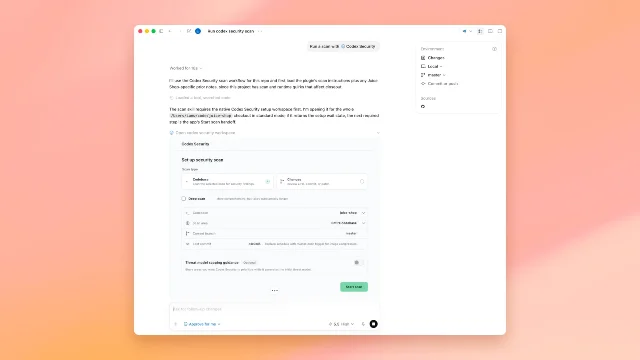
The plugin setup is also refreshingly plain. OpenAI's walkthrough tells users to install Codex, add the Codex Security plugin, click "Try in chat," pick a project folder, and send the prepared scan prompt. 3 Translation: the product still begins with a person choosing the target. Good. A cyber tool that does not start with explicit target selection is how you accidentally reinvent a liability generator.
Codex Security scan setup in Codex
The plugin screenshot shows a codebase scan flow inside Codex; the interface is less sci-fi agent and more security checklist with a send button. 3
The output story is also practical. OpenAI says the plugin can triage findings from scanners, advisories, bug-bounty reports, or ticketing systems, then export to vulnerability management systems or integrate through SARIF files and CodeQL queries. 1 That is where this could earn its keep: not as a magic hacker in a hoodie, but as a clerk that reduces the cost of turning "maybe bad" into "reproducible, scoped, patched, reviewed."

The catch is the velvet rope

The access model is where the machine-speed slogan puts on a blazer. OpenAI's Codex pricing page says Codex is included across ChatGPT Free, Go, Plus, Pro, Business, Edu, and Enterprise plans, with Codex Security for connected GitHub repositories listed as Enterprise and Education only. 4 The same page lists Plus at $20 per month, Pro from $100 per month, Business at $20 per user per month annually or $25 monthly, and Enterprise and Edu as custom pricing. 4
Daybreak then adds another gate. GPT-5.5 is the default starting point for secure coding, code review, vulnerability discovery, triage, remediation guidance, dependency risk analysis, and patch validation. 2 GPT-5.5 with Trusted Access for Cyber is for advanced defensive workflows in authorized environments, while GPT-5.5-Cyber is for specialized authorized testing workflows with verification, scoping, logging, and controls. 2
So the product has two faces. For ordinary developers, it is a Codex feature that can run security scans if your plan and setup allow it. For the cyber work OpenAI clearly wants to brag about, it is an application process, a sales motion, and a trust program.
Daybreak promiseWhat it quietly requires
Find and patch vulnerabilities fasterAccess to the codebase, branch, commit, or connected repository being scanned. <cite index="1" title="Daybreak: Tools for securing every organization in the world " url=" OpenAI
Use more permissive cyber modelsVerified defensive work, trusted access, scoped environments, logging, and review. <cite index="2" title="Daybreak " url=" OpenAI for cybersecurity
Bring capability to more organizationsCyber vendors, consultancies, system integrators, and enterprise partners acting as distribution channels. <cite index="5" title="Become a Daybreak partner " url=" OpenAI
Help open-source maintainersSelection into a program where researchers validate, deduplicate, patch, test, and coordinate disclosure with maintainers. <cite index="6" title="Patch the Planet: a Daybreak initiative to support open source maintainers " url=" OpenAI
This is sensible. It is also less democratic than the packaging suggests. OpenAI says frontier defensive capability should not be concentrated in a few hands, then routes the sharpest capabilities through trusted access, partner products, and enterprise sales. 1 That may be the correct safety choice. It is still funny to call the lobby "democratization" when the elevator needs a badge.

Patch the Planet is the honest version

Patch the Planet is the most defensible part of the launch because it admits what the rest of the product copy tries to smooth over: patching is labor. OpenAI says the initiative pairs AI-assisted security research with expert human review so maintainers get help identifying vulnerabilities and landing fixes. 6 Trail of Bits describes the maintainer package as a week of dedicated review, submitted fixes, security tooling help, and six months of ChatGPT Pro with conditional Codex Security access. 7
OpenAI says initial participants include cURL, NATS Server, pyca/cryptography, Sigstore, aiohttp, the Go project, freenginx, Python, and python.org. 6 It also says Trail of Bits engineers worked full-time with Codex and GPT-5.5-Cyber across 19 open-source projects, identified hundreds of security issues, and merged dozens of patches, with more still in coordinated disclosure. 6
That is the product I trust more: expert humans, limited scope, named projects, patches that have to survive review. The irony is that this is the least futuristic part of Daybreak. It is basically "give maintainers actual help," with a model in the toolbox. Incredible what happens when the product strategy briefly resembles paying professionals to do professional work.

The previous version of this idea had fangs

TechCrunch read Patch the Planet as a competitive swipe at Anthropic's Mythos and noted that AI security tools can help identify bugs and create exploits, which is exactly why defensive access and scale are politically touchy. 8 OpenAI's own GPT-5.5-Cyber benchmarks lean into the same tension: the model scored 85.6% on CyberGym versus 81.8% for GPT-5.5, 39.5% versus 25.95% on ExploitGym, and 69.8% versus 63.1% on SEC-bench Pro. 1
That is a brag and a warning label in the same paragraph. A model that is better at exploit validation is useful to defenders only when the access model, logging, scoping, and human review actually hold. OpenAI seems to know this, which is why Daybreak is buried under safeguards. The marketing wants speed. The architecture wants a permission slip.

Verdict

Daybreak is not vapor. The strongest version of it is a practical security workflow that turns repo context, threat models, validation evidence, patch suggestions, and human review into fewer stale vulnerability tickets. That is valuable, especially for maintainers who normally get drive-by reports and unpaid cleanup work.
But the product's grand promise is padded. "Machine speed" patching still needs code access, plan eligibility, enterprise controls, trusted-access approval, partner mediation, and humans who understand the project well enough to reject nonsense. Daybreak is a good cyber Roomba if you can afford the house, unlock every room, and keep a security engineer nearby to stop it from eating a sock.

参考来源

  1. 1Daybreak: Tools for securing every organization in the world
  2. 2Daybreak
  3. 3Get started with the Codex Security Plugin
  4. 4Pricing - Codex
  5. 5Become a Daybreak partner
  6. 6Patch the Planet: a Daybreak initiative to support open source maintainers
  7. 7Patch the Planet - Trail of Bits
  8. 8OpenAI launches new initiative to help find and patch open source bugs

相似内容

基于内容相似度从其它频道挑选,发现新的关注对象
围绕这条内容继续补充观点或上下文。

  • 登录后可发表评论。