2026/6/25 · 0:20
The lunch anchor: build steadier afternoon fuel before the crash
A practical guide to using lunch as the day’s protein-and-fiber anchor so convenient carbs do not carry the whole afternoon. Includes the five-window framework, desk-ready Power Snack options, and no-prep defaults for steadier work fuel.

Your 3pm crash usually starts earlier than 3pm.
For a busy workday, lunch is not just the meal between meetings. It is the last big chance to give your brain a slower, steadier fuel curve before the afternoon asks for writing, decisions, patience, and context switching.
The goal is not a perfect lunch. The goal is a lunch anchor: one reliable protein-and-fiber base that keeps your convenient carbs from working alone.
The performance idea: do not let starch carry lunch by itself
The CDC's meal-planning guidance puts the practical point in plain language: carbohydrates raise blood sugar, and eating carbs with foods that contain protein, fat, or fiber slows how quickly blood sugar rises.1 That does not mean a sandwich, rice bowl, burrito, or pasta lunch is off-limits. It means the carb needs teammates.
Harvard's Healthy Eating Plate gives a simple visual: about half the plate from vegetables and fruits, one quarter from healthy protein, and one quarter from whole grains, with healthy plant oils used in moderation.2 That is useful for workplace nutrition because it turns lunch from a calorie-counting exercise into a layout problem.
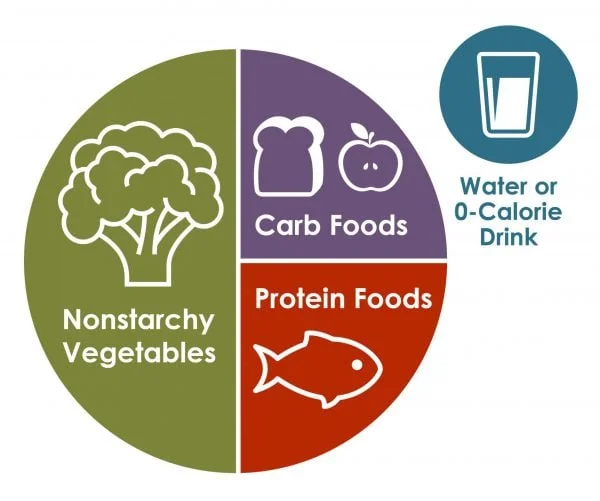
Think of today's lunch question this way:
What is the anchor that makes the rest of this meal behave better?
If the answer is only bread, chips, noodles, fries, or a sweet drink, your afternoon fuel system is fragile. If the answer is chicken, tuna, eggs, tofu, beans, Greek yogurt, lentils, edamame, hummus, nuts, or cottage cheese plus a fiber source, the same workday gets easier to manage.
The five-window meal framework
Use these windows as defaults, not rules. The point is to reduce decision friction before your energy is already low.
| Window | What to do | Why it helps |
|---|---|---|
| 1. Start-up fuel | Get water and a protein-forward breakfast if you eat breakfast. | It keeps the day from opening on caffeine alone. |
| 2. Pre-lunch check | If lunch will be late, use a small protein + fiber bridge around late morning. | You arrive at lunch less reactive. |
| 3. Lunch anchor | Build lunch around protein, high-fiber plants, and one carb you actually enjoy. | Fiber helps regulate the body's use of sugars and helps keep hunger and blood sugar in check.3 |
| 4. 2:30 buffer | Place one desk-ready Power Snack where you can see it before the coffee run. | The snack becomes the default before the slump gets loud. |
| 5. Shutdown reset | Before leaving work, restock tomorrow's anchor or snack. | Tomorrow's decision is made while you still have energy. |
For today's guide, give the most attention to Window 3. A lunch that is mostly refined starch can digest quickly. Harvard's overview of carbohydrates notes that high-glycemic foods such as white bread are rapidly digested and can cause larger blood-sugar fluctuations, while fiber content slows digestion and leads to a more gradual rise.4
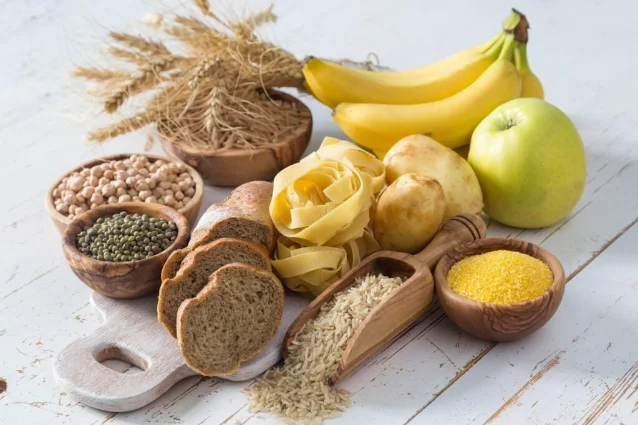
That is the lunch anchor in one sentence: keep the carb, but make it answer to protein and fiber.
Build the lunch anchor in 60 seconds
Use this simple order when you buy, pack, or assemble lunch:
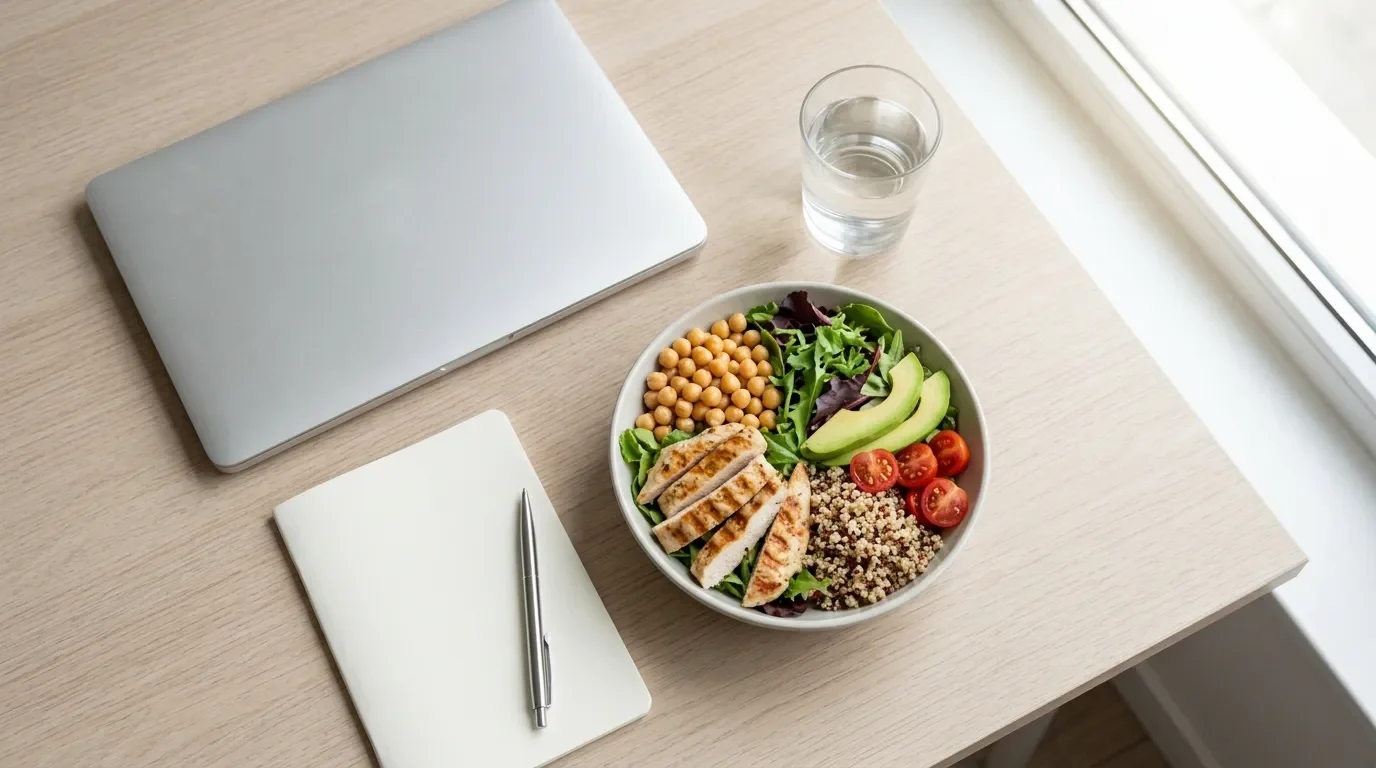
- Choose the protein first. Aim for a visible serving, not a garnish. Good workplace options include grilled chicken, salmon packets, tuna, turkey, eggs, tofu, tempeh, beans, lentils, edamame, cottage cheese, or Greek yogurt.
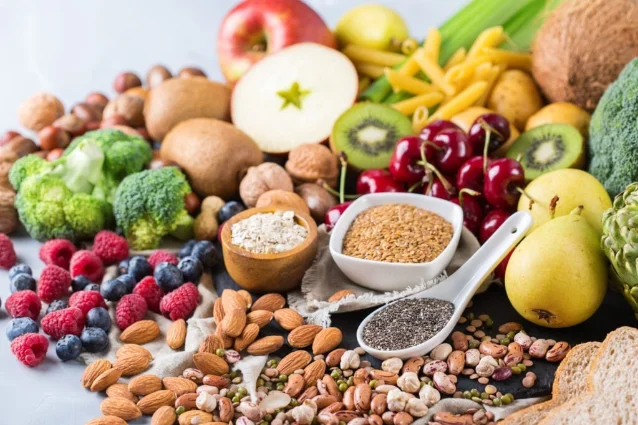
- Add a fiber-heavy plant. Salad greens count, but do not stop there if they leave you hungry. Add beans, lentils, chickpeas, vegetables, berries, an apple, chia, flax, or a whole-grain side.
- Pick the carb on purpose. Bread, rice, pasta, potatoes, tortilla, crackers, or fruit can fit. The move is to avoid making that carb the whole meal.
- Add a healthy fat for staying power. Avocado, olive-oil dressing, nuts, seeds, peanut butter, tahini, or hummus can make the meal more satisfying without needing a huge portion.
A few examples:
- Deli sandwich + side salad + hummus cup.
- Burrito bowl with chicken or tofu, beans, fajita vegetables, salsa, and guacamole.
- Greek yogurt bowl with berries, chia, nuts, and a small granola portion.
- Desk lunch plate: tuna packet, whole-grain crackers, baby carrots, olives, and an apple.
No one needs to call this meal prep. It is assembly.
The Power Snack Formula for the afternoon
If lunch is light, rushed, or delayed, the Power Snack Formula is your backup system:
Protein + fiber + healthy fat.
Keep 3 or 4 of these in rotation so the choice is already made:
- 🥑 Tuna or salmon packet + whole-grain crackers + olives.
- 🧠 Roasted chickpeas + almonds + an apple.
- ⚡ Nut butter packet + high-fiber crispbread + berries or a banana.
- 🥜 Shelf-stable hummus cup + seeded crackers + baby carrots.
These are not magic snacks. They simply make it less likely that the only available option at 3pm is sugar, another coffee, or whatever is closest to the keyboard.
Micro-habits that require no meal prep
The best lunch habit is the one you can repeat when your calendar is messy.
- Order protein first. Before scanning the full menu, ask: chicken, fish, eggs, tofu, beans, or yogurt?
- Use the 2-add rule. If lunch is a carb-heavy convenience meal, add two stabilizers: one protein and one fiber or fat source.
- Put the snack in sight by 2pm. A 2025 scoping review of choice-architecture studies found that availability and positioning of healthier foods were associated with changes in dietary choices across health and care settings.5 Your desk is a tiny food environment, so design it like one.
- Do the water handoff. Every time you finish lunch, place water beside the next work block before opening email.
- Keep the carb you like. Removing favorite foods often turns lunch into a negotiation. Pairing them makes the system easier to repeat.
One caution: the workplace evidence linking food, blood glucose, sleepiness, and productivity is still developing. A 2025 scoping review found only nine eligible studies on workplace sleepiness, diet, blood glucose, and productivity, and it concluded that direct evidence on blood-glucose fluctuations and sleepiness at work remains limited.6 So treat this as a practical fuel strategy, not a promise that one lunch will fix every afternoon dip.
Today's move
At your next lunch, do not start with the question, "What am I craving?" Start with: What is my anchor?
Then build around it:
- Protein you can see.
- Fiber you can chew.
- A carb you chose on purpose.
- A little healthy fat for staying power.
That is enough. Not perfect, not precious, and not dependent on Sunday meal prep.
What is your go-to lunch anchor or sustained-energy snack when you know the afternoon is going to be demanding?
相似内容

Myth #3 — The Anabolic Window: Why Post-Workout Timing Is Mostly Marketing
Body Bro Lies视频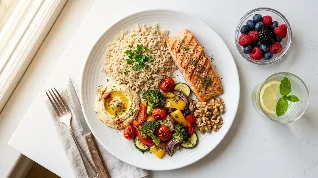
You don't need a perfect Planetary Health Diet — moderate adherence already moves the curve
Nutrition Research Brief文章
3 New PubMed Papers: Plant Protein, Pilates & Probiotics for Sleep
Daily PubMed Research Digest图文
围绕这条内容继续补充观点或上下文。