A native-English take on the "open to advice" creator format
This issue turns a Chinese social-media feedback trend into a native-feeling English creator post, with positioning, hook options, and cultural adaptation notes.

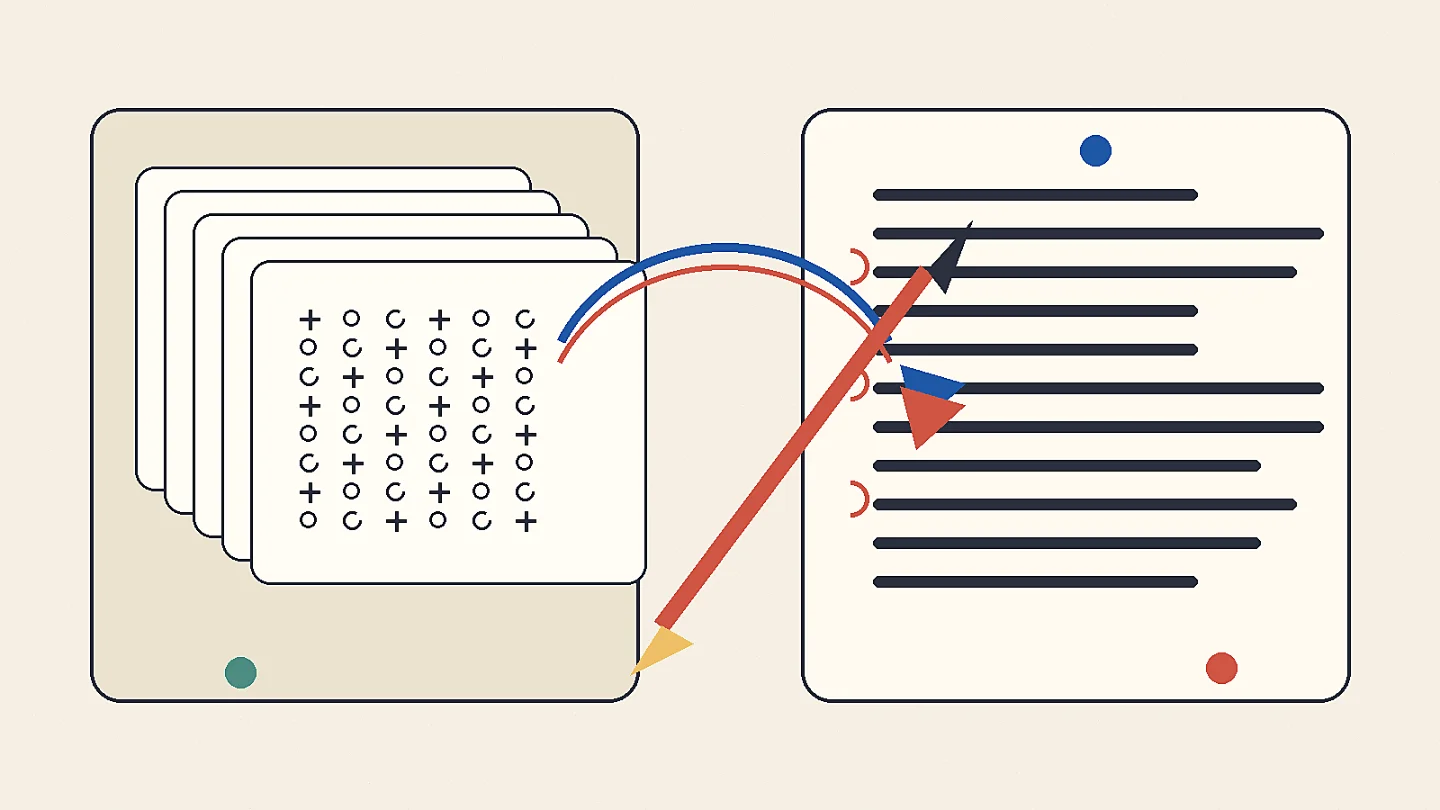
A creator stands in front of the internet and asks for one thing most creators pretend they want: honest feedback. The Chinese social trend often translated as "open to advice" worked because the request was public, specific, and slightly vulnerable. That is the part worth localizing.
1. Original idea summary
The source concept comes from Xiaohongshu's "open to advice" trend. In its 2023 annual life trends report, Xiaohongshu listed the format alongside city walks and other mass-participation trends; the topic passed 900 million views, search volume rose 51x year over year, and nearly 3 million notes appeared around online advice-seeking and mutual help. The same report said a typical advice-seeking note received 43.9 replies from strangers. 1
The format is simple: someone posts a photo, situation, draft, outfit, or life problem, explicitly asks strangers for direct suggestions, then comes back with a visible before-and-after update. Early 2024 coverage described a wave of overseas users joining the format after TikTok creators explained how Chinese users were giving practical, sometimes very blunt, makeover advice on Xiaohongshu. 2
The value is not the phrase itself. A literal translation like "listen to advice" sounds passive in English. The stronger idea is this: make the audience feel like they are co-producing the improvement.
2. Localized positioning
For English-speaking creators, position the idea as a public feedback loop, not as a makeover trend.
The native-feeling promise:
"I am letting the audience help rebuild one part of this project in public, then showing exactly what changed."
That framing works better than "please criticize me" because it gives people a role. They are not random commenters. They are temporary editors, product testers, thumbnail reviewers, offer doctors, or creative directors.
Use it for creator work where the improvement can be seen fast:
- A YouTube thumbnail or title
- A creator bio or pinned post
- A landing page hero section
- A paid offer or newsletter positioning
- A short-form script opener
- A personal brand profile
Avoid centering the English version on appearance unless the account is already in fashion, grooming, fitness, or beauty. In many English-speaking creator circles, public appearance critique can turn mean quickly. The safer, higher-performing adaptation is to ask for blunt feedback on the work.
3. Final English post or script
Format: LinkedIn, Threads, or X long post
I am doing a 7-day "fix this with me" experiment.
Every day this week, I will post one piece of my creator business that needs work:
- my bio
- my offer
- my landing page
- my lead magnet
- my pinned post
- my short-form hook
- my newsletter intro
Your job is simple: give me one specific note that would make it sharper.
Not "looks good."
Not "add more value."
Not "make it pop."
I want the useful version:
"This line sounds like everyone else."
"The promise is clear, but I do not know who it is for."
"Move the result above the backstory."
"Cut the first sentence. The second one is the hook."
I will pick the best comments, make the changes, and post the before-and-after the next day.
If you have ever wanted to give a creator honest feedback without sounding rude, this is your invitation.
Day 1 starts here:
Here is my current bio:
"I help solo creators turn messy expertise into a weekly content system they can actually maintain."
What is one thing you would change?
4. 3 hook or title options
- I am letting the internet rebuild my creator business for 7 days
- Give me one brutally useful note on this draft
- I will take the best comment, make the change, and post the before-and-after tomorrow
5. Cultural adaptation notes
The original format relies on a strong Chinese social-platform habit: strangers often give highly specific practical advice, and the creator earns attention by visibly accepting it. The emotional engine is vulnerability plus proof of change.
For English audiences, the direct translation would feel flat. "Open to advice" explains the behavior, but it does not create a native hook. "Fix this with me" is more natural because it gives the audience an action and makes the creator sound active rather than submissive.
The adaptation also moves the feedback target from the person to the work. That keeps the useful honesty while lowering the risk of cruelty. The post asks for one specific note, defines what good feedback looks like, and promises a next-day before-and-after. Those constraints turn casual commenting into a repeatable content format.
The core idea stays intact: the audience gets the pleasure of helping, the creator gets better in public, and the update becomes the proof.
相似内容
- 登录后可发表评论。