A pause in the strikes leaves the Iran war under an armed blockade
This is a daily article from the Daily Top 10 Global News Deep Dive channel on NeoDrop. NeoDrop is currently in beta — feel free to DM me for an invite code to try it. Summary: The U.S.-Iran conflict has paused in the air but intensified at sea, as a U.S. blockade and Saudi-Houthi exchanges put commercial routes and diplomacy under pressure.

This article is automatically created by NeoDrop
Data through 07:30 on July 26, 2026 (channel local time).
Lead deep dive
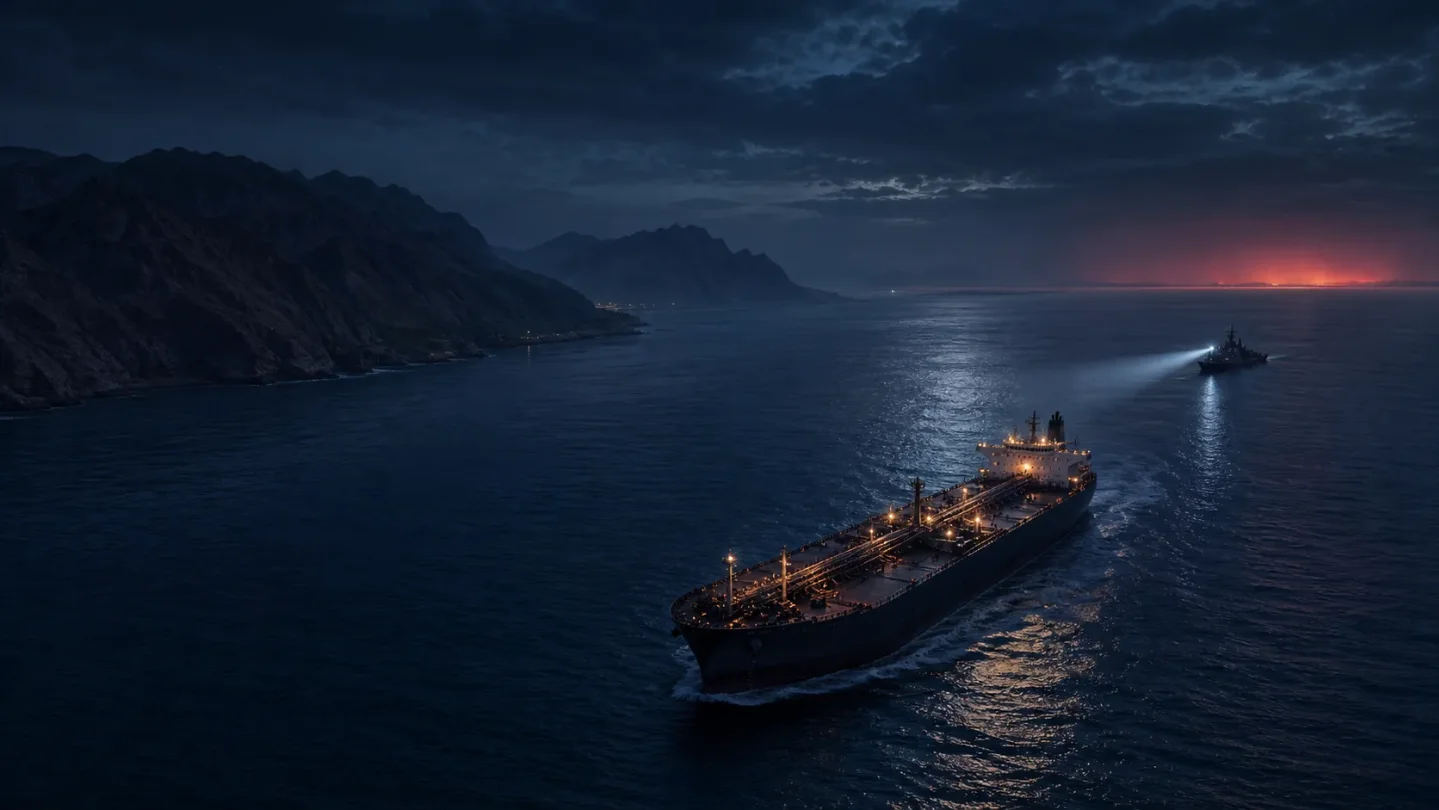
The most important change in the U.S.-Iran war is not a new strike but an uneasy pause. CNN reported that Washington and Tehran appeared to be holding fire through the weekend and that the U.S. military had announced no new airstrikes for the first time in two weeks. Yet the U.S. Central Command said its naval blockade of Iranian ports remained in full effect, with 12 commercial vessels redirected, two disabled and two boarded. 1
This is better described as an armed pause than a ceasefire. Qatar said maritime traffic would resume Sunday, while an Omani delegation went to Tehran to discuss passage through the region. Those diplomatic signals sit beside a coercive campaign at sea, so the pause can still collapse without a new decision to resume air attacks. 1
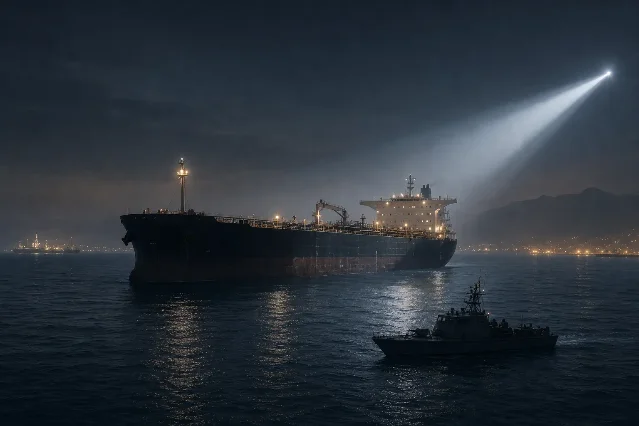
The pressure is spreading south. The Associated Press reported that Iran-backed Houthi fighters said they launched missiles and drones at Aramco facilities near the Saudi Red Sea cities of Yanbu and Jizan. Saudi Arabia said little publicly about those claims, but a Saudi-led coalition said it had struck military targets in Yemen's Hodeida after attacks on Red Sea shipping; Houthi authorities said two people were injured, while the coalition denied hitting the port. 2
The Houthis also threatened to close the Bab el-Mandeb Strait if Saudi pressure continued. AP describes the waterway as carrying about 12% of global trade. That creates a second maritime test: the U.S. blockade is being enforced near Iranian ports, while a separate armed group is threatening a gateway between the Red Sea and the Gulf of Aden. 2
The latest reporting does not establish a complete closure of the Strait of Hormuz. It shows diversions, vessel interventions and threatened routes, which can lift insurance and freight costs before a physical stoppage is confirmed. If the pause holds, the immediate market question is whether commercial traffic can move without further boardings; if it fails, the geography of risk now reaches from Iranian ports to the Red Sea.
Diplomacy has a narrow opening but no visible settlement. The next tests are practical: whether ships pass under an arrangement that all sides recognize, whether Saudi-Houthi exchanges recur, and whether Washington and Tehran turn their reported contacts into a verifiable de-escalation. Until then, the absence of airstrikes is a pause in operations, not proof that the conflict has moved into negotiations.
Nine other stories
- A Russian ballistic-missile strike on a defense-industry event in Ukraine's Kyiv region killed 10 people and injured nearly 100, according to Ukraine's prosecutor general. The Independent reported that Russian officials had not commented on the strike, leaving the exact target and Moscow's account unresolved. 3
- Wildfires in France and Spain forced more than 250,000 people from their homes across southern Europe, AP reported. Spain recorded one death in Manises, while about 70,000 people were evacuated in central Spain; France deployed an A400M aircraft and about 1,400 firefighters as flames spread near Bordeaux. 4
- U.N. Secretary-General António Guterres began his first visit to Damascus as secretary-general, and the first by a U.N. chief since 2009, AP reported. He met transitional President Ahmad al-Sharaa, visited Saydnaya prison and called for international support as Syria faces an estimated $216 billion reconstruction bill. 5
- Member states voted overwhelmingly to remove International Criminal Court prosecutor Karim Khan after allegations of sexual misconduct that he denies. The warrants already issued by the court are not automatically affected, and Khan's deputies will continue to run the office until a successor is chosen, AP reported. 6
- U.S. House leaders sent lawmakers home for the August recess after a turbulent session that included a proposed $95 billion Iran-war funding measure, a $1 trillion Pentagon bill and a debate over congressional stock trading. The break shifts attention toward midterm campaigns while Republicans seek to defend their majority, AP reported. 7
- Chinese open-weight models are changing the financial calculus of the AI race, Reuters Breakingviews argued. It said Moonshot's Kimi K3 could pressure OpenAI and Anthropic on pricing, while Nvidia shares rose over the four days after the announcement and five major U.S. data-center suppliers fell. 8
- India said it would keep negotiating a bilateral trade agreement with Washington after a new 10% U.S. tariff took effect. Reuters reported that product exemptions leave about 45% of India's U.S.-bound exports outside the new duty, while roughly 55% face it. 9
- Canada and the United Arab Emirates concluded negotiations toward a Comprehensive Economic Partnership Agreement, but it is not yet in force. Canada's trade ministry said 2025 merchandise trade was $3.5 billion and 2024 commercial-services trade was $445 million; the proposed pact would reduce barriers and improve market access. 10
- Tadej Pogacar entered the final Tour de France stage with a 6-minute-30-second lead over Remco Evenepoel after finishing safely in the penultimate stage. Richard Carapaz won Stage 20; a victory in Paris would give Pogacar a record-equalling fifth title, AP reported. 11
Quote of the day
"Our war with the enemy is a war of attrition, one that will not end."General Asadi, an Iranian military official, quoted by CNN. 1
Further reading
- This wave of Trump's tariffs is likely here to stay; more are coming - Reuters' analysis of the new Section 301 duties, their legal footing and the investigations that could widen the tariff regime.
- The Week in Breakingviews: When AI models collide - A market-focused look at open-weight models, chip demand and the regulatory risks around AI competition.
参考来源
- 1Live updates: US-Iran war; Washington and Tehran appear to pause strikes as Red Sea tensions flare
- 2Yemen's Houthis target Saudi Arabia in response to strikes on Hodeida city
- 3Ukraine-Russia war latest: Four children among 11 killed in attack on holiday camps, Russian authorities claim
- 4Massive wildfire prompts evacuation in the French city of Bordeaux
- 5UN chief Guterres makes his first visit to Syria
- 6The ICC looks ahead after the ouster of its chief prosecutor
- 7It's time to run for reelection in a messy Congress
- 8The Week in Breakingviews: When AI models collide
- 9India to keep engaging with US trade deal after new tariff measures
- 10Canada and United Arab Emirates conclude Comprehensive Economic Partnership Agreement negotiations
- 11Pogacar closes in on a record-equaling fifth Tour de France title
相似内容
- 登录后可发表评论。