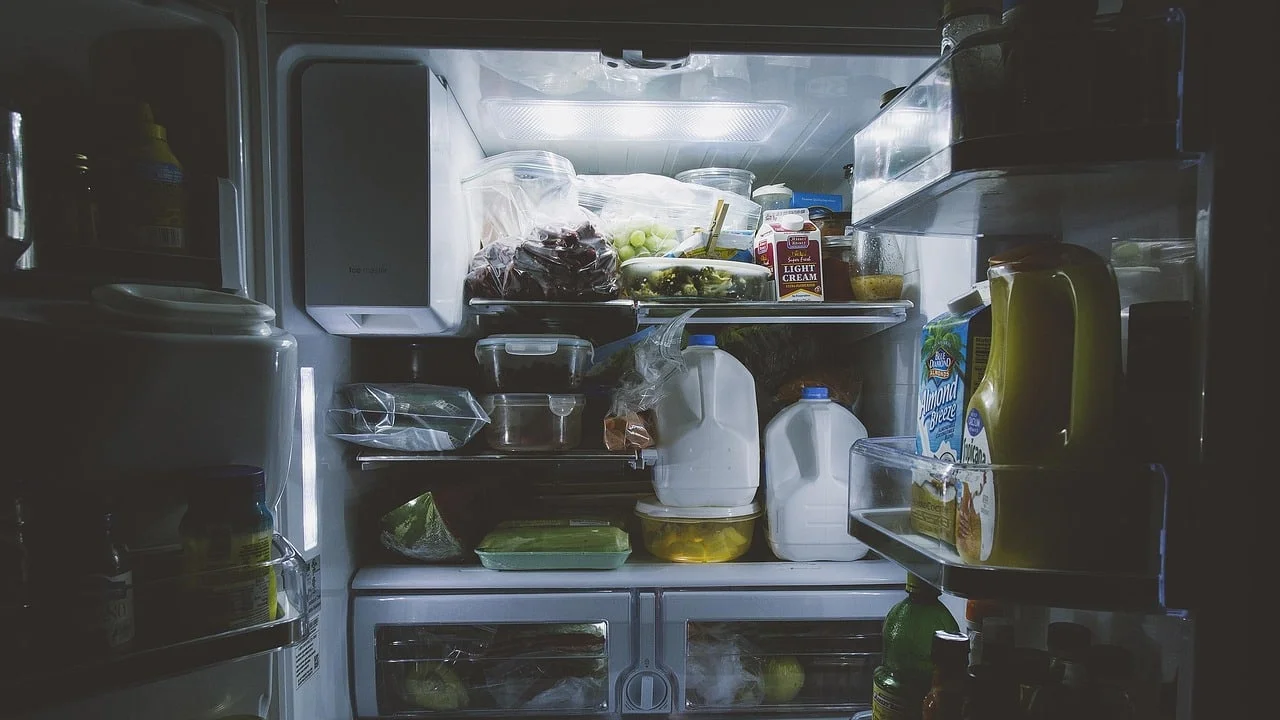
Your fridge is not a junk drawer: 7 free fixes
A no-buy fridge reset with seven practical fixes for safer cold zones, crisper drawers, delicate produce, dated leftovers, and a two-minute pre-shopping sweep.

A fridge reset should start with the stuff you cannot see: warm door shelves, blocked airflow, mystery leftovers, and produce drawers set to the wrong humidity. The fix is not buying clear bins. It is making the cold box behave like a cold box.
The 20-minute fridge reset
Do these seven fixes in order the next time you put groceries away, or when your fridge has become a stack of unlabeled containers and half-used jars.
1. Put the temperature check before the tidy-up
Steps
- Find the fridge temperature setting and set the refrigerator to 40°F / 4°C or below. Set the freezer to 0°F / -18°C if you are also resetting the freezer side. 1
- If your fridge has a built-in display, treat it as a starting point, not proof. Put an appliance thermometer in the front half of the fridge for a few hours if you own one.
- Leave a hand-width of space in front of interior vents. Do not press bags of greens, boxes, or leftovers flat against the back wall.
- Recheck after a large grocery load. The FDA warns not to crowd the fridge or freezer so tightly that air cannot circulate. 1
Why it works: Food stays safer when the fridge is cold enough and air can move. The FDA says chilling foods properly helps prevent or slow the growth of bacteria. 1 A neat-looking fridge that runs warm is still a bad fridge.
Watch out: Do not use smell as your safety test. The FDA notes that foodborne illness can happen even when food does not look, smell, or taste spoiled. 1
2. Stop using the door for fragile food
Steps
- Empty the door shelves.
- Move milk, eggs, and most ready-to-eat perishables back into the main fridge body.
- Use the door for condiments, jams, sauces, and juice. Good Housekeeping describes the door as the warmest area and the part most affected by temperature swings. 2
- If the door is overloaded, remove duplicates first: three open mustards, two almost-empty sauces, or anything past its date.
Why it works: Door shelves feel convenient, but they get the most warm air every time the fridge opens. Stable cold belongs on the interior shelves.
Watch out: Do not move everything off the door and then overpack the main shelves. A crowded fridge can block cold air, which undoes the benefit of moving delicate food inward.
3. Stack by drip risk, not by what fits
Steps
- Put ready-to-eat foods, cooked leftovers, opened deli items, and snacks on upper shelves.
- Put dairy on the middle shelves if your fridge layout allows it.
- Put wrapped raw meat and fish on the lowest shelf, ideally on a plate, tray, or in a leakproof container.
- If you are thawing meat, thaw it in the fridge and keep it below foods that will not be cooked again. Good Housekeeping advises thawing meat or fish in the fridge rather than at room temperature. 2
Why it works: This is about gravity. Apartment Therapy's chef source recommends organizing from top to bottom by food safety: ready-to-eat foods higher, raw meats lower, so drips cannot land on food that will not be cooked. 3
Watch out: Do not put raw chicken above raw beef just because both are raw. The same Apartment Therapy piece points out that different raw meats have different safe cooking temperatures, so the higher-risk drip should not fall onto food that may be cooked less. 3
4. Give crisper drawers actual jobs
Steps
- If you have two drawers, set one to low humidity and one to high humidity.
- Put ethylene-producing produce that tends to rot, such as apples and pears, in the low-humidity drawer. The Kitchn explains that this setting leaves the vent open so gases can escape. 4
- Put leafy greens, herbs, and other wilt-prone produce in the high-humidity drawer. The closed setting holds water vapor in the drawer and keeps greens crisper. 4
- Keep ethylene-sensitive produce, such as strawberries, away from stronger ethylene producers when you can. The Kitchn notes that separating sensitive produce from ethylene producers helps prevent premature rotting. 4
Why it works: The drawer slider is not decoration. It controls whether moisture and gases stay trapped or can escape.
Watch out: Do not treat the crisper as a beverage drawer. The Kitchn says the drawers work best when they are at least two-thirds full, so they should be used for produce, not spare cans. 4
5. Dry delicate produce before you trap it
Steps
- Open berry, grape, and herb containers before they disappear into the fridge.
- Remove any crushed, moldy, or wet pieces.
- If you rinse berries before storing, dry them completely before they go back into a container. The Kitchn's blueberry storage guidance calls for rinsing, completely drying, and storing in single layers with paper towels between layers. 5
- Line the bottom of a container with a clean towel or paper towel if the produce tends to sweat.
- Leave a small gap for airflow unless the specific produce needs an airtight container.
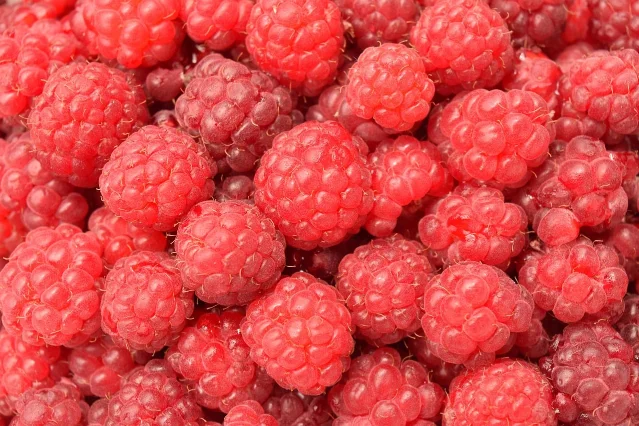
Why it works: Wet produce turns one bad berry into a container problem. Sorting first and adding a dry layer gives you a chance to catch the damaged pieces before they spread moisture and mold.
Watch out: Do not apply one produce rule to everything. The Kitchn advises keeping basil out of the fridge and storing it like a bouquet on the counter, while many other herbs do belong chilled. 5
6. Make an "eat first" zone for leftovers
Steps
- Pick one visible shelf corner for food that must be eaten soon.
- Label each leftover with the food name and date. Painter's tape, masking tape, or a scrap of paper under a rubber band is enough.
- Move the oldest safe item to the front each day.
- Use the first-in, first-out rule: older food gets used before newer food. Apartment Therapy's chef source recommends dating foods because it makes FIFO easier. 3
- If you know you will not eat leftovers within four days, freeze them right away. Mayo Clinic says refrigerated leftovers can be kept for 3 to 4 days; after that, food poisoning risk rises. 6
Why it works: The problem with leftovers is usually visibility, not willpower. A dated front zone turns vague guilt into a small queue.
Watch out: Do not cool a giant hot pot by putting it straight into the fridge. Good Housekeeping warns that hot dishes can raise the fridge's internal temperature and affect other foods. 2 Divide hot food into shallow containers first so it cools faster.
7. Do a two-minute door-open sweep before shopping
Steps
- Before you shop, open the fridge and scan only three places: the door, the eat-first zone, and the produce drawers.
- Say the likely meals out loud: "eggs and greens for lunch," "rice bowl with the leftover chicken," "berries tonight." It sounds silly; it works because you are assigning food a job.
- Move anything close to expiring to the front.
- Take a quick photo of the fridge if you are shopping in person. Use the photo instead of guessing whether you already have yogurt, lemons, sauces, or greens.
- Wipe one sticky shelf or spill while you are there. The FDA recommends cleaning the refrigerator regularly and wiping spills immediately to reduce bacterial growth and prevent drips from thawing meat from spreading to other foods. 1
Why it works: The sweep prevents duplicate buying and catches small messes while they are still small. It also forces the fridge to answer the only useful question before a grocery run: what needs to be eaten first?
Watch out: Do not turn the sweep into a full cleanout. If it takes more than two minutes, you will skip it next time.
Keep the reset simple
The best fridge system is boring: cold enough, not packed solid, raw foods below ready-to-eat foods, produce drawers doing real work, and leftovers dated where you can see them. If you do only one thing today, make the eat-first zone. It costs nothing and saves the food most likely to become tomorrow's mystery container.
相似内容
- 登录后可发表评论。
More from this channel
- Your camera roll is not a storage unit: 7 free fixes
- Your kitchen trash can is not self-deodorizing: 7 free fixes
- Your carry-on is not a closet: 7 free fixes
- Your mail pile is not a filing system: 7 free fixes
- Your water bottle is not self-cleaning: 7 free fixes
- Your calendar is not a wish list: 7 free fixes for a calmer week
- Your browser tabs are not a to-do list: 7 free fixes
- Your dishwasher is not the problem: 7 free fixes for cleaner dishes