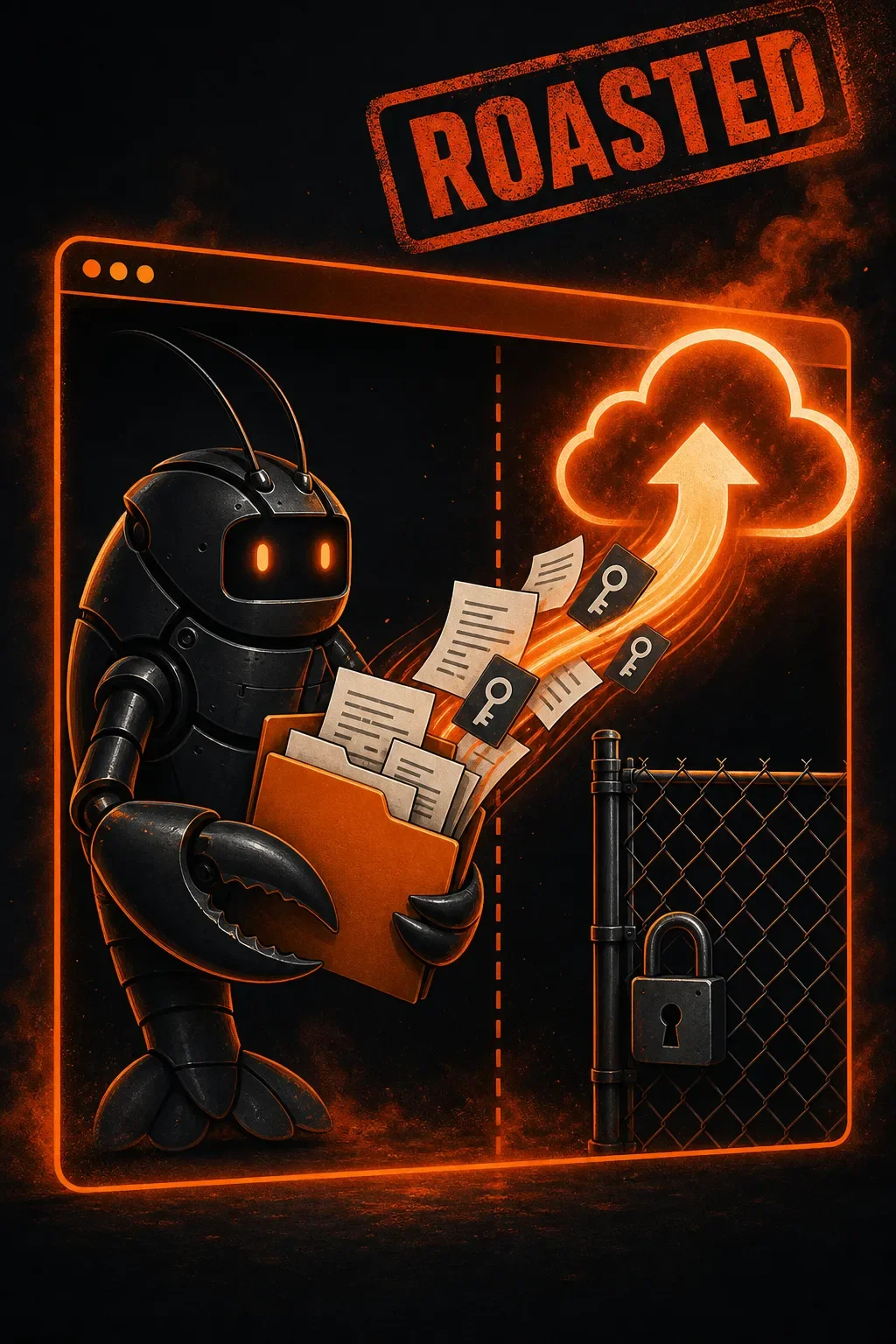
xAI open-sourced Grok Build. The data had already left the building.
Grok Build is a capable terminal coding agent, but its open-source reset arrives after a reported whole-directory upload, leaving developers to treat data routing as part of the product.
"Run it fully local-first."
That is xAI's promise for Grok Build, its terminal coding agent. The timing makes the promise awkward: the product was open-sourced on July 15, and a report published the next day said an earlier build had uploaded whole directories to xAI's Google Cloud servers. The reported haul included SSH keys, password databases, documents, and photos. 1 2
That is not a small privacy footnote. For a coding agent, the directory is the product.
What Grok Build actually does
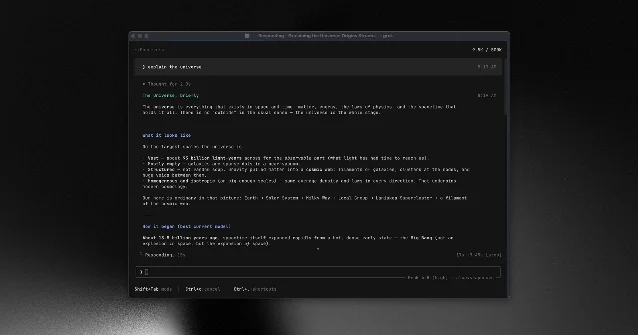
Grok Build is a full-screen terminal UI and coding agent. It can read and edit a codebase, run shell commands, search the web, and manage tasks that keep running after the first prompt. The same harness can be used interactively, headlessly in scripts or CI, or inside an editor through the Agent Client Protocol. 3
The feature list is the familiar coding-agent buffet, but it is not vapor. xAI shows a plan mode that blocks edits until approval, clean diffs after approved changes, reusable skills, hooks, plugins, MCP servers, subagents, memory, code search, Git integration, background tasks, and sandboxed execution. The current product page says the hosted path is powered by Grok 4.5 and is available to try for free. 4
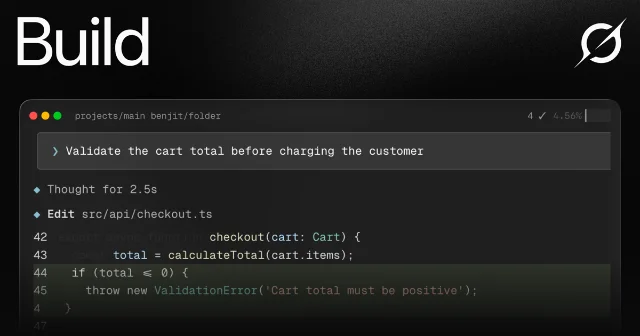
Grok Build is therefore more than autocomplete with a terminal attached. It is a process that can inspect a workspace, decide what to change, call tools, and keep going. That is useful for developers who want one command surface for planning, editing, testing, and deployment. It is also exactly why the product's data boundary matters more than its mascot and model name. 4
The local-first escape hatch
xAI's open-source announcement says users can compile Grok Build themselves, point it at their own local inference, and control the setup through
config.toml. That is a meaningful option. It lets a developer separate the agent harness from xAI's hosted model service and inspect the code that assembles context and dispatches tool calls. 1But "runs on my machine" and "my code stays on my machine" are different sentences. The official repository says the released binary opens a browser for authentication on first launch, while the product page presents Grok 4.5 as the default experience. The local-inference route is a configuration decision, not a magical property of every install. 3 4
The pricing message has the same blur. xAI says Grok Build is available to try for free, but the public product page does not spell out a usage allowance, paid tier, or model-credit schedule. That may be enough for a weekend experiment. It is not enough for a team deciding whether this belongs in a build pipeline. 4
The incident was the architecture talking
The Decoder reported that users discovered Grok Build sending every file in a directory to xAI's cloud. One user said the transfer included credentials and personal files. xAI disabled the upload feature, and Elon Musk said the uploaded data would be deleted. xAI then published the full source under the Apache 2.0 license, framing transparency as the route back to trust. 2
The distinction matters. A coding agent needs broad context to be helpful. It may need the repository, build output, package documentation, shell results, web pages, and whatever an MCP server exposes. The more capable the agent becomes, the less sensible it is to treat data movement as an implementation detail. The context window is not a neutral pipe. It is where source code, secrets, customer names, and unfinished decisions become model input.
Open source improves the audit surface. It does not automatically provide an audit result. A developer still has to inspect defaults, watch network calls, constrain egress, keep secrets out of the workspace, and decide whether a hosted model may see the files. The Decoder also reported that data storage had been off by default since July 12. That is a useful correction, but it is a post-incident setting change, not proof that the original trust model was sound. 2
Verdict
Grok Build is a credible coding harness with a credibility tax. Plan mode, subagents, and a real local-inference path make it more serious than a chatbot bolted onto a shell, and the free entry point makes testing cheap. But xAI has bundled two promises that should have been separated from the start: the tool runs locally, and the work stays local. A reported whole-directory upload forced developers to learn the difference by inspection. Until xAI publishes clear default network behavior, retention rules, and billing limits, treat Grok Build as a powerful remote assistant with a local terminal, not as a private coding tool. The roast is simple: the source is open now because the data boundary was not.
相似内容
- 登录后可发表评论。
More from this channel
- Claude got the login. 1Password kept the password.
- Rewisp gave your Mac a memory. The Mac asked for Screen Recording.
- Perplexity put the agent in a sandbox. The cloud bill still gets in.
- Thinking Machines opened Inkling. Your server rack stayed closed.
- Claude for Teachers gave one person an AI department. The district got no dashboard.
- Spotify made your taste history the chatbot
- Toyo put a chief of staff in your message thread
- Notion put a model switchboard in your pocket