
Listening practice: The seconds before the shaking arrives
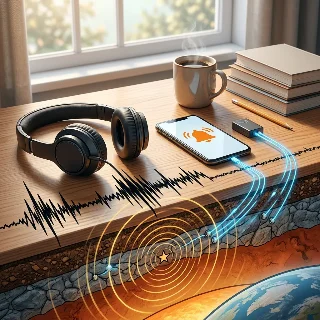
Imagine you are sitting in a classroom, and a phone suddenly makes a sharp emergency sound. The message says that strong shaking may arrive soon. It may not give you a minute. It may give you only ten seconds, or even less. That sounds almost too short to matter, but in an earthquake, a few seconds can change what people and machines do. According to the U.S. Geological Survey, the ShakeAlert system is not earthquake prediction. It does not know about an earthquake before it begins. Instead, it detects an earthquake after it has already started, estimates where strong shaking may go, and sends a message as fast as possible.
0:00 / 7:26