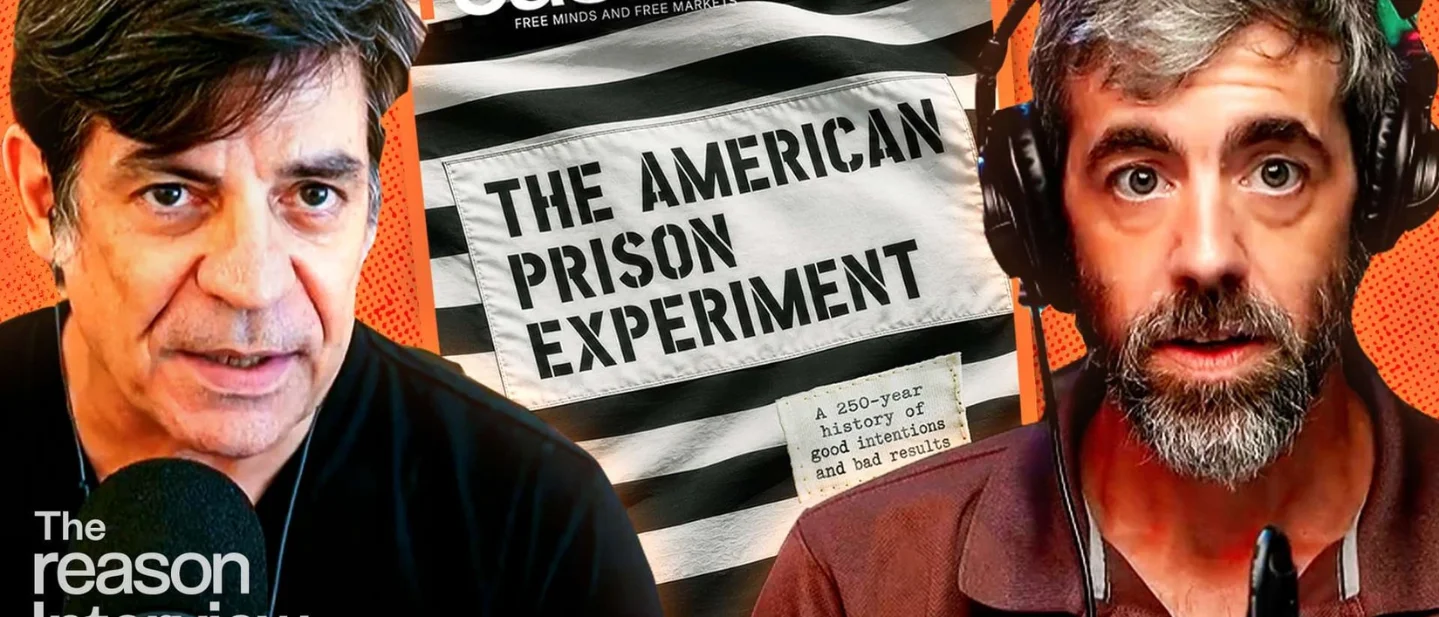
美国监狱为何屡改屡败:250年人道主义实验的异化与当下危机|The Reason Interview
The Reason Interview 本期与 C.J. Ciaramella 回顾美国监狱 250 年历史:从修道院式悔罪、劳役到大规模监禁与系统性崩溃,拆解人道改革为何屡次滑向残酷现实。
这期 The Reason Interview With Nick Gillespie 不是一次单纯批评监狱恶劣条件的日常播客,而是一场长达 250 年的制度演化史拆解。主持人 Nick Gillespie 邀请《Reason》资深刑事司法调查记者 C.J. Ciaramella,深入讨论他在该杂志 2026 年 10 月刊发表的重磅封面报道《美国监狱实验:善意初衷与恶劣结果的 250 年历史》。节目时长约 1 小时 2 分钟,核心探讨一个尖锐的历史悖论:现代监狱在建立之初是启蒙时代最富有人道主义理想的制度创新,旨在替代欧洲残酷的肉刑与死刑;但为什么在这两个半世纪里,几乎每一轮以“人性化”为起点的改革,最终都会不可逆转地滑向暴力、苦役、超负荷运转与系统性崩溃?12
读者进入这期访谈前,需要先厘清一个关于美国刑事司法的认知盲区:监狱并非古已有之的常态,而是美国独立前后发明的一种国家机器。古代社会虽然有地牢与看守所,但那只是等待审判、行刑、流放或赔偿期间的临时羁押场所,监禁本身并不是主要的刑事惩罚手段。正是年轻的美国共和国,为了与英国残酷的“血腥法典”决裂,率先将“剥夺人身自由并改造灵魂”作为刑罚的核心。然而,正如 Ciaramella 在深入探访费城东方州立监狱遗址、路易斯安那州安哥拉农场监狱以及大量历史档案后所揭示的,当国家将惩罚从公众视野移入高墙之后,原本许诺的救赎与公民德性重塑,迅速变成了密室中难以监管的制度性野蛮。
先记住三件事
- 监狱是人道主义的发明,却制造了前所未有的心理残害。 18 世纪末的改革者为了废除公开鞭刑、烙印与断肢,设计了以单独监禁、圣经反省与手工业劳动为核心的“悔罪之屋”。但这种长期的绝对寂静与孤独,在几年内就导致大批犯人陷入绝望、抑郁甚至严重精神失常,被狄更斯抨击为“对大脑秘密的残酷侵扰”。
- 南方农场监狱与囚徒租赁,曾是比奴隶制更为致命的劳役机器。 内战废奴后,南方各州通过严苛的流浪罪法将大量自由黑人投入监狱,并将其租赁给私人企业。由于企业对租赁犯人不承担资产所有权,无视其死活,死亡率一度高达 20% 至 25%,可比肩极权主义劳改营。路易斯安那州安哥拉监狱至今仍保留骑马持枪狱警监视的强制农田劳作。
- 当下的危机不仅是超载,而是整个看守与医疗体系的结构性崩溃。 2020 年代联邦司法部对阿拉巴马州和亚利桑那州监狱提起的宪法诉讼,暴露了致命的医疗忽视、失控的内部暴力以及令人震惊的私自扣留死者器官丑闻。而随着后疫情时期犯罪恐慌抬头,过去十年建立的跨党派刑事司法改革联盟已然破裂,技术监控则正在将高墙的控制延伸至社区。
悔罪之屋的诞生:用修道院替代绞刑架
在 18 世纪后期的英国及其殖民地,刑事法律被称为“血腥法典”(Bloody Code)。英国法典中有多达 200 余种罪名可被判处死刑,偷窃几便士的财物、私自猎鹿或破坏鱼塘都可能被送上绞刑架;此外,公众体罚如耳部切除(cropping ears)、烙印、示众夹板(stocks)与鞭笞是惩处犯罪的常规手段。当时的地方监狱通常只是男女老少混关在一个肮脏大通铺内的简陋收容所,暴力横行、伤寒蔓延。
随着美国宣布独立,开国先驱们迫切希望建立一套符合新共和国公民理想的文明司法制度。1787 年,在费城本杰明·富兰克林(Benjamin Franklin)的住所内,著名医学家、独立宣言签署人本杰明·拉什(Benjamin Rush)首次系统性提出了“悔罪之屋”(House of Repentance)的理念。拉什认为,公开处刑与肉刑不仅无法感化罪犯,反而会败坏围观公众的心智;必须用身体劳动、克制饮食、深度孤独与绝对静默,让罪犯在没有外界恶习传染的环境下独自面对上帝与良心,重新被锻造为有德行的共和国公民。
这一理念在 1829 年完工的费城东方州立监狱(Eastern State Penitentiary)达到了巅峰。这座耗资 78 万美元、成为当时全美最昂贵公共建筑的庞大要塞,由中央枢纽向四周放射出数道牢房翼楼,形成经典的轮辐式结构。每名新入狱的犯人戴着头套被押入单人牢房,名字被编号取代。牢房内配有床铺、圣经和一处用于制鞋或木工的工作台,犯人每天有 23 小时被完全锁在室内,不得发出任何声响;看守人员甚至穿着羊毛袜在走廊里轻声巡视,桶状拱顶天花板则专门用于放大任何私语。2
法美革命的英雄拉法耶特侯爵(Marquis de Lafayette)在 1824 年全美巡回访问费城时,看到正在建造中的东方州立监狱高耸的 30 英尺花岗岩外墙与中世纪城堡式的塔楼,当场惊呼:“天哪!难道这个国家也建起了巴士底狱?”曾在普鲁士与奥地利地牢中饱受单独监禁之苦的拉法耶特直言警告,只有真正经历过绝对孤独的人,才能理解这种惩罚有多么可怕。
绝对孤独的崩溃:从道德救赎到精神戕害
东方州立监狱推行的模式在刑罚学史上被称为“宾夕法尼亚系统”(Pennsylvania System)或“隔离制”(Separate System)。与此同时,纽约州在 1816 年建立的奥本监狱(Auburn Prison)也尝试了类似的严苛实验。1821 年圣诞节,奥本监狱将 80 名犯人关入仅有 4 英尺宽、只有床和圣经的单人隔离牢房中进行封闭测试。
其结果是毁灭性的。法国学者托克维尔(Alexis de Tocqueville)与古斯塔夫·德·博蒙(Gustave de Beaumont)在 1831 年受法国政府资助赴美考察监狱系统时记录道:仅仅一年时间,首批接受实验的 80 名犯人中就有 5 人相继死亡,多人精神彻底崩溃;有人跳楼自杀,有人疯狂将头部猛撞墙壁甚至挖掉了自己的一只眼球。纽约州州长不得不赦免了二十余名身心重创的幸存者,并于 1823 年紧急叫停了永久单独监禁。托克维尔与博蒙在考察报告中写下了传世的定论:“这种绝对的孤独,如果不加打断,超越了人类承受的极限。它无休止、毫不留情地摧毁罪犯;它并不改造人,它杀死人。”
英国大作家查尔斯·狄更斯(Charles Dickens)在 1842 年亲自走访东方州立监狱后,对单独监禁发起了极为猛烈的公开抨击。狄更斯写道,很少有人能够估量这种旷日持久的酷刑施加在受害者身上的无边绝望与折磨;这种日复一日对大脑隐秘区域的悄然侵蚀,远比肉体上的任何伤疤更为可怖,因为它在表面上不留痕迹,高墙之外的人们在沉睡中听不到那些无声的哀号。2
除了精神残害,管理与纪律的失控迅速撕下了“人道主义”的伪装。当犯人无法在孤寂中保持所谓的反省时,监狱管理者便开始暗中诉诸更为严酷的行政私刑。东方州立监狱开业仅仅四年后的 1833 年,宾夕法尼亚州议会就因一名犯人被金属口塞装置活活勒死而展开调查。听证会证据显示,看守经常使用“黑牢”(The Hole,完全无光、断水断粮的地下暗室)、在凛冽寒冬中对犯人浇淋刺骨冰水、将犯人牢牢捆绑在皮椅上连续毒打数日。原本宣称用来免除肉刑的人道机构,转眼间成为了新型酷刑的滋生地。
奥本系统:把人变成沉默绝缘的劳工机器
由于宾夕法尼亚系统的单间建造成本极高、且在应对犯罪浪潮时极易因牢房饱和而崩溃,纽约州在此基础上发展出了更为风靡全美的“奥本系统”(Auburn System),亦称“静默系统”(Silent System)。
奥本监狱典狱长埃兰·林兹(Elam Lynds)直言不讳地指出,其改造目标就是打碎犯人的个人意志,将其降维为“一台沉默而绝缘的劳作机器”。奥本系统创立了后世经典的大众囚犯形象:犯人统一穿着黑白相间的条纹囚服,白天在集中车间进行高强度的流水线工厂劳作,夜间返回单人牢房;在任何时间、任何地点,犯人绝对禁止交谈、打手势、唱歌、吹口哨甚至四处张望;行动时必须紧贴前人、步调完全一致地按“锁步”(lockstep)前进,眼神必须始终低垂向下。
更重要的是,奥本系统将监禁转变成了一门自负盈亏的赚钱生意。犯人被强制制造木桶、靴鞋、扫帚等物资,由州政府统一出售或承包给外部商人。为了维持车间的绝对服从,纽约州立法机关在 1819 年正式恢复了行政鞭刑。1825 年,一名孕妇在奥本监狱被看守鞭笞,分娩六周后死亡;1847 年,一名患有精神疾病的犯人被连续抽打超过 300 鞭后当场身亡,激起公愤,迫使立法部门修改了法律。然而,北方各州很快发现,这种集中工场式的“大号监禁”(Big House)在经济上远比单独监禁划算,从而成为 19 世纪中后期全美主流的建监标准。
南方的血泪畸变:种植园与囚徒租赁
如果说北方的监狱实验是在资本主义工业化与清教徒道德之间寻找平衡,那么美国内战结束后的南方各州,则将监狱系统彻底演变成了奴隶制的合法代偿品。
内战摧毁了南方的经济基础,同时释放了数百万被剥夺土地与生计的黑人奴隶。为了重新控制劳动力,前邦联各州迅速出台了被称为“黑人法典”的一系列严苛流浪罪法(Vagrancy Laws)。任何无法出示长期雇佣证明的黑人,随时可能因“游荡”“怠工”或“对白人态度不敬”等莫须有罪名被捕定罪,随后被送入蓬勃兴起的“囚徒租赁”(Convict Leasing)网络。
Ciaramella 在节目中强调,在许多维度上,囚徒租赁给受害者带来的苦难甚至超过了原本的动产奴隶制。在奴隶制时代,奴隶属于种植园主的私有财产,具有较高的市场购买成本,庄园主出于保护资产的目的,通常会维持最基础的医疗与膳食以维持其劳动能力;而在囚徒租赁制度下,私人煤矿公司、铁路承包商和种植园只需按人头向州政府支付极其低廉的租金,死了一个随时可以从监狱库房中调取下一个。
在极度恶劣的矿井和沼泽铁路工地上,租赁囚犯被沉重的铁镣锁在一起,每天从事长达 14 至 16 小时的超负荷劳作,食物严重腐败,稍有懈怠便遭皮鞭毒打。在此期间,多处南方劳工营的年死亡率飙升至 20% 到 25%,这一致死率甚至与前苏联古拉格劳改营最严苛的时期相当。成千上万年轻健康的黑人劳工在几年内被彻底消耗并埋葬在铁道沿线,而各州财政却凭借出租活人劳动力赚得盆满钵满。
随着囚徒租赁丑闻在 20 世纪初逐渐无法被公众掩盖,南方各州转而直接收购原有的奴隶种植园,设立庞大的国有“农场监狱”。其中最臭名昭著的,便是密西西比州的帕奇曼农场(Parchman Farm)与路易斯安那州的安哥拉监狱(Louisiana State Penitentiary,全称为路易斯安那州立监狱)。
安哥拉监狱占地多达 18,000 英亩,三面被密西西比河环绕,其前身正是内战前以贩运安哥拉黑奴而得名的棉花种植园。Ciaramella 在节目中详述了他的实地探访体验:即使在今天,安哥拉依然收押着约 5,000 名重罪囚犯,其中约 72% 为黑人。新入狱的身体健全者,首先必须进入被称为“农田线”(Farm Line)的劳作队伍,在路易斯安那州窒息的高温烈日下徒手采摘棉花与农作物;看守骑在高头大马上,荷枪实弹沿着田埂巡视监工。除了服装材质从当年的粗麻布换成了现代劳保服,整幅画面与两百年前的奴隶种植园几乎没有任何本质区别。这些囚犯的时薪仅有区区 20 美分左右,而农场出产的大宗农牧产品则源源不断流入全美的商业食品供应链。在 1950 年代,曾有三十多名安哥拉囚犯集体用锋利刀片挑断自己的跟腱,以自残方式绝望抗议农田线上非人的工作负荷。2
安哥拉监狱牛仔竞技会:荒诞与生存的缝隙
节目中最为引人入胜的现场观察之一,是 Ciaramella 对安哥拉监狱每年两次举办的“囚犯牛仔竞技会”(Angola Prison Rodeo)的真实记录。
这项活动自 1960 年代创办至今,每次都向全社会公开发售门票,吸引成千上万的外界观众涌入这座戒备森严的重刑犯要塞。在露天赛场上,完全未经任何专业训练、没有任何安全防护装备的在押人员,跨上重达两千磅的暴躁野牛或烈马,在剧烈的翻腾中被狠狠甩飞、踩踏。在其中一项名为“罪恶扑克”(Convict Poker)的经典节目中,四名囚犯面无表情地端坐在场地中央的简易牌桌旁,工作人员随即释放一头狂躁的野公牛在场内狂奔冲撞;规则十分残酷——最后一名依然敢坐留在椅子上没有起立逃跑的人,即可赢得胜利。Ciaramella 亲眼目睹一头野牛直接将牌桌连人撞得粉碎,一名犯人被凌空抛向数米高空。
看台上观众欢呼雷动,场面极度危险而野蛮。但与这种残酷感并存的,却是极为复杂的微观生存现实:对于长期深陷漫长刑期的囚犯而言,竞技会是他们为数不多能够挣取体面现金的机会。获胜者可以拿到 500 到 1,000 美元的奖金,这在狱中无异于一笔巨款;他们还被允许在场外的工艺品市集上摆摊,向公众面对面出售自己精心制作的皮具和手工艺品,用赚来的收入给高墙外的家人寄送生活费,或者在阳光下与赶来探望的妻儿共度一个不受隔板阻拦的下午。这种将古罗马角斗士式的人身摧残与边缘人群朴素温情揉合在一起的制度景观,完美展现了美国监狱体系充满内在矛盾与荒诞的底色。
周期性律动:进步运动、阿提卡暴动与大规模监禁浪潮
Ciaramella 指出,美国监狱史呈现出极其明显的“40 至 50 年一遇的周期律动”:每当现有监狱沦为残酷地狱并引发舆论震荡,改革家便会提出一套听上去极具人文关怀的新理论;然而随着新系统落地、资金枯竭、人满为患以及社会犯罪潮卷土重来,整个体制又会毫无悬念地退化为原有的野蛮状态。
在 20 世纪初的“进步时代”(Progressive Era),以托马斯·莫特·奥斯本(Thomas Mott Osborne)为代表的改革者曾提出将监狱改造为“学校与医院”的崇高设想。奥斯本曾在 1913 年亲自隐姓埋名卧底进入奥本监狱服刑一周,亲身体验了底层犯人被剥夺尊严的窒息感,随后发起了一系列旨在赋予囚犯有限自治权与技能培训的制度试验。辛辛那提全国刑法学会甚至在宣言中宣称:“犯罪是一种心理与社会疾病,监禁的唯一目标应当是治疗,而非惩戒。”
然而,到了 1970 年代初,随着战后人口结构变化与犯罪率大幅攀升,进步主义的“康复治疗神话”彻底破灭。1971 年爆发的纽约州阿提卡监狱暴动(Attica Prison Riot)成为了历史的分水岭。由于过度拥挤、严重缺乏基本卫生用品(每月仅发一卷卫生纸、每周仅允许淋浴一次)以及看守肆无忌惮的种族歧视,上千名犯人发动起义占领牢房并劫持人质,向政府提出了包含医疗保障、宗教自由和基本生活尊严的 28 项诉求。最终,时任纽约州州长纳尔逊·洛克菲勒下令州警动用重武器强行突击,造成 43 人死亡,其中包括 10 名被执法部门误击身亡的人质看守。
阿提卡暴动的血腥收场,直接终结了战后对监狱“矫正康复”功能的社会共识。保守派与自由派学者几乎同时得出了一个悲观结论——“什么手段都不管用”(Nothing works)。紧随其后的,是自 1970 年代末延续至 2000 年代初的“严打”(Tough on Crime)政治浪潮。通过推行“真相判决”(Truth-in-Sentencing)、“三振出局法”(Three Strikes Laws)和毒品强制最低刑期(Mandatory Minimums),美国建造了人类历史上规模空前的监狱网络。在此期间,全美在押犯人总数从 1970 年代的约 30 万人飙升至峰值时期的近 230 万人,使得美国以占世界 5% 的人口,关押了全球近四分之一的囚犯,正式迈入了“大规模监禁”(Mass Incarceration)时代。2
当下的断裂点:州级系统的系统性塌方
进入 2010 年代后,过高的监禁成本与人满为患的恶劣后果促成了一场罕见的政治奇观——跨党派刑事司法改革联盟的形成。在科赫兄弟等自由意志主义保守派、特朗普政府时期的《第一步法案》(FIRST STEP Act)与左翼公民自由组织的合力推动下,联邦及部分州的入狱人数曾一度出现温和回落。
然而,访谈的下半场明确指出,美国许多州的监狱系统目前正处于几十年来最严重的危险拐点,甚至正在逼近制度性的整体休克:
首先,严重超编与看守人力雪崩使得高墙内部彻底沦为法外之地。以阿拉巴马州为例,联邦司法部在 2020 年正式对该州提起民事诉讼,直指其男子监狱系统存在系统性、不受约束的严重暴力与性侵犯,违背了美国宪法第八修正案禁止残忍和非常惩罚的规定。由于待遇恶劣与危险系数极高,多处设施的看守编制缺口高达 50% 以上,少数年轻看守面对成百上千名处于无序状态的犯人根本无力维持秩序,甚至反向依赖狱中帮派控制监区。2024 年,阿拉巴马州更是爆出了骇人听闻的“器官私自扣留丑闻”:多名狱中身亡犯人的家属在领回遗体时,发现死者体内的内脏器官已在尸检期间被阿拉巴马大学伯明翰分校等机构在未经授权的情况下私自摘除用于医学教学与解剖研究。
其次,医疗系统的冷漠与致命过失正在常态化发生。2022 年,亚利桑那州联邦地区法院法官罗丝琳·西尔弗(Roslyn O. Silver)在一份长篇判决中,痛批该州监狱医疗外包系统对在押人员的生命健康表现出令人发指的“故意漠视”(Deliberate Indifference)。一名 36 岁的女性犯人患有多发性硬化症,但在长达数年时间内得不到最基础的专科救治与用药,直至最终彻底全身瘫痪。西尔弗法官在判词中愤慨地写道:“没有任何一个合法的、人道的文明制度会允许以这种方式运转。”
与此同时,过去十年的两党改革共识在现实压力下已分崩离析。2020 年以来的后疫情时期,全美多地恶性犯罪与治安事件回潮,政治舆论迅速重回对惩戒力度的渴求。左翼提出的“废除监狱”(Prison Abolitionism)运动因脱离社会治安基本盘而受到激烈反弹,而右翼政客则重新祭出强硬口号(例如特朗普在 2025 年公开提议斥资 1.52 亿美元重新开放年久失修、锈迹斑斑的恶魔岛阿尔卡特拉斯监狱作为“法律与秩序的象征”)。这种政治钟摆的再次回摆,使得本就千疮百孔的州级监狱在资金、人员与制度更新上陷入全面停滞。
技术监控与北欧神话:出路在哪里?
在访谈尾声,Gillespie 与 Ciaramella 探讨了两种常被提及的“救赎方案”:数字化监管与北欧监狱模式。
针对近年来备受推崇的替代监禁技术(如电子脚铐、GPS 实时追踪、面部识别与 Flock 车牌识别监控网络),Ciaramella 提出了深刻的自由意志主义怀疑。他指出,许多原本宣称可以“减少关押人数”的科技手段,在实际推行中往往没有缩减监狱人口,反而制造了所谓的“网眼扩大效应”(Net-Widening):原本只需要常规假释或缓刑的轻罪人员,被强制戴上了全天候监控脚铐并施加苛刻的活动禁令,稍有违规(如因公交延误未能准时打卡)便被立即收押。数字化监控并没有消灭监狱,而是将监狱的管理范式与行为控制直接延伸到了外部的街区与家庭。
至于被无数社会学家赞誉的“北欧开放式监狱”(如挪威的哈尔登监狱 Halden 与贝斯托伊监狱 Bastoy),那里的犯人拥有私人钥匙、与狱警共进午餐并接受深度心理辅导,重犯率极低。但 Ciaramella 坦言,这套机制根本无法直接空降到美国土壤:挪威的整个司法体系植根于高度同质化、高信任度、人均资源充沛且社会福利网络密布的北欧小型社会;而美国的刑事司法高度去中心化,横跨 50 个州、数千个县市郡法庭,背后交织着枪支泛滥、深度贫困、种族撕裂与惩罚性民意。如果不彻底重构全社会的基层治理机制,单单把北欧的物理牢房搬到美国,只会瞬间被庞大的暴力与资源匮乏吞没。
回顾 250 年的美国监狱实验,Ciaramella 给出的最终总结是沉重而清醒的:高墙内的悲剧之所以层出不穷,是因为这个社会始终无法在“惩罚与复仇”和“改造与救赎”之间做出诚实的决断。当人们要求监狱既要作为令人生畏的惩戒地狱,又要作为陶冶德性的公民熔炉,同时还希望它成本低廉、远离公众视线时,它唯一能够稳定输出的产物,就只能是历经两个半世纪而未曾中断的残酷、掩盖与周期性崩解。
人物背景
Nick Gillespie 是《Reason》杂志的资深编辑与播客主理人,曾担任 Reason 杂志与 Reason.com 总编辑;他拥有纽约大学水牛城分校英语文学博士学位,数十年来长期活跃于美国公共政策辩论前线,以敏锐的自由意志主义视角审视政府权力的扩张与异化。
本期嘉宾 C.J. Ciaramella 是《Reason》资深调查记者,专注刑事司法、监狱体制与警务问责报道。他此前曾担任《BuzzFeed》政治编辑以及《Washington Free Beacon》调查记者,报道广泛刊载于《华盛顿邮报》、《名利场》、《连线》、《每日野兽》等知名主流媒体。Ciaramella 曾多次凭借利用《信息自由法案》(FOIA)揭露联邦看守所丑闻与地方警务滥权而获得新闻界专业奖项;他对全美多处标志性监狱的历史溯源与一线探访,为理解美国监禁体系的深层结构提供了极高分量的事实支撑。3
完整双语自动转录
以下逐字转录取自《The Reason Interview With Nick Gillespie》2026 年 9 月 8 日发布的官方访谈音频及官方 YouTube 字幕。转录文本保留了口语停顿、语气词与原始对话细节,未经删减。讲话人身份依据官方片头介绍与 YouTube 原始说话人切换标记重建为 Nick Gillespie 与 C.J. Ciaramella;时间轴以每 10 分钟标注一次,每段先列出英文原文,随后紧跟中文译文。14
00:00:00
Nick Gillespie:
This is the reason interview with Nick Gillespie and my guest today is my reason and colleague reporter CJ Sir Romela who has a mammoth cover story in the new issue of reason that is about the ongoing uh 250 year plus long uh cycle of prison reform and then kind of degradation going back and forth and back and forth. Uh we're going to talk about uh criminal justice reform. We're going to talk about prison reform or penitentiary reform uh and related issues. CJ Sierra Romelo, thanks for talking to me.
这就是对尼克·吉莱斯皮(Nick Gillespie)的采访,今天我的嘉宾是我的理性记者兼同事 CJ 罗梅拉爵士,他在新一期《理性》杂志上发表了一篇庞大的封面故事,讲述的是正在进行的呃 250 多年的监狱改革周期,然后是一种来来回回的退化。呃,我们要讨论呃刑事司法改革。我们将讨论监狱改革或监狱改革呃以及相关问题。 CJ Sierra Romelo,谢谢您接受我的采访。
C.J. Ciaramella:
Thanks for having me on, Nick. It's a real pleasure and thanks for taking the time to talk through this gigantic article with me.
谢谢你邀请我参加,尼克。我真的很高兴也感谢您花时间与我讨论这篇长篇文章。
Nick Gillespie:
Oh my god. Well, it's it's fascinating because you're not arguing that prisons, you know, just keep getting worse. I mean, what what you tell in this story of of the American penitentiary system in in a lot of ways, the penal system is that it is constantly trying to fix the last thing that went horribly horribly wrong. Could you give us a summary? I mean, you you start the story at the old Eastern State Penitentiary, uh, the world's first penitentiary, if I if I'm not mistaken, in North Philadelphia. Um, what's going on there and what is your story about? So my my basic idea was to write a readable history of US prisons. Um because when I first started uh really researching prisons and writing more about them and the criminal justice system, I I started looking around. I'm like, well, I should get my head around this. And I was looking for a history of US prisons. And um there are a lot of really good sort of academic uh books on especially on the early history of US prisons and a lot of really good books on sort of the 70s and 80s with Attica and mass incarceration but I couldn't really find this sort of just broad overview of the of the history and different cycles of American prisons. um which is was kind of funny to me because uh prisons are this considered an American invention. The penitentiary the penitentiary the modern penitentiary is pretty much an American invention and the penitentiary mode of in of punishment incarceration. That that means not simply locking people up, but putting them in small kind of monastic cells where they think about what they have done wrong and how they should do better if they're ever released again and they wear monk's clothes or uniforms. All of this kind of stuff that we take for granted. Uh you know this started I mean as you point out this started as a humane reform uh in in the United States.
我的天啊。嗯,这很有趣,因为你并不是在争论监狱,你知道,只是变得越来越糟。我的意思是,你在这个关于美国监狱系统的故事中从很多方面讲述了,刑罚系统是它不断地试图修复最后出现的严重错误。您能给我们总结一下吗?我的意思是,你的故事是从旧的东州立监狱开始的,呃,世界上第一所监狱,如果我没记错的话,位于费城北部。嗯,那里发生了什么事,你的故事是关于什么的?所以我的基本想法是写一本可读的美国监狱历史。嗯,因为当我第一次开始呃真正研究监狱并写更多关于监狱和刑事司法系统的文章时,我开始环顾四周。我想,好吧,我应该解决这个问题。我正在寻找美国监狱的历史。嗯,有很多非常好的学术书籍,特别是关于美国监狱的早期历史,还有很多关于 70 年代和 80 年代的阿提卡和大规模监禁的非常好的书籍,但我真的找不到这种对美国监狱的历史和不同周期的广泛概述。嗯,这对我来说有点有趣,因为呃监狱被认为是美国的发明。现代监狱几乎是美国的发明,也是惩罚性监禁的监狱模式。这意味着不仅仅是把人关起来,而是把他们关在小寺院里,让他们思考自己做错了什么,以及如果他们再次被释放并穿着僧侣的衣服或制服,他们应该如何做得更好。所有这些我们认为理所当然的事情。呃,你知道,我的意思是,正如你所指出的,这是美国的一项人道改革。
C.J. Ciaramella:
Yeah. This was the idea in the uh when America declared independence and a little bit before that they were really working to sort of separate themselves from England's criminal code in the English system of justice which they really really hated because it was it was called the bloody code was what they referred to Britain's uh criminal code as because it had so many capital punishments. Um, and so they there was a lot of debate over how to do this, but they settled on the idea of this penitentiary or house of repentance was one of the original phrases for it. Um, and yeah, we were the first country to really s systematically use incarceration as the predominant form of punishment. There's always been prisons since antiquity. We've always thrown people in dungeons, but to make that the primary way that we punished criminal offenders was a very kind of it was a unique American thing. We were kind of the first to really do that.
是的。这是美国宣布独立时的想法,不久前他们确实在努力将自己与英国司法体系中的英国刑法典分开,他们真的非常讨厌英国刑法典,因为它被称为“血腥法典”,他们称之为英国呃刑法典,因为它有这么多死刑。嗯,所以他们对如何做到这一点进行了很多争论,但他们最终决定,这座监狱或悔改之家的想法是它的原始短语之一。嗯,是的,我们是第一个真正系统地使用监禁作为主要惩罚形式的国家。自古以来就有监狱。我们总是把人关进地牢,但把它作为我们惩罚刑事犯罪者的主要方式,这是美国独有的事情。我们是第一个真正这样做的人。
Nick Gillespie:
So, and before that or what they were reacting to like people might be beaten, they might be uh you know uh uh put in stocks. They might be have parts of their bodies cut off or killed, right? But generally speaking, you weren't like, "Okay, you did this, so you're going away for, you know, 7 to 8 years and then you you get out."
所以,在那之前或者他们对人们可能会被殴打的反应之前,他们可能会买入股票。他们的身体可能会被切断或杀死,对吗?但一般来说,你不会说,“好吧,你做了这件事,所以你要离开,你知道,7 到 8 年,然后你就离开了。”
C.J. Ciaramella:
That's right. Yeah. No, before prisons, you know, the the primary modes of punishment were corporal punishment, public shaming, banishment, or execution or monetary fines. And what the problem with a lot of that was they made a lot of the punishments so uh so harsh that judges weren't really willing to hand down sentences in a lot of those cases. You know, Michelle Fuko wrote a lot about this and discipline and punish by having these sort of bloody public uh uh punishments. Judges were less willing to hand down those sentences. And there were also problems with uh you know crowds uh either interrupting the execution of freeing a prisoner or ripping them to pieces. Both of which were unacceptable to the state uh you know because they were trying to
这是正确的。是的。不,你知道,在监狱之前,主要的惩罚方式是体罚、公开羞辱、流放、处决或罚款。其中很多问题的问题在于,他们做出了很多惩罚,非常严厉,以至于法官并不愿意在很多案件中做出判决。你知道,米歇尔·福科(Michelle Fuko)写了很多关于这个和纪律的文章,并通过这些血腥的公开呃呃惩罚来惩罚。法官不太愿意做出这些判决。而且,人群也存在问题,要么中断释放囚犯的执行,要么将他们撕成碎片。这两件事对于国家来说都是不可接受的,你知道,因为他们试图
Nick Gillespie:
but they also in in Fuko's modeling they also um you know it was exterior it was done to bodies. I mean, part of what he's talking about in discipline and punish and he and he covers some of the same ground that you know that you're talking about is suddenly you you get inside the prisoner's head so that you know we're all kind of our own um jailer now, right? We we are and I mean one of the things that you stress in in something like the Eastern State Penitentiary is the code of silence u because it is like you know I mean they're wearing they're wearing clothes uh monks or you know uniforms for the first time they're sol in solitary confinement like a monk going or a nun going to bed at night and they have to be quiet. Can you talk a little bit about why they were not, you know, allowed to talk to each other, uh, or or even talk out loud?
但他们也在 Fuko 的建模中,嗯,你知道这是对身体进行的外部处理。我的意思是,他在纪律和惩罚方面谈论的部分内容,他和他涵盖了一些相同的基础,你知道你在谈论的是突然你进入囚犯的头脑,这样你就知道我们现在都是我们自己的狱卒,对吧?我们是,我的意思是,你在东州监狱之类的地方强调的一件事是沉默守则,因为就像你知道的那样,我的意思是他们穿着僧侣的衣服,或者你第一次知道制服,他们被单独监禁,就像僧侣去或修女晚上睡觉一样,他们必须保持安静。你能谈谈为什么他们不被允许互相交谈,呃,甚至不被允许大声说话吗?
C.J. Ciaramella:
Yeah, so before before Eastern State in the first prisons, we had common room jails. Basically, you know, if you were a criminal offender awaiting a trial or awaiting your punishment or something like that, you would get put in this like really filthy jail that also held women and children together along with male offenders. Um, it was really nasty. they were sources of disease and violence and all sorts of other things.
是的,在东州教养院设立第一座监狱之前,我们有公共休息室监狱。基本上,你知道,如果你是一名等待审判或等待惩罚或类似的罪犯,你会被关进一个非常肮脏的监狱,那里也将妇女和儿童与男性罪犯关在一起。嗯,真的很恶心。它们是疾病、暴力和其他各种事情的根源。
Nick Gillespie:
Um so the penitentiary, this house of repentance, um part of the idea was they were like, "Okay, we're going to separate criminal offenders so they can't corrupt each other." You know, the idea was to have a sort of social hygiene where, you know, we'll put people away um so they can't corrupt each other. We'll just leave them with a Bible and like they can talk to a minister once a week. And besides that, they will sit in the cell and they will work at a trade like making shoes or carpentry or something like that. And they will be rehabilitated through labor and silence and reflection. And that was the idea of of the early sort of the first wave of prisons in Pennsylvania and also in New York which developed a sort of separate or a different sort of system slightly different. But you know that was the idea is social hygiene, cleanliness, labor and discipline. It was very
嗯,所以监狱,这个忏悔室,嗯,他们的想法的一部分是,“好吧,我们要把刑事罪犯分开,这样他们就不能互相腐败。”你知道,我们的想法是建立一种社会卫生,你知道,我们会把人们隔离开,这样他们就不能互相腐败。我们只会给他们留下一本圣经,就像他们每周可以与牧师交谈一次一样。除此之外,他们会坐在牢房里,从事制鞋、木工或类似的工作。他们将通过劳动、沉默和反思而得到康复。这就是宾夕法尼亚州和纽约第一批监狱的早期想法,它们开发了一种稍微不同的独立或不同类型的系统。但你知道这就是社会卫生、清洁、劳动和纪律。这是非常
C.J. Ciaramella:
So what what went wrong with that, you know, and and I mean it's I mean what I love about the story and what I think people will find really fascinating are the paradoxes of like you know so this is better than what it replaced or or by it was certainly intended to be better and more humane and more effective than what it replaced and then suddenly e the Eastern State you know penitentiary or you know and then the New York model that became known as the Auburn model like these become nightmarish. But what went wrong with uh with that reform?
那么问题出在哪里,你知道,我的意思是我喜欢这个故事的地方,我认为人们会发现真正令人着迷的是像你知道的这样的悖论,所以这比它所取代的更好,或者或者它的目的肯定是比它所取代的更好、更人道、更有效,然后突然你知道东州监狱或你知道,然后被称为奥本模式的纽约模式变成了噩梦。但是这项改革出了什么问题呢?
Nick Gillespie:
You know, it was things went wrong pretty quick. First of all, you know, the idea was that, you know, corporal punishment as a as a judicial punishment they decided was too barbaric. We're not going to do things like whipping people in public. We're not going to crop ears. We'll put you in this penitentiary. Um what went wrong was they found that, you know, discipline was harder than they thought it would be. you know, the the immediate effects of silence and reflection. You know, not all inmates or offenders responded as well to this as they had hoped. So, there were problems with discipline. And so, what they quickly ended up doing was reinstating corporal punishment as administrative punishment. So, you might not be sentenced to whipping, but you would be sent to a prison. And if you talk to your cellmate, then you would get whipped. Um, so, or you know, the person next to you or something like that. So what happened was you had an almost instant breakdown in order in these new institutions and they really didn't know how to handle a lot of that. So the early punishments and within I think four years of Eastern State opening the the Pennsylvania legislature launched an investigation because an inmate had died after being gagged with a torture device. And the testimony and other evidence showed that the uh inmates were put in like a basically a dark cell like a hole, you know, called the hole. Um along with being drenched with ice cold water, they were gagged u all sorts of other methods. And this was like I said, supposed to be this humane alternative um to prison. And it's one of the things like you mentioned the paradoxes of the system um was that was created with like the really really high humanitarian hopes and expectations that they would be able to turn criminal offenders into these virtuous citizens of the republic. And instead you almost immediately have this um sort of descent into you know pretty typical punishments for the time corporal punishments and brutality. Well, I was going to ask, you know, because Benjamin Rush, uh, who is one of the, you know, he's a one of the founding fathers, he's a huge figure in Philadelphia, uh, he helped found the University of Pennsylvania, and he's kind of the godfather of Eastern State Penitentiary. So, you have a guy who created an Ivy, what became an Ivy League college and one of the most scarifying prisons, you know, on the planet, and he signed the Declaration or the or the Constitution or whatever. I mean, was is there something uniquely American about like, you know, this is, you know, in in myth or lore, this is the place where you can come to be whoever you want to be or wherever your talents will take you and your effort and where you can also stop being a criminal and like actually become a better version of yourself. I mean, is is is it linked to, you know, kind of life, liberty, and the pursuit of happiness these horrible prisons?
你知道,事情很快就出了问题。首先,你知道,他们的想法是,你知道,体罚作为一种司法惩罚,他们认为太野蛮了。我们不会做像在公共场合鞭打人这样的事情。我们不会剪耳朵。我们会把你关进监狱。嗯,问题是他们发现,你知道,纪律比他们想象的要难。你知道,沉默和反思的直接影响。你知道,并非所有囚犯或罪犯对此的反应都如他们所希望的那样。所以,纪律上就出现了问题。于是,他们很快就将体罚恢复为行政处罚。所以,你可能不会被判处鞭打,但你会被送进监狱。如果你和你的狱友说话,那么你就会被鞭打。嗯,所以,或者你知道,你旁边的人或类似的人。所以发生的事情是,这些新机构的秩序几乎立即崩溃,他们真的不知道如何处理很多问题。因此,早期的惩罚,我认为在东州教养院开放四年内,宾夕法尼亚州立法机构发起了一项调查,因为一名囚犯在被酷刑装置堵住嘴巴后死亡。证词和其他证据表明,呃囚犯被关在一个基本上是黑暗的牢房里,就像一个洞,你知道,叫做洞。嗯除了被浇冰水之外,还用各种其他方法堵住他们的嘴。就像我说的,这应该是监狱的人道替代方案。这是你提到的系统悖论之一,嗯,它是在非常高的人道主义希望和期望的情况下创建的,他们能够将犯罪分子变成共和国的这些有道德的公民。相反,你几乎立即就会陷入这种你知道当时非常典型的惩罚——体罚和残暴。 嗯,我想问,你知道,因为本杰明·拉什,呃,他是其中之一,你知道,他是开国元勋之一,他是费城的一个重要人物,呃,他帮助建立了宾夕法尼亚大学,他是东州监狱的教父。所以,你有一个人创建了常春藤大学,后来成为常春藤盟校和地球上最恐怖的监狱之一,你知道,他签署了宣言或宪法或其他什么。我的意思是,有没有一些美国独有的东西,比如,你知道,在神话或传说中,在这里你可以成为任何你想成为的人,或者你的才能和你的努力将带你到任何地方,在这里你也可以不再是一个罪犯,实际上成为一个更好的自己。我的意思是,它与这些可怕的监狱中的生活、自由和对幸福的追求有联系吗?
00:10:00
C.J. Ciaramella:
There is a connection there. There's there's this very interesting sort of streak in America where we do believe we're the land of the free, but also if you if you commit a crime and infringe on someone else's freedom, we have sort of a really vindictive streak about, you know, well, you're going to go to prison. I hope something bad happens to you there. You hear that a lot and it's, you know, um, but there was this project, like I said, to produce virtuous citizens. They wanted, there was a lot of anxiety in the early republic about crime and social disorder. And you know the things were very tenuous at the time. It was you know country was very new. Nobody knew if it was really going to work. So there was a really big concern about making sure that elements of social disorder and social degeneracy were sort of taken care of. And the penitentiary came along as this promise to fix that.
那里有一个联系。在美国有一种非常有趣的倾向,我们确实相信我们是自由的土地,但如果你犯罪并侵犯了别人的自由,我们就会有一种非常报复性的倾向,你知道,你会进监狱。我希望你在那里发生一些不好的事情。你经常听到这样的说法,但正如我所说,有一个项目是为了培养有道德的公民。他们希望,在共和国早期,人们对犯罪和社会混乱存在很多焦虑。你知道当时的情况非常脆弱。你知道这个国家是非常新的。没有人知道这是否真的有效。因此,人们非常关心确保社会混乱和社会堕落的因素得到某种程度的解决。监狱的出现就是为了解决这个问题。
Nick Gillespie:
Yeah.
是的。
C.J. Ciaramella:
That really captured the the nation's imagination. It it was
这确实激发了全国人民的想象力。原来是这样
Nick Gillespie:
and the rest of Europe. there were foreign dignitaries who were coming and visiting our prisons. It was seen as this um kind of groundbreaking experiment or attempt at at criminal justice at the time.
以及欧洲其他地区。有外国政要前来参观我们的监狱。这在当时被视为一种开创性的实验或刑事司法尝试。
C.J. Ciaramella:
Right? This is why Toqueville, you know, he wrote Democracy in America partly because he was touring the US on the French government's dime to check out how good our prison systems were. Uh that's I mean that was like his actual function here, which kind of fascinating. and you quote a bit from the report that he wrote for the French government about prisons. But yeah, so you um I mean you you talk about how there's again there's like you know a a 25 or 50year cycle where okay things are terrible, we come up with a good idea, we we create a new system of prison or rehabilitation or criminal justice um and incarceration and then it fails. Is there I mean is it you know why why does it keep failing um you know because it's not I mean people are definitely learning from the previous iterations mistakes right
正确的?这就是为什么托克维尔写了《美国的民主》,部分原因是他靠法国政府的资助游览美国,以了解我们的监狱系统有多好。呃,我的意思是,这就像他在这里的实际职能,这有点令人着迷。你引用了他为法国政府撰写的有关监狱的报告中的一些内容。但是,是的,所以,嗯,我的意思是,你谈到了如何再次出现,就像你知道的那样,有一个 25 或 50 年的周期,好吧,事情很糟糕,我们想出了一个好主意,我们创建了一个新的监狱或康复或刑事司法嗯和监禁系统,然后它失败了。我的意思是你知道为什么它总是失败吗?嗯你知道,因为这不是我的意思是人们肯定会从之前的迭代错误中吸取教训,对吗?
Nick Gillespie:
yeah we do see you know throughout each of these cycles I don't want to pretend like everyone goes immediately back to like the worst
是的,我们确实看到你知道在每个周期中我不想假装每个人都会立即回到最糟糕的状态
C.J. Ciaramella:
uh you know the worst that it ever was cuz after you know the way the cycle sort of started is after the first wave of prisons during the jonian era of America early 1800s up through about 1870 after the Civil War, you had the Pennsylvania and Auburn systems like we talked about those because of their insistence on silence and isolation run into really big problems not just with discipline but with space. Um it turns out it's really hard to keep all of your prisoners in isolation because you have to have individual cells for all of them. So after that, states start moving towards more of a like big house model where you have, you know, the long hallways with stacked cells, you know, kind of familiar images. Um, and you also have the progressive reform movement. So after the jonian era, you have the progressive reform movement which attempts to, you know, reform uh along with hospitals and asylums, prisons. you have these really ambitious uh progressive experiments where they want to create prisons almost like hospitals or schools.
呃,你知道最糟糕的情况是因为你知道这个周期的开始方式是在美国乔尼安时代的第一波监狱之后,从 1800 年代初到南北战争后的 1870 年左右,你有宾夕法尼亚和奥本的系统,就像我们谈到的那样,因为他们坚持沉默和隔离,不仅在纪律方面,而且在空间方面都遇到了真正的大问题。嗯,事实证明,将所有囚犯隔离起来真的很困难,因为你必须为所有囚犯提供单独的牢房。所以在那之后,各州开始转向更像是大房子的模式,你知道,长长的走廊里堆满了牢房,你知道,有点熟悉的图像。嗯,还有渐进式改革运动。因此,在乔尼安时代之后,出现了渐进式改革运动,它试图改革医院、收容所、监狱。你有这些非常雄心勃勃的呃进步实验,他们想要建立几乎像医院或学校一样的监狱。
Nick Gillespie:
Can you talk a little bit about that? like you know they um you know um you you talk about a couple different experiments in that and this you also see in movies you know which come a little bit later than these reforms but in the 30s you know when uh you know uh progressive reformers or you know I I I'm not sure what the right term is because it's kind of liberal but you know it's people who are like well people respond to their environments and if you expect them to be criminal they're going to act like criminals if they don't have opportunities, they're going to be like that. So that yields a kind of softer touch, right, in prisons that like what they really need is love and understanding and and a craft or a trait, right?
你能谈谈这个吗?就像你知道他们,嗯,你知道,嗯,你谈论了一些不同的实验,你也知道,这些实验比这些改革晚一点,但在 30 年代,你知道,呃,你知道呃进步改革者,或者你知道我我,我不知道正确的术语是什么,因为它有点自由,但你知道,人们对他们的环境做出了良好的反应,如果你期望他们犯罪,他们就会像罪犯一样行事没有机会,他们就会这样。因此,这会产生一种更柔和的触感,对吧,在监狱里,他们真正需要的是爱和理解,以及一种手艺或特质,对吧?
C.J. Ciaramella:
Yeah. So out of out of the jonian system, they they took away a lot of the like harsher and really antisocial and insane elements of that like not allowing people to talk. Um and yeah, you did see this more sort of humane touch where they said, "Okay, you know, the goal of the old system was to totally break people down and then rebuild them as, you know, as these sort of just little silent working machines." So what we're going to do instead is we're going to enobble them. We're going to give them some limited amount of autonomy. We're going to treat them like dignified human beings and introduce other reforms and sort of improve the environment. And you did get some real like high quality of life reforms in in some of these prisons which were really really awful by the time some of these reforms hit. Like sing prison was just nightmarish by around by 1914. There was tuberculosis and all sorts of disease outbreaks and the conditions were just abominable. The Atlantic called it like physically a disgrace to civilization in a contemporary article. So yeah, but you know the they ran into sort of the same problem where you regress to this mean of brutality and I think part of it is you know because prisons are out of sight and not subject to public scrutiny. U you know the only public outrage only sort of seeps out when there's big incidents or things like that. Oversight is much harder when you move punishment out of the public sphere. um you know the the incentives uh the the ability to get away with things becomes so much greater and the yeah
是的。因此,从乔尼安体系中,他们拿走了很多更严厉、真正反社会和疯狂的元素,比如不允许人们说话。嗯,是的,你确实看到了这种更人性化的感觉,他们说:“好吧,你知道,旧系统的目标是彻底摧毁人们,然后将他们重建为,你知道,就像这些安静的小型工作机器。”所以我们要做的就是限制他们。我们将给予他们一定程度的自主权。我们将像对待有尊严的人一样对待他们,并引入其他改革并改善环境。在其中一些监狱中,确实进行了一些真正的高质量生活改革,当其中一些改革实施时,这些改革真的非常糟糕。到 1914 年左右,辛格监狱简直就是一场噩梦。肺结核和各种疾病暴发,条件极其恶劣。 《大西洋月刊》在一篇当代文章中称其为文明的耻辱。所以是的,但是你知道他们遇到了同样的问题,你回归到这种残暴手段,我认为部分原因是你知道,因为监狱在视线之外,不受公众监督。你知道,只有发生重大事件或类似事件时,公众的愤怒才会蔓延开来。当你将惩罚移出公共领域时,监督就会变得更加困难。嗯,你知道激励措施,逃脱惩罚的能力变得如此之大,是的
Nick Gillespie:
the ability to [clears throat]
[清喉咙]的能力
C.J. Ciaramella:
and you see that same thing in mental institutions right as well I mean in a similar way
你在精神病院也看到同样的事情,我的意思是以类似的方式
Nick Gillespie:
yeah like the progressive era we see these um sort of muckreaking crusaders sort of along the lines of like Nelly Bllye who put herself in insane asylum there was a a progressive reformer named Thomas Ma Osborne who put himself in Auburn prison in like 1914 or 1913 to see what it was like. He was like he was in he was on a prison committee like prison reform committee. He's like well if I want to understand what's wrong with prisons I got to go to one. So he got himself thrown in Auburn for a week and uh and then dedicated the rest of his life to prison reform after seeing what it was actually like,
是的,就像进步时代一样,我们看到这些呃扒窃十字军,就像 Nelly Bllye 一样,她把自己关进了疯人院,还有一位进步改革家,名叫托马斯·奥斯本 (Thomas Ma Osborne),他在 1914 年或 1913 年把自己关进了奥本监狱,看看那里是什么样子。他就像是监狱委员会的成员,比如监狱改革委员会。他说,如果我想了解监狱出了什么问题,我就得去一趟。所以他把自己关在奥本一周,呃,在看到监狱实际情况后,他将余生奉献给了监狱改革,
C.J. Ciaramella:
which is also a recurring trope or type, right, in prison reform of people who, you know, we'll talk later about people like Chuck Coulson, you know, the Watergate conspirator who came out of prison as like one of the most uh impassioned reformers uh imaginable. Um, so there's also, you know, when you when you talk about uh Philadelphia or Pennsylvania and New York State, it's one thing. You talk a lot about the the way things um kind of went in the South. It generally speaking in the former Confederate states, but uh you know, the South more broadly where prison or incarceration also becomes a means of controlling not just unruly people who might not be showing up for work on a regular basis, but blacks, right? former slaves and troublemakers and reflecting a you know a kind of institutionalized racism. How did h what was the southern um you know experience uh or or the the the way that southern prisons developed in a in a kind of unique and bizarre and horrifying way. the South built prisons and when it did it it sort of used the Auburn model which u we haven't talked a lot about but it's is sort of basically you guys uh you know the three stooges the old three stooges shorts where they're wearing like the black and stripe uniforms around the chain gangs that's basically what the Auburn model was when um when they did build prisons they tended to use that model but the south because of its sort of agraria you know agricultural base and it history with slavery would also operate these large prison farms And in a lot of cases, these were former plantations. Um, a lot of these are still in operation today. Uh, Louisiana State Penitentiary, uh, Mississippi State Penitentiary, also known as Parchman Farm, were both former slave plantations. Um, and after the Civil War, um, the predominant mode of incarceration in the South became what's known as convict leasing. Um, the South use a combination of like really aggressive vagrancy laws and other sort of petty offenses to target uh target black target free black people, convict them of a crime, and then they would be leased to a private company uh or a private company would lease them from the state basically to work for them. Um, and in many cases, in in a lot of ways, this was actually worse than slavery for the people sentenced or sentenced to it because a slave actually had monetary value to a slave owner. As a result, they would tend to take care of them uh to a certain extent. You know, you go to get them medical care or whatnot. Whereas the companies who were using this con, you know, convict labor didn't care about them at all cuz they could just get another one if if one of them died. So there were atrocious um mortality rates the you know in in some of these places the mortality rates were 20 25% which is about the equivalent of the Soviet goologs. Um so there was just enormous death and misery in these places. Is there a sense there, you know, and and it's I'm not trying to, you know, this I'm not relitigating the Civil War or anything, but you know, if in the Pennsylvania and the Auburn systems there was this sense, okay, we're going to make these people better, at least at the starting point, was was there that kind of uh mentality behind the southern system or was it more like, okay, this is just a way where we can kind of continue slavery and sharecropping, you know, by other by other means,
这也是一个反复出现的比喻或类型,对吧,在监狱改革中,我们稍后会讨论像查克·科尔森这样的人,你知道,水门事件的阴谋者,从监狱出来就像是可以想象到的最热情的改革者之一。嗯,所以,你知道,当你谈论费城或宾夕法尼亚州和纽约州时,这是一回事。你谈论了很多关于南方的事情的发展方式。一般来说,在前南部邦联各州,但呃,你知道,更广泛地说,在南方,监狱或监禁也成为控制的一种手段,不仅控制那些可能不定期上班的不守规矩的人,还控制黑人,对吗?以前的奴隶和麻烦制造者,反映了一种制度化的种族主义。你所知道的南方监狱是如何经历的,或者南方监狱以一种独特、怪异和可怕的方式发展起来。南方建造监狱时,它使用了奥本模型,我们没有谈论过很多,但这基本上是你们知道的三个傀儡,旧的三个傀儡短裤,他们穿着像铁链团伙周围的黑色和条纹制服,这基本上就是奥本模型,当嗯,当他们建造监狱时,他们倾向于使用该模型,但南方因为它的农业基地,你知道农业基地和它奴隶制的历史也会经营这些大型监狱农场,在很多情况下,这些农场以前都是种植园。嗯,其中很多至今仍在运行。呃,路易斯安那州立监狱,呃,密西西比州立监狱,也称为帕奇曼农场,都是以前的奴隶种植园。嗯,内战之后,嗯,南方的主要监禁模式变成了所谓的囚犯租赁。 嗯,南方结合使用非常激进的流浪法和其他类型的轻微犯罪来针对呃目标黑人目标自由黑人,将他们定罪,然后他们将被租赁给一家私人公司呃或者一家私人公司将从国家租赁他们基本上为他们工作。嗯,在很多情况下,在很多方面,对于被判刑或被判刑的人来说,这实际上比奴隶制更糟糕,因为奴隶实际上对奴隶主来说具有货币价值。所以在一定程度上他们会倾向于照顾他们呃。你知道,你去给他们提供医疗护理或者诸如此类的东西。而使用这个骗局的公司,你知道,囚犯劳工根本不关心他们,因为如果其中一个人死了,他们就可以得到另一个。因此,死亡率非常高,你知道,在其中一些地方,死亡率为 20% 25%,大约相当于苏联古洛格人的死亡率。嗯,所以这些地方发生了巨大的死亡和痛苦。那里有一种感觉吗,你知道,而且我不想这样做,你知道,我不是在重新起诉内战或任何东西,但是你知道,如果在宾夕法尼亚州和奥本系统有这种感觉,好吧,我们会让这些人变得更好,至少在起点上,南方系统背后是否存在那种呃心态,或者更像是,好吧,这只是我们可以继续奴隶制和佃农的一种方式,你知道,通过其他方式,
00:20:00
Nick Gillespie:
you In some of the prisons there is definitely um there was definitely uh like a focus on rehabilitation. Um the south did have some early reformatory style prisons after the jonian prisons. They sort of moved towards a reformatory model and the south did have some of those. But what you really saw was the evolution of these of these large prison farms, which after convict leasing sort of ended, they became these almost purely profit- driven enterprises. It's it's really wild to read about because, you know, the state would the state operated these to run a profit and basically contracted with the prison farms and the wardens were and were responsible for filling those contracts. however they had to.
在一些监狱里,肯定有嗯,肯定有注重康复的项目。嗯,在乔尼安监狱之后,南方确实有一些早期管教所风格的监狱。他们有点转向管教所模式,南方确实有一些这样的模式。但你真正看到的是这些大型监狱农场的演变,在囚犯租赁结束后,它们变成了这些几乎纯粹以利润为导向的企业。读起来真的很疯狂,因为,你知道,国家会经营这些来盈利,并且基本上与监狱农场签订合同,而典狱长过去和现在负责履行这些合同。然而他们不得不这样做。
C.J. Ciaramella:
Um,
嗯,
Nick Gillespie:
and this was mostly to like produce crops and uh and a couple of other, you know, like items that come out of agriculture basically.
这主要是为了喜欢农作物,呃还有其他一些,你知道,比如基本上来自农业的物品。
C.J. Ciaramella:
And it was brutal agricultural labor. They were working 14 16 hours a day on starvation rations. Um, really really you know uh intense corporal punishment and things like that. And I will say though, I think it bears mentioning I did I didn't get into this a whole lot in my story. The northern states also used exploitive prison labor in the early 19th century. Uh like the Auburn model, they would work on factory style floors and the state would profit off that. And um one of the things that the progressive reform movement in New York did was actually end a lot of the sort of use of of slave or uh not slave labor but incarcerated labor and incarcerated market or labor markets for incarcerated products products made by incarcerated people. talk about Angola prison. You know, we're kind of jumping forward a little bit, but um you went to uh Angola um and you uh witnessed a uh an inmate rodeo there. Can you uh talk a little bit about what that was like?
这是残酷的农业劳动。他们每天工作 14 至 16 个小时,仅靠饥饿口粮。嗯,真的,你知道,呃,强烈的体罚之类的事情。但我要说的是,我认为值得一提的是,我在我的故事中并没有过多涉及这一点。 19 世纪初,北方各州也使用剥削性的监狱劳工。呃,就像奥本模型一样,他们将在工厂风格的地板上工作,国家将从中获利。纽约的进步改革运动所做的一件事实际上是结束了对奴隶的大量使用,或者呃不是奴隶劳动,而是被监禁的劳动力和被监禁的市场或由被监禁的人制造的被监禁产品的劳动力市场。谈论安哥拉监狱。你知道,我们有点向前迈进了一点,但是嗯,你去了呃安哥拉嗯,你呃目睹了那里的囚犯牛仔竞技表演。你能谈谈那是什么样的吗?
Nick Gillespie:
Yeah, this is one that you know for my for my story, I did a a bit of reporting jumping around. I went to Eastern State. I went to uh Lorden Reformatory in DC. But I think the most interesting place I went to was the Angola Prison Rodeo. Uh twice a year, Louisiana State Penitentiary, which is the largest maximum security prison in the United States. It has about 5,000 inmates. Um about 72% of them are black and most of them are there for violent offenses. Like if you go to Louisiana State Penitentiary, it's because you did something pretty serious. Um, but it also runs twice a year a rodeo, an inmate rodeo where incarcerated men um ride wild bulls and broncos. They have horse riding demonstrations and it's open to the public. You can buy tickets to it.
是的,这就是我的故事,我做了一些跳跃式的报道。我去了东州州立大学。我去了华盛顿的洛登管教所。但我觉得我去的最有趣的地方是安哥拉监狱牛仔竞技表演。呃,每年两次,路易斯安那州立监狱,这是美国最大的最高安全级别的监狱。它有大约 5,000 名囚犯。嗯,其中大约 72% 是黑人,其中大多数是因为暴力犯罪而存在的。就像如果你去路易斯安那州立监狱,那是因为你做了一些非常严重的事情。嗯,但它每年还举办两次牛仔竞技表演,这是一场囚犯牛仔竞技表演,囚犯们骑着野牛和野马。他们有骑马表演,并向公众开放。您可以购买门票。
C.J. Ciaramella:
Had you ever been to a rodeo before?
您以前去过牛仔竞技表演吗?
Nick Gillespie:
Oh yeah. I I grew up in um I grew up in uh like a like right on the exerbs right on the edge of the suburban uh growth boundary in Portland or by Portland. I mean because I and I I'm saying I I well actually I was one of the first rodeos I went to I lived in Huntsville, Texas for a couple years where there's you know that's the head of where the Texas Department of Corrections is. There's Supermax Prison in the surrounding areas. There's a legendary uh prison in town called the Walls unit that Texas is death row and you
哦,是的。我在呃长大,就像在波特兰郊区呃增长边界边缘或波特兰附近的一个类似的地方长大。我的意思是因为我和我说的是我,实际上我是我参加的第一批牛仔竞技表演之一,我在德克萨斯州亨茨维尔住了几年,你知道那是德克萨斯州惩教局的负责人。周边地区有 Supermax 监狱。镇上有一个传说中的呃监狱,叫做沃尔斯监狱,德克萨斯州是死囚区,而你
C.J. Ciaramella:
Oh, you was born in Huntsville, not in
哦,你出生在亨茨维尔,而不是
Nick Gillespie:
Oh my god. Well, this I didn't know that about you. Yeah.
我的天啊。好吧,我不知道你的情况。是的。
C.J. Ciaramella:
Neither of my parents were incarcerated to be clear.
需要澄清的是,我的父母都没有被监禁。
Nick Gillespie:
Well, I was among the few people who weren't, but um you know, Clyde Barrow was there. Hoody Led Better for a while was there. I mean, it's a you know, it's it uh and they have an a horrifying prison museum where they had a prison rodeo, I think, up until the early 70s and they stopped it because it was just too up. But what you actually found at the Angola prison rodeo was, you know, I I I don't want to say it's like enobbling or anything, but like it's a it's a complicated, you know, again, the story is rich in paradox and it seemed like the rodeo where you could strap yourself to a bull that is going to like kill you. Like, you know, that was that's kind of a moment of freedom for some of the people participating.
C.J. Ciaramella:
Yeah. I mean, all these guys do this voluntarily. Um, they can win cash prizes uh for some of the events and not insignificant either. You know, for the main event, they can win $500 or $1,000, which for if you're in prison is pretty much a small fortune. Um, they can sell their crafts at a big crafts fair for fair prices, and they can interact with visitors face to face. It is. It is like you said, it's a complicated thing because when you're sitting there watching it, you know, uh some of the events they have these guys, they'll just sit at a card table and they'll let the bull out and the goal is to be the last guy sitting at the table to win. And you know, so the one I watched the the bull ran through the table and absolutely flattened the guy, threw him in the air
Nick Gillespie:
and you know, the crowd's there's like whoa going wild. I'm like
C.J. Ciaramella:
and rodeos are intense. I guess the reason I asked if that had been your first rodeo is that the first time I saw a rodeo, I was like, "Oh, I am amazed that this is legal in a way cuz it it's insane and intense and like, you know, it really uh is is amazing." But at Angola, there were also there's also still farm labor going on, right? And is that is that all voluntary now or is some of that also still compulsory? No, Angola has always had what is calls the farm line. Um, if you go to Angola, if you're sent to Angola and you show up there and you're an able-bodied man or even semi-ablebodied, you're going to get put on the farm line for at least 6 months. And that's basically doing really manual farm labor, picking stuff by hand, walking the lines of crops, and you'll be out there in the summer heat uh with a guard on horseback, a rifle toing guard on horseback watching the line of of incarcerated men working out in the fields. And you know, it's a really wild image cuz you know, if you take out if you swap out some of the clothes, it's really not that different from what you would have seen at Angola prior to it becoming a prison. [gasps] Um, and so there's been lawsuits over this. Back in the 1950s, uh, I think about 30 something Angle inmates slashthrown Achilles tendons to protest the working conditions on the farm line. Yeah. So, it's involuntary. It's involuntary farm labor. um they're paid, you know, cents on the cents an hour, like 20 cents an hour or something like that for this.
Nick Gillespie:
And the uh the prison actually sells, you know, it it sells the produce it makes. And that food and the livestock that they raise goes into our nation's uh goes into our nation's food supply through major corporations, livestock,
嗯,监狱实际上出售,你知道,它出售其生产的产品。他们饲养的食物和牲畜进入我们国家的呃通过大公司、牲畜进入我们国家的粮食供应,
C.J. Ciaramella:
um brokers, and things like that. Did did seeing Angola in person um did that you know how did that affect you? Did it did it change your mind about anything or did it drive home you know facts or or feelings that you already had? You know, it was it was a very conflicting thing. Um because on one hand, I could see how much it meant to a lot of the to a lot of the incarcerated men to be able to do things like, you know, sell a wallet that you made for a fair price. Like a lot of these guys do leather crafts or something like that, but they're able to sit with their families for an afternoon. A lot of these guys, their families come and visit them. They're sending that money back home to their families, you know. So, it's I I can see the benefits of it a lot and it's like is a very much a a local institution. Like people look forward to this. It's a big deal. It's a big deal for the people in the prisons. I came away not feeling super great about it just, you know, because of some of the events. And I I like these guys are jumping on the back of a 2,000lb bull with no experience sometimes. I want to make this clear like they don't get time to practice. There's no practicing rodeo when you're in prison.
嗯经纪人,诸如此类的事情。亲眼目睹安哥拉你知道这对你有什么影响吗?它是否改变了你对任何事情的看法,或者是否让你明白了你已经拥有的事实或感受?你知道,这是一件非常矛盾的事情。嗯,因为一方面,我可以看到,对于很多被监禁的人来说,能够做一些事情意味着什么,比如,你知道,以合理的价格出售你制作的钱包。就像很多人做皮革工艺品或类似的东西一样,但他们可以和家人坐在一起度过一个下午。很多这些人,他们的家人都来看望他们。你知道,他们会把这些钱寄回家给家人。所以,我可以看到它的很多好处,它就像是一个本地机构。就像人们期待的那样。这是一件大事。对于监狱里的人来说,这是一件大事。我离开时感觉不太好,你知道,因为发生了一些事件。我喜欢这些家伙有时毫无经验地跳到 2,000 磅重的公牛背上。我想澄清这一点,就像他们没有时间练习一样。当你在监狱里时,没有练习牛仔竞技表演的机会。
Nick Gillespie:
You just go and jump on the bull.
你只要去跳到公牛身上就可以了。
C.J. Ciaramella:
So, like I I I came away conflicted because I felt like there's obviously some benefits that that's coming out of this for the incarcerated people and they raise money for a lot of their clubs and things like that. There's very good things going on, but at the end of the day, it just leaves you with kind of a icky feeling. I don't know. That's I came out of it at least. We won't uh uh linger on it, but uh your description of Atteka uh the Attica prison riots in the early 70s in Western New York are really fascinating and and and one of the things that's interesting about that is you you know you talk about how that instituted a series of reforms that actually did improve the quality of life of convicts after a series you know where where the system had gotten more and more degraded partly because of overcrowding. around the country. Um, you know, but then we come back to this, you know, this moment again of reform. And I guess one of the things I'd like to talk with you about is we seem to be are we coming out of the age of mass incarceration because that it seemed like in the 60s and 70s and this is partly a function of rising crime rates. Um but more and more people were going away. Uh and certainly in the 70s 80s to c a certain degree the 90s people like Bill Clinton uh you know as governor of Arkansas was tough on crime. uh you describe a uh you know a a horrifying scan prison scandal in Arkansas from an earlier period but this keeps happening but it seems as if we are coming out of an era of mass incarceration. Is that correct? I think on paper it would I would say we are ripe for a for that sort of time because what I was saying before is during times of rising crime and social disorder you generally see an increase in or a a more calls for more puditive justice system or prisons harsher sentences. You know, the the two big examples during the 20th century were the, you know, there were two big immigration waves and two big crime waves that sort of really shifted American criminal justice. One was the 20s uh the big the immigrant waves in the 20s and rising crime and the other was the migration uh black migration from southern cities to northern cities in the 50s and60s both of which profoundly changed the justice systems and you know through the 60s and 70s through mass incarceration that was sort of the reaction to that now we're in a position where we have really historically low crime rates we did have that blip there uh after co where we had that big spike in violent crime for a couple years. Yeah. And you saw the reaction to that. People were, you know, really,
所以,就像我一样,我离开时很矛盾,因为我觉得这显然会给被监禁的人带来一些好处,他们为很多俱乐部和类似的事情筹集资金。正在发生一些非常好的事情,但到了最后,它只会给你留下一种恶心的感觉。我不知道。至少我是这样走出来的。我们不会在这个问题上徘徊,但是,你对纽约西部 70 年代初阿提卡监狱骚乱的描述真的很令人着迷,而且有趣的是,你谈论的是如何实施一系列改革,这些改革实际上确实改善了囚犯的生活质量,在一系列你知道的系统已经变得越来越退化的部分原因是过度拥挤。全国各地。嗯,你知道,但我们又回到了这个,你知道,这又是改革的时刻。我想我想和你们讨论的一件事是,我们似乎正在走出大规模监禁的时代,因为这似乎是在 60 年代和 70 年代,这在一定程度上是犯罪率上升的结果。嗯,但是越来越多的人离开了。呃,当然,在 70 年代、80 年代到某种程度上,像比尔·克林顿这样的 90 年代的人,呃,你知道,作为阿肯色州州长,他对犯罪很严厉。呃,你描述了一个呃,你知道阿肯色州早期发生的一件可怕的扫描监狱丑闻,但这种情况一直在发生,但似乎我们正在走出一个大规模监禁的时代。这是正确的吗?我认为在纸面上我会说我们已经成熟了,因为我之前说过,在犯罪率上升和社会混乱的时期,你通常会看到更多的人要求更加严酷的司法制度或监狱更严厉的判决。 你知道,20 世纪的两个重大例子是,两次大规模的移民浪潮和两次大规模的犯罪浪潮,这确实改变了美国的刑事司法。一个是 20 世纪 20 年代,呃,20 年代的移民浪潮和犯罪率上升,另一个是 50 年代和 60 年代,黑人从南方城市迁移到北方城市,这两者都深刻地改变了司法系统,你知道,通过 60 年代和 70 年代的大规模监禁,这是对此的一种反应,现在我们处于一个历史低犯罪率的位置,我们确实有过这样的现象,呃,在我们有这样的情况之后暴力犯罪数年来大幅增加。是的。你看到了对此的反应。人们,你知道,真的,
00:30:00
Nick Gillespie:
you know, like, what do we do? We got to like, you know, we got to lock down this. So, we got to get our police back or crimes out of control. And now we're just dipping back down into record lows again.
你知道,比如,我们该怎么办?我们必须喜欢,你知道,我们必须锁定这一切。所以,我们必须让警察回来,否则犯罪就会失控。现在我们又再次跌入历史低点。
C.J. Ciaramella:
Yeah.
是的。
Nick Gillespie:
Um, so if the time is ripe for another wave of reform, I think it's now. We still see a lot of the momentum for criminal justice reform at the state level, even though things sort of cracked up in 2020 on the national stage. um you know there's not a lot of goodwill on Capitol Hill anymore towards a lot of this stuff but
嗯,如果另一波改革的时机已经成熟,我认为现在就是。尽管 2020 年国家层面的事情有些破裂,但我们仍然看到州一级刑事司法改革的强劲势头。嗯,你知道国会山对这些东西不再抱有太多善意了,但是
C.J. Ciaramella:
right
正确的
Nick Gillespie:
in states
在各州
C.J. Ciaramella:
but the but the federal system also what you know out of all the prisoners in America um what percentage is in federal prison versus uh you know state and local I mean it's like 10% maybe if even
但是联邦系统还有你所知道的美国所有囚犯中联邦监狱的比例是多少,呃你知道州和地方监狱的比例是多少,我的意思是大概是 10%,如果甚至的话
Nick Gillespie:
I don't know off the top of my head but the federal system you know is like hundreds of thousand hundred thousand something whereas you know we've got easily over a million combined.
我根本不知道,但你知道的联邦系统有几十万,而你知道我们加起来很容易超过一百万。
C.J. Ciaramella:
So, so I what I'm getting at is that states can actually do the reform on their own. And you uh you have incredible sections on how California ramped up uh you know its prison building in a way that is amazing. And again, this was under both Democrats and Republicans, conservatives and liberals like and Texas had something similar uh going on for a long time. But is there a sense that not only you know because crime is lower partly because the population tends to be older but it's also like states can't really a they can't keep building new prisons right because prisons are expensive
所以,我想说的是,各州实际上可以自己进行改革。你呃,你有关于加州如何发展的令人难以置信的部分,呃你知道它的监狱建筑以一种令人惊奇的方式。再说一遍,这是在民主党和共和党、保守派和自由派的领导下,德克萨斯州也有类似的情况,呃,已经持续了很长时间。但是,是否有一种感觉,不仅因为犯罪率较低,部分原因是人口趋于老龄化,而且各州也不能真正这样做,他们不能继续建造新监狱,因为监狱昂贵
Nick Gillespie:
extremely expensive.
非常昂贵。
C.J. Ciaramella:
Yeah. I mean, is that, you know, is are what are the pressure points to say, okay, we're going to have major reform when it comes to how we lock people up and for how long and how many people do we lock up.
是的。我的意思是,你知道,这就是压力点,好吧,我们将在如何关押人员、关押多长时间以及关押多少人方面进行重大改革。
Nick Gillespie:
Well, the the other reason I think we're at a real inflection point now besides r or dropping crime rates is prison systems are under enormous stress right now at the state level. Um the vacancy rates for correctional officers have been going up steadily. They never recovered after COVID. Um you know, New York and Florida both deployed National Guards to their prison systems over the last couple of years. Um the Arizona prison system has been in litigation for 14 years over medical neglect in this system. All of these systems because they have aging populations and aging facilities are getting more and more expensive to to for upkeep. And so what states are running into is their prison budgets are ballooning and they have less staff to fill them. And it's just a recipe for like a lot of these systems are on semi-permanent lockdowns where they go on lockdowns for months just because they just Yeah. That that way you don't have to staff as much, right? Yes. Uh it's it's the equivalent of uh distance learning for schools or something, right? It's just it's easier even if it doesn't do anything.
好吧,我认为除了犯罪率下降之外,我们现在正处于真正的拐点的另一个原因是,州一级的监狱系统目前面临着巨大的压力。嗯,惩教人员的空缺率一直在稳步上升。新冠疫情过后,他们再也没有康复。嗯,你知道,过去几年,纽约和佛罗里达州都在其监狱系统中部署了国民警卫队。嗯,亚利桑那州监狱系统已经因该系统的医疗疏忽而提起诉讼长达 14 年。所有这些系统由于人口老龄化和设施老化而维护成本越来越高。因此,各州面临的问题是,监狱预算不断膨胀,而填补监狱的工作人员却越来越少。这只是许多此类系统处于半永久性锁定状态的一个秘诀,它们会锁定数月,只是因为它们只是“是的”。这样你就不需要那么多员工了,对吧?是的。呃,这相当于呃学校远程学习之类的,对吧?只是即使什么都不做,也比较容易。
C.J. Ciaramella:
Um do you think does reform come from is it a mix of like highlighting these kinds of pressures, you know, these economic pressures and these realities, crime is going down, you know, the prisoners are less dangerous the older they are generally speaking. So maybe they can be let out. Things like that, pragmatic concerns. And then is there you know then should there be an ideological component saying that the state should not be locking up as many people or um you know that we you know what we're doing is not fixing people so let's come up with something that's more efficient. I mean how does how does the thought you know how does ideology come into play in terms of prison reform? Well, what the what the criminal justice reform movement did in the 2010s that was really effective was they shifted their messaging based on who they were talking to because, you know, there are various arguments for why you would want to fix your prison systems. And they found like conservatives were much more, you know, receptive to like slashing costs, um, job training for inmates. They had a lot of buyin from evangelical groups talking about the capacity for redemption. Um, you know, there there's like four main reasons that you really incarcerate someone, right? There's incapacitation, which is just get them away from everyone else. Very simple. Um, deterrence, you put someone in prison so that other people won't want to do the same thing. Retribution, you put someone in prison to punish them. And rehabilitation to make them a better person. Generally, whoever you're talking to, you're going to, you know, someone always believes in balancing that some way or another. So, a lot of this debate is just about how you want to like how you want to sort of balance those different aspects. Um, and the dignity and sort of human rights argument, which I frankly as a civil libertarian is where I come from, has always been most persuasive to me. Um, but like I said, you know, there you can come up with lots of arguments for why we should fix our prisons and put people less people in them. One of the most compelling I think is that um you know even if you uh even if you believe in things like incapacitation deterrence um most like the research we found is that criminal behavior by and large almost completely tapers off by this time time someone hits about 55. The a uh the former Louisiana Department of Corrections secretary described it to me once as a criminal menopause.
嗯,你认为改革来自于强调这些压力,你知道,这些经济压力和这些现实,犯罪正在下降,你知道,一般来说,囚犯年龄越大,危险性就越小。所以也许他们可以被释放。诸如此类的事情,务实的担忧。那么你是否知道,是否应该有一个意识形态成分说国家不应该关押那么多人,或者嗯,你知道我们正在做的事情并没有治愈人们,所以让我们想出一些更有效的方法。我的意思是,意识形态在监狱改革方面如何发挥作用?嗯,2010 年代刑事司法改革运动真正有效的做法是,他们根据谈话对象改变了信息传递方式,因为,你知道,对于为什么要修复监狱系统有各种各样的争论。他们发现保守派更愿意削减成本,嗯,对囚犯进行职业培训。他们得到了很多福音派团体的支持,谈论救赎的能力。嗯,你知道,你真正监禁某人有四个主要原因,对吧?他们失去了能力,这只是让他们远离其他人。很简单。嗯,威慑,你把某人关进监狱,这样其他人就不会想做同样的事情。报应,你把某人关进监狱来惩罚他们。康复让他们成为更好的人。一般来说,无论你与谁交谈,你都会知道,有人总是相信以某种方式平衡这一点。因此,很多争论只是关于你想要如何平衡这些不同的方面。嗯,尊严和人权论点对我来说一直是最具说服力的,坦白说,作为一名公民自由主义者,我就是这样认为的。嗯,但就像我说的,你知道,在那里你可以提出很多论据来解释为什么我们应该修复我们的监狱并减少关押人数。我认为最引人注目的一个是,嗯,即使你相信像失能威慑之类的东西,嗯,最像我们发现的研究是,到了人到 55 岁左右的时候,犯罪行为基本上几乎完全消失了。前路易斯安那州惩教部部长曾经向我描述过这是一种犯罪更年期。
Nick Gillespie:
Yeah. Yeah. But yeah, so if you wanted to, you could let just about anyone out of prison after they turn 55 and you wouldn't have many problems with crime. Obviously, there's people we don't want to do that to cuz they did something really bad or they're sociopaths and don't like them. [snorts] But generally, if you wanted to, you could let out a lot of people from prison once they hit a certain age. you you know when we talk about who pe you know like from a libertarian perspective who should get locked up and for how long. Uh you're not at all a prison abolitionist are you? Or or how how do you how do you uh how do how do we approach that question of like we don't want the wrong people going to jail and we don't want people being left in jail put in jail for longer than they deserve to be. But there is a certain threshold over which people need to be separated from society, right?
是的。是的。但是,是的,所以如果你愿意,你可以让任何人在 55 岁之后出狱,这样就不会有太多犯罪问题。显然,有些人我们不想这样做,因为他们做了一些非常糟糕的事情,或者他们是反社会者并且不喜欢他们。 [哼哼]但一般来说,如果你愿意,你可以让很多人在达到一定年龄后出狱。当我们从自由主义的角度谈论你认识的人时,你知道谁应该被关起来以及关多久。呃,你根本不是一个废除监狱的人,是吗?或者,或者,你如何,你如何,呃,我们如何处理这个问题,比如我们不希望错误的人入狱,我们不希望人们被留在监狱里,被关在监狱里的时间超过他们应得的时间。但人与社会的界限是有一定界限的,对吗?
C.J. Ciaramella:
Yeah. I mean, if you look at someone like Charlie Manson or something, he's obviously not going to be fit for society anytime soon or ever. Um, but you know, uh, our old reason colleague Mike Riggs, I remember, used to say, and it always stuck with me. He said, "Prison should be pe for people who were genuinely genuinely afraid of, not just people we're mad at." uh which I come back to a lot. I'm I'm not like I'm not a a full-on prison abolitionist. Uh first of all, because I'm not a Marxist basically. You know, prison abolitionism is interesting. I think it gives you a a sort of it gives you a interesting framework to critique the prison system and reform efforts and it makes a lot of very accurate uh critiques of prisons, but it gives you a totally useless framework for replacing them because, you know, basically just based on Marxism. So if you don't if you don't believe in replacing society with a with a marxian economy, you're not going to get very far with prison abolitionism, at least like mainstream sort of Angela Davis style.
是的。我的意思是,如果你看看像查理曼森这样的人,他显然不会很快或永远适应社会。嗯,但是你知道,呃,我记得我们的老同事迈克·里格斯(Mike Riggs)曾经说过,这句话一直困扰着我。他说:“监狱应该关押那些真正害怕的人,而不仅仅是那些我们生气的人。”呃,我经常回来。我并不是一个彻底的监狱废奴主义者。呃,首先,因为我基本上不是马克思主义者。你知道,废除监狱很有趣。我认为它给了你一种有趣的框架来批评监狱系统和改革努力,它对监狱做出了很多非常准确的批评,但它给了你一个完全无用的框架来取代它们,因为,你知道,基本上只是基于马克思主义。因此,如果你不这样做,如果你不相信用马克思主义经济取代社会,你就不会在废除监狱主义方面走得太远,至少不会像主流的安吉拉·戴维斯风格那样。
Nick Gillespie:
What do you Yeah. What do you what do you make then of the you know the kind of the democratic socialists of America are, you know, having a moment and a lot of the people associated with them seem to be prison abolitionists. Is that is that more of a kind of signaling device or is it um
你做什么呀。那么你对美国的民主社会主义者有什么看法,你知道,他们有一段时间,很多与他们相关的人似乎都是监狱废奴主义者。这更像是一种信号装置还是嗯
C.J. Ciaramella:
whenever you talk to prison abolitionist obviously the thing everyone asks them is okay what are you going to replace prisons with and it's not an easy question to answer um most of the time what you'll hear abolitionists say is like well what we have to do is like improve the sort of material quality of life for people then we'll have less crime. It always comes back to that like we'll just have better parks and better jobs and and so forth and so on until there's no crime.
每当你与监狱废奴主义者交谈时,显然每个人都会问他们,你要用什么来取代监狱,这不是一个容易回答的问题,嗯,大多数时候你会听到废奴主义者说,我们要做的就是改善人们的物质生活质量,然后我们就会减少犯罪。它总是回到这一点,就像我们只会有更好的公园和更好的工作等等,直到没有犯罪。
00:40:00
Nick Gillespie:
Is that broadly accurate though in terms of that you know um well I you know and I I mean this is an actual question of you know when the economy is growing and when you know unemployment is down do we have less crime or is it really disconnected from kind of material gains in in society? Yeah, that's you've asked one of the hardest questions in sociology. So, thank you for that.
就你所知,嗯,我你知道,我的意思是,这是一个实际问题,当经济增长时,当你知道失业率下降时,我们的犯罪率是否会减少,或者它真的与社会的物质收益脱节吗?是的,这就是你问的社会学中最难的问题之一。所以,谢谢你。
C.J. Ciaramella:
Yeah. Okay. Yeah. No, and I realized as I was saying it, it's like Yeah. Because I also believe from a kind of Thomas Sazian or a Fukoldian line that we also create criminals by how we define people's behavior. So, I think some of it is, you know, if you don't have opportunities, you're going to get into trouble. You're more likely to. But also as societies change, they start defining whole groups of people as somehow we got to remove them from my view because I find who they are, what they stand for distasteful, even if they're not threatening.
是的。好的。是的。不,当我这么说的时候我意识到,就像是的。因为我还相信,从托马斯·萨齐安(Thomas Sazian)或福科尔德(Fukoldian)的观点来看,我们也通过定义人们的行为来创造罪犯。所以,我认为其中一些是,你知道,如果你没有机会,你就会遇到麻烦。你更有可能这样做。但随着社会的变化,他们开始定义整个群体,因为我们必须以某种方式将他们从我的视野中删除,因为我发现他们是谁,他们代表什么,即使他们没有威胁。
Nick Gillespie:
Yeah. Well, one of the interesting things is people have tried for a long time to pin down why crime rates rise and fall. And they've never been able to really correl or like show the correlation between the economy or like economic uh general economic uh well-being or or recessions and the crime rates. Like it just doesn't track. The the best we've been able to do is more with like demographic trends like whenever we have a glut of like 18 to 20 year old men, it crime tends to go up around then.
是的。有趣的是,人们长期以来一直试图找出犯罪率上升和下降的原因。他们从来无法真正关联或显示经济或经济呃一般经济呃福祉或衰退与犯罪率之间的相关性。就像它不跟踪一样。我们能做的最好的事情就是更多地关注人口趋势,比如每当我们有大量 18 至 20 岁的男性时,犯罪率就会在那时上升。
C.J. Ciaramella:
Yeah. Yeah. And is that just part of just I mean that's because of male aggressiveness.
是的。是的。这只是我的意思的一部分吗?这是因为男性的攻击性。
Nick Gillespie:
Yeah, that's the the peak like the demographic that is the most criminogenic is late teen to early 20 you know early mid- teens men. That's been, you know,
是的,这就是最容易犯罪的人口高峰,就是十几岁到二十岁出头的青少年,你知道十几岁的男性。那是,你知道,
C.J. Ciaramella:
you had talked uh a bit um about the the kind of criminal justice reform alliance that was at various points, you know, going on and and it included people on the right, conservatives, some of whom who had gone through the prison system. I remember, this is years ago, interviewing the former police commissioner of New York, Bernie Carrick, who ended up going to jail when he was, you know, because of things that were found during his vetting process to become the Secretary of Homeland Security. And he, you know, he was a lock him up and throw away the key cop and he came out quoting Harvey Silverglades, three felonies a day. Um but there were a lot of people like that on the right and people like Don I mean Donald Trump signed the first step act which was a significant federal reform about uh you know for people who had committed felonies and things like that. It seems like that group of people on the right and the left and in the center and you know progressive and libertarian and up and down like that alliance to kind of really focus on criminal justice reform didn't seem to survive co as you as you were kind of suggesting before. What happened like what happened to that alliance that seemed to be making real change?
你刚才谈到了刑事司法改革联盟,你知道,这个联盟在不同的时期正在进行,其中包括右翼人士、保守派人士,其中一些人曾在监狱系统中待过。我记得,这是几年前,采访纽约前警察局长伯尼·卡里克(Bernie Carrick)时,他最终入狱,因为在他成为国土安全部部长的审查过程中发现了一些事情。你知道,他把他关起来,扔掉了钥匙警察,然后他出来引用哈维·西尔弗格雷兹的话,一天三项重罪。嗯,但是右翼有很多像唐这样的人,我的意思是唐纳德·特朗普签署了第一步法案,这是一项重大的联邦改革,针对那些犯有重罪之类的人。似乎右翼、左翼和中间的那群人,你知道进步的、自由主义的,上下的那种真正专注于刑事司法改革的联盟似乎并没有像你之前建议的那样生存下来。那个看似正在做出真正改变的联盟到底发生了什么?
Nick Gillespie:
There was a lot of tension during the first Trump term like they got the first step back passed. It was a real hurdle for them to get Trump on board. You know, it was a real it was a long effort by a lot of people on the like Republican side of the aisle to get that across. Um and they reluctantly drag Trump along. Um and then after that, you know, Trump started to especially during 2020 as he as you know uh the uh George Floyd protest and riots and other things picked up and he really started hammering home on this law and order thing. Republicans in general just sort of pulled back from a lot of uh a lot of the pos uh criminal justice or positions they'd been more receptive to. Um and they sort of you know we saw national police reform movement die on the table in Congress and that was sort of the end of that um in terms of you know this big sort of bipartisan consensus on Capitol Hill
在特朗普的第一个任期内,气氛非常紧张,就像他们已经通过了第一步后退一样。对他们来说,让特朗普加入是一个真正的障碍。你知道,这是真实的,共和党方面的很多人都经过了长期的努力才让人们明白这一点。嗯,他们不情愿地拖着特朗普走。嗯,在那之后,你知道,特朗普开始特别是在 2020 年期间,正如你所知,呃乔治·弗洛伊德抗议、骚乱和其他事情有所增加,他真的开始在法律和秩序问题上强调这一点。总体而言,共和党人只是放弃了很多刑事司法或他们更容易接受的立场。嗯,他们知道我们看到国家警察改革运动在国会的谈判桌上夭折了,这就是那件事的结束,因为你知道国会山上的两党共识
C.J. Ciaramella:
and is there any reason to think I mean and I mean this is the type of thing that reform really needs to be bipartisan right
有没有理由认为我的意思是,我的意思是,这就是改革真正需要两党正确的事情
Nick Gillespie:
I mean Congress isn't doing anything these days so I mean in state houses where you see more action it really does have to though because there's, you know, there's not a lot of state houses where you have super majorities or majorities. So, in a lot of these states, they have to pull along some Republicans or some Democrats on these bills. And you do see what you do see is a lot of bipartisan agreement on things like reforming fines and fees, doing things to like improve probation and parole services so that, you know, fewer offenders are returned for tickytacky uh like rule violations. you know, someone is like misses a meeting because they had an emergency, they're not going to go straight back to prison.
我的意思是国会现在没有采取任何行动,所以我的意思是在州议会中你会看到更多的行动,但它确实必须这样做,因为你知道,没有很多州议会拥有超级多数或多数。因此,在许多州,他们必须在这些法案上拉拢一些共和党人或一些民主党人。你确实看到了两党在改革罚款和费用、改善缓刑和假释服务等问题上达成的许多协议,这样,你知道,就会有更少的罪犯因违反规则而被遣返。你知道,有人就像因为遇到紧急情况而缺席会议一样,他们不会直接回到监狱。
C.J. Ciaramella:
Are you How do you feel about uh kind of using uh you know, surveillance mechanisms, you know, whether it's ankle bracelets or other kind of monitoring that allow people who are in the criminal justice system more freedom to be outside of prison, but then they're also, you know, more surveiled. Uh I mean what how how do you how do you kind of create a matrix to be like okay you know we're we're calibrating a lot of different things here what what works for society what works for the individual what you know what creates less of a surveillance state in a way um you know but that also keeps people safe
你对使用监控机制有何感想,无论是脚镯还是其他类型的监控,让刑事司法系统中的人有更多的自由出狱,但他们也受到更多的监控。呃,我的意思是,你如何创建一个矩阵,就像好吧,你知道我们正在校准很多不同的东西,什么对社会有用,什么对个人有用,你知道什么以某种方式减少监视状态,但也能保证人们的安全
Nick Gillespie:
yeah I mean that's to be to be clear like ankle bracelets and electronic surveillance are a method of state control and they're a growing one we have more people we have Last time I checked like two million people on parole and probation on various forms of supervision. Um so is a form of state surveillance and state control. I think on the whole most people would rather have an ankle bracelet than go to prison. Um but that we shouldn't just like discount, you know, the impact that these that these sort of methods have. I do think we could send fewer people to prison and maybe keep them on home confinement or, you know, ankle monitoring or whatnot, but there has to be like very strict controls over when this is used. There's a lot of, you know, if you get one of these ankle bracelets, you have to pay weekly or monthly to the company that put it on you. There's a lot of fees and abusive things.
是的,我的意思是,要明确的是,脚镯和电子监控是国家控制的一种方法,而且它们正在不断发展,我们有更多的人,上次我检查了大约 200 万人假释和缓刑的各种形式的监督。嗯,这也是国家监视和国家控制的一种形式。我认为总的来说,大多数人宁愿戴脚镯也不愿进监狱。嗯,但我们不应该只喜欢折扣,你知道,这些方法所产生的影响。我确实认为我们可以将更少的人送进监狱,也许可以将他们限制在家里,或者,你知道,脚踝监控或诸如此类的东西,但必须对何时使用它进行非常严格的控制。有很多,你知道,如果你得到其中一个脚镯,你必须每周或每月向给你戴上它的公司付款。有很多费用和滥用行为。
C.J. Ciaramella:
Um, so like you're talking about all this sort of way to calibrate freedom. One of the things that just reminded me the the reason I sort of got on to this whole story in the first place is I was sitting there thinking you know uh way before I ever started writing this um you know we created this whole prison system to be more humane a more humane alternative to uh sort of brutal corporal punishments. But if you asked an average person if they would rather be publicly branded with a hot iron or spend 10 years in an average American state prison, which do you think they would choose? Now, I would put the qu I don't know, you can answer it if you want, but I was sitting there thinking about that and
嗯,就像你在谈论所有这些校准自由的方法一样。其中一件事提醒了我,我首先开始了解整个故事的原因是,在我开始写这篇文章之前,我坐在那里想,嗯,你知道,我们创建整个监狱系统是为了更加人道,是一种比残酷体罚更人道的替代方案。但如果你问一个普通人,他们是宁愿被公开烙上烙铁,还是在普通的美国州立监狱里度过 10 年,你认为他们会选择哪一个?现在,我会提出我不知道的问题,如果你愿意,你可以回答它,但我坐在那里思考这个问题
Nick Gillespie:
you know, the the implications of it are are kind of big if you you know,
你知道,如果你知道的话,它的影响是很大的,
C.J. Ciaramella:
I mean, if you're Yeah.
我的意思是,如果你是的话。
Nick Gillespie:
What does that say about the state of our prisons? If you would rather have a hot iron on your face than than go to one of our prisons. Is it a more humane alternative? Have we succeeded in creating something better?
这说明我们监狱的状况如何?如果您宁愿用热熨斗烫脸也不愿去我们的监狱。这是一个更人性化的选择吗?我们是否成功地创造了更好的东西?
C.J. Ciaramella:
You know, you end the story and this I guess is a good uh final section to discuss is um you you go back to Pennsylvania, slightly different part of Pennsylvania than Philadelphia itself, but um to a uh a kind of new type of prison that is being prototyped there. um talk a little bit about that because you know one of the other things and you I I mean it's amazing the people that you talk to who including people who have been involved in the prison system you know for decades and they don't have any experience of anything outside of the US and it's kind of amazing like when you start reading about how other countries do prison and you know it's like oh wow there's like lots of different ways to do this. we take it for granted that whatever we're doing is the only way to do it or is the best way to do it etc. And um you talk about a prison uh that is kind of influenced in various kinds of Nordic or Scandinavian models. What's going on with that prison? And is that something that is you know can it scale or is it you know the equivalent of an artisal you know Brooklyn mustard shop that is never really going to be more than you know have a very small market. um uh you know uh for our audience.
你知道,你结束了这个故事,我想这是一个很好的呃最后一部分要讨论的是嗯你回到宾夕法尼亚州,宾夕法尼亚州的部分与费城本身略有不同,但是呃呃一种正在那里建立原型的新型监狱。嗯,稍微谈一下这个,因为你知道其他一件事,你我的意思是,与你交谈的人包括那些你认识了几十年的监狱系统的人,他们没有任何美国以外的经验,这有点令人惊奇,就像当你开始阅读其他国家如何管理监狱时,你知道这就像哦,哇,有很多不同的方法可以做到这一点。我们理所当然地认为,无论我们正在做什么,都是唯一的方法,或者是最好的方法等等。嗯,你谈论的是一座受到各种北欧或斯堪的纳维亚模式影响的监狱。那个监狱是怎么回事?你知道它能扩大规模吗?或者你知道它相当于布鲁克林芥末店的工艺品,它永远不会真正超过你所知道的一个非常小的市场。嗯嗯,你知道我们的观众。
Nick Gillespie:
So, Pennsylvania has an experimental prison unit that's called Little Scandinavia. They launched it in 2023 or it opened in 2023. It launched several years earlier, but it's it was launched in conjunction with a couple of Nordic countries correctional services and the Pennsylvania Department of Corrections. And what happened was um a bunch of US prison officials were going on tours to Europe to go to German German and uh uh Norwegian and Scandinavian prisons to go look at these and it was set up by uh criminal justice advocacy group and the idea was say okay if you can't imagine what a better prison would look like we'll show you. So they took them and showed them these European prisons which are radically different than uh US ones in terms of the like conditions and the freedoms that u inmates have there. Uh you know they have porcelain toilets. They can cook with their own sharp knives. They're allowed to have knives. They can wear regular clothes.
因此,宾夕法尼亚州有一个实验监狱单位,称为“小斯堪的纳维亚”。他们于 2023 年推出,或者于 2023 年开业。它推出几年前,但它是与几个北欧国家惩教机构和宾夕法尼亚惩教局联合推出的。发生的事情是,一群美国监狱官员正在前往欧洲,前往德国、挪威和斯堪的纳维亚的监狱去查看这些监狱,这是由刑事司法倡导组织设立的,如果你无法想象更好的监狱会是什么样子,我们将向你展示,这个想法是好的。因此,他们带他们参观了这些欧洲监狱,这些监狱与美国监狱在条件和囚犯享有的自由方面完全不同。呃你知道他们有瓷厕所。他们可以用自己的锋利的刀做饭。他们被允许拥有刀子。他们可以穿普通的衣服。
00:50:00
C.J. Ciaramella:
You know they have jobs. They can get family. They can have furlow times with families. And it's really, you know, nothing like that in the US. So, this experimental unit was set up to try and emulate a a European or or sort of reform style open prison in the United States. And,
你知道他们有工作。他们可以得到家人。他们可以与家人一起度过休假时间。你知道,在美国确实没有这样的事情。因此,设立这个实验单位是为了尝试效仿欧洲或美国的改革式开放监狱。和,
Nick Gillespie:
you know, the the changes or what they've done there is pretty remarkable. You know, relative to what the p rest of the Pennsylvania prison system is like, it is very the rest of the Pennsylvania system is very violent. uh very old system, a lot of uh problems. But this new unit, um I talked to a a guy who was sentenced to life in prison in Pennsylvania and he was a lifer and he had gotten chosen to be one of the original members of this unit. Um he was telling me how, you know, after 30 years in prison of never feel, you know, unwritten rules where you're not supposed to talk to staff or you'll be labeled a snitch. He was in this new unit where he could sit with a a correctional officer and just like talk about his day or play card games and he could uh you know go in the kitchen and cook food that he had ordered with money that he had made from a job that he actually got a almost decent wage from. and talking about the difference in uh just the difference in environment that that made for him. He was saying that, you know, actually having those privileges made him realize more what he was missing on the outside than just being in, you know, a normal nasty prison, you know. Um and it made him think more about like, well, if I was outside, I would do this, I would do that. You know, it actually had a good ending because that guy ended up getting exonerated um and released from prison. So now he actually Wow.
你知道,他们所做的改变或所做的事情是相当引人注目的。你知道,相对于宾夕法尼亚州监狱系统的其他部分来说,宾夕法尼亚州系统的其他部分非常暴力。呃,非常旧的系统,很多呃问题。但是这个新单位,嗯,我和一个在宾夕法尼亚州被判处终身监禁的人交谈过,他是一名无期徒刑人员,他被选为这个单位的原始成员之一。嗯,他告诉我,你知道,在入狱 30 年之后,你从来没有感受到,你知道,不成文的规定,你不应该与工作人员交谈,否则你会被贴上告密者的标签。他在这个新单位里,他可以和狱警坐在一起,谈论他的一天或玩纸牌游戏,他可以呃,你知道,走进厨房,用他从一份工作中赚来的钱做饭,而他实际上从这份工作中得到了几乎体面的工资。并谈论环境对他造成的差异。他说,你知道,实际上拥有这些特权让他更多地意识到自己在外面所缺少的东西,而不仅仅是在一个普通的肮脏监狱里。嗯,这让他更多地思考,如果我在外面,我会做这个,我会做那个。你知道,它实际上有一个好的结局,因为那家伙最终被无罪释放并出狱了。所以现在他真的哇。
C.J. Ciaramella:
has a shot. So yeah, he was exonerated after 34 years in prison for murder.
有机会。是的,他因谋杀罪入狱 34 年后被无罪释放。
Nick Gillespie:
Um do you think can prisons like that, you know, actually scale up? You talk I mean you talk at various points the cost the you know the cost to house prisoners is is enormous. Uh you know it's tens of thousands of dollars a year. Um but you know the alternatives can be more or less expensive or more or less effective and things like that. But could could something like that actually work to you know shift half of the prison population or reduce the prison population by 50% and have 25% end up there or something.
嗯,你认为这样的监狱真的可以扩大规模吗?你说,我的意思是你在各个方面都谈到了安置囚犯的成本是巨大的。呃你知道一年要几万美元。嗯,但你知道替代方案可能会更昂贵或更便宜,或者或多或少有效,诸如此类。但类似的事情是否真的会起作用,你知道,可以转移一半的监狱人口,或者减少 50% 的监狱人口,让 25% 的人最终入狱,或者其他什么。
C.J. Ciaramella:
There's controlled studies going on right now. They're actually doing random samples to see how this works in a average American prison um to see if it's compatible. Um so we're waiting on that. The early results from this unit have been really promising. Pennsylvania's expanded it to three other pilot projects in the state. There's several other states that have similar units and so far the results have been good. I you know scaling it up into a large scale might be difficult in the US but it seems like there is a place for this in low to medium security prisons if these if this like experiment really pans out and gets good good results like it looks like it is I think it could scale up you know for uh for low and medium security prisons where you know there's not as much of a security risk costwise you know in some ways these places require less staff because they're less intensive to guard. You know, they're sort of open dormitories. Um, Europe has a sort of openstyle prison like or Italy, excuse me, Italy has an open style prison like this that cost less than a traditional closed prison to operate. Um, so it's actually costing less for them to run one of those prisons than just having their typical um closed prison. Italy is a better comparison to the United States. They have a
目前正在进行对照研究。他们实际上正在做随机样本,看看这在美国普通监狱中是如何运作的,看看它是否兼容。嗯,所以我们正在等待。该装置的早期结果非常有希望。宾夕法尼亚州将其扩展到该州的其他三个试点项目。其他几个州也有类似的单位,到目前为止效果良好。我知道在美国大规模扩大规模可能很困难,但如果像这样的实验真的成功并取得良好的结果,那么在中低安全监狱中似乎有一席之地。你知道,他们是开放式宿舍。嗯,欧洲有一种像意大利那样的开放式监狱,对不起,意大利有这样的开放式监狱,其运营成本比传统的封闭式监狱要低。嗯,所以对他们来说,管理其中一所监狱的成本实际上比仅仅拥有典型的封闭式监狱要低。意大利与美国相比更好。他们有一个
Nick Gillespie:
And is that because Italians and we're both uh we both have Italian blood. Is that because Italians are naturally criminal?
这是因为意大利人和我们都有意大利血统吗?这是因为意大利人天生就是犯罪分子吗?
C.J. Ciaramella:
Yeah. The criminogenic features of Italianness um lend them more to our sort of state.
是的。意大利人的犯罪特征使得它们更适合我们这种国家。
Nick Gillespie:
Yeah.
是的。
C.J. Ciaramella:
Um no, they have overcrowded prisons and they tend to be more closed and restricted. So they're a lot closer to the American model in terms in terms of what they're doing. Is there any connection between the criminal just or the legal system and the the prison system of you know do places that have better you know kind of legal systems fairer and more just legal systems do they tend to have better prisons or are these things just completely independent of one another?
嗯不,他们的监狱人满为患,而且往往更加封闭和限制。因此,就他们所做的事情而言,他们更接近美国模式。刑事司法或法律制度与你所知道的监狱系统之间是否有任何联系?你知道哪些地方有更好的法律制度,更公平、更公正的法律制度,他们往往有更好的监狱,还是这些东西只是彼此完全独立?
Nick Gillespie:
That's an interesting question. Um, one of the interesting things is like in Germany and Europe, they have far shorter prison sentences, right? They have statutory maximums on how long you get sent to prison. It was like Andre Breivik, the mass shooter in Norway got like 18 years or something. I've heard like that was like the max they could send them to.
这是一个有趣的问题。嗯,有趣的事情之一是在德国和欧洲,他们的刑期要短得多,对吧?他们对你被送进监狱的最长期限有法定的期限。就像安德烈·布雷维克(Andre Breivik)一样,挪威的大规模枪击案凶手被判了 18 年左右。我听说这就是他们可以发送的最大数量。
C.J. Ciaramella:
Right. So, I think what's interesting is that a lot of these prisons, um, they spend more money, but they send less people to prison and have better services for them. So, they invest more in the people that do spend the prison, which seems to be their MO. You write a lot about criminal justice, uh, you know, both about the legal system and about the surveillance state, um, as well as, you know, things like prison reform. Why are you interested in this topic?
正确的。所以,我认为有趣的是,很多这样的监狱,嗯,他们花更多的钱,但他们送进监狱的人更少,并且为他们提供更好的服务。因此,他们对那些在监狱里度过的人进行了更多投资,这似乎是他们的行事方式。你写了很多关于刑事司法的文章,呃,你知道,既有关于法律体系的,也有关于监视国家的,嗯,还有,你知道的,比如监狱改革之类的事情。你为什么对这个话题感兴趣?
Nick Gillespie:
I sort of backed into it. I started writing about the criminal justice reform efforts on the hill around 2012 or 2013. So I thought it was interesting. You had these like various groups coming together um talking about reforming the prison system and the criminal justice system like there was cokaline groups ACLU and all these other ones. Uh so it was interesting time and as I started researching more into it and looking more into the criminal justice system I you know and reading more about the problems within it um it you know became this really serious concern to me because you know as libertarians we know that the ability to put someone in prison or restrict their freedom is like one of the
我有点支持它。我在 2012 年或 2013 年左右开始写关于山上刑事司法改革工作的文章。所以我觉得这很有趣。这些就像各种各样的团体聚集在一起,讨论改革监狱系统和刑事司法系统,就像有可卡因团体美国公民自由联盟和所有其他团体一样。嗯,这是一段有趣的时光,当我开始更多地研究它并更多地研究刑事司法系统时,我你知道,并阅读更多有关其中问题的信息,嗯,你知道,这对我来说变得非常严重,因为你知道,作为自由主义者,我们知道将某人关进监狱或限制他们的自由的能力就像其中之一
C.J. Ciaramella:
most powerful things the state can do. Right? This is one of
国家可以做的最有力的事情。正确的?这是其中之一
Nick Gillespie:
the biggest examples of state power is to put someone away.
国家权力最大的例子就是赶走某人。
C.J. Ciaramella:
And I I got really interested in how that how that happens, the history of it, you know, why we do it, the philosophy behind it. One of the interesting things I learned was in the course of researching this is when we first started incarcerating people for lengthy prison sentences, um you know, there was some public backlash from families of incarcerated people who were outraged. They're like, "Hold on. You can't take our loved one away for years. You can't put them away in a prison for years in some concrete box." You know, there were riots and breakouts and um uh like state militias were called up in several states to put down prison riots and breakouts because of just dysfunction and anger over this new system. What are other uh you know if the little or the you know the Scandinavian model is one way of reforming what you know Donald Trump uh I forget was it in his second term or his first term when he was like okay we should reopen Alcatraz um you know which even the American Indians ultimately didn't want right you know when they retook it for a couple years um but um you know if Donald Trump called you up and said okay you know we'll make more kind of Scandinavian and model prisons. What, you know, what are two other reforms that you think should be seriously uh either implemented or or really analyzed and kind of worked through uh off the top of your head?
我真的很感兴趣这是如何发生的,它的历史,你知道,我们为什么这样做,它背后的哲学。我在研究过程中学到的一件有趣的事情是,当我们第一次开始监禁长期监禁的人时,嗯,你知道,被监禁者的家人引起了公众的强烈反对,他们感到愤怒。他们就像是,“等等。你不能把我们所爱的人带走很多年。你不能把他们关在监狱里的某个混凝土盒子里很多年。”你知道,发生了骚乱和越狱,嗯,几个州都召集了州民兵来镇压监狱骚乱和越狱,因为这个新系统的功能失调和愤怒。还有什么,呃,你知道,如果斯堪的纳维亚模式是改革你所知道的唐纳德·特朗普的一种方式,呃,我忘了是在他的第二个任期还是他的第一个任期,当时他说,好吧,我们应该重新开放恶魔岛,嗯,你知道,即使是美国印第安人最终也不想要,当他们重新开放几年时,嗯,但是嗯,你知道,如果唐纳德·特朗普打电话给你,说好吧,你知道我们会制作更多种类的斯堪的纳维亚模式监狱。你知道,你认为应该认真实施或真正分析的另外两项改革是什么?
Nick Gillespie:
The issue that I spent a lot of time writing about and I think that uh I feel really strongly about is medical neglect in prisons. One thing I would do is get independent ombbuzzmans and really serious investigations and establishing oversight of medical care in prisons. Um, what we have is a system that allows prison officials to neglect incarcerated people until they die of preventable diseases. Um, I've interviewed a guy who got uh terminally ill in prison from uh stage 4 prostate cancer uh untreated and eventually was paralyzed from the waist down and was left to just crawl around his cell um in his own waist for a while. Yeah. I interviewed him from a hospital bed because he eventually got um compassionate release because he was
我花了很多时间写的问题是监狱中的医疗忽视,我认为我对此有强烈的感受。我要做的一件事就是聘请独立的监察员,进行真正认真的调查,并建立对监狱医疗保健的监督。嗯,我们拥有的是一个系统,允许监狱官员忽视被监禁的人,直到他们死于可预防的疾病。嗯,我采访过一个人,他在监狱里得了呃第四期前列腺癌呃绝症,未经治疗,最终腰部以下瘫痪,只能在牢房里爬行一段时间,呃在他自己的腰部。是的。我在医院的病床上采访了他,因为他最终得到了同情释放,因为他是
C.J. Ciaramella:
terminally ill. So that's the sort of thing we allow to happen and I I think it's absolutely disgusting. That's one thing I would do. Um second besides ombbudsman I oversight commissions and things like that. Um I think I would establish a lot more uh family contact and furls for family visits I think would be a really easy thing to do. Um that would have immense benefits. Family contact is one of the things that most benefits uh incarcerated people and keeps them sort of steady and moves them along towards rehabilitation or you know uh moving past uh they're going through. So that the first one would be pretty hard. The second one I feel like is extremely easy to allow more family contact getting rid of well but we're actually seeing the opposite. They're moving towards um replacing in-person visits with like video kiosk and video calls which of course are, you know, contractor installed and brings kickbacks and things like that. So,
病入膏肓。所以这就是我们允许发生的事情,我认为这绝对令人恶心。这是我会做的一件事。嗯,除了监察员之外,我还负责监督委员会和类似的事情。嗯,我想我会建立更多的呃家庭联系,并为家人探访做好准备,我认为这将是一件非常容易做的事情。嗯,这会有巨大的好处。家庭联系是最有利于被监禁者的事情之一,可以让他们保持稳定并推动他们走向康复,或者你知道他们正在经历的事情正在过去。所以第一个会很难。我觉得第二个是非常容易让更多的家庭接触很好地摆脱,但我们实际上看到了相反的情况。他们正在努力用视频亭和视频通话等方式取代面对面的访问,当然,你知道,这些是承包商安装的,会带来回扣之类的东西。所以,
Nick Gillespie:
do you feel like things are getting better or worse when it comes to prison? you know, and obviously you're you you have a fantastic, you know, incredibly readable and in-depth history of of 250 years worth of efforts, but you know, is it better or worse or is it always simultaneously kind of getting better and worse at the same time or just simultaneously?
当谈到监狱时,你觉得事情变得更好还是更糟?你知道,显然你就是你,你有一个奇妙的,你知道的,令人难以置信的可读性和深入的历史,值得 250 年的努力,但你知道,它是更好还是更坏,或者总是同时变得更好和更坏,或者只是同时?
C.J. Ciaramella:
Marching forward and backwards always. uh right now. No, I think I one thing I didn't have enough space to really emphasize in my piece was how how bad the situation is right now in a lot of state prisons.
始终前进和后退。呃,现在。不,我认为我在文章中没有足够的空间来真正强调的一件事是,现在许多州立监狱的情况有多么糟糕。
01:00:00
Nick Gillespie:
They a lot of state prison systems are in a a state of genuine crisis in terms of staffing and lockdowns and violence. Alabama has been uh Alabama has been in a state of crisis for the past six or so years. Um they've been on warning that their prison system violates the constitution and there's been uh what an Oscar winning documentary about it and all sorts of other things. So the actual state of presence is very much not good and is getting worse uh every day basically until we fix a lot of these systemic problems. What I will say is I think that is in such a bad state that we're going to have to make a choice soon. This is one of the things I say in my article is that we're have to make this choice very soon about what kind of prison we want. Um because the current state is not sustainable the way it is with these staffing shortages, with the violence and dysfunction. it it's just not going to be able to sustain itself. Like correction systems in America are in a death spiral right now. Um and [music] if we don't pull out of it or figure out something to do, it's going to get much much worse in the near future. I think that is a uh somber but uh appropriate note to end our conversation on CJC Romelith. Uh thank you for writing an incredible massive uh encyclopedic uh story about the history of prison reform and failure of that reform reason. Well,
许多州监狱系统在人员配备、封锁和暴力方面都处于真正的危机状态。阿拉巴马州在过去六年左右的时间里一直处于危机状态。嗯,他们一直在警告他们的监狱系统违反了宪法,并且有一部关于它和其他各种事情的奥斯卡获奖纪录片。所以实际的存在状态非常不好,而且基本上每天都在变得更糟,直到我们解决了很多系统性问题。我想说的是,我认为现在的情况如此糟糕,我们必须尽快做出选择。我在文章中所说的一件事是,我们必须很快就我们想要什么样的监狱做出选择。嗯,因为目前的状态是不可持续的,因为人员短缺、暴力和功能失调。它只是无法维持自身。就像美国的惩戒系统现在正处于死亡螺旋之中。嗯,[音乐]如果我们不摆脱困境或找到一些事情做,在不久的将来情况会变得更糟。我认为这是一个严肃但恰当的注释来结束我们在 CJC Romelith 上的对话。呃,谢谢你写了一篇令人难以置信的庞大的百科全书式的故事,讲述了监狱改革的历史和改革失败的原因。出色地,
C.J. Ciaramella:
thank you for reading it and thank you for having me on uh talking about it. It was a pleasure.
感谢您阅读它,也感谢您让我谈论它。这是一种乐趣。
References
- 1
- 2
- 3Reason C.J. Ciaramella 专栏主页
reason.com
- 4YouTube 官方完整访谈
youtube.com
This story was produced automatically by a channel. One sentence is all it takes for Neodrop to keep producing for you.