复活一只恐狼,只改了灰狼基因组上的 20 处:Beth Shapiro 谈古 DNA、猛犸象与「我们正在决定这些物种的未来」|Huberman Lab
从「物种是人类发明的盒子」讲到恐狼的 20 处基因编辑:Colossal 首席科学官 Beth Shapiro 说清去灭绝做到了哪一步、又卡在哪里,以及人类为什么已经是一股进化力量。

这期《Huberman Lab》不是一次产品发布会,而是一场把「物种」这个概念先拆开、再拼回去的科学访谈。主播 Andrew Huberman 请来的是进化生物学家 Beth Shapiro——她曾是加州大学圣克鲁兹分校教授、霍华德·休斯医学研究所研究员,2024 年离开教职,出任去灭绝公司 Colossal Biosciences 的首席科学官(官方简介)。这场对话从最基础的问题开始:什么叫「一个物种」?尼安德特人算不算和我们不同的物种?然后一路走到 Colossal 真正在做的事——把猛犸象、渡渡鸟、袋狼和恐狼「带回来」到底是什么意思,它在技术上是怎么做的,在伦理上又凭什么站得住。如果你想知道「复活猛犸象」这条新闻背后实际发生了什么、哪些是已经做成的、哪些还只是路线图,这期值得听全片;如果你只想要结论,下面这份摘要会把它拆到可以直接判断的程度。(本期官方单集页与完整章节)
速览
- 「物种」不是生物学事实,而是人为了说话方便发明的盒子。 Shapiro 反复回到这一点:生物学并不在乎你叫什么,物种概念是你和另一个人聊某个话题时才采用的东西。
- 恐狼不是「克隆」出来的,而是改出来的:在灰狼基因组上做 20 处编辑,换回更大体型、更宽的头部、更强壮的前肢和那声嚎叫。
- 去灭绝的另一半理由,是给现生物种做保护:同一套工具也在黑足雪貂、佛罗里达美洲狮、红狼身上用。
- 她不打算复活恐龙。 节目里也讲了为什么这件事在什么意义上不可能。
- 整期最有信息量的一段,恰恰是它没有把「终于成功了」当成终点:生态影响怎么建模、公众恐惧从哪来、人工子宫和基因驱动是不是同一个伦理问题的不同版本。
一、「物种」是人发明的盒子
Huberman 的第一个问题很朴素:你怎么判断什么是同一物种?Shapiro 的回答先把前提抽掉——「生物学并不在乎你属于哪个物种。物种是人的概念。」我们有一种强烈的冲动,要把东西放进格子里,因为只有这样我们才能谈论它、分享关于它的故事:要分享一样东西,你先得知道该叫它什么。
她把分类学史当成例子。美国人把美洲野牛叫 buffalo,非洲水牛、亚洲水牛也叫 buffalo,但如果去看 DNA,它们彼此完全没有亲缘关系,之所以共用一个名字,只是因为当年欧洲人看到一个「能做件好外套」的大动物就叫它 buffalo。分类学家受不了这件事,于是 Carl Linnaeus(林奈)发明了我们现在用的双名法:美洲野牛是 Bison bison,而草原野牛是 Bison bison bison——属、种、亚种三级套娃,指的却是同一种动物。Shapiro 顺带吐槽了 Gorilla gorilla 和 Llama llama。
在她看来,真正被广泛教授的是 Ernst Mayr(恩斯特·迈尔)的「生物学物种概念」:能交配、且后代可育,就是同一物种。但这只是众多物种概念之一。如果关心保护,你可能会用「地理物种概念」:住在这里的叫佛罗里达美洲狮,住在那里的叫德州美洲狮,于是就把它们当成不同物种。她的结论是:物种概念是你为了和另一个人讨论某个话题而采用的工具,不是自然界的分类法。
二、尼安德特人不是「另一个物种」,而是你自己的一部分
Shapiro 的丈夫 Ed Green 当年就在 Svante Pääbo(斯万特·帕博,2022 年诺贝尔生理学或医学奖得主)的团队里参与组装尼安德特人基因组,所以她从最熟悉的地方讲。
现在我们知道,从非洲走出来的解剖学意义上的现代人,在欧洲遇上了已经住在那里的尼安德特人,并且发生了混血。按严格的「生物学物种概念」,他们如果真是不同物种,就不该能生出可育后代——所以这个案例本身说明物种概念有多松。今天大多数人体内有 2% 到 5% 的 DNA 来自这次杂交。
更有意思的是她紧接着补的那一句:这 2% 到 5% 对每个人来说是不同的 2% 到 5%。 如果把今天所有活人身上残留的尼安德特人 DNA 拼起来,能还原出尼安德特人基因组的 90% 以上、甚至可能超过 95%。这意味着尼安德特人基因组里绝大部分内容对人类并不「有害」,可以安静地活在健康人的身体里。
反过来,那没人携带的 5% 才是问题所在——那一段里,婴儿必须拿到「人类版本」才能活下来。Shapiro 说,这正是他们研究「是什么让我们成为人」的入口:在拿到尼安德特人基因组之前,要找出人类特有的基因,只能拿人和黑猩猩比较,中间隔着 300 万到 500 万年;有了尼安德特人基因组,这条分支被缩短到 30 万到 50 万年,缩了一个数量级,需要排查的变量少了一个量级。
她还举了棕熊和北极熊:两者分化约 50 万年,在栖息地重叠处照样杂交,生出来的熊被戏称为 grolar bear 或 pizzly bear。但杂交的方向高度不对称——只有当母熊是北极熊、公熊是棕熊时才会发生,因为北极熊是诱导排卵;而所有带北极熊血统的杂交后代,最终都只能作为棕熊活着,因为「没有纯白的毛,就抓不到海豹」。能生不等于能活,这才是物种边界真正的样子。
三、去灭绝:恐狼是改出来的,猛犸象还没到
节目里最具操作性的部分,是 Shapiro 讲 Colossal 到底在做什么。
恐狼(dire wolf)。 恐狼在 1 万多年前就已灭绝,化石却留了很多。Colossal 的团队从中读取了恐狼基因组,找出让它比灰狼更大、更壮、毛色更浅的那些变异,然后把这些改动编辑进灰狼的基因组——一共 20 处编辑,落在 14 个基因上(TIME 2025 年 4 月封面报道)。编辑过的细胞核被放进家犬的卵细胞,由家犬做代孕母亲。2024 年 10 月 1 日,三只被命名为 Romulus、Remus 和 Khaleesi 的恐狼幼崽先后出生(Colossal 官方恐狼页)。
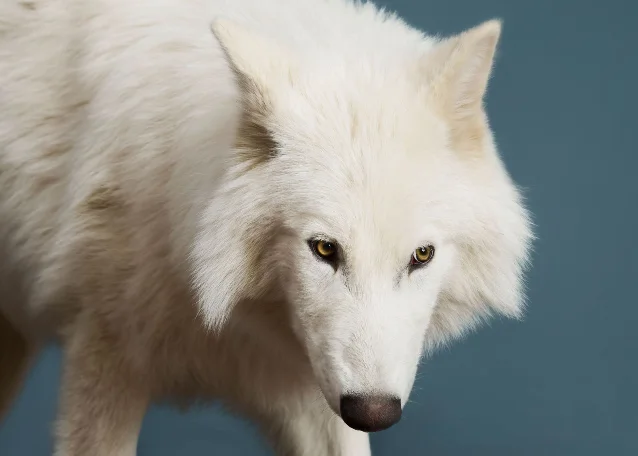
需要说清楚的一点是:这不是「把一只 1 万年前的动物克隆回来」,而是把灰狼改造成一个在形态和行为上重现恐狼特征的个体。恐狼本身在遗传上并不是灰狼的近亲——2020 年发表在《自然》的研究把它归为「一个古老的新大陆犬科谱系」的最后一支,与今天的灰狼、郊狼分家已久(Nature 2020)。所以「恐狼」这个词指的是一组被复原出来的性状,而不是一条被完整复原的基因序列。
猛犸象与其它物种。 Shapiro 也讲了猛犸象、渡渡鸟、袋狼(thylacine)各自的技术难点:这些动物没有可用的近缘活体来做「编辑模板」,所以每一步都要更慢。Colossal 对外给出的目标是 2028 年前培育出一头猛犸象幼崽;公司 2021 年成立,由 Ben Lamm 与遗传学家 George Church 共同创办,2025 年 1 月完成 2 亿美元 C 轮融资(TWG Global 领投),累计融资约 4.35 亿美元(Colossal 官方公告、公司背景)。
恐龙是另一回事。 Huberman 特意问了她是不是要复活恐龙——答案是不。原因不难理解:DNA 会降解,6500 万年前的遗传信息早已碎到无法还原,能做的是「改出一只有恐狼特征的狼」,而不是从零复活一只恐龙。
四、为什么去灭绝的另一半理由是保护现生物种
Shapiro 在节目开头的那段冷开场里,其实已经回答了最常见的一句质疑:「为什么不拿这些钱去救还没灭绝的动物?」
她的回答是:我们在同时做这两件事,用的是同一套工具、同一套技术、同一套需求。 当人们因为猛犸象和渡渡鸟而兴奋时,流向这项技术的关注、热情和投资也会变多,而这些技术同样可以用来阻止现生物种灭绝。
节目里点到的例子包括:
- 黑足雪貂:曾被认为已经灭绝,靠克隆个体(Elizabeth Ann)和基因恢复工作把种群重新撑起来(美国鱼类及野生动物管理局);
- 佛罗里达美洲狮:著名的「基因救援」案例,引入德州美洲狮血统来扭转近亲繁殖造成的衰退(Science);
- 红狼:Colossal 基金会正在做的祖源复原项目;
- 袋狼与斑尾袋鼬(quoll):她特意讲了这对关系——如果能把袋狼带回来,同一套方法也可能帮到这种还在的、与之相关的有袋类。
她还提到 Pleistocene Park(更新世公园)这类生态工程:Sergey Zimov 在北极圈里复原猛犸象草原,试图用大型食草动物改变冻土生态(项目官网)。对 Shapiro 来说,这些都不是「把动物放回去就完事」,而是要建模:如果这些动物真的回到野外,生态会发生什么。
五、伦理、顾问委员会与公众恐惧
后半段节目的重心转向伦理。Shapiro 讲了几件她不打算回避的事:
- 顾问委员会:Colossal 设有外部顾问机制,用来判断哪些项目该做、哪些不该做——她的态度是「这不是一家公司自己说了算的事」。
- 基因驱动与蚊子:如果可以用基因驱动让蚊子无法传播某种疾病,边界在哪里?她把它和去灭绝放在同一类问题里讨论:人类要不要、以及凭什么,永久性地改写一个物种的未来。
- 人工子宫:Huberman 问到人工子宫在猛犸象项目里的角色,以及围绕它的公众恐惧。她对技术乐观,但承认恐惧本身是有信息的。
- 人类自身的基因选择:节目里也谈到了对人类生殖系进行编辑的尝试——她把它归为「优生学式实验」,并提到相关实验室被监管机构叫停的结局。
这一段最值得记住的,是 Shapiro 对「我们是什么」的定位。她说:「从整体上说,人类在这个时间点已经是一股进化力量。我们正在决定这些物种的未来会是什么样。」 对她而言,这句话既是理由,也是责任。
六、给读者的判断依据
如果要用一句话概括这期节目的立场:去灭绝不是「科学终于能复活灭绝动物了」,而是「人类已经在做进化层面的决定,现在要决定怎么做得更负责任」。 Shapiro 给出的不是成功叙事,而是一份仍然开放的问题清单——恐狼为什么是灰狼改出来的、猛犸象卡在哪、生态影响怎么建模、谁有权替一个物种决定它还要不要存在。想听她讲得最细的部分,是「物种概念」和「棕熊/北极熊杂交」那两段;想看她最谨慎的部分,是伦理那一整节。
人物、机构与术语
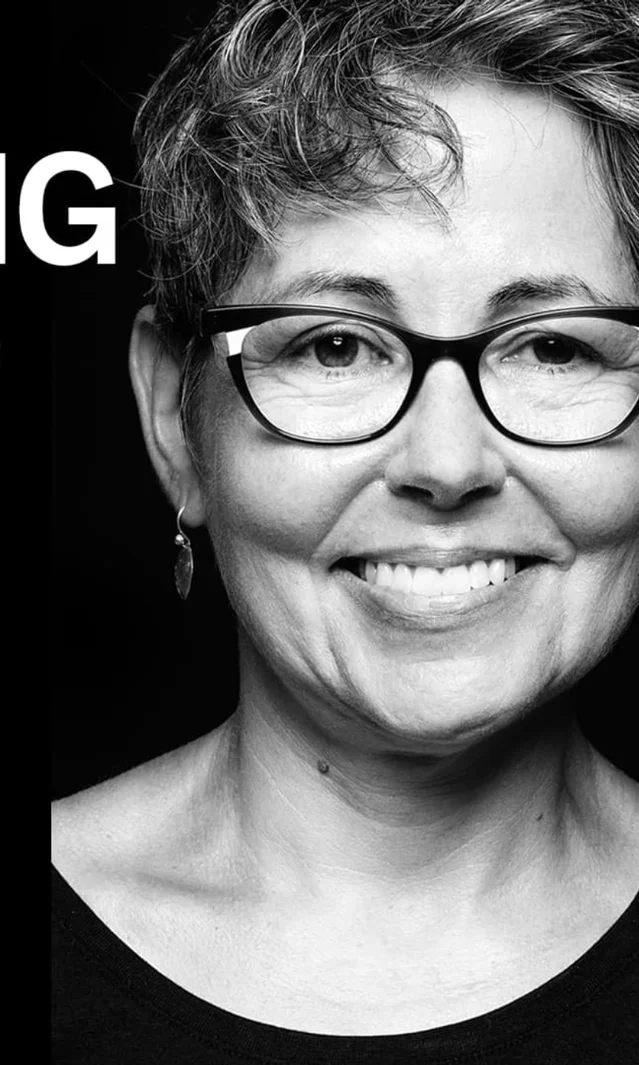
- Beth Shapiro(贝丝·夏皮罗):进化生物学家,古 DNA 领域的代表人物,麦克阿瑟奖得主、美国国家科学院院士、美国艺术与科学院院士、罗德学者,牛津大学博士;曾任加州大学圣克鲁兹分校生态与进化生物学教授、UCSC 基因组学研究所保护基因组学副主任,并任霍华德·休斯医学研究所研究员;2024 年出任 Colossal Biosciences 首席科学官。科普著作有《How to Clone a Mammoth》(2015)与《Life as We Made It》(2021)。
- Andrew Huberman(安德鲁·胡伯曼):斯坦福大学医学院神经生物学与眼科学教授,《Huberman Lab》主播。
- Colossal Biosciences:2021 年由 Ben Lamm 与 George Church 创办的去灭绝公司,总部在达拉斯,TIME 2025 年报道时约有 130 名科学家;2025 年 1 月完成 2 亿美元 C 轮,累计融资约 4.35 亿美元;对外目标是 2028 年前培育出猛犸象幼崽。
- 恐狼(dire wolf,Aenocyon dirus):约 1 万多年前灭绝的北美顶级掠食者,2020 年《自然》研究把它归为古老的新大陆犬科谱系。
- 尼安德特人/丹尼索瓦人:与解剖学意义上的现代人同期并存的两支古人类;丹尼索瓦人最早由 Svante Pääbo 团队从西伯利亚丹尼索瓦洞穴的一节小指骨中确认。
- 生物学物种概念(Ernst Mayr):能交配且后代可育即为同一物种——只是众多「物种概念」之一。
- 基因驱动(gene drive):让某个遗传性状以超常速度在种群中扩散的技术,常用于讨论控蚊。
- Pleistocene Park(更新世公园):俄罗斯北极圈内的大型食草动物生态复原项目。
完整逐字稿
本稿由本期官方音频的机器转写整理而成,按讲话人分段署名,时间轴每 10 分钟标注一次;中英对照,每段先列英文原文,紧跟中文译文。两位讲话人音色接近,极少数快速接话处可能归错人;转写对专有名词做了订正,其余内容未作删改。
00:00 - 10:00
Beth Shapiro:
So our dire wolves, they have 20 edits that we picked and we sequenced genomes from fossil dire wolves. We learned from those genomes what genetic changes made those animals bigger, more robust, light colored in coat. And then we engineered those changes into a gray wolf genome to recreate the dire wolf. You know, I often get the question of why are you thinking about bringing extinct species back to life? Why aren't you thinking about helping living species not become extinct? And the answer is we are doing both. It is the same tools. It's the same technology. It's the same needs. And when we excite people with the idea of mammoths and dodos and thylacines, we get more engagement and enthusiasm and investment in developing the technology that we can use to stop living species from becoming extinct.中文:所以我们的恐狼,我们挑选了 20 处编辑,并从化石恐狼中测序了基因组。我们从这些基因组中了解到,哪些基因变化使这些动物更大、更强壮、毛色更浅。然后我们将这些变化引入灰狼的基因组中,以重建恐狼。你知道,我经常被问到一个问题,为什么要考虑让灭绝的物种复活?为什么不考虑帮助现存物种不灭绝呢?答案是我们在做两者。这是相同的工具,相同的技术,相同的需求。当我们用猛犸象、渡渡鸟和袋狼的概念激发人们的兴趣时,我们就能获得更多的参与、热情和投资,从而开发出可以用来阻止现存物种灭绝的技术。
Andrew Huberman:
Welcome to the where we discuss science and science-based tools for everyday life. I'm Andrew Huberman, and I'm a professor of neurobiology and ophthalmology at Stanford School of Medicine. My guest today is Dr. Beth Shapiro. Dr. Beth Shapiro is an evolutionary biologist. She was a professor at UC Santa Cruz and an investigator with the Howard Hughes Medical Institute before leaving to become chief scientific officer at Colossal Biosciences. Her work at Colossal is focused on what is called de-extincting species such as the woolly mammoth, the dodo bird, and the dire wolf, meaning bringing them back to life. But that entire initiative is also about species preservation more broadly and how genomics can be used to improve the global ecosystem. In this episode, we discuss what it means to use ancient DNA to bring back extinct species. Which then led us to a broader discussion about genetic engineering in human health. Both of which, by the way, are happening right now. So this is not just a projection into what's coming in the future. As you'll see, Dr. Beth Shapiro is truly a one of a kind thinker. And today you'll learn the science, the ethical implications and the positive potential of using genetics to de-extinct species and using genetic selection and genetic tools to change humans. And no, Dr. Beth Shapiro is not planning to bring back dinosaurs. And today, you'll learn why. Before we begin, I'd like to emphasize that this podcast is separate from my teaching and research roles at Stanford. It is, however, part of my desire and effort to bring zero cost to consumer information about science and science-related tools to the general public. In keeping with that theme, today's episode does include sponsors. And now for my discussion with Dr. Beth Shapiro. Dr. Beth Shapiro, welcome. Dr. Beth Shapiro. Thank you. Long time fan of your work. Same. Love animals, love stories about animals that aren't around anymore. Heard that you're going to bring back the woolly mammoths, the dodo bird, and that you might have already done something to contribute to the proliferation of the black-footed ferret. I'm a big fan of mustelids, of which ferrets are. We're going to talk about all of that today, including the ethical implications and so on. But I have a very basic question. Which is, how do you decide what a species is? Because you have a degree in zoology. I always wanted to get a degree in zoology, but a few years ago we got this thing called DNA sequencing. We can look at ancient DNA, can look at skeletons. People have done that for a long time. And my understanding is that it's completely revised the understanding of the relationship between different animals and the number of branches in these phylogenetic trees. So what have we learned that, We think people might appreciate understanding about taxonomy and like, is my dog as a bulldog mutt really the same as a chihuahua? Are they really the same species?中文:欢迎来到我们讨论日常生活中的科学和基于科学的工具的地方。 我是安德鲁·胡伯曼,斯坦福大学医学院神经生物学和眼科教授。 今天我的客人是贝丝·夏皮罗博士。 贝丝·夏皮罗博士是一位进化生物学家。 在成为 Colossal Biosciences 的首席科学官之前,她曾是加州大学圣克鲁斯分校的教授和霍华德休斯医学研究所的研究员。 她在 Colossal 的工作重点是所谓的“复活”物种,例如猛犸象、渡渡鸟和恐狼,这意味着让它们复活。 但整个倡议还涉及更广泛的物种保护以及如何利用基因组学来改善全球生态系统。 在本集中,我们将讨论利用古代 DNA 复活灭绝物种意味着什么。 这让我们对人类健康中的基因工程进行了更广泛的讨论。 顺便说一句,这两件事现在都在发生。 因此,这不仅仅是对未来的预测。 正如您将看到的,贝丝·夏皮罗博士确实是一位独一无二的思想家。 今天,您将了解利用遗传学来消除物种灭绝以及利用基因选择和遗传工具来改变人类的科学、伦理含义和积极潜力。 不,贝丝·夏皮罗博士并不打算带回恐龙。 今天,您将了解原因。 在开始之前,我想强调一下,这个播客与我在斯坦福大学的教学和研究角色是分开的。 然而,我的愿望和努力的一部分是向公众提供有关科学和科学相关工具的零成本消费者信息。 为了与这个主题保持一致,今天的节目确实有赞助商。 现在我与贝丝·夏皮罗博士进行讨论。 博士。 贝丝·夏皮罗,欢迎。 贝丝·夏皮罗博士。 谢谢。 长期喜欢你的作品。 相同的。 热爱动物,热爱有关已不复存在的动物的故事。 听说你要带回猛犸象、渡渡鸟,而且你可能已经做了一些事情来促进黑足雪貂的繁殖。 我是鼬科动物的忠实粉丝,雪貂就是其中之一。 今天我们将讨论所有这些,包括道德影响等等。 但我有一个非常基本的问题。 也就是说,你如何决定一个物种是什么? 因为你有动物学学位。 我一直想获得动物学学位,但几年前我们得到了一种叫做 DNA 测序的东西。 我们可以观察古代 DNA,可以观察骨骼。 人们长期以来一直这样做。 我的理解是,它完全修改了对不同动物之间的关系以及这些系统发育树中分支数量的理解。 那么我们学到了什么,我们认为人们可能会欣赏对分类学的理解,比如,我的狗作为斗牛犬杂种狗真的和吉娃娃一样吗? 它们真的是同一物种吗?
Beth Shapiro:
Right. That's a really fascinating way to put it. And I think the most important thing that most people... Probably don't think about is that biology doesn't care what species you are. Species is a human concept. We have this incredible proclivity to want to put things into boxes so that we can talk about them. So that we can have conversations or share stories or share memories. In order to share something, we have to know what to call it. That's one of the reasons language has been so fundamental to the evolution of our species and our social structures. So what is a species? Probably when you learned about species in biology class when you were in middle school, you learned about Ernst Mayr's biological species concept.中文:右。这是个非常有趣的表达方式。我认为大多数人......可能没想到的最重要的一点是,生物学并不在乎你是哪个物种。物种是人类的概念。我们有一种令人难以置信的倾向,想要把事物放进盒子里,以便谈论它们。这样我们才能进行对话、分享故事或分享记忆。为了分享某样东西,我们必须知道该怎么称呼它。这也是语言在我们物种和社会结构进化中如此基础的原因之一。那么,什么是物种?可能你在初中生物学课上学到物种时,会了解到恩斯特·迈尔的生物物种概念。
Andrew Huberman:
Kingdom, phylum, order, genus, species, like this kind of thing. Clade, you know?中文:界、门、纲、属、种,像这种东西。谱系,你知道吗?
Beth Shapiro:
That's the taxonomy, right? So we have Linnaeus came up with this idea of doing taxonomy, right? So here's an interesting taxonomy story. I've spent a lot of my career working on bison for unfortunate reasons, probably, or fun reasons or whatever, but a lot of time working on bison. And bison were called buffalo, right? We think of American bison as buffalo. It's the same thing. It's the same thing. Thank you. That was called a bouffe coat. They called it a buffalo or a buffalo, right? So we have African buffalo and Asian buffalo and American buffalo, and they are not related to each other at all if you look at their DNA. But they all have the same name because they all made a good coat at some point, or at least there was the idea that they would. But taxonomists found this to be very interesting. Disturbing. We want to know what animal we're talking about when we say the buffalo. And so this is why Carl Linnaeus comes up with this scheme. The American bison, the American buffalo is called bison bison. In fact, the plains bison is called bison bison bison. That's a genus and a species and a subspecies that are all the same thing.中文:这就是分类法,对吗? 所以我们让林奈提出了分类学的想法,对吗? 这是一个有趣的分类故事。 我在职业生涯中花了很多时间研究野牛,可能是出于不幸的原因,或者出于有趣的原因或其他原因,但很多时间都在研究野牛。 野牛被称为水牛,对吗? 我们认为美洲野牛就是水牛。 这是同样的事情。 这是同样的事情。 谢谢。 那就是所谓的蓬松外套。 他们称它为水牛或水牛,对吗? 所以我们有非洲水牛、亚洲水牛和美洲水牛,如果你看一下它们的 DNA,它们之间根本没有血缘关系。 但它们都有相同的名字,因为它们都曾在某个时候制作过一件好外套,或者至少有这样的想法。 但分类学家发现这非常有趣。 令人不安。 当我们说水牛时,我们想知道我们在谈论什么动物。 这就是卡尔·林奈提出这个方案的原因。 美洲野牛,美洲水牛被称为野牛 bison。 事实上,平原野牛被称为野牛野牛。 这是一个属、一个物种和一个亚种,它们都是同一件事。
Andrew Huberman:
That's the Latin name, bison bison bison. Bison bison bison. It's almost as humorous as I think it's gorilla gorilla.中文:那是拉丁名,bison bison bison。Bison bison bison。它几乎和我认为的 gorilla gorilla 一样有趣。
Beth Shapiro:
Yes, gorilla gorilla and llama llama. That's one of my favorites too.中文:是的,大猩猩大猩猩和羊驼羊驼。那也是我的最爱之一。
Andrew Huberman:
Love it.中文:喜欢它。
Beth Shapiro:
Anyway, taxonomy. So we have these taxonomic ways of thinking about things and that sorts everything into your deep evolutionary history. But species concepts are what people use to try to say, okay, I have this animal. Is it in the same species as this other animal or a different species from this animal? And the species concept that you probably learned, Ernst Mayr's, is the biological species concept, which says if they can breed and their offspring are fertile, then they're the same species.中文:无论如何,分类学。所以我们有这些分类学的思维方式,它会把所有东西根据你的深层进化历史进行分类。但是物种概念是人们用来尝试说,好的,我有这个动物。它和这个其他动物是同一物种还是不同物种?你很可能学过的物种概念,恩斯特·迈尔的,是生物学物种概念,它说如果它们可以交配并且后代是有生育能力的,那么它们就是同一种物种。
Andrew Huberman:
Which seems like a good place to start. It's a good place to start. Because even in my understanding from my fly biologists friends is that you can't mate Drosophila with another species of fly and get a fertile offspring. So even among flies, there's some restriction. And what's wild is that flies and mammals of all sorts seem to know. Like they actually don't try to mate. In most cases, they don't try to mate with... Thank you for joining us. Yeah, right. A guest on this podcast said that, an animal expert from the Karolinska. That makes so much sense. She said, you know, in Scandinavia, it's actually, she claims, and I believe her, that it's illegal to neuter a male dog unless there's a health reason. In Scandinavia and Australia, the inverse is true. Of course, they're upside down, but we'll forgive them for that. But yeah, they need their hormones for proper brain development. And we worry about them running around and breeding. There is this thing called a vasectomy, which is actually less invasive a procedure.中文:这似乎是一个很好的起点。 这是一个很好的起点。 因为即使根据我的苍蝇生物学家朋友的理解,你也不可能将果蝇与另一种苍蝇交配并产生可育的后代。 因此,即使在苍蝇中,也存在一些限制。 最疯狂的是,苍蝇和各种哺乳动物似乎都知道这一点。 就像他们实际上并没有尝试交配一样。 在大多数情况下,他们不会尝试与……交配。感谢您加入我们。 是的,对。 一位来自卡罗林斯卡的动物专家说道。 这很有道理。 她说,你知道,在斯堪的纳维亚半岛,她声称,实际上,除非有健康原因,否则对公狗进行绝育是违法的,我相信她。 在斯堪的纳维亚半岛和澳大利亚,情况恰恰相反。 当然,他们是颠倒的,但我们会原谅他们。 但是,是的,他们需要激素来保证大脑的正常发育。 我们担心它们到处乱跑和繁殖。 有一种叫做输精管切除术的手术,实际上是一种侵入性较小的手术。
Andrew Huberman:
This is an edgy topic, right? But if humans, I mean, if it's somewhat based on nomenclature, and if there's enough genetic variation out there, is it the case that people that we call people are actually divergent enough in terms of their DNA that two people are not necessarily both homo sapiens, that there's some homo sapiens with an asterisk? I'm not trying to cast any hierarchy. They could just be different.中文:这是一个尖锐的话题,对吧?但是如果是人类,我是说,如果它在某种程度上基于命名法,并且如果存在足够的基因变异,那么是否有可能我们称之为人类的人在 DNA 方面实际上是有差异的,以至于两个人不一定都属于现代智人,也就是说,有些现代智人带有星号?我并不是想建立任何等级。他们可能只是不同而已。
Beth Shapiro:
So you're referring to a different species concept, which is the genetic species concept, where an organism is classified based on some threshold of sequence similarity. And that is a species concept that is as valid and valuable a species concept as the biological species concept, which says you can't interbreed. If you're interested in conserving species, you might use a geographic species concept that says if you live here. You're a Florida panther, but if you live in Texas, you're a Texas panther. We're going to call you different species. Biology doesn't care about your species concept. Your species concept is something that you have adopted to have a conversation with another person about a particular topic.中文:所以你指的是一个不同的物种概念,即遗传物种概念,在这种概念下,生物体是基于某种序列相似性的阈值来分类的。这个物种概念与生物物种概念同样有效和有价值,生物物种概念认为你不能进行杂交。如果你有兴趣保护物种,你可能会使用地理物种概念,即如果你生活在这里,你就是佛罗里达美洲狮,而如果你生活在德克萨斯州,你就是德克萨斯美洲狮。我们会称你为不同的物种。生物学并不关心你的物种概念,你的物种概念是你为了与其他人讨论特定话题而采用的概念。
Andrew Huberman:
Educate us on this Neanderthal piece. I know this is a topic very close to home, given that your husband works on these issues. And maybe we'll get him on here separately.中文:向我们介绍一下这件尼安德特人作品。我知道这是一个非常贴近的主题,考虑到你的丈夫在这些问题上工作。也许我们会单独请他来参与讨论。
Beth Shapiro:
But feel free to steal his thunder in any way that you feel. My husband, Ed Green, was part of Svante Pääbo's group when they were assembling the Neanderthal genome. And so he spent a lot of time thinking about Neanderthal. I think what's interesting from a species concept perspective, If we start there with what's going on with Neanderthals is we now know, based on studying DNA, both from Neanderthals that used to be alive and a different lineage of human called Denisovan, we call it this, that was first isolated again by Svante Pääbo's research group from a tiny little finger bone that they found in a cave, Denisova cave in Russia. That's why they're called Denisovans. We know that there were multiple different species or lineages or whatever you want to call them of human-like people that were alive at the same time. And we know that after people moved out of Africa to colonize Europe, they met our ancestors, Homo sapiens, anatomically modern humans, everything you want to call them. They met groups of Neanderthals and they bred with them. So if they were a different species, they were violating the biological species concept at this point. So again, species concepts are just what we make of them. And today, most people have somewhere between two and five percent of their DNA that is from this admixture event, this hybridization event between anatomically modern humans dispersing out of Africa and the Neanderthals that were already in Europe.中文:但你可以随意以任何你感觉的方式抢走他的风头。 我的丈夫埃德·格林 (Ed Green) 是斯万特·帕博 (Svante Pääbo) 小组的成员,当时他们正在组装尼安德特人基因组。 因此他花了很多时间思考尼安德特人。 我认为从物种概念的角度来看,有趣的是,如果我们从尼安德特人的情况开始,基于对 DNA 的研究,我们现在知道,既来自曾经活着的尼安德特人,也来自称为丹尼索瓦人的不同谱系的人类,我们称之为丹尼索瓦人,它是由 Svante Pääbo 的研究小组从他们在俄罗斯丹尼索瓦洞穴中发现的一个小指骨中首次分离出来的。 这就是为什么他们被称为丹尼索瓦人。 我们知道,有多种不同的物种或谱系,或者无论你怎么称呼它们,都是同时存在的类似人类的人。 我们知道,在人们离开非洲前往欧洲殖民之后,他们遇到了我们的祖先,智人,解剖学上的现代人类,无论你怎么称呼他们。 他们遇到了尼安德特人群体,并与他们一起繁殖。 因此,如果它们是不同的物种,那么它们此时就违反了生物物种概念。 再说一遍,物种概念正是我们所创造的。 如今,大多数人的 DNA 中有百分之二到百分之五来自于这一混合事件,即从非洲分散的解剖学上的现代人类与已经在欧洲的尼安德特人之间的杂交事件。
10:00 - 20:00
Andrew Huberman:
Many questions about this. First of all, and try not to laugh, the silhouette diagram that we've seen of apes gradually in sort of time sequence, working their way to bipedal and upright. When we see that diagram, is that substantiated by the fossil record?中文:关于这个有很多问题。首先,请尽量不要笑,我们看到的关于猿类逐渐按时间顺序变成人类,最终直立行走的轮廓图。当我们看到那张图时,那是有化石记录支持的吗?
Beth Shapiro:
It is, yes. We know that the lineage that eventually became us evolved in Africa. We can trace ancestry back to apes and then to primates or primates and then to apes and then eventually to us. The fossil record in Africa is very fragmentary. One thing that's really been really fun about working in ancient DNA is the field of paleoanthropology is... Pretty contentious because there are so few bones that are out there that if someone finds a bone and it's a partial fragment of a jaw with a piece of a tooth in it, they can use that bone to completely revise what we think has happened in human evolutionary history. And maybe they're right and maybe they're not and they're smart and they've been thinking about these things and they compare it to all the other bones. So there's a lot there. What's brilliant about ancient DNA is that if I can find a little pinky bone in a cave and Denisova. Right. And I can get DNA from that. I know that my bone has ancestors. Right. If I have a bone that might be somewhere on that lineage to human evolution, I don't know that that bone has descendants. I don't know that that bone is part of our actual family tree or if it's another one of the dead ends that went in a different direction and eventually became extinct. But that is one of the coolest things about being able to sequence one of these bones, because now you know what it is. And now you can line it up against all the DNA from all of the people that are alive today and discover things like we all have ancestry because there was breeding between these lineages because they could. And because I think that if they can, they do.中文:是的,是的。 我们知道,最终形成我们的血统是在非洲进化的。 我们的祖先可以追溯到猿类,然后追溯到灵长类动物,或者灵长类动物,然后到猿类,最后到我们。 非洲的化石记录非常零散。 研究古代 DNA 确实非常有趣的一件事是古人类学领域......非常有争议,因为那里的骨头太少了,如果有人发现一块骨头,而且它是下巴的一部分碎片,里面有一颗牙齿,他们就可以用这块骨头来彻底修改我们认为的人类进化史上发生的事情。 也许他们是对的,也许他们不是,他们很聪明,他们一直在思考这些事情,并将其与所有其他骨头进行比较。 所以那里有很多东西。 古代 DNA 的精彩之处在于,如果我能在洞穴和丹尼索瓦中找到一块小指骨。 正确的。 我可以从中获取 DNA。 我知道我的骨头有祖先。 正确的。 如果我有一块骨头可能属于人类进化谱系的某个地方,我不知道那块骨头有后代。 我不知道那根骨头是我们真实家谱的一部分,还是它是另一个走向不同方向并最终灭绝的死胡同。 但这是能够对其中一根骨头进行测序的最酷的事情之一,因为现在你知道它是什么了。 现在你可以将它与今天还活着的所有人的所有 DNA 进行排列,并发现诸如我们都有祖先之类的东西,因为这些血统之间存在繁殖,因为他们可以。 因为我认为如果他们能做到的话,他们就会这么做。
Andrew Huberman:
I would like to take a quick break and acknowledge one of our sponsors, Joovv. Joovv makes medical grade red light therapy devices. Now, if there's one thing that I have consistently emphasized on this podcast is the incredible impact that light can have on our biology and our health. Now, in addition to sunlight, which I've talked about a lot on this podcast, red light, near infrared and infrared light have been specifically shown to have positive effects on improving numerous aspects of cellular and organ health. These include faster muscle recovery, improved skin health, wound healing, improvements in acne, reduced pain and inflammation, improved mitochondrial function, and even improvements in vision. Nowadays, there are a lot of red light devices out there, but what sets Joovv lights apart and why they're my preferred red light therapy device is that they use clinically proven wavelengths, meaning they use the specific wavelengths of red light, near infrared and infrared light in combination to trigger the optimal cellular adaptations. Personally, I use the Joovv whole body panel about three to four times a week, usually for about 10 to 20 minutes per session. And I use the Joovv handheld light both at home and when I travel. If you would like to try Joovv, they're offering up to $400 off select products for listeners of this podcast. To learn more, visit Joovv, spelled J-O-O-V-V.com slas in, that's J-O-O-V-V.com slas episode is also brought to us by Eight Sleep. Eight Sleep makes smart mattress covers with cooling, heating, and sleep tracking capacity. Eight Sleep just launched the Pod6, which is their most advanced sleep system. The Pod6 is half the size of their previous models, it's 20% faster with its cooling and heating, and it has nine times as many sensors for tracking your sleep. The reason why eight sleep is so effective at improving your sleep quality and duration is because it helps control your core body temperature. And the reason for that is that in order to fall and stay deeply asleep, your core body temperature has to drop by about one to three degrees. And to wake up feeling completely refreshed and energized, You actually want your body temperature to be increasing in the final hours of your sleep. Eight Sleep automatically regulates the temperature of your bed throughout the night and is monitoring your sleep and dynamically adjusting the temperature of your sleep environment so you get the maximum amount of deep sleep and rapid eye movement sleep. I've been sleeping on an Eight Sleep mattress cover for nearly five years now, and with each new iteration of Eight Sleep, it gets better and better at figuring out what my body needs in order to get the best possible night's sleep. And of course, it provides me excellent data about just how much deep and rapid eye movement sleep I got. If you would like to try Eight Sleep, go to eightsleep.com slash Huberman to get up to $200 off their new Pod 6. Eight Sleep ships to many countries worldwide, including Mexico and the UAE. Again, that's eightsleep.com slash Huberman to save up to $200. It's interesting, right? Because if you took the far ends of the spectrum of the, you know, the old world primate, you know, apes, and then the upright human walking, my assumption is that let's just say you used artificial insemination that you wouldn't actually get viable. Reproductively competent offspring from those. But at some point, you know, two different species. Again, it's a nomenclature to some at some point, but two non genetically similar. I don't say identical because they're not twins. Right. So I don't have a language here. Forgive me. But you can get breeding across species and get reproductively viable offspring. That that has to be the way this happened, right? It couldn't have just been through spontaneous mutations中文:我想稍微休息一下并感谢我们的赞助商之一 Joovv。 Joovv 生产医疗级红光治疗设备。 现在,如果我在这个播客中一直强调一件事,那就是光对我们的生物学和健康产生的令人难以置信的影响。 现在,除了我在这个播客中多次谈论的阳光之外,红光、近红外光和红外光已被具体证明对改善细胞和器官健康的许多方面具有积极作用。 这些包括更快的肌肉恢复、改善皮肤健康、伤口愈合、改善痤疮、减少疼痛和炎症、改善线粒体功能,甚至改善视力。 如今,市面上有很多红光设备,但 Joovv 灯的与众不同之处以及它们成为我首选红光治疗设备的原因在于它们使用经过临床验证的波长,这意味着它们结合使用红光、近红外和红外光的特定波长来触发最佳的细胞适应。 就我个人而言,我每周使用 Joovv 全身面板大约三到四次,通常每次大约 10 到 20 分钟。 我在家和旅行时都使用 Joovv 手持灯。 如果您想尝试 Joovv,他们将为该播客的听众提供精选产品高达 400 美元的折扣。 要了解更多信息,请访问 Joovv,拼写为 J-O-O-V-V.com slas,即 J-O-O-V-V.com slas 剧集也是由“八睡”为我们带来的。 August Sleep 生产具有制冷、加热和睡眠跟踪功能的智能床垫套。 八睡眠刚刚推出了 Pod6,这是他们最先进的睡眠系统。 Pod6 的尺寸是之前型号的一半,制冷和制热速度提高了 20%,并且用于跟踪睡眠的传感器数量是之前型号的九倍。 八次睡眠之所以能够如此有效地改善您的睡眠质量和持续时间,是因为它有助于控制您的核心体温。 原因是,为了入睡并保持深度睡眠,您的核心体温必须下降约一到三度。 为了醒来时感觉完全神清气爽、精力充沛,您实际上希望自己的体温在睡眠的最后几个小时内有所升高。 八睡眠会整晚自动调节您的床的温度,并监控您的睡眠并动态调整您的睡眠环境温度,以便您获得最大量的深度睡眠和快速眼动睡眠。 我已经睡在“八睡”床垫罩上近五年了,随着“八睡”的每次新迭代,它越来越能更好地了解我的身体需要什么,才能获得最佳的夜间睡眠。 当然,它还为我提供了有关我的深度和快速眼动睡眠时间的出色数据。 如果您想尝试八睡眠,请访问八睡眠网站,砍掉 Huberman 的新 Pod 6 折扣,最高可享受 200 美元优惠。八睡眠可以运送到世界各地的许多国家,包括墨西哥和阿联酋。 再次强调,evensleep.com 大幅削减 Huberman 最多可节省 200 美元。 很有趣,对吧? 因为如果你拿旧世界灵长类动物,你知道,猿,然后是直立行走的人类,我的假设是,假设你使用了人工授精,你实际上无法存活。 那些具有繁殖能力的后代。 但是在某个时候,你知道,两种不同的物种。再次说明,对某些人来说,这是命名学上的问题,但在某个时候,它们在遗传上并不相似。我不说完全相同,因为它们不是双胞胎。对,所以我在这里没有语言表达能力,请原谅我。但你可以跨物种繁殖,并获得具有生殖能力的后代。这一定是事情发生的方式,对吧?它不可能仅仅通过自发突变发生。
Beth Shapiro:
that suddenly took animals from quadrupeds to bipeds. Thank you so much. No, this is a very long and slow evolutionary process. It's actually a really good question. And I think it's an open question in evolutionary biology. And it's probably different. Evolution does happen because of random mutations that accumulate in a genome. And if you think about what might happen if two lineages are isolated from each other for a really long time and in different habitats, say, this lineage is adapting to the habitat that it's in. Maybe it's Thank you for joining us. Thank you. Thank you. Humans and Neanderthals diverged somewhere 300 to 500,000 years ago. That's not very long ago in evolutionary time. Brown bears and polar bears diverged about half a million years ago, and we know that they can readily interbreed and do whenever they overlap in habitat. Yeah. They're called growler bears or pizzly bears, depending on which direction. Pizzly bears. I know. They're terrible names, right?中文:那突然让动物从四足动物变成两足动物。非常感谢。不,这实际上是一个非常漫长且缓慢的进化过程。这的确是一个非常好的问题。我认为在进化生物学中,这仍然是一个未解的问题。而且可能每种情况都不同。进化确实发生,是因为基因组中积累的随机突变。如果你想想,如果两条谱系在很长时间内被彼此隔离,并且处于不同的栖息地会发生什么,比如这条谱系正在适应它所在的栖息地。这也许是...感谢你加入我们。谢谢你。谢谢。人类和尼安德特人分化大约发生在 30 万到 50 万年前。在进化时间上,这并不算很久。棕熊和北极熊大约在 50 万年前分化,我们知道它们只要栖息地重叠就能轻松杂交,并且确实会发生杂交。是的。它们被称为“咆哮熊”或“披兹熊”,取决于哪个方向。披兹熊。我知道。这些名字很糟糕,对吧?
Andrew Huberman:
You want a different name for this really cool thing. Yeah, especially if you're a bear. Yeah. Yeah.中文:你想给这个非常酷的东西起一个不同的名字。是的,尤其是如果你是一只熊。是的。是的。
Beth Shapiro:
But that's been happening throughout their evolutionary history. We can see this because using ancient DNA, we were able to go back. We found a polar bear off the coast of Alaska that probably lived more than 100,000 years ago. And it had ancestry that we see in brown bears everywhere in the world, suggesting that that bear's ancestors at some point, or that bear's descendants had hybridized with brown bears and that DNA got passed around. We know that during the last ice age, there were polar bears that got trapped on the ABC Islands in Southeast Alaska. And when brown bears expanded from the mainland, they interbred with those polar bears. And brown bears all alive in North America today have polar bear ancestry that is because of that interbreeding 20,000 years ago or so. Yeah. So in that case, a half a million years had gone by. They're really adapted to different habitats and yet they can interbreed. But what's most interesting and I think is relevant to your question is that those hybrid bears only ever live and survive as brown bears. We see no evidence of brown bear DNA getting into polar bears. And that is again, because of how evolution has worked. And it's especially interesting because it only really happens in the direction where the mom is a polar bear and the dad is a brown bear. Polar bears are induced ovulators. So the presence of a male will cause them to ovulate. So you can imagine a situation where a brown bear wakes up from hibernation, goes on to polar bear habitat, to scavenge for food, comes across a polar bear female, induces ovulation and they mate. The other way around, We'll be right back. We were working with some polar bear biologists. We were doing this analysis many years ago, and their hypothesis was simply that if you have brown bear ancestry, you don't have perfectly white fur and you cannot successfully hunt seals. So it is just adaptation that means that that admixture doesn't work, right? So even though there's no problem with the sperm and egg mixing and the animal is born, they cannot survive as polar bears.中文:但这在它们的进化史上一直在发生。 我们可以看到这一点,因为使用古代 DNA,我们能够回到过去。 我们在阿拉斯加海岸附近发现了一只北极熊,它可能生活在十万多年前。 它具有我们在世界各地的棕熊身上看到的祖先,这表明该熊的祖先,或者该熊的后代在某个时候与棕熊杂交,并且 DNA 得以传承。 我们知道,在上一个冰河时期,有北极熊被困在阿拉斯加东南部的 ABC 群岛上。 当棕熊从大陆扩张时,它们与北极熊杂交。 今天生活在北美的棕熊都有北极熊的血统,这是因为大约 2 万年前的杂交。 是的。 那么在这种情况下,已经过去了五十万年。 它们确实适应了不同的栖息地,但它们可以杂交。 但最有趣的是,我认为与你的问题相关的是,这些杂交熊只能以棕熊的身份生活和生存。 我们没有发现北极熊体内有棕熊 DNA 的证据。 这又是因为进化的运作方式。 这特别有趣,因为它只真正发生在妈妈是北极熊而爸爸是棕熊的方向。 北极熊是诱导排卵动物。 因此,雄性的存在会导致它们排卵。 所以你可以想象这样一种情况:棕熊从冬眠中醒来,前往北极熊栖息地寻找食物,遇到一只雌性北极熊,诱导排卵并交配。 反过来说,我们马上就回来。 我们正在与一些北极熊生物学家合作。 多年前我们就在做这个分析,他们的假设很简单:如果你有棕熊的血统,你就不会有完全白色的毛发,也无法成功捕猎海豹。所以这只是适应性意味着这种混血不起作用,对吧?所以即使精子和卵子混合没有问题,动物也出生了,它们也无法作为北极熊生存。
20:00 - 30:00
Andrew Huberman:
And so polar bear stays separate from brown bear in that way. I'm going to bring up dogs again, but in the back of my mind is a conversation about humans and this question about different species of prior to Homo sapiens or Homo sapiens and nearby species having reproductively competent offspring. So in the dog world, it's well known that the English bulldog, which has a big head, small hips, is the byproduct of many crossings, but it's basically the bull mastiff and the pug. And this was an attempt to generate an animal with a short snout so it could clamp down for bull baiting. which fortunately is an illegal sport now to clamp down and not get shaken off by the bull very easily. The floppy face is associated with lack of pain receptors. So a bunch of things in the bull mastiff lineage that they want, but they wanted a low center of gravity. So they took the pug. But when you cross them, of course, the females can't give birth because the birth canal just doesn't allow for it. Right. Humans realize this pretty quickly and they learn cesarean section. So I could imagine a situation, although I don't tend to think like this. Today, I'm imagining a situation where homo sapiens And some other non-homo sapien human-ish species were having sex, sometimes getting pregnant, but the babies would always die because the birth canal and the structure of the pelvis wasn't quite right to allow the head size through, which, you know, there are a lot of, I hear a lot of arguments that, you know, humans sort of optimized for just enough space so that the large brain humans, you know, we love to talk about how big our brains are, right? Could pass through, but no larger and not much smaller in most cases.中文:所以北极熊就这样与棕熊分开了。 我要再次提起狗,但在我的脑海里是关于人类的对话,以及关于智人之前或智人以及附近物种具有繁殖能力后代的不同物种的问题。 所以在狗的世界里,众所周知的是英国斗牛犬,它的头大,臀部小,是许多杂交的副产品,但它基本上是斗牛獒和哈巴狗。 这是一种尝试创造出一种短鼻子动物的尝试,这样它就可以压制公牛诱饵。 幸运的是,现在这是一项非法运动,要加以限制,不要轻易被公牛甩掉。 松弛的脸与缺乏疼痛感受器有关。 因此,他们想要斗牛獒血统中的很多东西,但他们想要低重心。 于是他们就带走了哈巴狗。 但是,当你让它们杂交时,雌性当然无法生育,因为产道不允许。 正确的。 人类很快意识到这一点,并学会了剖腹产。 所以我可以想象一种情况,尽管我不倾向于这样思考。 今天,我想象这样一种情况,智人和其他一些非智人类人类物种发生性行为,有时会怀孕,但婴儿总是会死亡,因为产道和骨盆的结构不太适合让头部尺寸通过,你知道,我听到很多争论,你知道,人类对足够的空间进行了优化,以便人类的大大脑,你知道,我们喜欢谈论有多大 我们的大脑是吧? 可以通过,但在大多数情况下不会更大,也不会小很多。
Beth Shapiro:
One of the reasons that giving birth is one of the ways that women have died in our evolutionary history.中文:生育是女性在我们的进化历史中死亡的原因之一。
Andrew Huberman:
Right. And cesarean sections probably have changed human evolution in that sense, as has aseptic conditions and things like that.中文:对。而且剖腹产可能在这方面改变了人类的进化,像无菌环境之类的东西也是如此。
Beth Shapiro:
Absolutely. For me, my child was cesarean birth. Yeah.中文:绝对是的。对我来说,我的孩子是剖腹产的。是的。
Andrew Huberman:
Right. So I like to think you would have survived. But I could imagine a mutation that was an adaptive mutation where suddenly this other species, which maybe had a smaller pelvis, a female could deliver this child live. The mother survived as well. And then that... DNA, you know, propagates so that there are now humans, maybe it's been bred out, but that there are or were humans walking around who are not completely homo sapien. Or is it not possible?中文:对。所以我喜欢认为你本可以存活下来。但我可以想象一种突变,一种适应性突变,突变使得另一种物种,可能骨盆较小的雌性,能够顺利生下这个孩子。母亲也幸存下来。然后那……DNA,你知道,会传播下去,所以现在可能有人类,也许这种特征已经被繁育消失了,但过去确实有人类存在,走在世上,却不完全是智人。或者这不可能吗?
Beth Shapiro:
I don't know about what's known about hip size or anything like this, but it is true that humans and our archaic cousins Neanderthals interbred and that people walking around today have Neanderthal DNA.中文:我不知道关于臀部大小或类似方面的已知信息,但人类和我们古代的近亲尼安德特人确实曾经杂交过,而且现在走在街上的人们体内含有尼安德特人的 DNA。
Andrew Huberman:
Two to 5%, you mean?中文:你的意思是 2 到 5%吗?
Beth Shapiro:
Two to 5%. What's interesting about that, and it touches a little bit on the adaptation component that you raised, is that I think most people or a lot of people have heard this number. We have two to 5% Neanderthal DNA. Less well understood is that it's a different two to 5%. Like the 2% Neanderthal that is in my genome is different from the 2% or maybe 5% Neanderthal that's in your genome is different than the next person.中文:2% 到 5%。有趣的是,这与您提到的适应性成分有些关联,我认为大多数人或许很多人都听说过这个数字。我们有 2% 到 5% 的尼安德特人 DNA。但不太为人所理解的是,这个 2% 到 5% 是不同的。例如,我基因组中的 2% 尼安德特人 DNA 与你基因组中的 2% 或 5% 尼安德特人 DNA 是不同的,也不同于其他人的。
Andrew Huberman:
So it could be heart, liver, skeleton, and spleen for me, and it could be some other constellation for you.中文:所以对我来说可能是心、肝、骨骼和脾,而对你来说可能是其他的星座。
Beth Shapiro:
Could be anything. And if we were to go around the world today and pick out all of the pieces of Neanderthal DNA that exist in humans today, we would be able to find We would put together more than 90%, possibly more than 95% of the Neanderthal genome, just from people who are alive today. And that tells us that most of the Neanderthal genome was not maladaptive for people, that pretty much all of it could get passed on and live in healthy humans today. Interesting. We don't know what happened in the other direction, right? We see Neanderthal bones and there hasn't really been any evidence of humans admins with Neanderthals. There has been evidence of hybrids between Neanderthals and Denisovans. This is really one of the most exciting things that ancient DNA has been able to contribute, I think, to understanding Neanderthals. Thank you. It's a chimpanzee or a bonobo. So there's three to five million years of time between when we shared a common ancestor and a lot of change happens in three to five million years in your DNA. And some of it is useful. Some of it is what makes us human. And most of it is just... Thank you for joining us. That 3 million to 5 million year long branch leading to us was shortened to 300,000 to 500,000 years by an order of magnitude. So now if we want to know what it is that makes us human, we have a much smaller list of mutations or variants that we can look at. And because we now know that 95% say of the Neanderthal genome exists in people today, we've narrowed that list down even further to that other 5%. 5%. What's going on in that 5% of the genome where no living person has Neanderthal DNA? That is where the stuff that the baby had to have the human version in order for that baby to survive. And that's where we look to see what it is that made us human.中文:可以是任何东西。 如果我们今天环游世界,挑出当今人类中存在的所有尼安德特人 DNA 片段,我们就能找到 90% 以上,甚至可能超过 95% 的尼安德特人基因组,这些片段都来自今天还活着的人。 这告诉我们,大部分尼安德特人基因组对于人类来说并没有适应不良,几乎所有基因组都可以在今天的健康人类身上遗传和生活。 有趣的。 我们不知道另一个方向发生了什么,对吗? 我们看到了尼安德特人的骨头,但并没有任何证据表明人类曾对尼安德特人进行管理。 有证据表明尼安德特人和丹尼索瓦人之间存在混血。 我认为,这确实是古代 DNA 对理解尼安德特人做出的最令人兴奋的贡献之一。 谢谢。 它是黑猩猩或倭黑猩猩。 因此,我们拥有共同祖先的时间间隔了三到五百万年,而你的 DNA 在三到五百万年间发生了很多变化。 其中一些是有用的。 其中一些使我们成为人类。 其中大部分只是......感谢您加入我们。 通向我们的那条长达 300 万至 500 万年的分支,缩短了一个数量级至 30 万至 50 万年。 因此,现在如果我们想知道是什么让我们成为人类,我们可以查看的突变或变异列表要小得多。 因为我们现在知道 95% 的尼安德特人基因组存在于今天的人类中,所以我们将这个列表进一步缩小到另外 5%。 5%。 没有活着的人拥有尼安德特人 DNA 的那 5% 的基因组中发生了什么? 这就是婴儿必须拥有人类版本才能生存的地方。 这就是我们去探索是什么造就了我们成为人类的地方。
Andrew Huberman:
A few years back when 23andMe and these other companies started making genomics in humans easier and more affordable, a lot of guys boast about Neanderthal DNA being vigor genes, whereas women try and downplay the amount of Neanderthal DNA that they have when they get their results. I found that interesting. Is there any evidence that the Neanderthal genes are quote-unquote vigor genes, that they allow for more durability of human, male or female?中文:几年前,当 23andMe 和其他一些公司开始让人类基因组学变得更容易、更实惠时,很多男性会吹嘘尼安德特人的 DNA 是“活力基因”,而女性在拿到结果时则试图淡化自己所拥有的尼安德特人 DNA 的数量。我觉得这很有趣。有没有证据表明尼安德特人的基因是所谓的“活力基因”,它们是否让男性或女性的人类更耐久?
Beth Shapiro:
It's an interesting question. If you just look at that two to 5% of Neanderthal DNA that we all have, most of it is not anything that is under selection. So you see it at about 3% frequency or so in different populations. What is interesting is when a piece of Neanderthal DNA is suddenly much more common in a population of humans, because that would suggest I got some DNA from my Neanderthal ancestry, and that bit of DNA suddenly made me more fit. Because I had that bit of Neanderthal DNA, I was able to survive and have more kids than everybody else. And so it increases in frequency compared to average. And this has been a really interesting thing to learn when you think about Neanderthal DNA. There are a couple of things that have come out. There are genes that are common in Latin American populations that come from Neanderthals that predispose to type 2 diabetes. There is another gene that I think was, again, in a Latin American population that makes people feel, I can't remember if it was more pain or less pain, but it did have to do with pain sensation. And I remember there was a trial of people in Colombia where they got to feel pain in some way. And there's a Neanderthal gene associated with this. But most of the really interesting ones have been at in immune related genes. During the pandemic, one of the first alleles that was discovered to be associated with negative risk or bad outcomes of COVID was a gene that came from Neanderthals. So it's a Neanderthal derived gene that was at something like 50% frequency. So way above the 3% average frequency in Asian populations. And it made people more susceptible to the virus entering your lungs. Presumably, it only became that high frequency because it was protective against some other disease that was circulating in the past. But the tradeoff of that is that it, of course, made them more susceptible to COVID. There was another Neanderthal-associated allele that was actually protective against COVID. I think our ancestors have been subjected to different diseases and pandemics and things that have happened throughout life. And we see the traces of that in ancient DNA. We can now go into graveyards in Europe and actually isolate plague from dirt and from bones from people who died of plague and look and see how their immune systems and genes have responded to exposure to things like this. It's really fascinating.中文:这是一个有趣的问题。 如果你只看我们拥有的 2% 到 5% 的尼安德特人 DNA,就会发现其中大部分都不是被选择的东西。 所以你在不同人群中看到它的频率约为 3% 左右。 有趣的是,当一段尼安德特人 DNA 突然在人类群体中变得更加常见时,因为这表明我从我的尼安德特人血统中获得了一些 DNA,而那段 DNA 突然让我变得更健康。 因为我有一点尼安德特人的 DNA,所以我能够生存下来,并且比其他人生下更多的孩子。 因此,与平均水平相比,它的频率有所增加。 当你想到尼安德特人的 DNA 时,这是一件非常有趣的事情。 有几件事已经出来了。 拉丁美洲人群中存在一些来自尼安德特人的常见基因,这些基因易患 2 型糖尿病。 我认为拉丁美洲人口中还有另一个基因,它让人们感到,我不记得是更痛还是更痛,但它确实与疼痛感有关。 我记得在哥伦比亚对人们进行了一项试验,让他们以某种方式感受到疼痛。 尼安德特人的基因与此相关。 但大多数真正有趣的研究都集中在免疫相关基因上。 在大流行期间,第一个被发现与新冠病毒负面风险或不良后果相关的等位基因之一是来自尼安德特人的基因。 所以这是一个源自尼安德特人的基因,频率约为 50%。 因此远高于亚洲人群 3% 的平均频率。 它使人们更容易受到进入肺部的病毒的影响。 可以推测,它之所以达到那么高的频率,是因为它曾经对某种在过去流行的其他疾病具有保护作用。但这样做的代价是,它当然使他们更容易感染 COVID。还有另一种与尼安德特人相关的等位基因实际上对 COVID 有保护作用。我认为我们的祖先经历过不同的疾病、流行病以及生命过程中发生的各种事件。我们可以在古代 DNA 中看到这些痕迹。我们现在可以进入欧洲的墓地,实际上从土壤和因瘟疫去世的人骨中分离出瘟疫,并观察他们的免疫系统和基因是如何对这类暴露作出反应的。这真的非常令人着迷。
Andrew Huberman:
Wow. My redhead friends like to claim that they have more Neanderthal and therefore more vigor and pain resistance. So I'm guessing the study probably said more pain resistance. It probably is. We have pain experts on here that verify that indeed, on average, that redheads tend to require more anesthesia on average.中文:哇。我的红发朋友们喜欢声称他们拥有更多的尼安德特人基因,因此更有活力和耐痛能力。所以我猜研究可能说的是耐痛能力更强。大概是这样的。我们这里有疼痛专家可以证实,实际上平均来看,红发人群确实往往需要更多的麻醉。
Beth Shapiro:
Yeah. So that tracks. But were Neanderthals, were a lot of them gingers? Yes, this comes from studying an MC1R, a gene that's associated with the red melanin. Mammoths as well. You can see mammoth mummies with the actual hair, and you can see that they're kind of... I don't know if it's because they all bleach to red, but there definitely is some evidence from their genome that they had reddish colored hair.中文:嗯,所以这说得通。但是尼安德特人中,有很多是红发吗?是的,这是通过研究 MC1R 基因得出的结论,这个基因与红色黑色素有关。猛犸象也是如此。你可以看到猛犸象的木乃伊还留有实际的毛发,你可以看到它们的毛发有点……我不知道是不是因为所有的毛发都漂成了红色,但从它们的基因组中确实有一些证据表明它们有红色毛发。
Andrew Huberman:
Interesting. Maybe we could just briefly talk about eye color. Is it true that all blue eyed people descended from a single blue eyed human at one point? This almost sounds like some eugenics thing, but that's not why I'm asking. You also see a lot about how true green eyed people are quite rare. Was there a time when the population of humans on Earth had a lot more green eyed people?中文:有趣。也许我们可以简单地聊一下眼睛的颜色。所有蓝眼睛的人曾经都源自一个蓝眼睛的人,这是真的吗?这听起来几乎像某种优生学,但我问这个不是出于那个原因。你也会听到很多关于真正绿眼睛的人非常罕见的说法。地球上曾经有没有一段时间,人类中绿眼睛的人多得多?
Beth Shapiro:
I think all of the colors, if you look at African populations, mostly it's like me, dark, dark eyes. I think that's probably the ancestral state, but there are lots of different eye colors that have evolved. And I think they're selected for people like things that are different and unique. And so people want a mate that has. Blue eyes instead of brown eyes.中文:我认为如果你看看非洲人群,所有的颜色,大多数像我一样,是深色的、深色的眼睛。我认为那可能是祖先的状态,但已经进化出了许多不同的眼睛颜色。我认为它们之所以被选择,是因为人们喜欢不同和独特的东西。因此,人们想要一个有蓝眼睛而不是棕眼睛的伴侣。
Andrew Huberman:
You really think that it was selected for it, the level of mating?中文:你真的认为它是因为交配水平而被选择的吗?
30:00 - 40:00
Beth Shapiro:
I think probably eye color was sexual selection. I don't know what other benefits blue eyes could have other than looking very, you know, stoic and cool as you're like trying to hunt down something on the...中文:我认为眼睛颜色可能是性选择。我不知道除了看起来非常,你知道,冷静和酷之外,蓝眼睛还有什么其他好处,当你试图在……上猎捕某些东西的时候
Andrew Huberman:
Oh, geneticists are so much fun because they're willing to just go there. I was going to ask you this question later, but I'll ask now because it relates to what we're on to now. You know, we tend to think of our lives in the time bin of our lives, you know, roughly 100 years if we're lucky, right? You know, at this stage of human evolution for about 100 years, maybe 80, maybe, you know, if we're fortunate, 90, 100. But as somebody who studies long periods of time and what's happened to our species and other species across long periods of time, I'm always curious about this. I know you have to make your coffee in the morning and do everything and, you know, manage your life like anybody else in the today and in the week and in the month and in the year. But do you sit back and think of all the different tens and hundreds and thousands and millions of years that you could focus on? I'm going to focus. This time bin, right? It's an interesting way to live. Now, I'm just curious how you pick the problems that you choose to work on, because we'll talk about de-extinction, but you know, why the woolly mammoth? Why not? Welcome to twhere we talk about how to make your life easier, What's guiding it at the ethical level? What's guiding it at the practical level? Like what really are you trying to accomplish? Because the stuff about humans is fun place to play and put in the backdrop, we'll return to it. But your work's really focused on de-extinction and like dinosaurs are one option, woolly mammoths are another. And just making sure that we don't lose any species that we've got right now also seems like a very, very important, indeed noble pursuit. Yeah.中文:哦,遗传学家非常有趣,因为他们愿意去那里。 我原本打算稍后再问你这个问题,但我现在才问,因为这关系到我们现在要做的事情。 你知道,我们倾向于以生命的时间段来思考我们的生活,你知道,如果幸运的话,大约是 100 年,对吧? 你知道,在人类进化的这个阶段,大约有 100 年,也许是 80 年,如果幸运的话,也许是 90 年、100 年。但作为一个长期研究我们物种和其他物种在很长一段时间内发生了什么的人,我总是对此感到好奇。 我知道你必须在早上煮咖啡,做所有的事情,你知道,像其他人一样管理你的生活,在今天、在一周、在月、在一年。 但是你是否坐下来思考一下你可以关注的所有不同的数十年、数百年、数千年和数百万年? 我要集中注意力。 这次是 bin 吧? 这是一种有趣的生活方式。 现在,我只是好奇你如何选择要解决的问题,因为我们将讨论反灭绝,但你知道,为什么是猛犸象? 为什么不呢? 欢迎来到我们讨论如何让您的生活更轻松的地方,道德层面的指导是什么? 在实践层面上是什么在指导它? 就像你真正想要完成什么? 因为关于人类的东西是有趣的地方,可以玩耍并放在背景中,所以我们会回到它。 但你的工作真正关注的是反灭绝,就像恐龙是一种选择,猛犸象是另一种选择。 确保我们不会失去现有的任何物种似乎也是一项非常非常重要、确实崇高的追求。 是的。
Beth Shapiro:
Yes, that's a very complicated set of questions there. I think I'll start with what is motivating? And I think what's motivating is what drives the selection of the species. In fact, it's funny. I wrote a book a long time ago now called How to Clone a Mammoth. And the first chapter was. How to pick a species. What are you going to do? How are you going to choose a species to bring back? And there are technical, ethical, ecological, and social reasons to pick any of the species that you can. Technical, these are the easiest, right? We can't bring a dinosaur back to life because we don't have dinosaur DNA. The oldest DNA that we have ever recovered from a bone is from a mammoth bone. A mammoth's bone probably dates to around one to two million years ago. It's hard to know how old it is in that time range because there's not a really clean way of dating something within that time range. But it's old. Dinosaurs went extinct more than 66 million years ago. So that's far outside of where we're going to get recoverable DNA.中文:是的,这是一组非常复杂的问题。 我想我应该从什么是激励因素开始? 我认为推动物种选择的因素。 事实上,这很有趣。 很久以前我写了一本书,名叫《如何克隆猛犸象》。 第一章是。 如何挑选品种。 你会怎样做? 您将如何选择要带回来的物种? 出于技术、伦理、生态和社会原因,您可以选择任何可以选择的物种。 技术上,这些是最简单的吧? 我们无法让恐龙复活,因为我们没有恐龙 DNA。 我们从骨头中发现的最古老的 DNA 来自猛犸象的骨头。 猛犸象的骨头可能可以追溯到大约一到两百万年前。 很难知道该时间范围内的事物有多大,因为没有一种真正干净的方法来确定该时间范围内的事物的年代。 但它已经旧了。 恐龙在六千六百万年前就灭绝了。 所以这远远超出了我们获得可恢复 DNA 的范围。
Andrew Huberman:
And that's because the skeletons just don't.中文:那是因为骷髅根本不会。
Beth Shapiro:
They're fossilized. They've turned into rock. Right.中文:它们已经变成化石了。它们变成了岩石。对的。
Andrew Huberman:
So there's no shred of DNA left.中文:所以没有留下任何 DNA 痕迹。
Beth Shapiro:
Yeah. As soon as an organism dies, the DNA in its cells starts getting chopped up into smaller and smaller and smaller fragments until eventually there's nothing left. This is really by three processes. UV light. We know about this. It's why we wear it. Thank you so much for joining us. And most importantly, just microbial decay, the fungi, the bacteria that get into an organism when it's decaying and chew it up to transform that carbon and nitrogen into the next generation of organisms, right? And so that process is slower in some environments than others, exactly in the same way that your sandwich will rot faster if you leave it in the sun versus in the shelf versus in the fridge versus in the freezer. DNA will preserve for longer in the cold Arctic where things are rapidly buried in frozen dirt and they stay that way for a million years, like this mammoth bone that we were able to recover DNA from. But if you die in a very hot, wet, swampy place, like Mauritius, where the dodo lived, it's another one of the species that we're working on, a colossal, very little chance you're gonna be able to recover DNA from any of the fragments that are on Mauritius Island. And I have tried like hundreds of bones from Mauritius, We have a great dodo genome, but it's from a bird that went to Europe alive on a ship and is part of the collection at the Danish Museum of Natural History. So you have to have a well-preserved sample that you can get DNA from. Ideally, many of them, because you want to know what are the DNA changes that made a mammoth a mammoth instead of another type of elephant, right? So many of them will help you to do that, but one is good enough to get some sort of template for what you're going to do. You probably should know what caused that species to go extinct in the first place so that you don't bring something back that becomes the first species to be de-extinct and then the first species to be re-extinct.中文:是的。 一旦有机体死亡,其细胞中的 DNA 就会开始被切成越来越小的碎片,直到最终什么都没有剩下。 这实际上是由三个过程组成的。 紫外线。 我们知道这一点。 这就是我们佩戴它的原因。 非常感谢您加入我们。 最重要的是,微生物腐烂、真菌、细菌在有机体腐烂时进入有机体并咀嚼它,将碳和氮转化为下一代有机体,对吗? 因此,在某些环境中,这个过程比其他环境要慢,就像如果你把三明治放在阳光下、放在架子上、放在冰箱里、放在冰箱里,你的三明治会腐烂得更快。 DNA 将在寒冷的北极保存更长时间,那里的东西会被迅速埋在冰冻的泥土中,并且它们会保持这种状态一百万年,就像我们能够从中恢复 DNA 的猛犸象骨头一样。 但如果你死在一个非常炎热、潮湿、沼泽的地方,比如渡渡鸟居住的毛里求斯,那它就是我们正在研究的另一个物种,你从毛里求斯岛上的任何碎片中恢复 DNA 的机会非常小。 我尝试了来自毛里求斯的数百块骨头,我们有一个很棒的渡渡鸟基因组,但它来自一只乘船活着到达欧洲的鸟,是丹麦自然历史博物馆收藏的一部分。 所以你必须有一个保存完好的样本才能从中获取 DNA。 理想情况下,其中很多,因为你想知道是什么 DNA 变化使猛犸象成为猛犸象而不是其他类型的大象,对吗? 其中很多都会帮助您做到这一点,但其中一个足以为您要做的事情提供某种模板。 你可能应该知道导致那个物种最初灭绝的原因,这样你就不会把某个东西带回来,结果它不仅成为第一个被复活的物种,还成为第一个再次灭绝的物种。
Andrew Huberman:
Or bring back something really nasty that knocks out a bunch of other species.中文:或者带回一些非常危险的东西,能击倒一群其他物种。
Beth Shapiro:
Yeah, you have to understand the role that that animal played in the ecosystem and whether that niche is still available. I mean, ecosystems don't live in a vacuum just waiting for something to come back. And in some cases, there's a real ecological driver for the species that we're focusing on. We feel like there is a real ecological role for these species to play, that these ecosystems are destabilized because of extinction. And by bringing back these...中文:是的,你必须理解那种动物在生态系统中所扮演的角色,以及那个生态位是否仍然存在。我的意思是,生态系统不会在真空中存在,只是等待某些东西回来。在某些情况下,我们关注的物种背后有真正的生态驱动因素。我们觉得这些物种确实有实际的生态作用,这些生态系统因为物种灭绝而变得不稳定。而通过重新引入这些……
Andrew Huberman:
We'll see you next time.中文:我们下次见。
Beth Shapiro:
Yeah. So if you think about what large animals, large herbivores do in their ecosystem, they turn the soil by walking around. They knock down things. Elephants knock down trees. Mammoths probably lived places above trees, so that wasn't what they were doing, but they were distributing seeds and nutrients. Have you heard of Pleistocene Park? This is up in Northeastern Siberia. There are these two scientists, it's actually Sergei Zimov, who's a Russian Academy scientist and his son, Nikita. They've been running this park up in Northeastern Siberia for a long time. And they have been really interested in understanding what happens when you restore all of the species that used to live on the tundra to the tundra ecosystem. And they have bison that they've brought in from Canada and wild horses and several species of deer and musk ox. And they've seen that having the animals on the landscape that they've fenced off actually causes the plants to come back. With more ferocity. So these animals, they have to eat during the winter. So in order to find food, they scrape the snow off of the surface of the dirt. In the absence of these animals, the snow stays on the surface and snow is a very efficient insulator. So it traps the summer heat in that frozen sediment, causes the sediment to melt faster. And when the plants come back, it's a particular type of plant that can live in that moist sediment. With the animals, you get a mosaic landscape where there's some parts that are moist and wet. There are other parts that have been exposed and they're dry and colder. And you get broader diversity of plants that are coming back where these animals are. So they are essentially recreating their ecosystem just by being there.中文:是的。 因此,如果你想想大型动物、大型食草动物在它们的生态系统中所做的事情,它们会通过四处走动来改变土壤。 他们击倒东西。 大象会撞倒树木。 猛犸象可能生活在树木上方的地方,所以这不是它们所做的,但它们正在传播种子和养分。 您听说过更新世公园吗? 这是在西伯利亚东北部。 有这两位科学家,实际上是俄罗斯科学院科学家谢尔盖·齐莫夫和他的儿子尼基塔。 他们在西伯利亚东北部经营这个公园已经很长时间了。 他们非常有兴趣了解当将所有曾经生活在苔原上的物种恢复到苔原生态系统时会发生什么。 他们还有从加拿大带来的野牛、野马以及几种鹿和麝牛。 他们发现,将动物留在他们用栅栏隔离的土地上实际上会导致植物回归。 带着更多的凶猛。 所以这些动物在冬天必须吃饭。 因此,为了寻找食物,它们刮掉泥土表面的雪。 如果没有这些动物,雪就会留在地表,雪是一种非常有效的绝缘体。 因此,它将夏季的热量困在冰冻的沉积物中,导致沉积物融化得更快。 当植物回来时,它是一种可以生活在潮湿沉积物中的特殊类型的植物。 有了动物,你就会看到马赛克景观,其中有些部分是潮湿的。 还有其他部分暴露在外,干燥且寒冷。 你会得到更广泛的植物多样性,这些植物正在回到这些动物所在的地方。 因此,他们的存在本质上是在重建他们的生态系统。
Andrew Huberman:
I'd like to take a quick break and acknowledge our sponsor, AG1. I'm excited to share that AG1 has just launched their newest formulation, AG1 Pro. AG1 Pro takes the clinically backed AG1 formula, which is a blend of vitamins, minerals, probiotics, and adaptogens, and adds three important new ingredients, creatine monohydrate, calcium HMB, and zinc carnosine. Each serving has five grams of creatine monohydrate to support muscle strength and performance, as well as brain health. Calcium HMB to support muscle recovery and reduce muscle breakdown, and zinc carnosine to support and improve the lining of your gut. All three of these ingredients have compelling science to support them, and therefore, I love seeing them added to the existing AG1 formula. As most of you know, I've been taking AG1 every day for nearly 14 years now. I started taking it long before I even knew what a podcast was. It's a great product, and it's now made even better with the new AG1 Pro formula. If you would like to try AG1 Pro, you can go to drinkag1.com slash Huberman to get a special offer. AG1 is giving away a free bottle of omega-3 coenzyme Q10 with your first subscription. Again, go to drinkag1.com slash Huberman to get a free bottle of omega-3 coenzyme Q10 with your first AG1 subscription. Okay, so you're picking... You don't have to pick a species, but you got to pick something if, you know, two or three. Right. I can't say we're like, we're going to bring back everything from a given era.中文:我想稍微休息一下并感谢我们的赞助商 AG1。 我很高兴地告诉大家,AG1 刚刚推出了他们的最新配方 AG1 Pro。 AG1 Pro 采用经过临床支持的 AG1 配方,该配方是维生素、矿物质、益生菌和适应原的混合物,并添加了三种重要的新成分:一水肌酸、HMB 钙和肌肽锌。 每份含有五克一水肌酸,可支持肌肉力量和性能以及大脑健康。 HMB 钙可支持肌肉恢复并减少肌肉分解,肌肽锌可支持和改善肠道内壁。 所有这三种成分都有令人信服的科学支持,因此,我喜欢看到它们添加到现有的 AG1 配方中。 正如你们大多数人所知,我每天服用 AG1 已有近 14 年了。 早在我知道什么是播客之前我就开始服用它了。 这是一款很棒的产品,现在新的 AG1 Pro 配方让它变得更好。 如果您想尝试 AG1 Pro,您可以前往 Drinkag1.comlash Huberman 获取特价优惠。 AG1 首次订阅即可免费赠送一瓶 omega-3 辅酶 Q10。 再次强调,首次订阅 AG1 时,请访问 Drinkag1.com 与 Huberman 一起获得一瓶免费的 omega-3 辅酶 Q10。 好吧,所以你在选择......你不必选择一个物种,但你必须选择一些东西,如果,你知道,两个或三个。 正确的。 我不能说我们会带回特定时代的一切。
Beth Shapiro:
So we did technical, ethical, ecological. I think another answer is what is going to make an impact? When I joined Colossal, we didn't have a bird program, but I really wanted there to be a bird de-extinction program because all of the tools that we are developing for de-extinction are the same tools that we can use to use synthetic biology to modify the genomes of living species and help them avoid becoming extinct. Right. And so the kit that we're building from multiplex genome engineering, to cellular rejuvenation, to IPS cell technologies for wild animals, to even learning the link between particular letters of the DNA sequence and what those letters actually do to cause an animal to look the way that it does, right? All of that is applicable across the board. So the stack that we're building for de-extinction, for synthetic biology stack applies to synthetic biology for conservation. So when I joined Colossal and there wasn't a bird program, they had launched the mammoth program, which is a placental mammal, and the thylacine program or Tasmanian tiger, that's a marsupial mammal. But birds are among the most endangered species on the planet. And it is not possible to clone birds using somatic cell nuclear transfer, the process that most famously brought us Dolly the sheep, because we don't have access to the egg cells at the right stage. So while that process is Cool beak. It comes down to that, which I also think is a really important part of talking about this project. And it's the idea of awe, of being excited about something. We get kids drawing animals, drawing mammoths and thylacines and dodos and sending them to us all the time. Ben has put them in frames up around. Some of them are good.中文:所以我们做了技术、道德、生态方面的工作。 我认为另一个答案是什么会产生影响? 当我加入 Colossal 时,我们还没有鸟类计划,但我真的很希望有一个鸟类反灭绝计划,因为我们正在开发的所有反灭绝工具都与我们可以使用合成生物学来修改生物物种基因组并帮助它们避免灭绝的工具相同。 正确的。 因此,我们正在构建的试剂盒涵盖了多重基因组工程、细胞再生、野生动物的 IPS 细胞技术,甚至学习 DNA 序列的特定字母之间的联系以及这些字母实际上如何使动物看起来像现在这样,对吗? 所有这些都适用于所有领域。 因此,我们正在为反灭绝、合成生物学堆栈构建的堆栈适用于保护合成生物学。 因此,当我加入 Colossal 时,还没有鸟类计划,他们启动了猛犸象计划(一种胎盘哺乳动物)和袋狼计划或塔斯马尼亚虎计划(一种有袋类哺乳动物)。 但鸟类是地球上最濒危的物种之一。 而且不可能利用体细胞核移植来克隆鸟类,因为我们无法在正确的阶段获得卵细胞,而体细胞核移植就是最著名的为我们带来了多莉羊的过程。 所以虽然这个过程很酷。 归根结底,我也认为这是谈论这个项目的一个非常重要的部分。 这是敬畏的意思,是对某事感到兴奋的意思。 我们让孩子们画动物,画猛犸象、袋狼和渡渡鸟,然后把它们送给我们。 本把它们装在周围的框架里。 其中一些是好的。
40:00 - 50:00
Andrew Huberman:
The dodo with its sort of rounded top beak also, and the way the eyes are typically drawn, it also has a kind of cartoonish friendly toucan Sam type of look.中文:渡渡鸟也有那种圆顶的鸟喙,而且眼睛通常的画法,让它也有一种卡通化、友好的、大嘴鸟 Sam 的样子。
Beth Shapiro:
It was in Alice in Wonderland. Most of what we know about the dodo is from cartoonish drawings of this animal. There are some, and of course there's skeletons that we can piece together using the many, many bones in Mauritius that do not have any DNA in them based on my very best tries.中文:这是在《爱丽丝梦游仙境》中提到的。我们对渡渡鸟的了解大部分来自这种动物的卡通画。有一些画,当然还有骨骼,我们可以利用毛里求斯的许多许多没有任何 DNA 的骨头拼凑出来,根据我尽力尝试的结果。
Andrew Huberman:
You didn't choose to bring back like a 75 foot long python. Thank goodness. Yeah. But there may be virtue in doing that.中文:你没有选择带回一条大约 75 英尺长的蟒蛇。谢天谢地。是啊,但这样做可能也有其价值。
Beth Shapiro:
There might be, although I think there are plenty of pythons in Florida Everglades right now.中文:可能有,尽管我认为现在佛罗里达大沼泽地有很多蟒蛇。
Andrew Huberman:
I'm not a snake fan. No disrespect to the snake lovers. But talk about bird developmental genetics for a second, not to scare anyone away, but hang in there. A few years ago, I saw something that two female condors can reproduce. Crazy, right? And this of course for-中文:我不是蛇迷。对蛇的爱好者没有不尊重的意思。但先谈谈鸟类发育遗传学,不是为了吓跑任何人,但请坚持听完。几年前,我看到两只雌性秃鹰可以繁殖。疯狂,对吧?当然,这个为了-
Beth Shapiro:
It actually wasn't two female condors reproducing, it was one female condor.中文:实际上并不是两只母秃鹰在繁殖,而是一只母秃鹰。
Andrew Huberman:
One female condor.中文:一只雌秃鹰。
Beth Shapiro:
Just having an egg all on her own.中文:她自己一个人吃了一个鸡蛋。
Andrew Huberman:
Yeah, and because of the sociopolitical implications it's got people in, well, we're from Northern California, pretty excited. They were like, okay, we don't need men after all, right? That was the, that's always, that was the, you know. That's funny, because what I heard was life finds a way. So how did one female condor who we trust her, When she says that she never mated with a male condor or a female condor, we believe her was able to reproduce.中文:是啊,而且因为它的社会政治影响,这让大家有点……嗯,我们来自北加州的人,非常兴奋。他们当时就想,好吧,我们根本不需要男性,对吧?那一直都是,就是那样。那很好笑,因为我听到的是‘生命总会找到出路’。那么,怎么会有一只雌性秃鹰——我们相信她,当她说她从未与雄性秃鹰或雌性秃鹰交配,我们相信她——能够繁殖后代呢。
Beth Shapiro:
My scientific explanation is that meiosis didn't fully separate and she ended up having a fertilized egg.中文:我的科学解释是,减数分裂没有完全分开,结果她有了一个受精卵。
Andrew Huberman:
We should explain meiosis.中文:我们应该解释减数分裂。
Beth Shapiro:
So the separating of the cells during the very early phase when you're making eggs or making sperm, you're trying to duplicate your cell. But instead of that, you make two versions of the cell that only have one copy each of your chromosomes. So when normally in normal reproduction, an egg that has one copy of the set of chromosomes and a sperm that has one copy of the set of chromosomes come together, they're fertilized, the resulting eventually embryo has two copies, one from mom and one from dad. In this case, there was no sperm. There was an egg that had both copies, probably because of a mistake during meiosis. Like they didn't separate out properly and that was able to develop. Full term.中文:所以在你形成卵子或精子的非常早期阶段,细胞分裂时,你本来是想复制你的细胞。但实际上,你制造了两个细胞版本,每个细胞只拥有一套染色体的副本。通常在正常生殖中,一个含有一套染色体副本的卵子和一个含有一套染色体副本的精子结合受精,最终形成的胚胎会有两套副本,一套来自母亲,一套来自父亲。在这种情况下,没有精子。只有一个含有两套染色体副本的卵子,这可能是因为减数分裂过程中发生了错误,染色体没有正确分开,但它仍然能够发育至足月。
Andrew Huberman:
Was the offspring viable? Yes. What's weird about that, yes. I mean, it's very, very cool and very clear the way you described it, how that could happen because you need the two sets of chromosomes. So both sets came from mom in this case and only mom. But in humans where that happens, and it does happen on certain chromosomes, these homozygosity effects, they happen under certain conditions. Like there are these paternal or maternal imprinted conditions like Prader-Willi syndrome where- We'll be right back. And only from dad. And so if you get two copies from mom of a chromosome or two copies from dad, you end up with pretty severe deficits in brain development and other things.中文:后代是可存活的吗?是的。那有什么奇怪的吗?是的。我的意思是,你描述的方式非常非常酷,也非常清楚,说明这怎么可能发生,因为你需要两套染色体。所以在这种情况下,两套染色体都来自妈妈,而且仅来自妈妈。但在人类中,如果发生这种情况,并且确实在某些染色体上会发生,这些纯合效应在某些条件下会出现。例如,有一些父系或母系印记的情况,比如普拉德-威利综合征(Prader-Willi syndrome),我们马上回来。并且仅来自爸爸。因此,如果你从妈妈得到一条染色体的两份拷贝,或者从爸爸得到两份拷贝,你最终会在大脑发育和其他方面出现相当严重的缺陷。
Beth Shapiro:
In some things. And you also could never be a boy because the one gene that turns on that cascade of male development is called SRY. It's on the Y chromosome. So without that gene, you would never be a boy. You would always be a girl. Trisomies, where you get two copies from mom and one copy from dad, those can also be bad because of different levels of gene expression.中文:在某些方面。而且你永远不会是男孩,因为负责男性发育级联反应的唯一基因叫做 SRY。它在 Y 染色体上。没有那个基因,你永远不会是男孩。你永远是女孩。三体畸形,也就是你从妈妈那里得到两份拷贝,从爸爸那里得到一份拷贝,这些基因表达水平不同,也可能有害。
Andrew Huberman:
Down syndrome.中文:唐氏综合征
Beth Shapiro:
Trisomy 21.中文:21 号三体综合征
Andrew Huberman:
Somehow sperm and egg met, but or there was something more like the condor. You were just describing where the females were able to reproduce through these kind of unusual meiotic events.中文:不知怎么的,精子和卵子相遇了,但或者有些东西更像秃鹰。你只是在描述雌性如何能够通过这种不寻常的减数分裂事件进行繁殖。
Beth Shapiro:
I think because, well, obviously sex has evolved a bunch of different times on the animal or the tree of life. Right. And so different ways of doing sex. Yeah.中文:我认为,因为,嗯,很明显性在动物界或生命树上已经进化了很多次。对吧。所以有不同的性交方式。是的。
Andrew Huberman:
Yeah, there are communities online, I've learned, that actually believe this kind of stuff for humans. There are all these theories about how to get a male or a female offspring based on position of intercourse, temperature, location, food. None of it beats chance.中文:是的,我了解到,网上确实有一些社区,相信这种关于人类的事情。有很多关于如何根据性交姿势、温度、地点、食物来生男孩或女孩的理论。但没有一条能胜过机会。
Beth Shapiro:
Right. Or if you really want ICSI, right, which is the process by which you take an egg and you take a particular sperm that you know whether it's carrying the Y chromosome or not and use that to fertilize the egg.中文:对。或者如果你真的想要 ICSI,对,这个过程是你取一个卵子,然后取一个你知道是否携带 Y 染色体的特定精子,并用它来受精卵子。
Andrew Huberman:
Can you actually determine the XX or XY of the sperm? They can do that now? You can do it. You can select, so you can do true sexual selection.中文:你实际上能确定精子的 XX 还是 XY 吗?他们现在能做到吗?你可以做到。你可以选择,所以你可以进行真正的性别选择。
Beth Shapiro:
You can, and it's because the Y chromosome is teeny, teeny tiny compared to the X, and so you can centrifuge them, and because they're smaller, they sort out.中文:你可以,这是因为 Y 染色体相比 X 染色体非常非常小,所以你可以通过离心分离它们,而且因为它们更小,它们会被分开。
Andrew Huberman:
Got it. So you can spin sperm around. Don't do this at home. And then based on how the different things of different weights basically spin out to different depths. And so you can bias the likelihood that you'll get a XY carrying sperm or an XX carrying sperm.中文:明白了。所以你可以旋转精子。不要在家里尝试这个。然后根据不同重量的不同物质基本上旋转到不同的深度。因此你可以偏向获得携带 Y 染色体的精子或携带 X 染色体的精子的可能性。
Beth Shapiro:
Or you can use cloning like we are at Colossal and like we're thinking about in synthetic biology where you actually know the sex because you're starting with an actual somatic cell, a tissue cell of that animal instead of using a sperm and an egg.中文:或者你可以像我们在 Colossal 所做的那样使用克隆,或者像我们在合成生物学中所考虑的那样,在那里你实际上知道性别,因为你是从该动物的一个实际体细胞、组织细胞开始,而不是使用精子和卵子。
Andrew Huberman:
So let's talk about that. And before we do that, we should probably do a brief developmental neurobiology lesson. You beautifully told us what meiosis is. You know, sperm or egg, you have 20, well, in humans, it's 23 chromosomes. So you only have half so that they can meet in conception and then start to divide and create more cells that become the embryo, right? And so in these other species, I guess you know how many chromosomes there are. And let's use the woolly mammoth or the Because it's a fun one. And birds are complicated. As a developmental neurobiologist in my past, the bird stuff gets tricky, reptile stuff.中文:所以让我们谈谈这个。在我们谈之前,我们可能应该做一个简短的发育神经生物学课程。你很漂亮地告诉了我们减数分裂是什么。你知道,精子或者卵子,在人类中是 23 条染色体。所以你只有一半,这样它们才能在受精时结合,然后开始分裂并创造更多的细胞,成为胚胎,对吧?所以在这些其他物种中,我猜你知道它们有多少条染色体。我们来用毛茸茸的猛犸象做例子,因为它很有趣。还有鸟类很复杂。作为过去的发育神经生物学家,鸟类的东西很棘手,爬行动物的东西也是。
Beth Shapiro:
Birds are tricky. And there is- They're really tricky. Some birds are trickier than others. I did not know until I joined Colossal that there are some birds that have a, what's called a germline restricted chromosome, which doesn't exist in any of their cells except for the germline.中文:鸟类很狡猾。而且有——它们真的很狡猾。有些鸟比其他鸟更狡猾。我直到加入 Colossal 才知道,有些鸟拥有一种叫做生殖系限制染色体的东西,这种染色体除了存在于生殖系细胞外,它们的其他细胞中根本不存在。
Andrew Huberman:
Germline are the sperm and eggs.中文:生殖细胞是精子和卵子。
Beth Shapiro:
And it comes into being, this chromosome, just in the germline, and then it disappears. Wow. I know. Biology is amazing. But birds have these mini microchromosomes that are a pain to assemble. And if you're sequencing DNA from an extinct species where the DNA fragments are really short, and you have to do it by taking each one of those really short fragments and trying to figure out where on a whole genome it goes best on a computer. We don't actually do it with a tweezers or anything like that.中文:这种染色体就在生殖系中出现,然后又消失。哇。我知道,生物学真是令人惊叹。但鸟类有这些微小的微型染色体,组装起来很麻烦。如果你正在测序一个灭绝物种的 DNA,而这些 DNA 片段非常短,你必须通过将每一个非常短的片段在计算机上找出它在整个基因组中最合适的位置来进行组装。我们实际上并不是用镊子或者类似的方法来做的。
Andrew Huberman:
Yeah, the birds are really cool animals, but they, from reproductive biology standpoint, it's tricky. So with the woolly mammoth was a mammal. Yes. Okay. And you know that because, I mean, people can say, well, duh, because people normally think, oh, it has fur and must be a mammal, but that is not necessarily true, right? You have monotremes and all this other stuff. So, you know, it's a mammal because there's evidence of lactation. How are you deeming it a mammal?中文:是的,鸟类确实是很酷的动物,但从生殖生物学的角度来看,它们很复杂。至于毛象,它是一种哺乳动物。是的。好吧,你知道这是因为,我的意思是,人们可能会说,哼,当然,因为人们通常会想,哦,它有毛发,肯定是哺乳动物,但这不一定正确,对吧?还有单孔类和其他各种情况。所以,你知道它是哺乳动物是因为有哺乳的证据。你是怎么认定它是哺乳动物的?
Beth Shapiro:
Using its genome. So we've been able to sequence whole genome sequences, high quality whole genome sequences from multiple mammoths that date to the last million and a half years. And we can assemble those genome sequences using a computer. And then we compare them to other animals that are alive today. And we know that the closest living relative of a mammoth is an Asian elephant. And in fact, mammoths and Asian elephants are more closely related to each other than Asian elephants are to African elephants. So mammoths are nested within the elephant family, most closely related to Asian elephants.中文:利用它的基因组。所以我们已经能够对多只猛犸象进行全基因组测序,获得高质量的全基因组序列,这些猛犸象的年代可追溯到过去一百五十万年。我们可以使用计算机组装这些基因组序列。然后我们将它们与今天存活的其他动物进行比较。我们知道,猛犸象最近的现存亲属是亚洲象。事实上,猛犸象和亚洲象彼此之间的关系比亚洲象与非洲象的关系更为亲近。因此,猛犸象属于象科家族,其最近的亲属是亚洲象。
Andrew Huberman:
Okay, so if you get the sequence of DNA from a mammoth, so you know, okay, this is the complete genome. And I think a lot of people probably don't realize that your complete genome is represented in most all of your cells. There are rare exceptions. It's just that not all those genes are expressed, which is why you get a hair cell versus skin cell versus heart cell and so on. That's the epigenome. Right. But the menu is there. The menu is there. Are you growing up DNA in a laboratory?中文:好,所以如果你获得了一只猛犸象的 DNA 序列,那么你就知道,这就是完整的基因组。我想很多人可能没有意识到,你的完整基因组在你几乎所有的细胞中都有表示。虽然有一些罕见的例外,只是并不是所有的基因都被表达,这就是为什么你会有毛发细胞、皮肤细胞、心脏细胞等等。这就是表观基因组,对吧。但功能表是存在的。功能表是存在的。你是在实验室里培养 DNA 吗?
50:00 - 60:00
Beth Shapiro:
No. That is the mammoth sequence? So this is what comes, I think, from Jurassic Park. And this is why I love... Talking about Jurassic Park, because I think everybody has an idea of how we're doing this because they saw Jurassic Park or they've thought about this movie. And what happened in Jurassic Park? And I should just say, it was not a documentary, so let's not get carried away here, right? Okay. What happened in Jurassic Park was scientists found mosquitoes preserved in amber. They stuck a needle into those mosquitoes, preserved an animal. They sucked out a bit of stuff that happened to be blood, and it had dinosaur DNA. And then... They had the little dancing DNA thing tells you about how they piece it together. And you can see the little pieces of dinosaur DNA lining up next to each other. And then there's holes and they fill in those holes with frog DNA, which was a weird choice even at the time because we already knew that birds are dinosaurs. Right. So why they pick frogs? I don't know.中文:不,那是庞大的序列? 我认为这就是来自《侏罗纪公园》的内容。 这就是为什么我喜欢......谈论侏罗纪公园,因为我认为每个人都知道我们如何做这件事,因为他们看过侏罗纪公园或者他们想过这部电影。 侏罗纪公园里发生了什么? 我应该说,这不是一部纪录片,所以我们不要得意忘形,对吧? 好的。 侏罗纪公园里发生的事情是科学家在琥珀中发现了保存的蚊子。 他们把针扎进那些蚊子里,保存了一只动物。 他们吸出了一点东西,碰巧是血,里面有恐龙的 DNA。 然后……他们有一个小小的跳舞 DNA 的东西告诉你他们是如何将它们拼凑在一起的。 你可以看到恐龙 DNA 的小片段并排排列。 然后出现了洞,他们用青蛙 DNA 填充这些洞,即使在当时,这也是一个奇怪的选择,因为我们已经知道鸟类是恐龙。 正确的。 那么他们为什么选择青蛙呢? 我不知道。
Andrew Huberman:
But anyway, they talk to Richard Harland at Berkeley or something. That's another biology joke. Look it up.中文:不过,无论如何,他们和伯克利的理查德·哈兰谈话或什么的。那又是一个生物学笑话。查一下吧。
Beth Shapiro:
But that's not actually how we're doing this. What we're doing is somehow easier than that because we know that Asian elephants are the closest living relative of mammoths. We also can, by sequencing a bunch of Asian elephant DNA and sequencing a bunch of mammoth DNA, we can see that they already have almost exactly the same genome sequence.中文:但实际上我们并不是这样做的。我们所做的事情某种程度上比那更简单,因为我们知道亚洲象是猛犸象最亲近的现存亲属。我们还可以通过对大量亚洲象的 DNA 进行测序以及对大量猛犸象的 DNA 进行测序,我们可以看到它们的基因组序列几乎完全相同。
Andrew Huberman:
How similar? How similar?中文:有多相似?有多相似?
Beth Shapiro:
They're about 99% similar. It depends on how you calculate the percentage and things like that.中文:它们大约有 99%的相似度。这取决于你如何计算百分比之类的东西。
Andrew Huberman:
As a point of reference, how similar are we to the chimpanzees in terms of percentage similarity of DNA?中文:作为参考,我们与黑猩猩在 DNA 相似百分比上有多相似?
Beth Shapiro:
In that counting, it's about the same.中文:按照那种计算方式,差不多一样。
Andrew Huberman:
But some people might say, we don't look at anything like chimpanzees. Well, 99 just sounds like so similar, like you're going to get the same thing.中文:但是有些人可能会说,我们看起来一点也不像黑猩猩。嗯,99 听起来就像非常相似,就像你会得到同样的东西。
Beth Shapiro:
Yeah, well, there have been people calculate this in lots of different ways. There's some statistic online that we're 85% the same as a banana or something like that.中文:是啊,好吧,有人用很多不同的方式计算过这个。有些网络上的统计说我们和香蕉的相似度有 85%之类的。
Andrew Huberman:
Like a lot of our DNA is, I don't know if that's true, right? Is the goal to recreate the ancient mammoth or is it to create a pseudo hybrid of the ancient mammoth?中文:就像我们很多的 DNA 一样,我不知道那是否是真的,对吧?目标是重现古老的猛犸象,还是创造一个古老猛犸象的伪混合体?
Beth Shapiro:
The goal is to think about a mammoth in terms of what it does and what it looks like. And this gets back to this idea that you brought up in the beginning about a species concept. This is one of the most common things that we hear. If you are going by a strictly genetic species concept where you're saying that a species, an organism is classified just by some threshold of similarity, sequence similarity to something else, that's the only way you can call it that thing. That isn't what we're doing in de-extinction. That's not what anyone doing synthetic biology is thinking about when they're designing or engineering things to solve problems, engineering animals or engineering plants to solve problems that we have in the future. The genetic species concept is an idea that was proposed to classify organisms that evolve over a very long time. evolutionary bifurcating phylogenetic tree process where accumulation of changes is over many generations over a long time. Our mammoths, our dire wolves are not created by that process. And so that concept really doesn't apply. I think that's where a lot of the disinformation comes. I'm going to just push back a little bit on this because what I don't want is for this sort of Thank you. So we're not trying to make something that is identical to a particular individual that used to be alive. Our mammoths are millions of letters of DNA code different from each other. So even which one to use would be an open question. Instead, what we're doing is focusing on where all of those mammoths are the same as each other. Mm-hmm. But different from elephants. And thinking that those places, like we were talking about with humans, those are the places that are important to make a mammoth a mammoth. And that is where I'm going to focus my energy in bringing back a mammoth, which will be an elephant that is capable of living in the habitats that a mammoth lived in. Mammoths will have to live in habitats that exist today and tomorrow. So the mammoths will have to be genetically capable of living with the pathogens and the microbes and the food sources and the microbiome that the elephants that will birth them can survive in today.中文:我们的目标是从猛犸象的行为和外观方面来思考它。 这又回到了你一开始提出的关于物种概念的想法。 这是我们最常听到的事情之一。 如果你遵循严格的遗传物种概念,你说一个物种、一个有机体只是通过与其他东西的相似性、序列相似性的某个阈值来分类的,那就是你可以称之为那个东西的唯一方式。 这不是我们在消除灭绝方面所做的事情。 这不是任何从事合成生物学的人在设计或改造东西来解决问题、改造动物或改造植物来解决我们未来遇到的问题时所考虑的。 遗传物种概念是一种对经过很长一段时间进化的生物体进行分类的想法。 进化分叉的系统发育树过程,其中变化的积累是在很长一段时间内经过许多代。 我们的猛犸象、恐狼并不是由这个过程创造出来的。 所以这个概念确实不适用。 我认为这就是很多虚假信息的来源。 我要稍微推迟一下这个问题,因为我不想要的是这种感谢。 所以我们并不是试图制造出与曾经活着的特定个体相同的东西。 我们的猛犸象有数百万个彼此不同的 DNA 代码字母。 因此,即使使用哪一个也是一个悬而未决的问题。 相反,我们正在做的是关注所有这些猛犸象彼此相同的地方。 嗯嗯。 但与大象不同。 并认为这些地方,就像我们与人类谈论的那样,这些地方对于使猛犸象成为猛犸象很重要。 这就是我将把精力集中在复活猛犸象上的地方,这将是一种能够在猛犸象曾经生活的栖息地生存的大象。猛犸象将不得不生活在今天和明天存在的栖息地。因此,猛犸象必须在基因上能够适应今天大象能够生存的病原体、微生物、食物来源和微生物群。
Andrew Huberman:
When you mentioned species nomenclature gatekeeping, I have a feeling this is based on the publicity around the dire wolf. Yeah. Okay. I just, I like to just address things very directly. I want to be very clear. I'm not arguing for species gatekeeping here. That's not what I do. I own a mutt, after all.中文:当你提到物种命名的门槛控制时,我感觉这是基于关于可怕狼的宣传。是的。好吧。我只是,我喜欢非常直接地处理事情。我想要非常清楚。我在这里并不是在为物种门槛控制辩护。那不是我做的事情。毕竟我养了一只杂种狗。
Beth Shapiro:
It's not even that. It's somehow this idea of what we should call it. Based on this very specific definition of you can only call it this if it's some threshold genetic similarity is noise. It's not an important part of the conversation. I mean, it's a part of the conversation and it's one that we can have, but if people don't want to call it a dire wolf, just don't, right? Well, I think like all things media and Hollywood, you know, I think Jurassic Park did an amazing service to science and the excitement around these concepts, but probably did a disservice as well by embedding in people's minds that the idea is to bring back the exact same animal. But didn't we just say that these dinosaurs were some dinosaur DNA and a whole bunch of中文:甚至不是那个问题。更像是我们应该称它为什么的这个观念。基于一个非常具体的定义,如果某个基因相似性达到某个阈值才可以称之为这个,但这只是噪音。它不是讨论的重点。我的意思是,它确实是讨论的一部分,我们可以讨论,但如果人们不想叫它末日狼,那就不要叫,对吧?嗯,我觉得像所有媒体和好莱坞的事情一样,我认为《侏罗纪公园》对科学以及人们对这些概念的兴奋起到了极大的推动作用,但可能也带来了一些误导,让人们脑海里形成了一个观念,就是要复活完全相同的动物。但我们不是刚说过这些恐龙是一些恐龙的 DNA 加上一大堆其他东西吗?
Andrew Huberman:
frog DNA? Nobody looks at them and goes, no, they're not a dinosaur. Well, you're a scientist and I am too. Actually, it's funny that you mentioned this because my dad's a theoretical physicist. He was involved in chaos theory. He's been a guest on the podcast. I remember when Jurassic Park came out, he didn't dislike it, but the part where he kind of rolled his eyes was there's a description of chaos theory in there and what it means. And in Hollywood, they love to use the example like a butterfly flaps its wings in Patagonia. And then this thing happens to the barista in Brooklyn, you know, and people like to bridge those concepts and they think, oh, that's so cool. Like, so it's sticky as we say, but he was rolling his eyes. He's like, okay, that's not how these things work. And so for people that are experts in the area, it can be a little bit grating at times, but the public I think is open, right? In my experience in doing what I do is that the public, if they just have the knowledge in hand and the way you described it, great.中文:青蛙 DNA? 没有人看着它们就会说,不,它们不是恐龙。 好吧,你是一名科学家,我也是。 事实上,你提到这一点很有趣,因为我爸爸是一位理论物理学家。 他参与了混沌理论的研究。 他是播客的嘉宾。 我记得《侏罗纪公园》上映时,他并不不喜欢它,但他翻白眼的部分是其中对混沌理论的描述及其含义。 在好莱坞,他们喜欢使用这个例子,就像巴塔哥尼亚的蝴蝶扇动翅膀一样。 然后这种事情发生在布鲁克林的咖啡师身上,你知道,人们喜欢弥合这些概念,他们认为,哦,这太酷了。 就像我们说的,它很粘,但他在翻白眼。 他说,好吧,事情不是这样的。 因此,对于该领域的专家来说,有时可能会有点烦人,但我认为公众是开放的,对吧? 根据我的经验,公众如果掌握了知识并且按照你描述的方式掌握了知识,那就太好了。
Beth Shapiro:
So our dire wolves, they have 20 edits that we picked中文:所以我们的可怕狼,我们挑选了 20 个编辑版本
Andrew Huberman:
And we sequenced genomes from fossil direwolves. We learned from those genomes what genetic changes made those animals bigger, more robust, light colored in coat. And then we engineered those changes into a gray wolf genome to recreate the dire wolf. If it looks like a dire wolf and it's able to fill the niche of a dire wolf, I'm happy to call it a dire wolf. So the dire wolf was a very interesting choice. Clearly you were successful in creating this animal. It sounds like you were very intentional in picking which genes. It wasn't like, oh, we're going to take a couple of genes from the dire wolf and throw them into this, this other wolf and create what we call is the dire wolf. If I were to look at the dire wolf. And you said a gray wolf? Yes. Side by side, is the dire wolf larger? They are. On average at the same age. Are there any other features that are visibly different or the other features more adaptive in terms of gut and ability to live in certain environments and this kind of thing?中文:我们对化石冰原狼的基因组进行了测序。 我们从这些基因组中了解到,哪些基因变化使这些动物体型更大、更强壮、皮毛颜色更浅。 然后我们将这些变化工程化到灰狼基因组中,以重现恐狼。 如果它看起来像一只冰原狼并且能够填补冰原狼的空缺,我很乐意称其为冰原狼。 所以说冰原狼是一个非常有趣的选择。 显然你成功地创造了这种动物。 听起来你在选择哪些基因时是非常有意的。 这并不是说,哦,我们要从可怕的狼身上获取一些基因,然后将它们放入另一只狼中,然后创造出我们所说的可怕的狼。 如果我看那头冰原狼的话。 你说灰太狼? 是的。 并排看,冰原狼更大吗? 他们是。 平均同年龄。 是否有任何其他明显不同的特征,或者其他特征在肠道和在某些环境中生活的能力方面更具适应性?
Beth Shapiro:
They're muscular. The fur is longer and more full, and it's also light colored. I think it's an important thing to understand about how we're selecting these because we are very deliberate about what we're doing. And it's both because we want to, with some fidelity, bring back these extinct traits so that the animals can eventually be released. Now, we're not planning on rewilding dire wolves. And we will study the animals and learn about the effect of their genes on their lifespan. Yeah. But the other animals, the ultimate goal is to eventually have populations of free living animals that the local people are stewarding as they would like to. And so we want to understand how healthy they are, how they're going to interact with the habitat that's there. And we want to make sure that because we with synthetic biology have the power to engineer them in a very deliberate way, that we can do that in a way that's safe. So the hair color is a really interesting example of this and the strategy that we use. So when we sequenced the genomes of the fossil dire wolves, we found that they both had variants, the same variants in two genes that would have made them have light colored coats. But in living gray wolves and dogs, variants in those genes, not the same ones that we saw in dire wolves, but close enough to where we would need to do the edits that you have some concern that you would have bystander edits that might cause a problem can lead to oculocutaneous albinism. So blindness or deafness in these dogs. And we decided that because we're not changing the whole genome, they have to be safe on a gray wolf genetic background. We wouldn't make the trait that way. It just wasn't passing the bar of animal welfare safety. And so instead we brought back the dire wolf light colored coat using different edits that we know are safe in a gray wolf background because there are light colored domestic dogs and gray wolves.中文:他们肌肉发达。 皮毛更长更饱满,而且颜色也浅。 我认为了解我们如何选择这些是很重要的,因为我们对我们正在做的事情非常深思熟虑。 这都是因为我们希望以一定的忠诚度恢复这些灭绝的特征,以便动物最终能够被释放。 现在,我们不打算让恐狼重新野化。 我们将研究这些动物并了解它们的基因对其寿命的影响。 是的。 但对于其他动物,最终目标是最终拥有自由生活的动物种群,当地人可以按照自己的意愿进行管理。 因此我们想了解它们的健康状况以及它们将如何与那里的栖息地互动。 我们希望确保,因为我们的合成生物学有能力以一种非常审慎的方式设计它们,所以我们可以以一种安全的方式做到这一点。 因此,头发颜色是一个非常有趣的例子,也是我们使用的策略。 因此,当我们对化石恐狼的基因组进行测序时,我们发现它们都有变异,两个基因中的相同变异使它们具有浅色皮毛。 但在活生生的灰狼和狗中,这些基因的变异,与我们在恐狼中看到的不同,但足够接近我们需要进行编辑的地方,以至于你担心旁观者的编辑可能会导致问题,从而导致眼皮肤白化病。 所以这些狗失明或失聪。 我们决定,因为我们不会改变整个基因组,所以它们在灰狼遗传背景下必须是安全的。 我们不会那样做这个特性。 它只是没有通过动物福利安全标准。 所以,我们用灰狼的背景下我们知道安全的不同编辑方法,重新带回了浅色的恐狼外套,因为有浅色的家狗和灰狼。
Andrew Huberman:
So we use the edits that we know are safe because they exist in living dogs.中文:所以我们使用那些我们知道是安全的编辑,因为它们存在于活体犬中。
Beth Shapiro:
Oh, that's cool. So we were able to engineer, using all the tools of synthetic biology, this light colored coat that is the dire wolf light colored coat, but using a path that we know is safe. And this is the way that we think about all of our projects. We have to take an Asian elephant and turn it into a woolly animal. That trait requires changing not just the structure of the hair, but of the skin itself. We have to make room for more follicles, sebaceous glands, different approaches to be able to support that woolly coat, right? And. And we need to be able to do that in a way that results in a healthy animal, because these are very long-lived animals. It takes 22 months for gestation. They reach sexual maturity at 14. And it's a lot of work.中文:哦,那很酷。所以我们能够利用合成生物学的所有工具来设计出这种浅色的外套,也就是恐狼的浅色外套,但使用的是我们知道安全的路径。这也是我们思考所有项目的方法。我们必须把一头亚洲象变成有毛的动物。这个特征不仅需要改变毛发的结构,还需要改变皮肤本身。我们必须为更多的毛囊、皮脂腺以及支持这种毛茸茸外套的不同方法腾出空间,对吧?而且。我们需要能够以一种产生健康动物的方式来完成这一点,因为这些动物寿命很长。怀孕需要 22 个月,性成熟需要到 14 岁。这是一项很大的工作。
60:00 - 70:00
Andrew Huberman:
So how many dire wolves are walking around right now in some location?中文:那么现在在某个地方有多少只恐狼在四处走动?
Beth Shapiro:
Right now there is Romulus and Remus and they're almost two years old.中文:现在有罗慕卢斯和雷穆斯,他们快两岁了。
Andrew Huberman:
Male and female or male and female?中文:男性和女性还是男性和女性?
Beth Shapiro:
Romulus and Remus are boys and Khaleesi is a girl. She is about 18 months old or so.中文:罗慕卢斯和雷穆斯是男孩,卡莉熙是女孩。她大约 18 个月大左右。
Andrew Huberman:
Is the intention to mate them?中文:目的是让它们交配吗?
Beth Shapiro:
No, they're too closely related. We're stopping them using hormones. So rather than castration.中文:不,它们关系太密切了。我们用激素来阻止它们。所以不是通过阉割。
Andrew Huberman:
But they live together.中文:但是他们一起生活。
Beth Shapiro:
They live together. She was reared by herself. The boys had each other and she had just her. So she's a little bit on the like. I mean, you would never look at these animals and say, this is the way a wild wolf behaved. They were hand reared, right? But she's a little bit on the specially goofy side, but she's the best.中文:他们住在一起。她自己被抚养长大。男孩们彼此相依,她只有自己。所以她有点……我的意思是,你绝不会看这些动物就说,这是野狼的行为方式。它们是人工饲养长大的,对吧?但是她有点特别搞笑的一面,但她是最棒的。
Andrew Huberman:
She's adorable. Do you feel safe interacting with them?中文:她很可爱。你跟他们互动时感觉安全吗?
Beth Shapiro:
Oh, no. We have interacted with them, but the people who work with them a lot that they know feel safe interacting with them. But as they got older, it was very clear that they're wild animals. These are not domestic dogs. Yes. Remus is a little bit less skittish than Romulus. He will eventually, if you sit in the middle of where they are, he will eventually kind of sniff around and maybe come near you. Romulus wants nothing to do with you, which is funny because they're identical twins, but they're slightly different interacting with people. But it's very clear that these are wild. They're also huge, right?中文:哦,不。我们确实与它们有过互动,但那些经常与它们一起工作的人会觉得与它们互动是安全的。但是随着它们年龄的增长,很明显它们是野生动物。这些不是家养的狗。是的,雷穆斯比罗慕路斯稍微不那么胆小。如果你坐在它们所在的中间位置,雷穆斯最终会到处嗅嗅,也许会靠近你。而罗慕路斯根本不想理你,这很有趣,因为它们是同卵双胞胎,但在与人互动方面略有不同。不过很明显它们是野生的,而且它们也很大,对吧?
Andrew Huberman:
Yeah. How big are they?中文:是啊。它们有多大?
Beth Shapiro:
I don't have the latest measurements on how big they are. And of course, it's seasonal for all these different things. But I know that they were at some point, they were at least like 120 pounds, which is big for a gray wolf.中文:我没有关于它们有多大的最新测量数据。当然,这些东西都有季节性。但我知道,它们在某个时候至少有 120 磅,这对于灰狼来说是很大的。
Andrew Huberman:
So everything you just said about these dire wolves, would you also say about gray wolves, like you wouldn't want to be alone with one? Some can be skittish, some can be calm, like you...中文:所以你刚才说的关于这些可怕的狼的所有事情,你也会用来形容灰狼吗?比如你不会想独自和它们在一起?有些狼可能很容易受惊,有些可能很平静,就像你一样……
Beth Shapiro:
You know, I have good friends who are somebody you should think about having on. Actually, if you're interested in dog behavior and what we've learned about domestic dogs, I know you have a dog and it's very exciting. Eleanor Carlson is at the Broad Institute and at UMass, and she's done a lot of work with wolf-dog hybrids and then also with domestic dogs and trying to map genes to behavior and all these things and basically showed that breed stereotypes are just not real, that you really can't map genes to behavior, except for chihuahuas. They're just terrible.中文:你知道,我有一些好朋友,你应该考虑让他们参与进来。实际上,如果你对狗的行为以及我们对家犬的研究感兴趣,我知道你有一只狗,这非常令人兴奋。Eleanor Carlson 在布罗德研究所和马萨诸塞大学工作,她做了很多关于狼犬混血和家犬的研究,试图将基因与行为对应起来,所有这些研究基本上表明,品种刻板印象根本不真实,实际上你无法将基因与行为对应起来,除了吉娃娃。它们就是糟透了。
Andrew Huberman:
I'm just kidding. Ciao owners. I met some nice chows. The blue tongue is pretty cool.中文:我只是在开玩笑。再见,主人们。我遇到了一些可爱的松狮犬。蓝色的舌头很酷。
Beth Shapiro:
And that's a particular variant. You can imagine, yeah, there's a, there's color is one of the things that's best understood. I think, especially in domestic dogs, there's so many genomes and all these things have been mapped. And that's part of what we have to do in all of these cases is, is how do we figure out what it is that causes the thylacine to have the stripes that it has, or causes the particular types of hair development that happen on a woolly mammoth. These are all huge open problems in, in evolutionary biology that I get to work on every day in my job.中文:那是一个特定的变体。你可以想象,是的,有,有颜色,这是最容易理解的事情之一。我认为,尤其是在家犬中,有如此多的基因组,这些东西都已经被绘制出来。这也是我们在所有这些情况下必须做的一部分工作,那就是,我们如何弄清楚是什么导致袋狼拥有它那样的条纹,或者导致毛象出现特定类型的毛发生长。这些都是进化生物学中巨大的未解问题,而我每天在工作中都在研究这些问题。
Andrew Huberman:
Yeah, clearly you have the right job. So you have these three dire wolves. They're not mating. Is the plan to make more of them, to mate them? What's the ultimate goal and intermediate goal?中文:是的,很明显你做的工作很适合你。所以你有这三只恐狼。它们没有交配。计划是让它们繁殖更多吗?最终目标和中间目标是什么?
Beth Shapiro:
We will have another Thank you so much for joining us. I'm going to make sure that it is safe and cared for and has access to all.中文:我们会再一次非常感谢你加入我们。我会确保它安全、得到照顾,并且可以使用一切资源。
Andrew Huberman:
Well, this is the Jurassic Park thing again. It's that they break out, right?中文:嗯,这又是《侏罗纪公园》的事情了。是说他们逃出来,对吧?
Beth Shapiro:
But also, you know, you can't do that. We exist in the regulatory environment of anywhere that these animals are. It's not that we're some crazy scientists on an island like in Jurassic Park. You know, we work here. We have IACUC protocols. And if you're doing anything that is releasing animal outside, you're under the regulatory purview of a whole bunch of different agencies. I don't know if you saw, but the very first gene edited organism created Specifically for the purposes of conservation, ecosystem restoration was deregulated by the USDA this week. It's the American chestnut tree. And the challenge with any of these genetically modified organisms that we have, which we're creating. Synthetic biology uses a tool to make these things better. The chestnut tree is one of these stories like the passenger pigeon, where the American chestnut was the most prolific tree across the eastern forests of North America, all the way through North America, until the early part of the 20th century, when a disease was introduced, believed to be on an import of a Chinese chestnut tree that caused a fungus to get into these trees, and they all died. But it took a decade. And a billion trees died.中文:但你也知道,你不能那样做。 我们存在于这些动物所在的任何监管环境中。 这并不是说我们是侏罗纪公园那样岛上的一些疯狂科学家。 你知道,我们在这里工作。 我们有 IACUC 协议。 如果你正在做任何将动物释放到室外的事情,你就会受到许多不同机构的监管。 我不知道你是否看到了,第一个专门为了保护、生态系统恢复而创建的基因编辑生物体本周被美国农业部解除了管制。 这是美国板栗树。 以及我们正在创造的任何这些转基因生物所面临的挑战。 合成生物学使用一种工具来使这些事情变得更好。 板栗树就是像旅鸽一样的故事之一,美洲板栗是北美东部森林中最多产的树,一直到 20 世纪初,一种疾病被引入,据信是从一棵进口的中国板栗树上引入的,导致真菌进入这些树,所有的树都死了。 但这花了十年时间。 十亿棵树死了。
Andrew Huberman:
This scares me for a variety of reasons. A few years ago, this would be 2016, 17, I got this strange envelope in the mail to my residence. Do you know about this? No, but I'm scared. So I was living in the East Bay, California, and I get this envelope. And it contains a little kind of like, looks like a small quarter size plastic container, just thin, an envelope. And it had a little note and it said, free seeds for gardening. And I was like, this is really odd. And I started fishing around on the internet. Turns out the idea was that massive amounts of seeds were being shipped from China and sent here. Now, this This is sort of attempt to just kind of like put new populations of plants and maybe it was all benevolent. And my friends, actually, one of whom is down at Santa Cruz, I know some plant biologists, they were like, whatever you do, do not put that into the ground outside because these things travel, birds eat them, birds poop, and then stuff gets grows. And this is how you can decimate important populations of trees and plants. It was the first time I really thought about that. Vegetation on vegetation warfare. Is that what is actually what was happening? Is it, was it the Chinese trying to do this? We don't know, but what is very important is that anytime you plant something, you actually want to talk to the people who understand how different ecosystems of plants coexist in the same way that you wouldn't put your wolves out into the, you know, into the dog park.中文:由于多种原因,这让我感到害怕。 几年前,也就是 2016 年 17 日,我在住所的邮件中收到了这个奇怪的信封。 你知道这件事吗? 不,但我很害怕。 我住在加利福尼亚州东湾,我收到了这个信封。 它包含一个有点像,看起来像一个四分之一大小的塑料容器,很薄,一个信封。 上面有一张小纸条,上面写着免费的园艺种子。 我当时想,这真的很奇怪。 我开始在互联网上钓鱼。 事实证明,这个想法是大量种子从中国运到这里。 现在,这是一种尝试,就像放置新的植物种群,也许这都是仁慈的。 事实上,我的朋友们,其中一位在圣克鲁斯,我认识一些植物生物学家,他们就像,无论你做什么,都不要把它们放到外面的地里,因为这些东西会移动,鸟儿吃它们,鸟儿拉屎,然后东西就会生长。 这就是消灭重要树木和植物种群的方法。 这是我第一次真正思考这个问题。 植被对植被的战争。 这真的是所发生的事情吗? 难道是中国人想这么做吗? 我们不知道,但非常重要的是,无论何时你种植某种东西,你实际上都想与那些了解不同植物生态系统如何共存的人交谈,就像你不会把狼放进狗公园一样。
Beth Shapiro:
I wouldn't put the wolves out because if we released dire wolves, they would compete with gray wolves. And gray wolves are already having enough trouble trying to find a way to survive. And so there's no need. There's no ecological need to release gray wolves into the habitat. And so we can use them to study these. But if you think about what you just said, right, I think... People, we as a lineage, have been messing with the evolution of the stuff around us. Oh, definitely. As long as we've existed, right? Initially, just by driving things extinct. Not deliberately, right? Just like maybe this wasn't a deliberate attempt to... We have some plants that would outcompete other things. But we did, and we changed ecosystems by going into them and getting rid of all the largest animals that were there because we were hunting them. I'm thinking about our ancestors, 50,000 years ago in Australia, 30,000 years ago in Asia. And then we domesticated things, and now we conserve things. And when people think about conservation, a lot of people have this idea that it's this beautiful thing where you're just leaving everything alone. But that's not what we're doing. We are deciding how many of them get to live, what they get to eat. We vaccinate them. We protect them from predators. I'm not saying that is bad, but I think it's naive to say that it's not us determining what the future of these animals are. And we've also been moving stuff around. Thank you so much for joining us. And I think it's more important to think in terms of robustness. And you said, go back to the beginning, you said something about how when we have multiple things happening, multiple species in an ecosystem that are all doing different things, you end up with more biodiversity and richer environments. When there's an overlap in ecologicalness, there's some redundancy there. And that redundancy is really good for that ecosystem because it means that bad stuff can happen and it can weather that bad stuff. Mm-hmm. So maybe we shouldn't always think in terms of bringing in something new is bad.中文:我不会把狼赶出去,因为如果我们释放恐狼,它们就会与灰狼竞争。 灰狼在寻找生存之道时已经遇到了足够多的麻烦。 所以没有必要。 没有生态需要将灰狼释放到栖息地。 所以我们可以用它们来研究这些。 但如果你想想你刚才所说的,对吧,我想……人们,我们作为一个血统,一直在扰乱我们周围事物的进化。 哦,当然。 只要我们存在,对吧? 最初,只是通过驱使事物灭绝。 不是故意的吧? 就像这也许不是故意的尝试……我们有一些植物可以胜过其他植物。 但我们做到了,我们进入生态系统并消灭了那里所有最大的动物,因为我们正在猎杀它们,从而改变了生态系统。 我想到了我们的祖先,五万年前在澳大利亚,三万年前在亚洲。 然后我们驯化了事物,现在我们保护了事物。 当人们想到保护时,很多人都有这样的想法:只要不去管一切,这是一件美丽的事情。 但这不是我们正在做的。 我们正在决定他们中有多少人能够生存,他们能吃什么。 我们给他们接种疫苗。 我们保护它们免受掠食者的侵害。 我并不是说这很糟糕,但我认为说不是我们决定这些动物的未来是天真的。 我们也一直在移动东西。 非常感谢您加入我们。 我认为更重要的是要考虑稳健性。 你说,回到开头,你说过当我们发生多种事情,生态系统中的多个物种都在做不同的事情时,你最终会获得更多的生物多样性和更丰富的环境。 当生态特性重叠时,那里就存在一些冗余。而这种冗余对那个生态系统非常有益,因为它意味着即使发生不好的事情,生态系统也能承受这些不好的影响。嗯,所以也许我们不应该总是认为引入新事物就是坏事。
Andrew Huberman:
I should have planted the seeds. No, but I'm totally on board with what you're saying.中文:我本应该种下这些种子。不,但我完全同意你说的。
Beth Shapiro:
I don't mean to plant the seeds. No, no, no, no.中文:我不是想播种。不是,不,不,不。
Andrew Huberman:
I'm totally on board with what you're saying. It touches on an important theme that we've certainly never discussed on this podcast, but it's very relevant to today's discussion. And that people should think about, which is, you know, who gets to decide? It's interesting because there's both a kind of like massive ego inserted into the notion that like we know best about everything, including the other, all the other species of plants and animals. That's obviously not true, but also that we don't have anything to contribute in terms of our own evolution. That is, I mean, look here, you're a human being bringing back species of past and And some people might think scary. Other people might think fantastic. I think why it's hard for people to wrap their head around these things and they default to thinking about, oh, it was better in the past, is because A, most people never experienced that. They have no concept. I think there's a great book that I had to read years ago called The Good Old Days. They were terrible. But we hear the good old days and you hear about all like the dysentery, the lack of antibiotics. But we tend to look back and say, oh, that was, it must have been so nice back then. Everything bucolic and beautiful. You forget all the dark side of that. Right. But the other one is that we don't have a window into the future. Right. And so, you know, I went to school in Santa Barbara and one of the first things you learn there is that there are all these species of fox that are out on the Anacapa Island and Santa Rosa Island and all these islands that the Chumash brought out there on the We'll be right back. And that makes total sense to me, but it's a default psychology that I think is driving a lot of the quote-unquote ethical conversations around this. Right. Because we don't have a window into the future. So let's say these dire wolves, you make more of them. I can get totally on board the idea that then there are wild lands that they are roaming, that they're serving other populations of animals and plants. There's new interactions that are benevolent interactions, that are pro-evolution as opposed to devolution. I think the challenge for people... Is we don't know what that looks like. And it feels like there are too many variables to understand. So I'm just wondering how you wrap your head around that when you're talking to people about what you do and when you're thinking about what you do.中文:我完全同意你所说的。 它触及了我们在这个播客中当然从未讨论过的一个重要主题,但它与今天的讨论非常相关。 人们应该考虑的是,谁来决定? 这很有趣,因为在这样的观念中插入了一种巨大的自我,即我们对一切事物都最了解,包括其他物种,所有其他物种的植物和动物。 这显然不是真的,而且我们对自身的进化没有任何贡献。 也就是说,我的意思是,看这里,你是一个人类,正在带回过去的物种,有些人可能会觉得可怕。 其他人可能会认为太棒了。 我认为为什么人们很难理解这些事情,他们默认会想,哦,过去更好,是因为 A,大多数人从未经历过这种情况。 他们没有概念。 我想几年前我曾读过一本很棒的书,名叫《美好的旧时光》。 他们太可怕了。 但我们听到了过去的美好时光,你也听到了诸如痢疾、缺乏抗生素之类的一切。 但当我们回顾过去时,我们往往会说,哦,那是,那时的日子一定很美好。 一切都是田园风光和美丽的。 你忘记了所有的阴暗面。 正确的。 但另一个问题是我们没有通向未来的窗口。 正确的。 所以,你知道,我在圣巴巴拉上学,你在那里学到的第一件事就是,阿纳卡帕岛和圣罗莎岛以及所有这些岛屿上都有这些种类的狐狸,这些岛屿都是楚马什人在“我们很快就会回来”号上带到那里的。 这对我来说是完全有道理的,但我认为这是一种默认的心理,它推动了许多围绕这一点的道德对话。 对。因为我们无法看到未来。假设这些可怕的狼,你再多制造一些。我完全可以接受这样的想法——它们在野外活动,服务于其他动物和植物种群。会出现新的互动,这些是有益的互动,是促进进化而非退化的互动。我认为对人们来说的挑战是……我们不知道那会是什么样子。而且感觉有太多变量无法理解。所以我只是想知道,当你与人谈论你的工作,或者当你在思考自己的工作时,你是如何理解这些的。
70:00 - 80:00
Beth Shapiro:
I'm thinking in terms of helping ecosystems to become more resilient. We know, for example, because of what happened in Yellowstone, the impact that restoring the top predator of an ecosystem that had been removed can have. The gray wolves that were reintroduced into Yellowstone, the population of animals that they ate had become too large and they had eaten away at all of the shrubbery. And so... Thank you. Tasmania today has problems because that top predator is missing. Have you heard about or seen the awful pictures of the Tasmanian devil facial tumor disease?中文:我在考虑如何帮助生态系统变得更加有韧性。例如,我们知道,由于黄石公园发生的事情,如果一个生态系统中被移除的顶级捕食者得以恢复,会产生怎样的影响。被重新引入黄石公园的灰狼,它们捕食的动物数量已经过多,已经吃光了所有的灌木。因此……谢谢你。今天塔斯马尼亚有问题,因为那个顶级捕食者已经缺失。你有没有听说过或看到过关于塔斯马尼亚恶魔面瘤病的可怕图片?
Andrew Huberman:
Yeah, this came up on a few podcasts ago because we had Jared Rudder, who's another Hughes biologist, where some mitochondria we're talking about, there are no transmissible cancers, but these Tasmanian devils have wound-induced diseases.中文:是的,这在几期播客中讨论过,因为我们请来了贾里德·鲁德,他是另一位休斯生物学家,当时我们谈到了一些线粒体,没有可传染的癌症,但这些塔斯马尼亚恶魔有由伤口引起的疾病。
Beth Shapiro:
We'll be right back. And also, I'll get back to, you know, I often get the question of, why are you thinking about bringing extinct species back to life? Why aren't you thinking about helping living species not become extinct? And the answer is, we are doing both. It is the same tools. It's the same technology. Technology, it's the same needs. And when we excite people with the idea of mammoths and dodos and thylacines, we get more engagement and enthusiasm and investment in developing the technology that we can use to stop living species from becoming extinct. There's a really great story. Our Colossal Australia partners have been working on a中文:我们马上回来。同时,我也会回到这个话题,你知道,我经常被问到一个问题,为什么你会考虑将灭绝的物种复活?为什么你不考虑帮助现存的物种避免灭绝?答案是,我们在做两者。使用的是相同的工具。技术也是一样的。技术也是基于相同的需求。当我们用猛犸象、渡渡鸟和袋狼的想法来激发人们的兴趣时,我们会获得更多的参与、热情和投资,用于开发可以阻止现存物种灭绝的技术。有一个非常好的故事。我们的 Colossal Australia 合作伙伴一直在进行一项工作
Andrew Huberman:
project to try to stop the northern quoll from becoming extinct. Have you ever heard of this guy? I'm familiar with the quoll. Most people won't.中文:一个试图阻止北方蛮狸灭绝的项目。你听说过这家伙吗?我熟悉蛮狸。大多数人不会。
Beth Shapiro:
It's Q-U-O-L-L. So it's a little guy. They're adorable little carnivorous marsupials. And they eat amphibians. And in Australia, there is an introduced amphibian called a cane toad that is toxic. It's toxic to dogs. When dogs eat them, they die. It's toxic to everything. When a quoll eats a cane toad, it dies. And that's terrible. And there is a very strong chance in the next few decades that northern quoll is going to become extinct. However, there is a synthetic biology solution to this, and it's one that has actually already been made, right? There are mammals that eat toxic toads that live on the other side of the planet, even that eat cane toads, right? And they have a single letter change that changes one amino acid in one gene that allows them to eat that toxic cane toad and not die. Our Australia, Colossal Australia partners have made those changes in a coal And when you measure in a dish the ability of that toxin to break down the cane toad, that single letter change to that quoll's genome could allow that quoll not only to avoid becoming extinct, but to eat cane toads, which currently nothing really can in Australia. So now we can see the real benefit of this massive comparative biology framework. I know which gene it is that I need to change. The stack that allows us to develop the tools to be able to make that change, just that change, and then show that that's the only change that's there. You've made what you wanted to do. And then put that in a living animal can stop a species from becoming extinct.中文:是 Q-U-O-L-L。 所以这是一个小家伙。 它们是可爱的小型肉食性有袋动物。 他们吃两栖动物。 在澳大利亚,有一种被引进的两栖动物,叫做甘蔗蟾蜍,它是有毒的。 它对狗有毒。 当狗吃了它们时,它们就会死。 它对一切事物都有毒。 当袋鼬吃掉甘蔗蟾蜍时,它就会死亡。 那太可怕了。 在接下来的几十年里,北袋鼬很有可能灭绝。 然而,有一种合成生物学解决方案可以解决这个问题,而且实际上已经制成了,对吗? 有些哺乳动物吃生活在地球另一边的有毒蟾蜍,甚至吃甘蔗蟾蜍,对吗? 它们有一个字母的变化,改变了一个基因中的一个氨基酸,使它们能够吃掉有毒的甘蔗蟾蜍而不会死亡。 我们的澳大利亚,巨大的澳大利亚合作伙伴已经在煤炭中做出了这些改变,当你在一个盘子中测量这种毒素分解甘蔗蟾蜍的能力时,对袋鼬基因组的单个字母的改变可以让袋鼬不仅避免灭绝,而且可以吃甘蔗蟾蜍,而目前在澳大利亚还没有真正做到这一点。 现在我们可以看到这个庞大的比较生物学框架的真正好处。 我知道我需要改变哪个基因。 该堆栈允许我们开发工具来进行更改,只是更改,然后表明这是唯一的更改。 你已经做了你想做的事。 然后将其放入活体动物体内可以阻止一个物种灭绝。
Andrew Huberman:
I'd like to take a quick break and acknowledge our sponsor, Function. Function provides over 160 advanced lab tests to give you a clear snapshot of your bodily health. This snapshot gives you insights into your heart health, your hormone health, autoimmune function, nutrient levels, and much more. They've also recently added access to advanced MRI and CT scans. Function not only provides testing of over 160 biomarkers key to your physical and mental health, it also analyzes these results and provides recommendations for improving your health from top doctors. For example, in a recent test with Function, I learned that some of my blood lipids were slightly out of range. As a result, I decided to start supplementing with natto kinase, which can naturally help reduce LDL cholesterol. And it did. In a follow up test, I could confirm that this strategy worked. My blood lipids are now back exactly where I want them. Comprehensive lab testing of the sort that function offers is just so important for health. I mean, how else are you going to know what's going on under the hood? And while I've been doing blood work for years, it used to be time consuming, complicated and expensive. In fact, I used to spend thousands of dollars per year trying to get this kind of data and the data, frankly, we're not all that good. But now with function, it's extremely easy and affordable. A function membership is only a dollar a day, three hundred and sixty five dollars a year. And if you think about the information it provides and the health challenges it helps you avoid and the proactive things that it can do for you to enhance your health, I truly look at it as a savings. To learn more, visit functionhealth.com slash he code 50 credit towards your membership. Again, that's functionhealth.com slash Huberman. As someone who does a lot of public science, health, education interaction, there are a couple things that get the public really worried and that they need reassurance on. Honestly, I think it dates back to the pandemic. There's a lot of distrust about scientists. There is this belief that some scientists are only concerned with themselves. It's an important myth, in my opinion, to dispel the idea that most scientists are not what I believe them to be, which is They're trying very hard to get answers right, to do good for the world, including other species. And they're not so careerist that they're willing to overlook that. Independent of the IRB boards and the constraints that force them to do that. But that is the era we're living in, right? So I think that some people think more now in terms of, you know, scientists are like doing stuff because they can. This has parallel conversations about AI where people are thinking like, hey, like, have we really thought this one through? And people are scared. But I totally agree with what you're saying. And I want to talk about two species to try and highlight this and how it can be done right, because I think it's clear that you're trying to do this right. Yeah. Which means for the best possible outcomes for humans and other species. And the first are mosquitoes. And the second are humans. Most people don't care about mosquitoes. But some years ago, I started paying attention to mosquitoes because your very own Howard Hughes director now, I think Leslie Vossall, works on the olfactory system of mosquitoes and other insects, and it turns out We'll be right back. Or let's just make mosquitoes that can't reproduce. That's a great way to do it, right? Or let's just do in half of them, right? There were these ideas just kind of thrown out there that with genetics, you can do that. You just release a few of these little suckers into the wild and there is the potential that they mate and proliferate and just enough to eradicate a population or half a population. It's harder to do than that. So people didn't know this was like being explored, but smart people put the brakes on it. So let's talk about mosquitoes. They clearly carry pathogens that harm people, but they're also important for ecosystems, vitally important for certain ecosystems. So how do you think about plucking out Thank you.中文:我想稍微休息一下并感谢我们的赞助商 Function。 功能提供超过 160 项高级实验室测试,让您清晰了解自己的身体健康状况。 通过此快照,您可以深入了解心脏健康状况、激素健康状况、自身免疫功能、营养水平等。 他们最近还增加了先进的 MRI 和 CT 扫描的访问权限。 Function 不仅提供对您身心健康至关重要的 160 多种生物标记物的测试,还分析这些结果并提供顶级医生改善您健康的建议。 例如,在最近的一次 Function 测试中,我发现我的一些血脂稍微超出了范围。 因此,我决定开始补充纳豆激酶,它自然可以帮助降低低密度脂蛋白胆固醇。 确实如此。 在后续测试中,我可以确认这个策略是有效的。 我的血脂现在完全回到了我想要的水平。 功能提供的全面实验室测试对于健康非常重要。 我的意思是,你还怎么知道幕后发生了什么? 虽然我从事血液检查已有多年,但它过去非常耗时、复杂且昂贵。 事实上,我曾经每年花费数千美元试图获得此类数据,但坦率地说,我们的数据并不那么好。 但现在有了功能,它变得非常简单且价格实惠。 功能会员资格每天只需一美元,每年三百六十五美元。 如果您考虑一下它提供的信息、它可以帮助您避免的健康挑战以及它可以为您增强健康所做的积极主动的事情,我确实将其视为一种节省。 要了解更多信息,请访问 functionhealth.com,并通过代码 50 积分兑换您的会员资格。 再说一次,这是 functionhealth.com 斜线 Huberman。 作为一个从事大量公共科学、健康、教育互动的人,有几件事让公众真正担心,他们需要放心。 老实说,我认为这可以追溯到大流行。 人们对科学家存在很多不信任。 人们相信一些科学家只关心他们自己。 在我看来,这是一个重要的神话,旨在消除大多数科学家并不像我所相信的那样的想法,即他们正在非常努力地获得正确的答案,为世界,包括其他物种做好事。 他们并不是那么野心勃勃,以至于愿意忽视这一点。 独立于 IRB 委员会以及迫使他们这样做的限制。 但这就是我们生活的时代,对吗? 所以我认为有些人现在更多地思考,你知道,科学家喜欢做一些事情,因为他们可以。 这有关于人工智能的平行对话,人们在想,嘿,我们真的考虑清楚了吗? 人们很害怕。 但我完全同意你的说法。 我想谈谈两个物种来尝试强调这一点以及如何正确地做到这一点,因为我认为很明显你正在努力做到这一点。 是的。 这意味着为人类和其他物种带来最好的结果。 首先是蚊子。 第二个是人类。 大多数人并不关心蚊子。 但几年前,我开始关注蚊子,因为现在霍华德·休斯的导演莱斯利·沃萨尔正在研究蚊子和其他昆虫的嗅觉系统,事实证明我们很快就会回来。 或者让我们制造无法繁殖的蚊子。 这是一个很好的方法,对吧? 或者我们就只在一半蚊子上做,好吗?曾经有这些想法被随便提出,说通过基因技术,你可以做到这一点。你只需把几只这些小家伙放进野外,就有可能它们繁殖数量足够消灭整个种群或者消灭一半种群。实际上比这难得多。所以人们并不知道这正在被研究,但聪明的人踩了刹车。那我们来谈谈蚊子。它们显然携带对人类有害的病原体,但它们对生态系统也很重要,对某些生态系统至关重要。那么,你如何考虑将其消除呢?谢谢。
80:00 - 90:00
Beth Shapiro:
Mosquitoes are a hard one, and I think that they do cause a lot of death and disease, but not all mosquitoes. So the only certain species of mosquitoes carry malaria and dengue and other diseases that are known to affect people. And also those mosquitoes have much higher population density because of the way that people have built our towns than they would have had in natural ecosystems. So for something like a mosquito that is extremely overpopulated and carrying a devastating disease, I would think that there actually is reason to think that it is safe in an ecosystem to at least bring that population back down to a size that it would have been in a natural ecosystem. And a lot of problem with mosquitoes is because people leave just tubs of water or water that isn't circulating out and they lay a billion eggs and then you have many more mosquitoes. That's not true in the Arctic. In the Arctic, there's a bazillion mosquitoes and no people and it's really miserable, but... It's been a lot of time in my life.中文:蚊子是一种很难对付的生物,我认为它们确实会导致很多人死亡和疾病,但并不是所有的蚊子。 因此,只有某些种类的蚊子携带疟疾、登革热和其他已知影响人类的疾病。 而且,由于人们建造城镇的方式比自然生态系统中的蚊子密度高得多,因此这些蚊子的人口密度也高得多。 因此,对于像蚊子这样数量极度过剩并携带毁灭性疾病的生物,我认为实际上有理由认为在生态系统中至少将其数量恢复到自然生态系统中的数量是安全的。 蚊子的很多问题是因为人们只留下一桶水或不循环的水,它们产下了十亿颗卵,然后就会有更多的蚊子。 但在北极,情况并非如此。 在北极,有无数的蚊子,却没有人,真的很悲惨,但是……这已经是我生命中的很多时间了。
Andrew Huberman:
Yeah, I heard you describing that elsewhere and it sounds horrible. I do not like mosquitoes, I don't like mosquito bites. And I get it, like at first blush, I'm like, get rid of all the mosquitoes, but it's a lot more complicated than that.中文:是的,我听你在别处描述过那件事,听起来很可怕。我不喜欢蚊子,也不喜欢被蚊子咬。我明白,一开始我也觉得应该消灭所有的蚊子,但事情比那复杂得多。
Beth Shapiro:
Maybe engineer mosquitoes that they can't carry the disease rather than engineer the mosquitoes to be dead. I mean, there are ways that I think we can use synthetic biology and gene drives is the thing you were getting at, where you release something that is created by synthetic drive into the wild and then it passes on to the next generation. I actually think that gene drives are an incredibly powerful way that we have at our fingertips where with the appropriate safety measures and care in place, we should think about how we might deploy these tools. You can make a gene drive so it only lasts for a fixed number of generations. And also because they tend not to make things reproduce, there is incredibly strong natural selection against them. Anything that breaks a gene drive and lets something reproduce is going to be favored in a population, right? So gene drives... are going to be difficult to get to persist. And there are many switches that we could build into them to make them last for a short period of time. But there are some species that have taken over. You talk about your plants that you got. In this part of the world, there's cheatgrass everywhere and it's highly flammable and it grows alongside the rose and it's Mediterranean in origin. And the only way we are ever going to get the cheatgrass down enough to be able to let the native California grasses come back is if we get rid of the cheatgrasses for a few generations.中文:也许可以对蚊子进行基因改造,使其无法携带疾病,而不是让蚊子死亡。 我的意思是,我认为我们可以通过多种方式使用合成生物学,而基因驱动就是你所得到的东西,你可以将合成驱动产生的东西释放到野外,然后将其传递给下一代。 事实上,我认为基因驱动是一种非常强大的方式,我们触手可及,在适当的安全措施和护理到位的情况下,我们应该考虑如何部署这些工具。 您可以制作一个基因驱动器,使其只能持续固定的代数。 而且因为它们往往不会让事物繁殖,所以它们面临着极其强大的自然选择。 任何破坏基因驱动并让某些东西繁殖的东西都会受到人群的青睐,对吗? 所以基因驱动……将很难持续下去。 我们可以在它们中内置许多开关,以使它们能够持续很短的时间。 但有些物种已经占据了主导地位。 你谈论你拥有的植物。 在世界的这个地区,到处都有欺骗草,它非常易燃,它与玫瑰一起生长,它起源于地中海。 我们要让欺骗草减少到足以让加州本地草重新回归的唯一方法就是我们在几代人的时间内摆脱欺骗草。
Andrew Huberman:
Do you think this is one of the reasons there's so many fires?中文:你认为这是火灾多的原因之一吗?
Beth Shapiro:
They're very flammable, and they also don't have very deep roots. So in California, it's very dry, right? California native grasses have much deeper roots, and so they stay green longer. So they're sequestering carbon and they're not as flammable for longer into the season. These shallow rooted Mediterranean grasses dry out super quickly. So as soon as it's fire season, like it is now, they're ready to go. Right. And it's not just here. It's all across the western part of North America. And this is a problem. And it's a problem because it causes Thank you. As far as what do we think about adding things back into an ecosystem, this is one of the reasons that every de-extinction project or every species translocation project is staged and thoughtful. When people moved Texas panthers into Florida in the mid-1990s to try to stop Florida panthers from becoming extinct. They had developed crooked tails and cowlicks and cryptorchidism. Their testicles didn't descend and they were going to become extinct. This was an inbreeding depression. There were only a few individuals, so they only bred with individuals they were related to. There was no choice. You bring in the Texas panthers and the panthers recovered. All of these diseases disappeared. Thank you so much for joining us. The conversation gets lost is. If you look around, we see habitats around the planet that are suffering because of changes that people have made. Within those habitats, there are species that are teetering at the edge of extinction. And the only strategy that they have to survive is natural selection, evolution and natural selection. The rate of change of these ecosystems is too fast for that to work. If we say these technologies that we have, whether it's translocations or assisted reproduction or genetic modification and synthetic biology and de-extinction, if we say that those technologies are too risky, We are accepting the outcome of doing nothing, which is also a decision. And I think that's where a lot of times the conversation gets lost. Doing nothing is not not deciding. Doing nothing is saying we accept the fact that we are going to have a future that is less biodiverse than the present.中文:它们非常易燃,而且根也不是很深。 那么在加利福尼亚州,天气非常干燥,对吗? 加州本土草的根部更深,因此保持绿色的时间更长。 因此,它们可以吸收碳,并且在整个季节的较长时间内都不会那么易燃。 这些浅根的地中海草很快就会干燥。 因此,一旦到了火灾季节,就像现在一样,他们就准备好了。 正确的。 而且不只在这里。 它遍布北美西部。 这是一个问题。 这是一个问题,因为它会导致谢谢。 就我们如何看待将事物重新添加到生态系统中而言,这是每个灭绝灭绝项目或每个物种易位项目都经过深思熟虑的原因之一。 20 世纪 90 年代中期,人们将德克萨斯黑豹迁至佛罗里达州,试图阻止佛罗里达黑豹灭绝。 它们长出了弯曲的尾巴、褶皱和隐睾。 他们的睾丸没有下降,他们就要灭绝了。 这是近亲繁殖的萧条。 个体数量很少,所以它们只与有血缘关系的个体繁殖。 别无选择。 你把德克萨斯黑豹队引进来,黑豹队就康复了。 所有这些疾病都消失了。 非常感谢您加入我们。 谈话会丢失。 如果你环顾四周,我们会发现地球上的栖息地因人类所做的改变而遭受苦难。 在这些栖息地中,有些物种正濒临灭绝。 而他们生存的唯一策略就是自然选择、进化、自然选择。 这些生态系统的变化速度太快,无法发挥作用。 如果我们说我们拥有的这些技术,不管是迁地保护、辅助生殖、基因改造、合成生物学还是复活灭绝物种,如果我们说这些技术太冒险,我们实际上就是接受了什么都不做的结果,而什么都不做也是一种决定。我认为这就是很多时候谈话迷失的地方。什么都不做并不是不做决定,什么都不做是在说我们接受未来的生物多样性会比现在低的事实。
Andrew Huberman:
It's amazing how people are perfectly happy to allow the negative default outcome to emerge, even though it's the consequence of humans, but they are wary of humans intervening to a potentially better outcome. I think it gets back to this issue of trust in scientists, and it also raises the question of who decides. I'm very opinionated about this when it comes to public health policy. I think what the pandemic taught us, regardless of where people sat on vaccines and lockdowns, If nothing else, it taught us something absolutely essential, which is you can't have one person be the spokesperson. Right. People need to hear from a group, including the dissenters in that group, and why they arrived at a particular decision.中文:令人惊讶的是,人们完全乐于让负面的默认结果出现,尽管这是人类造成的后果,但他们却对人类干预以获得潜在更好结果感到谨慎。我认为这回到科学家信任的问题上,同时也提出了谁来决定的问题。在公共卫生政策方面,我对此有很强的意见。我认为疫情教给我们的,无论人们对疫苗和封锁持何种立场,至少教会了我们一件绝对重要的事情,那就是你不能让一个人做发言人。人们需要听到一个团队的声音,包括团队中的异见者,以及他们为何作出某一特定决定的原因。
Beth Shapiro:
I should be clear, for all of the species that we're working on, we have advisory panels that are built from local people. We have the Tasmanian advisory panel that has politicians and people who grow forests to blog them and people who work with the animals and people who are scientists and conservation biologists. And we have regular meetings with all of our different advisory groups to talk about. What the future might look like well before we have a thylacine to be able to release anywhere. Our MOA project is led by the Ngāi Tahu Research Center in South Island of New Zealand. And these Māori people are the people who will be the long term stewards of the MOA. And the decision about how many to make, which MOA to make, where to release them, how to release them. It's their decision in consultation with other people who will be impacted by this. And I think that's really important. The other thing that I think we do well is this, right? I mean, I am not a scientist hiding up in an ivory tower somewhere. I'm here talking to you and talking to as many people as I can to tell people all about what we even get yelled at for this. Why is Colossal always talking about what Colossal is doing? Well, would you rather we not tell you?中文:我应该明确的是,对于我们正在研究的所有物种,我们都有由当地人组成的顾问小组。 我们有塔斯马尼亚咨询小组,其中有政治家和种植森林的人在博客上,还有与动物一起工作的人以及科学家和保护生物学家。 我们定期与所有不同的咨询小组举行会议进行讨论。 在我们拥有能够在任何地方释放的袋狼之前,未来会是什么样子。 我们的 MOA 项目由新西兰南岛的 Ngāi Tahu 研究中心领导。 这些毛利人将成为农业部的长期管理者。 以及关于制作多少、制作哪个 MOA、在哪里发布它们、如何发布它们的决定。 这是他们与其他受此影响的人协商后做出的决定。 我认为这非常重要。 我认为我们做得很好的另一件事是这个,对吧? 我的意思是,我不是躲在象牙塔里的科学家。 我在这里与你们交谈,并与尽可能多的人交谈,告诉人们我们甚至因此而受到的咆哮。 为什么 Colossal 总是谈论 Colossal 在做什么? 好吧,你宁愿我们不告诉你吗?
Andrew Huberman:
I think the education piece is the critical piece. I think it's great that the colossal is doing this.中文:我认为教育部分是关键部分。我觉得这个巨头公司正在做这件事真是太好了。
Beth Shapiro:
I mean, it is true. I think we are all desperate for when the dire wolf story broke and there was a small subset of scientists who were just yelling at me that I wasn't allowed to call it a dire wolf. And there are a bunch of people who are like, Wow, I can't believe you learned from a bone and actually used the tools of synthetic biology to engineer extinct traits into a living animal. And now you have living dire wolves, right? And there were people who were scared of it and people who loved it. And there were a bunch of people who said the word extinction and synthetic biology for the very first time in their lives. And I got emails from my colleagues at universities who said the undergraduates were coming into their ecology classes and their sociology classes, their anthropology classes. Some of them were mad and some of them were excited, but they were talking about it. And they were talking about it as if they had some agency involved. in the world that they were inheriting. And we hear that from middle schoolers and high schoolers. And I think that is really something tremendous about what we're doing. People need to feel excited and positive and they need to feel awe. And when I saw the direwolves for the first time, that's what I felt is genuine awe, right? And there's something about that that just makes The world a better place. It makes people happier and healthier. And I love that I get to talk about it and do this hard science, like really hard science with a bunch of smart people every day.中文:我的意思是,这是真的。 我想当冰原狼的故事爆发时,我们都很绝望,有一小部分科学家只是对我大喊大叫,说我不被允许称其为冰原狼。 有很多人会说,哇,我不敢相信你从骨头中学习,并且实际上使用合成生物学工具将灭绝的特征转化为活体动物。 现在你有活生生的冰原狼了,对吧? 有人害怕它,也有人喜欢它。 还有很多人有生以来第一次说出灭绝和合成生物学这个词。 我收到大学同事发来的电子邮件,他们说本科生要上生态学课、社会学课、人类学课。 他们有的生气,有的兴奋,但都在议论纷纷。 他们谈论这件事就好像他们有某个机构参与一样。 在他们继承的世界里。 我们从中学生和高中生那里听到了这样的说法。 我认为我们正在做的事情确实是一件了不起的事情。 人们需要感到兴奋和积极,并且需要感到敬畏。 当我第一次看到冰原狼时,我感到真正的敬畏,对吧? 这会让世界变得更美好。 它使人们更快乐、更健康。 我喜欢我可以谈论它并进行硬科学,就像每天与一群聪明人一起进行真正的硬科学一样。
Andrew Huberman:
As long as we're wading into deep water here, let's talk about the really deep water, which is humans.中文:既然我们要涉足深水,那就谈谈真正的深水吧,那就是人类。
Beth Shapiro:
Okay.中文:好的。
Andrew Huberman:
So we have this thing called IVF where people can make embryos and select what are deemed at this point healthy versus unhealthy. So people are doing genetic selection in humans through technology, right? People don't really stop too often and think, oh, yeah, you know, how is that disrupting the human ecosystem in any different number of ways? But a few years back, there was a guy in China. Actually, who had been a postdoc at Stanford, who decided to use gene editing to modify the genome of some babies. Disrupted the HIV receptor. And there are two stories about this. I don't know which one is true. One story is that they did it for benevolent reasons to prevent these babies from getting HIV from either an infected parent or to just protect them against HIV. The father was HIV positive. The other story that was running in parallel was that this modification might have some impact on hippocampal or other brain circuit function that might make them hyper-intelligent in one dimension. So this was kind of more of a eugenics experiment. That was the idea. And it was very interesting how this emerged. Not in the general public, like that was interesting in its own right, but there was this short moment of about a week where it wasn't clear if this guy was going to win a Nobel Prize And be celebrated or was going to be put in prison.中文:所以我们有一种叫做体外受精(IVF)的东西,人们可以在其中制造胚胎并选择此时被认为是健康的还是不健康的。 所以人们正在通过技术对人类进行基因选择,对吗? 人们不会经常停下来想,哦,是的,你知道,这如何以不同的方式破坏人类生态系统? 但几年前,中国有一个人。 事实上,他曾是斯坦福大学的博士后,决定使用基因编辑来修改一些婴儿的基因组。 破坏了艾滋病毒受体。 关于这件事有两个故事。 我不知道哪一个是真的。 一个故事是,他们这样做是出于仁慈的原因,以防止这些婴儿从受感染的父母那里感染艾滋病毒,或者只是为了保护他们免受艾滋病毒感染。 父亲的艾滋病毒呈阳性。 另一个同时发生的故事是,这种修改可能会对海马或其他大脑回路功能产生一些影响,从而可能使它们在一个维度上变得超聪明。 所以这更像是一个优生学实验。 这就是我的想法。 这是如何出现的非常有趣。 不是在普通公众中,这本身就很有趣,但在大约一周的短暂时刻,尚不清楚这个人是否会赢得诺贝尔奖并受到庆祝,还是会被关进监狱。
90:00 - 100:00
Beth Shapiro:
Yeah, I remember this. It was Antonio Regalado broke the story about a week before the big CRISPR conference. Yeah.中文:是的,我记得这件事。大约在大型 CRISPR 会议前一周,是安东尼奥·雷加拉多爆出的这个消息。是的。
Andrew Huberman:
There were these emails that suddenly came out and it was very clear, like people were kind of tap dancing around this guy. Like what's going to happen to him? Do I want to be associated with this and glean some of the benefit? Or is he going to be demonized? In which case I want nothing to do with this guy. He's like, he's blacklisted. It turns out it was the latter. Right. And the Chinese government said, yeah, we're going to shut down his lab. He's going to be punished. Right. I don't know what's happening, if he's running experiments or if he's in prison or what's happening, but this was so interesting, right? Because since then, there's been no fewer than four major companies launched for deep sequencing of embryos, both from IVF, but also non-IVF babies. And I have people coming up to me Hey, guess what? We just got to screen these embryos and we were told which of them is going to have the highest IQ and which of them is going to be tallest and which of them is going to be this and which one and that. And so some of these companies are geared towards ruling out disease. Right. Others are geared towards trying to optimize for best possible outcome. Right. Now, this gets people riled up because it's very expensive at this point. So that has other implications. Right. Right. And it's easy to say, oh, well, that's like eugenics. But when people select who, assuming they do it voluntarily, who to have children with, they're selecting on the basis of a number of features, some physical, some emotional, some resource-related, some cognitive, you know. And so... There's a lot of this happening. It happens in the animal kingdom. And in humans, it's happening now at the level of genetic sequencing. And I think we're headed for big discussions about ethics, about changing, quote unquote, ecosystems through genetic selection of humans. It's started. It's happening.中文:这些电子邮件突然出现,非常清楚,就像人们围着这个家伙跳踢踏舞一样。 比如说他会发生什么? 我想参与其中并获得一些好处吗? 还是说他会被魔化? 在这种情况下,我不想和这个家伙有任何关系。 他就像,他被列入黑名单。 事实证明是后者。 正确的。 中国政府说,是的,我们将关闭他的实验室。 他将受到惩罚。 正确的。 我不知道发生了什么,他是否在做实验,或者他是否在监狱里,或者发生了什么,但这太有趣了,对吧? 因为从那时起,已有不少于四家大公司开始对胚胎进行深度测序,其中既有体外受精婴儿,也有非体外受精婴儿。 有人来找我嘿,你猜怎么着? 我们只需筛选这些胚胎,然后我们被告知哪个胚胎智商最高,哪个胚胎最高,哪个胚胎是这个,哪个是那个。 因此,其中一些公司致力于排除疾病。 正确的。 其他人则致力于尝试优化以获得最佳结果。 正确的。 现在,这让人们感到愤怒,因为目前它的价格非常昂贵。 所以这还有其他含义。 正确的。 正确的。 很容易说,哦,好吧,这就像优生学。 但是,当人们选择谁(假设他们是自愿这样做)和谁生孩子时,他们会根据多种特征进行选择,一些是身体特征,一些是情感特征,一些是与资源相关的,一些是认知特征,你知道。 所以......有很多这样的事情发生。 它发生在动物王国。 而在人类身上,这种情况现在正在基因测序的层面上发生。 我认为我们正走向关于伦理的大讨论,关于通过对人类的遗传选择来改变所谓的生态系统。它已经开始了,它正在发生。
Beth Shapiro:
There's a really fascinating story that comes partly out of ancient human DNA literature and speaks directly to this, this idea that I think we feel uncomfortable with things. We feel comfortable with new technologies initially because there's kind of this reptile brain thing going on where first we have to decide if we're scared of it before we can decide if we're curious of something, right? So there's initial pushback there. But we are doing, as you say, genetic selection on humans by choosing our mates. And- It makes us uncomfortable even to think about that. But here is a relatively benign example to show that that's true. And it has to do with human height, right? So we know, unlike IQ, which is very difficult to pin down which bits of your genome mean IQ, IQ is measured by what and what are you at? And it's different in different cultures. And so that's hard, but height is relatively easy. And we know that it's heritable. So we know that there's bits in your DNA that can mean that you're tall or short. I'm five feet tall. So I didn't get any of the tall genes, right? I'm little. But we know now by looking at the ancient human DNA, that in Europe, at least where there's a lot of very tall people in Northern Europe, right? The Dutch are extremely tall. I remember going- They're very tall. Going to the Netherlands and imagining that I was going to be like speciating there where I would be walking in between people as they were above me, you know, like driving a tiny car with a lot of big trucks on the highways. And anyway, that's kind of what I feel like when I walk around the Netherlands.中文:有一个非常引人入胜的故事,部分来自古代人类 DNA 文献,并直接说明了这一点,我认为我们对事物感到不舒服。 我们最初对新技术感觉很舒服,因为爬行动物的大脑正在发生这种情况,首先我们必须决定我们是否害怕它,然后才能决定我们是否对某件事感到好奇,对吗? 因此,存在最初的阻力。 但正如你所说,我们正在通过选择我们的配偶来对人类进行基因选择。 而且——光是想到这一点就让我们感到不舒服。 但这里有一个相对温和的例子来证明这是真的。 这与人的身高有关,对吗? 所以我们知道,与智商不同,智商很难确定基因组的哪些部分意味着智商,智商是通过什么以及你在做什么来衡量的? 而且在不同的文化中情况也不同。 所以这很难,但身高相对容易。 我们知道它是可遗传的。 所以我们知道,您的 DNA 中的某些位点可以表明您的身高或矮度。 我五英尺高。 所以我没有获得任何高基因,对吗? 我还小。 但我们现在通过观察古代人类的 DNA 知道,在欧洲,至少在北欧有很多很高的人,对吗? 荷兰人个子很高。 我记得当时——他们很高。 去荷兰,想象我会在那里想象我会走在人们之间,因为他们在我上方,你知道,就像在高速公路上驾驶一辆小汽车和很多大卡车一样。 无论如何,这就是我在荷兰散步时的感受。
Andrew Huberman:
The Dutch are very tall. Very kind, but very tall.中文:荷兰人很高。非常友善,但非常高。
Beth Shapiro:
Very tall. Yeah. But we know that a lot of these genes were first introduced into Europe with the steppe people at about 4700 years ago at the Yamnaya and that originally they were migrating. And for a long time, we thought that people were just getting taller because of environment. They were learning more about health. They're learning more about what they should eat. And yes, there is some true to that. But height in northern Europe has kind of plateaued now. And people have reached what seems to be the tallest you can be with this set of genes that exist in people today. But it is there. It's in Northern Europe. It's not in other parts of the world, right? And so there is human genetic selection for a trait that we can visibly see that makes people look different from each other. That isn't because somebody's picking an embryo and a sperm in a dish. No. We would be naive to imagine that it doesn't happen, that it hasn't happened throughout our evolutionary history or that we can control it. But I think what offends us about it, this innate reptilian brain part of us, is that while we don't care that a Chihuahua And Boxer, we pick, we engineer to have different traits because they have different roles in the society because we have created the roles for them in society. We created them. They were once gray wolves. We like to think of people as not having niches to fill, as having some freedom of choice to be able to pick what they want to do and what they want to be. And this idea that one generation might do something to take that away from the next generation just sits really uncomfortably with us.中文:很高。 是的。 但我们知道,大约 4700 年前,这些基因中的许多首先在颜那雅 (Yamnaya) 随草原民族一起引入欧洲,并且最初他们正在迁徙。 很长一段时间,我们认为人们只是因为环境而长高。 他们正在了解更多有关健康的知识。 他们正在更多地了解自己应该吃什么。 是的,这确实有一些道理。 但北欧的身高现在已经趋于稳定。 利用当今人类存在的这组基因,人们似乎已经达到了最高的高度。 但它就在那里。 这是在北欧。 它不在世界其他地方,对吗? 因此,人类基因选择了一种我们可以明显看到的特征,使人们看起来彼此不同。 这并不是因为有人在培养皿中挑选胚胎和精子。 不。我们天真地认为它不会发生,它在我们的进化史上从未发生过,或者我们可以控制它。 但我认为,令我们感到不快的是,我们与生俱来的爬行动物大脑部分,是虽然我们不关心我们挑选的吉娃娃狗和拳师犬,但我们设计它们具有不同的特征,因为它们在社会中扮演不同的角色,因为我们为它们在社会中创造了角色。 我们创造了它们。 他们曾经是灰狼。 我们喜欢认为人们没有空缺需要填补,而是有一定的选择自由,能够选择他们想做的事和想成为的人。 一代人可能会做一些事情来夺走下一代的这种想法,这让我们感到非常不安。
Andrew Huberman:
It's wonderful that you're doing public education on these things, because I think people really need to understand that there are well-meaning scientists who are not just trying to figure out, you know, what would happen if. And I think that it's clear that there are going to be more things like this. Right. And so we we have to navigate forward with that. Similar to AI, it's not going anywhere, just like smartphones aren't going anywhere. And the question is, what is the best use of this, the safest uses? And where can it evolve our thinking in our lives in really unforeseen ways, unforeseen positive ways?中文:你在这些事情上进行公众教育真是太好了,因为我认为人们确实需要理解,有些科学家怀着善意,他们不仅仅是在尝试弄清楚,你知道,会发生什么。我认为很明显,将会有更多类似的事情发生。是的。因此我们必须在这种情况下前行。类似于人工智能,它不会消失,就像智能手机不会消失一样。问题是,如何最安全、最有效地使用它?它能以真正出乎意料的方式、以积极的方式推动我们在生活中的思考吗?
Beth Shapiro:
We're really only just beginning to see this. The story of baby KJ, the first child who was cured of a genetic disease using the tools of synthetic biology. This was a child that was born with a urea cycle deficiency. His blood was building up in ammonia. And because people, scientists, had done a ton of research on this particular condition and really understood a lot of what was happening, they were able to identify the cause of this genetic disease. And then it was a collaboration between academic, industry, NIH, the Children's Hospital of Philadelphia, where he was born. All this huge collaboration came together, took six months, designed. Right.中文:我们实际上才刚刚开始看到这一点。婴儿 KJ 的故事,第一个使用合成生物学工具治愈遗传病的孩子。这个孩子出生时患有尿素循环缺陷。他的血液中氨水平升高。因为人们、科学家们对这种特定疾病进行了大量研究,并且真正理解了发生的很多情况,所以他们能够确定这种遗传病的原因。然后,这是学术界、工业界、国立卫生研究院、他出生的费城儿童医院之间的合作。所有这些大型合作聚在一起,花了六个月时间进行设计。对吧。
Andrew Huberman:
Thank you so much for joining us. Right, that's what's so funny. I mean, here, I guess we're sort of exploring in the background, like what establishes the line?中文:非常感谢你加入我们。对,这就是事情这么有趣的地方。我的意思是,在这里,我想我们有点像在背后探讨,什么确立了界限?
Beth Shapiro:
But why not? How is that not playing God in the same way that anything is playing God? I think we play God every day. And in Judaism, there's actually the idea that you're supposed to take care of the natural world out there. So you're actually playing human in this case, instead of playing God when you're using the tools available to you to actually make the world and the people around you better and healthier. When we took a gray wolf and decided we were going to let its puppies live in our campsite as hunter-gatherers 30,000 years ago, we were making a decision that impacted another species. As we took tecinte and turned it into corn, every decision that we make about which populations of species to protect and which not to protect. To decide to allow coals to have this genetic modification so they can survive in the habitat that we changed by introducing cane toads. These are all decisions we make that fall into that category of exerting human influence on the world. But the world today is a human world and the species that live today and thrive today are those that have figured out how best to do that in the niches that we have created for it. And we need to just deal with that and get better at it. Use the tools at our disposal.中文:但为什么不呢? 这怎么不像任何东西都在扮演上帝一样扮演上帝呢? 我想我们每天都扮演上帝。 在犹太教中,实际上有这样的想法:你应该照顾外面的自然世界。 因此,在这种情况下,你实际上是在扮演人类,而不是当你使用可用的工具来真正让世界和你周围的人变得更好、更健康时扮演上帝。 3 万年前,当我们饲养一只灰狼并决定让它的幼崽作为狩猎采集者生活在我们的营地时,我们正在做出一个影响另一个物种的决定。 当我们将 Tecinte 转化为玉米时,我们所做的每一个决定都是关于要保护哪些物种种群和不保护哪些物种种群。 决定允许煤炭进行这种基因改造,以便它们能够在我们通过引入甘蔗蟾蜍改变的栖息地中生存。 这些都是我们做出的决定,属于对世界施加人类影响的范畴。 但今天的世界是人类的世界,今天生存并繁衍生息的物种是那些已经找到了如何在我们为其创造的利基市场中最好地做到这一点的物种。 我们需要解决这个问题并做得更好。 使用我们可以使用的工具。
Andrew Huberman:
I asked you about ferrets. You can. And I also want to talk about stuff that lives underwater. That ecosystem has all sorts of issues that it needs to deal with. Humans probably have to intervene really quick or we're going to be in trouble. So ferrets, they're not rats, they're carnivores. Great binocular vision, great hunters, but a few years back, the black-footed ferrets were almost extinct. My understanding, this might be wrong, was that it was that the prairie dog population got out of control when the numbers of black-footed ferrets were diminished. And as a consequence, the grasslands were being eaten up like crazy and that had all sorts of downstream negative consequences. So it was important to reestablish the black-footed ferrets, not just because they're cute. And my understanding is that it was one ferret, Scarface, who sired like 300 litters. We'll see you next time. We'll be right back. You can get deformities and sterilities and low IQ. It's a very interesting thing that throughout all species, inbreeding is bad.中文:我问你关于雪貂的事。 你可以。 我还想谈谈生活在水下的东西。 该生态系统有各种各样的问题需要处理。 人类可能必须非常迅速地进行干预,否则我们就会遇到麻烦。 所以雪貂,它们不是老鼠,它们是食肉动物。 伟大的双目视觉,伟大的猎人,但几年前,黑足雪貂几乎灭绝了。 我的理解可能是错误的,因为当黑脚雪貂的数量减少时,草原土拨鼠的数量就失去了控制。 结果,草原被疯狂地吞噬,这给下游带来了各种负面后果。 因此,重建黑脚雪貂很重要,不仅仅是因为它们很可爱。 我的理解是,这是一只名叫“疤面煞星”的雪貂,它生了大约 300 窝幼崽。 我们下次再见。 我们马上回来。 你可能会出现畸形、不育和低智商。 非常有趣的是,对于所有物种来说,近亲繁殖都是不好的。
100:00 - 110:00
Beth Shapiro:
To a point, the island foxes, the Channel Island foxes that you talked about, this is a really fascinating example of a population that was so small for such a long time and lived in a pretty steady environment with no creditors, that they went through that bottleneck where all of those bad mutations were expressed and purged from the population. And they have almost identical genomes. They have almost no genetic diversity and they are perfectly healthy. Wow, okay. I don't know if something happened to that habitat, if they wouldn't be able to survive,中文:在某种程度上,你提到的岛屿狐狸,也就是加利福尼亚海峡群岛的狐狸,这是一个非常令人着迷的例子:这个种群长期数量极少,并且生活在一个相对稳定、没有天敌的环境中,因此经历了瓶颈期,在那个时期,所有有害的突变都表现出来并从种群中被清除。他们的基因组几乎完全相同,几乎没有遗传多样性,但他们却非常健康。哇,好吧。我不知道如果那个栖息地发生了什么变化,他们是否还能生存。
Andrew Huberman:
because there's no diversity of, you know, if a disease came in, they would all be susceptible rather than some versus not. And that's a very protected region. I know that because my college girlfriend was an environmental studies major and they used to go out there and it's very protected. You can't just like take a boat and like stomp around those islands. But it's fascinating. It is fascinating. It is fascinating. But in general, my understanding is that reading with close relatives is really bad, certainly for humans, which is why. In Iceland and Scandinavia, there's these incredible genetic records dating back to when there were fewer foreign opportunities to mate with foreigners, right? Yes. We're going to be blunt about it. So what's the deal with these black-footed ferrets?中文:因为没有多样性,你知道的,如果一种疾病传入,他们都会易感,而不是有些易感有些不易感。而且那是一个非常受保护的地区。我知道这一点,因为我的大学女朋友学环境研究,她们以前会去那里,而且那里保护得很好。你不能随便坐船过去,然后在那些岛上乱踏。但这很吸引人。真的很吸引人。真的很吸引人。不过总体来说,我的理解是,与近亲繁殖是非常不好的,尤其是对人类来说,这也是原因之一。在冰岛和斯堪的纳维亚,有一些令人难以置信的基因记录,可以追溯到那个时期,当时与外国人交配的机会较少,对吧?是的,我们要直言不讳。那么这些黑足雪貂是怎么回事?
Beth Shapiro:
Because it's an example of this dynamic tension between trying to reestablish a population and wanting enough genetic diversity. Yeah, and it's also a great example of how we can use multiple tools that we have for genetic rescue simultaneously to help a species. I should say that the Black-Footed Ferret project is not something that I was personally involved with. This is a project that's been a collaboration of U.S. Fish and Wildlife and the San Diego Frozen Zoo and Revive and Restore, which is a nonprofit conservation organization. I was on their board for a long time. And they're doing really fun work. But the story is interesting. The story is that the prairie dogs, which black-footed ferrets eat, were a real pain in the butt for farmers. And so they wanted to get rid of prairie dogs. And so they set out all these ways of just trying to kill a whole bunch of prairie dogs. And it killed a couple of prairie dogs, but it killed almost all of the black footed ferrets instead. And so we ended up with a situation where black-footed ferrets were nearly extinct in the wild. People brought them into captivity, but they could not figure out how to get them to breed in captivity. And eventually, the last captive animal died, and then the last wild animal died. And they thought the species was extinct. It was actually on the, I think it's the class of 1966, the first list of endangered species, when the Endangered Species Act first passed, Black-footed ferret was. But then, like a decade later, Shep. The family dog of a family that lived outside of Matizzi, Wyoming, killed a black-footed ferret while it was out one night. And the story is that the family took it in to a taxidermist, and they were like, we want this because it's kind of cool. Like, what is this? And the dude was like, I'll be back. And he went back and called somebody who was like, I think we have this extinct species here. And it was proven that it was a black-footed ferret. So there was a population that persisted around Matitsi, Wyoming. People started studying this population again, and they went and they collected a whole bunch more individuals, brought them into captive breeding, and knew more about this. It was a real international push to figure out how to make these animals breed in captivity. But then they noticed that the animals in the wild started to get sick. And in a last ditch effort to save them, they went and collected every individual that they could find in the wild. And I believe one of them was Scarface, who is the one that eventually like bred with everybody and ended up having a bunch of diversity. Scarface, he had a scar on his little black footed ferret. They are so cute. I recommend everyone who's hearing this, look them up.中文:因为这是试图重建种群和想要足够的遗传多样性之间动态紧张关系的一个例子。 是的,这也是一个很好的例子,说明我们如何同时使用多种基因拯救工具来帮助一个物种。 我应该说,黑足雪貂项目并不是我个人参与的。 该项目是美国鱼类和野生动物协会、圣地亚哥冰冻动物园和非盈利保护组织 Revive and Restore 合作的项目。 我在他们的董事会任职很长时间。 他们正在做非常有趣的工作。 但这个故事很有趣。 这个故事是这样的:黑足雪貂吃的草原土拨鼠对农民来说是一个真正的痛苦。 所以他们想消灭土拨鼠。 所以他们提出了所有这些方法只是为了杀死一大群土拨鼠。 它杀死了几只草原土拨鼠,但却杀死了几乎所有的黑脚雪貂。 因此,我们最终陷入了野生黑足雪貂几乎灭绝的境地。 人们把它们圈养起来,但不知道如何让它们在圈养条件下繁殖。 最终,最后一只圈养动物死了,然后最后一只野生动物也死了。 他们认为这个物种已经灭绝了。 事实上,我认为这是 1966 年的第一份濒危物种名单,当《濒危物种法》首次通过时,黑足雪貂就在其中。 但后来,就像十年后一样,谢普。 居住在怀俄明州马蒂兹郊外的一个家庭的家养狗一天晚上外出时杀死了一只黑足雪貂。 故事是,这家人把它带到了标本剥制师那里,他们说,我们想要这个,因为它有点酷。 比如,这是什么? 然后那个家伙说,我会回来的。然后他回去打电话给某个人,那个人说,我觉得我们这里有这个已经灭绝的物种。后来证明那是一只黑足雪貂。所以在怀俄明州马蒂茨附近还有一个种群存活着。人们开始再次研究这个种群,然后他们收集了更多个体,带进圈养繁殖,并了解了更多情况。国际上真的搞了一次大规模的努力,来研究如何让这些动物在圈养中繁殖。但随后他们注意到野生动物开始生病。为了最后挽救它们,他们去收集了野外能找到的每一只个体。我相信其中的一只叫疤面,是后来和其他所有雪貂交配、最终带来很多多样性的那一只。疤面,他的小黑足雪貂脚上有一道疤。他们太可爱了。我建议所有听到这个的人去查一下它们。
Andrew Huberman:
Don't get one as a pet. Trust me.中文:不要把它当宠物养。相信我。
Beth Shapiro:
So this is a successful captive breeding program, and every year they can release about 500 black-footed ferrets into the wild. But there are two problems. The one is what you mentioned, and that is that there's not that much genetic diversity. There were a handful of founders in this population. All of them were from the same population near Matitsi, Wyoming, so they're already closely related to each other. And over time, the amount of diversity in that population is going to decline. So a few years ago, this collaboration of organizations got together and said, there's a solution to this. In the frozen zoo in San Diego, there are tissue samples from that original captive breeding population, unrelated to the individuals that were in Matizzi, Wyoming. So different genetic diversity. If we could use cloning, the tools that we will use to make mammoth, that we use to make our dire wolves, that most famously was used to make Dolly the sheep. Right. We can take those skin cells and turn them into a living black-footed ferret.中文:所以这是一个成功的圈养繁殖计划,每年他们可以将大约 500 只黑足雪貂放归野外。 但有两个问题。 一就是你提到的,那就是没有那么多的遗传多样性。 这群人中有少数创始人。 他们都来自怀俄明州马蒂西附近的同一人口,因此他们之间的关系已经很密切。 随着时间的推移,该群体的多样性将会下降。 因此,几年前,这些组织的合作聚集在一起并表示,有一个解决方案。 在圣地亚哥的冰冻动物园里,有来自原始圈养繁殖种群的组织样本,与怀俄明州马蒂兹的个体无关。 所以遗传多样性不同。 如果我们可以使用克隆技术,我们将用它来制造猛犸象,用来制造恐狼,最著名的是用来制造绵羊多莉。 正确的。 我们可以把这些皮肤细胞变成活的黑足雪貂。
Andrew Huberman:
So revert them to stem cells?中文:所以把它们变回干细胞吗?
Beth Shapiro:
Not in this case. You just take an egg that you've harvested from another one and you inject the cell into the egg. And the proteins in the egg itself can do that epigenetic reprogramming, which is kind of like reverting, but you don't need the Yamanaka factors. You just need the egg to do this. So it becomes a cell that starts to divide and become all the different types of cells that make up an animal. So I think in 2020, Elizabeth Ann was born.中文:在这种情况下不是。你只需取一个你从另一个胚胎中获取的卵子,把细胞注入到卵子里。卵子本身的蛋白质就能进行那种表观遗传重编程,这有点像逆转,但你不需要山中因子。你只需要让卵子完成这个过程。于是它就会变成一个开始分裂,并成为构成动物的各种不同类型细胞的细胞。所以我认为在 2020 年,Elizabeth Ann 出生了。
Andrew Huberman:
Elizabeth Ann was the first clone of 40-year-old tissues from an animal that had lived decades earlier.中文:伊丽莎白·安是用一只早几十年前生活过的动物的 40 年组织克隆的第一个克隆体。
Beth Shapiro:
She was not reproductive, unfortunately. She was never able to have offspring.中文:不幸的是,她无法生育。她从来不能有后代。
Andrew Huberman:
By behavior or there was some biological wiring issue?中文:是行为问题还是有某种生物上的线路问题?
Beth Shapiro:
There was some wiring issue. Her ovaries weren't releasing the eggs or something. I can't remember.中文:有一些线路问题。她的卵巢没有释放卵子或者什么的。我记不清了。
Andrew Huberman:
Because ferrets have this induced ovulation thing too. They have a kind of funny, funny. I mean, to us, it's funny. To them, it's perfectly normal.中文:因为雪貂也有这种诱发排卵的事情。它们有点奇怪,真的很奇怪。我的意思是,对我们来说,这很奇怪。对它们来说,这完全正常。
Beth Shapiro:
Yeah. But they did make another one and from the same line. And that animal has reproduced and there were offspring from that that can be able to be introduced. So here we have a solution to introducing genetic diversity into a population that had lost genetic diversity on the path to extinction. But there's another problem. And that is that the thing that's actually killing the black-footed ferrets in the wild is plague.中文:是的。但是他们确实制造了另一个,而且来自同一条血统。而那只动物已经繁殖过了,并且产生了后代,这些后代可以被引入。因此,我们这里有一个向失去遗传多样性的濒危种群引入遗传多样性的解决方案。但还有另一个问题。实际上在野外杀死黑足雪貂的,是瘟疫。
Andrew Huberman:
Bubonic plague?中文:腺鼠疫?
Beth Shapiro:
Plague, yes.中文:瘟疫,是的。
Andrew Huberman:
I know that there's...中文:我知道那里有...
Beth Shapiro:
That's another reason you don't want to have a ferret as a pet.中文:这又是你不想养雪貂作为宠物的另一个原因。
Andrew Huberman:
Well, definitely not a black-footed ferret. I mean, the European... You don't want to send me off on a... I had a pet ferret many years ago and I don't recommend them.中文:嗯,绝对不是黑足雪貂。我的意思是,欧洲的……你不想让我开始讲……我多年前养过一只雪貂宠物,我不推荐它们。
Beth Shapiro:
But you were going exactly where I'm going.中文:但你正好要去我去的地方。
Andrew Huberman:
It was a domesticated ferret. It was not the black-footed ferret.中文:它是一只被驯养的雪貂。它不是黑足雪貂。
Beth Shapiro:
Domestic ferrets are not susceptible to plague. And that susceptibility must have some genetic underpinning. So if we can figure out what that is, and there are several hypotheses that different teams are working on right now, we could use the tools of synthetic biology, genetic engineering to edit the genome of these black footed ferrets and make them genetic. resistant to plague. So not only use cloning, a form of genetic rescue, but then also synthetic biology to create animals that are able to survive in this habitat, despite that people have mucked with that habitat in a way that makes their survival hard. We can use these same tools for lots of different things. We have a project related to our dodo project with the Mauritian pink pigeon. Is it actually pink? It's pink. It's very pink.中文:家养雪貂不容易感染鼠疫。这种易感性一定有某种遗传基础。所以如果我们能弄清楚那是什么,目前有几个不同的团队正在研究的假设,我们就可以利用合成生物学和基因工程的工具,编辑这些黑足雪貂的基因组,使它们在基因上对鼠疫具有抵抗力。因此,不仅可以使用克隆技术,这是一种基因救援形式,还可以利用合成生物学创造能够在这种栖息地中生存的动物,尽管人类以某种方式破坏了该栖息地,使它们的生存变得困难。我们可以将这些相同的工具用于许多不同的事情。我们有一个与渡渡鸟项目相关的毛里求斯粉红鸽项目。它实际上是粉红色吗?是的,它很粉红,非常粉红。
Andrew Huberman:
You pick cool animals to wear. You're like wooly mammoth, dodo bird, pink pigeon. You're like, you guys know how to get- It's part of it, right? Oh, a dire wolf. And the dire wolf thing, my understanding is that it was also on the heels of like the Game of Thrones popularity. So that was like a piece, if you weren't gonna make a dragon, you might as well make a very large wolf中文:你挑选了很酷的动物来穿。你就像毛象、渡渡鸟、粉鸽。你知道的,你们知道怎么做到——这是其中的一部分,对吧?哦,还有一只恐狼。而恐狼的事情,据我了解,也是紧跟《权力的游戏》的热潮。所以那就是其中的一部分,如果你不打算做一条龙,那干脆做一只非常大的狼
Beth Shapiro:
because it has these kinds of connotations. When I was working on the first dire wolf genomes, in way before I was involved with Colossal, but the very first time we published dire wolf DNA, we were desperate to sync the publication with some editor and some, you know, science journal to the Game of Thrones coming out. We can get this genome done. Surely they'll want our paper because then they can have some press attention to the dire wolf paper. We never got the DNA finished in time to do that. It was so poorly preserved. They lived in warmer parts of the world. And so it was really hard to find samples that had high quality DNA to be able to get.中文:因为它有这种含义。当我在研究第一批恐狼基因组时,那是在我加入 Colossal 之前的很久,但第一次我们发表恐狼 DNA 的时候,我们迫切希望将这篇论文与某位编辑以及某个科学期刊的《权力的游戏》上映时间同步。我们可以完成这个基因组的研究。他们肯定会想要我们的论文,因为那样他们就可以为恐狼论文获得一些媒体关注。我们从未能及时完成 DNA 研究以做这件事。样本保存得非常不好。它们生活在世界较温暖的地区。因此,很难找到具有高质量 DNA 的样本来进行研究。
Andrew Huberman:
It was a fun project, though. Were the babies cute?中文:不过这是一个有趣的项目。那些宝宝可爱吗?
Beth Shapiro:
Yes.中文:是的。
Andrew Huberman:
Yeah. Okay. They didn't come out ferocious. Yeah.中文:是的。好的。他们出来时并不凶猛。是的。
Beth Shapiro:
No, they were extremely adorable. Extremely adorable.中文:不,他们非常可爱。非常可爱。
Andrew Huberman:
I bet. I bet. Everyone loves a baby animal.中文:我打赌。我打赌。每个人都喜欢小动物。
Beth Shapiro:
Yeah, well, that's how we got dogs, I'm pretty sure. They were hanging around outside, cleaning up after us, giving us a little bit of an advantage, because if something scary came, like a giant cave bear or something, they would howl, and our ancestors would know. But I'm pretty sure that that was just commensal. We could have lived for a long time with them living around us and us living around them, but I think their puppies were cute.中文:是的,不过,我很确定这就是我们有狗的原因。它们会在外面转悠,为我们清理环境,给我们一些优势,因为如果有什么可怕的东西出现,比如巨大的洞穴熊之类的,它们会嚎叫,我们的祖先就会知道。不过我很确定这只是共生关系。我们完全可以和它们一起生活很长时间,它们在我们周围,我们也在它们周围,但我觉得它们的小狗很可爱。
Andrew Huberman:
Yeah. And that's how I mean, you know, this notion of like the eyes of the getting rounder, like in the in dog breeds, you know, because people like them. I mean, all the doodle breeds, the hypoallergenic breeds, they don't have fur.中文:是的。我的意思是,你知道,这种关于眼睛变大的概念,就像在犬种中一样,因为人们喜欢它们。我的意思是,所有的贵宾混血犬品种、低过敏品种,它们都没有毛发。
Beth Shapiro:
I think about that sometimes because I have two Labradors. And so my house is permanently coated in at least one layer of dog shed hair fur.中文:我有时会想起这件事,因为我有两只拉布拉多犬。所以我的房子总是至少覆盖着一层狗毛。
Andrew Huberman:
We're so comfortable as humans to modify species for our immediate convenience, but sometimes that's obviously detrimental to entire populations. You're talking about reintroducing a species that have not been there in a long time or expanding their numbers. I would like to think that with AI or other modeling tools that you could make predictions, not perfect, but better predictions about, okay, let's model in the mosquito population, where the swamps are, what the seasons are like, what the coal population looks like. And you could model as many things that you're aware of. There's no graduate student, no matter how brilliant, or professor, no matter how brilliant, that can mathematically model all the different influences of all these different plant and animal species. But AI can run it 24 hours a day, seven days a week.中文:作为人类,我们很容易为了自身的方便去修改物种,但有时候这显然对整个种群是不利的。你说的是重新引入一个很久没有出现的物种,或者增加它们的数量。我想认为,通过人工智能或其他建模工具,你可以做出预测,虽然不完美,但可以做出更好的预测,比如:好,我们来模拟蚊子种群,沼泽的位置,季节的变化,煤种群的情况。你可以模拟你所知道的尽可能多的事物。没有任何研究生,无论多聪明,也没有任何教授,无论多才智出众,能够数学上模拟所有不同植物和动物物种的所有不同影响。但人工智能可以一天 24 小时,每周 7 天运行这些模型。
Beth Shapiro:
Yeah, this idea of digital twins. Can we create a digital twin of an ecosystem and then perturb it in lots of different ways and see what happens? Yeah. I think this is totally within the realm of feasibility. It's big foundational model, but I know there are groups of people who are working on this for for smaller systems like individuals to think about human medicine, what happens in this system, this particular organ system, if you perturb it in this way and using I'm Dr. Sarah L. L. What we've thought about in terms of the impact of the ecosystem over short, medium and long term. And it involves conversations with local stakeholders and conservation biologists and people who are thinking about it from all sorts of different perspectives. So it's absolutely, as you say, critically important to think hard before doing things, but also be willing eventually after you understand as best you can what that risk was.中文:是的,关于数字孪生的这个想法。我们能否创建一个生态系统的数字孪生,然后以多种方式扰动它,看看会发生什么?是的。我认为这是完全可行的。这是一个大型的基础模型,但我知道有一些团队正在研究较小的系统,比如个人,以思考人类医学,如果你以这种方式扰动这个系统,或者这个特定的器官系统,会发生什么。我是萨拉·L·L 博士。我们已经考虑了生态系统在短期、中期和长期的影响。这涉及与当地利益相关者、保护生物学家以及从各种不同角度思考问题的人进行对话。所以,正如你所说,确实非常重要的一点是,在行动之前要深入思考,但在你尽最大努力了解风险之后,也要最终愿意去尝试。
110:00 - 120:00
Andrew Huberman:
Yeah. Along those lines, I predict in probably three to five years, not ten, The technology that we were talking about earlier of muting the HIV receptor, that sort of thing will be very commonplace in the context of fertility. I mean, if we knew a certain constellation of disease genes inevitably led to a disease or a high probability of disease, and there was a way to use gene editing to rule those out, once that had been established a number of times, I'm willing to bet, even outside the Bay Area, that people would want that. Nobody wants a harder life for their child.中文:是的。沿着这个思路,我预测大约在三到五年,而不是十年,我们之前讨论过的那种静音 HIV 受体的技术,在生育背景下将会非常普遍。我的意思是,如果我们知道某种疾病基因的特定组合必然会导致某种疾病或极高的患病概率,并且有方法通过基因编辑排除这些基因,一旦这种方法多次得到验证,我敢打赌,即使在旧金山湾区以外,人们也会希望使用它。没有人想让自己的孩子生活更艰难。
Beth Shapiro:
Right. You know, it could also come, I've thought about this a lot. My last book is called Life As We Made It. And it's all about how we've been messing with the species that we encounter for as long as we exist. In the last chapter, I think about how we might turn our editing technology on ourselves, really asking the question, what is it that will push us over that edge, right? One of the possible scenarios is that we have a pandemic, a crisis, and we learn that there are certain people who have a particular genetic variant that means that they will die. And suddenly the most morally reprehensible thing that we could imagine doing becomes the actual only ethical solution. And that is the thing that pushes us over the edge.中文:对。你知道,这也可能发生,我对此想了很多。我的最后一本书叫做《我们创造的生活》。它完全是关于我们自有记忆以来如何一直在干预我们遇到的物种。在最后一章,我思考我们可能会如何将编辑技术用在自己身上,真正地提出问题,究竟是什么会把我们逼到那个极限,对吧?其中一种可能的情景是,我们发生大流行、危机,并且发现有些人拥有某种特定的基因变异,这意味着他们会死。突然间,我们能想象的最道德上令人厌恶的事情,反而成为唯一的道德解决方案。而这,就是将我们逼向极限的那件事。
Andrew Huberman:
You mean so you're talking about more people dying or rescuing that through through gene editing ourselves? And now we're talking more about public perception, scientists and implementation and where those intersect. And I think that one thing that I've learned is that a lot of it is about the delivery method. So when we hear about gene editing and you're taking a cell and you're putting it in a dish or even ICSI, what you described before, like, you know, in a dish, you're basically injecting a sperm cell into an egg as opposed to running a sperm race, right? People are a little more comfortable with that than they are like the ICSI. It's like this one, we're taking this one. Already because you're biasing an outcome in a strong way, right? You're not letting the system decide.中文:你的意思是,你是在谈论更多的人死亡,还是通过我们自己进行基因编辑来拯救他们?现在我们更多地在讨论公众认知、科学家和实施,以及这些交汇的地方。我认为我学到的一件事是,很多问题都与传递方式有关。所以当我们听到基因编辑时,你把细胞放在培养皿里,或者即使是你之前描述的 ICSI,比如在培养皿里,你基本上是把一个精子注入一个卵子,而不是进行精子竞赛,对吧?人们对这种方法比 ICSI 更感到舒适。ICSI 就像这样,我们取了这个精子。因为你在以强烈的方式偏向结果,对吧?你没有让系统自行决定。
Beth Shapiro:
But people are okay with this if, for example, you have a man with a very low sperm count or with very few healthy sperm, where you can take a healthy sperm and put it in the egg.中文:但是如果,例如一个男性的精子数量非常少或者健康精子很少,人们对此是可以接受的,你可以取一个健康的精子并将其放入卵子中。
Andrew Huberman:
Yeah, no, I think people are comfortable with it now because it's been around for a while.中文:是的,不,我认为人们现在对此感到舒适,因为它已经存在有一段时间了。
Beth Shapiro:
It's this every new technology you have, your first, is it scary? Like, why do I hate this before? Let me be curious.中文:每当你有每一项新技术,它是你的第一个,会不会很可怕?比如,我以前为什么讨厌这个?让我好奇一下。
Andrew Huberman:
Yeah, I mean, in a different conversation, but one that is relevant, you know, it's... Fortunately, we're not talking about it today, but I get asked about peptides like every five minutes these days and not the peptides of the GLP sort. But what's happened in the health space is that the GLP drugs have destigmatized and taken away needle phobia by putting the, it's still a needle, but it's on a pen. And so now people are like, which peptide should I take? And I'm like, how do you get it? No one's saying like, is there a capsule version anymore? That was a big thing. And now if you're like, because it turns out it's the hypodermic part, not the needle that freaks people out. Thank you so much for joining us. People are pinning themselves all over the country, right? And so it turns out that something, this couldn't have been predicted, that there was this other thing that was getting in the way. It wasn't really the thing about taking the peptide that may or may not have enough data. There are a lot of data on the GLPs, but it really was the delivery method. We saw this with computers. Right. They were big clunky things. You had to, everyone had to use the same one. Then all of a sudden you turn it into a phone that's also a camera. And the next thing you know, you kind of forget that it's a computer. Right. Same thing with brain machine interface. As long as people think you need to drill into the skull or put something, a wire behind the ear, pretty soon this will be non-invasive. Right. And then people aren't thinking about, oh, it's going to control my brain. So that big fear wall tends to come down to zero.中文:是的,我的意思是,在不同的对话中,但一个相关的对话,你知道,它是......幸运的是,我们今天不讨论它,但这些天我每五分钟就会被问到有关肽的问题,而不是 GLP 类型的肽。 但在健康领域发生的事情是,GLP 药物已经消除了对针头的耻辱,并消除了针头恐惧症,它仍然是一根针,但它是在一支笔上。 现在人们会想,我应该服用哪种肽? 我想,你怎么得到它? 没有人问,还有胶囊版吗? 那是一件大事。 现在如果你喜欢的话,因为事实证明是皮下注射部分,而不是针头让人们感到害怕。 非常感谢您加入我们。 全国各地的人都把自己钉住了,对吗? 事实证明,有一些事情,这是无法预测的,还有其他事情阻碍了我们。 服用可能有或可能没有足够数据的肽并不是真正的问题。 关于 GLP 有很多数据,但它确实是交付方法。 我们在计算机上看到了这一点。 正确的。 它们都是大而笨重的东西。 你必须这样做,每个人都必须使用同一个。 然后突然间你把它变成了一部手机,同时也是一部相机。 接下来你就会知道,你会忘记它是一台计算机。 正确的。 脑机接口也是如此。 只要人们认为你需要钻入头骨或在耳后放一些东西,比如一根电线,很快这将是非侵入性的。 正确的。 然后人们就不会想到,哦,它会控制我的大脑。 因此,巨大的恐惧墙往往会降为零。
Andrew Huberman:
You have artificial wombs?中文:你们有人工子宫吗?
Beth Shapiro:
We have one of our-中文:我们有一个我们的-
Andrew Huberman:
You realize this is going to terrify people. I'm a biologist, but okay, so describe to me an artificial womb and what that looks like.中文:你意识到这会吓到别人。我是一个生物学家,但好吧,那么向我描述一下人工子宫以及它的样子。
Beth Shapiro:
Well, right now we're thinking about mice, right? So the idea is if we're going to have hundreds of mammoths, we're not going to get there by having 100 Asian elephants pregnant for 22 months with mammoths. We need a way to be able to birth multiple mammoths simultaneously without using elephants. Elephants should be allowed to make eggs. Elephants, right? And so we'll need to build the technology to do this. But building that technology is also an opportunity to build technology that can really help people and can help other species, but really thinking mostly about people. I have a friend who was diagnosed with breast cancer during her pregnancy, and she had to make a decision about not starting the therapy until she gave birth or taking a giant risk with the baby. What if we could just take the baby out and be able to put it in a place and have it completely develop? And then she could start the treatment a couple of months earlier. Or if a baby needs surgery, but you can't really do it inside, have a safe way to have that baby come out. These are all technologies that will be feasible in the future that are motivated by de-extinction. How crazy is that?中文:好吧,现在我们正在考虑老鼠,对吧? 所以我们的想法是,如果我们要拥有数百头猛犸象,我们不可能通过让 100 头亚洲象与猛犸象一起怀孕 22 个月来实现这一目标。 我们需要一种能够在不使用大象的情况下同时生育多只猛犸象的方法。 应该允许大象产蛋。 大象,对吧? 因此,我们需要开发技术来做到这一点。 但是,构建该技术也是构建能够真正帮助人类和其他物种的技术的机会,但真正主要考虑的是人。 我有一个朋友在怀孕期间被诊断出患有乳腺癌,她必须做出决定,是在分娩之前不开始治疗,还是冒着生孩子的巨大风险。 如果我们可以把婴儿带出去,放到一个地方让它完全发育怎么办? 然后她可以提前几个月开始治疗。 或者,如果婴儿需要手术,但实际上无法在室内进行,请采取安全的方法让婴儿出来。 这些都是未来可行的、以消除灭绝为动机的技术。 这有多疯狂?
Andrew Huberman:
It is wild. One of the most incredible things that I've witnessed is a NICU. It's a different form of what you're describing, but it's incredible. Like you're in these places and it's room upon room and it's super quiet and, you know, they try and keep it dark. And I mean, like these are... artificial wombs, so to speak, right? These are so preemie babies and some of which are very preemie. Some have issues and some don't. Some are just early, which is an issue of its own kind. But the NICU technology has come a long, long way. It's far from perfect, but that's essentially what you're talking about.中文:这太疯狂了。我见过的最令人难以置信的事情之一就是新生儿重症监护室(NICU)。这是你所描述的另一种形式,但非常令人惊讶。就像你走进这些地方,一间接一间,非常安静,你知道,他们尽量保持昏暗。我的意思是,这些可以说是人工子宫,对吧?这些都是早产儿,其中一些非常早产。有些有问题,有些没有。有些只是早出生,这本身就是一种问题。但新生儿重症监护技术已经取得了很大进步。虽然还远非完美,但这基本上就是你所说的情况。
Beth Shapiro:
Yes, a more sophisticated NICU where we've learned so much more because of the complementarity of understanding how genes map to phenotypes and being able to use all of the genetic resources that are available to us from all of the people and learning about epigenetics and building this technology that builds on what we understand about the developmental process. I mean, it's We are facing a future that I think is really exciting and spectacular, maybe a little bit scary, but I think as long as we keep talking about it and having conversations about it way before it's possible, we can get to a place that people are comfortable with and people are excited about.中文:是的,一个更先进的新生儿重症监护室,在这里我们学到了更多,因为理解基因如何映射到表型的互补性,并且能够利用所有来自各类人群的基因资源,学习表观遗传学,并构建基于我们对发育过程理解的技术。我是说,我们正面临一个我认为非常激动人心和壮观的未来,也许有点可怕,但我认为只要我们持续讨论并在可能之前就进行对话,我们就能达到一个让人们感到舒适并且充满期待的状态。
Andrew Huberman:
There seems to be a theme lately in my life where people come on this podcast and they're talking about revolutionizing education. We had someone, the principal of Alpha School, come on here. Kids spend two hours a day on their iPad learning from an AI tutor that knows exactly what they need to fill every gap in their knowledge.中文:最近我的生活中似乎有一个主题,就是人们来到这个播客,谈论如何彻底改革教育。我们请到了一位嘉宾,阿尔法学校的校长。他们的孩子每天花两个小时在 iPad 上,从一个 AI 导师那里学习,这个导师准确了解他们需要填补知识空白的地方。
Beth Shapiro:
Cool. I need that.中文:酷。我需要那个。
Andrew Huberman:
Two hours a day. Then they go like learn how to farm, start businesses. It was interesting that public reaction is very divided on that. People who say great and then other people say, oh, yeah, but it costs a lot. So it's only for rich kids. It turns out they're starting scholarship programs. And but the idea there is to figure out the best Laban Ditchburn, Ph.D.: And then wick it out to everybody. Yeah. Laban Ditchburn, Ph.D.: But there has to be this pioneering spirit and that's always going to stimulate concern and there's going to be the haves and have nots things in people's minds. I think thinking about your work in a different but similar vein where. Being a pioneer is hard because you have to tolerate people saying, and a lot, sometimes the assumption that you're doing this just for your own self-interest, it's all financially driven. And what about the, you know, what about the starlings that, you know, need our help right now? There's always this, like, what about the things that need our help right now? Why are we doing this? We'll see you next time. And it's very clear that if I may, it seems like you're not afraid of, but you rather enjoy the fantasy positive outcome part of it. It's not all doom and gloom. I mean, this is similar. This example works for me. Hopefully it works for you. You know, like Elon wants to go to Mars and I have guests on the podcast that say like, no, he should be curing humanity here. And I told that person, that's like telling, you know, the Metallica they should be the Grateful Dead. We need individuals who are thinking in a different way, steeped in really good ethics and are excited about the problem to evolve this thing that we call life on earth.中文:每天两个小时。 然后他们就去学习如何务农、创业。 有趣的是,公众对此的反应存在很大分歧。 人们说很棒,然后其他人说,哦,是的,但是成本很高。 所以只适合有钱人家的孩子。 事实证明他们正在启动奖学金计划。 但我们的想法是找出最好的拉班·迪奇伯恩博士:然后将其推荐给每个人。 是的。 Laban Ditchburn 博士:但是必须有这种开拓精神,这种精神总是会激发人们的关注,人们的头脑中也会有富人和穷人。 我认为以不同但相似的方式思考你的工作。 成为先驱者很困难,因为你必须容忍人们说,而且很多时候,有时假设你这样做只是为了自己的利益,这都是经济驱动的。 那么,你知道,那些现在需要我们帮助的椋鸟呢? 总是有这样的问题,比如,现在需要我们帮助的事情怎么办? 我们为什么要这样做? 我们下次再见。 很明显,如果可以的话,你似乎并不害怕,但你更喜欢其中幻想的积极结果部分。 这并不全是厄运和阴郁。 我的意思是,这很相似。 这个例子对我有用。 希望它对你有用。 你知道,就像埃隆想去火星一样,我的播客上有客人说,不,他应该在这里治愈人类。 我告诉那个人,这就像告诉金属乐队他们应该是感恩而死乐队。 我们需要以不同的方式思考、具有真正良好的道德并对解决问题感到兴奋的人来进化我们称之为地球生命的东西。
Beth Shapiro:
Sure. And I'm good with that if people say to me, oh, why are you working on this? You should be curing cancer.中文:当然。如果有人对我说,哦,你为什么要做这个?你应该治愈癌症的话,我也没问题。
Andrew Huberman:
Those are two different, although, you know, there's things that we're-中文:那些是两个不同的,虽然,你知道,有些事情我们是——
Beth Shapiro:
Well, I mean, we are learning things from elephants, for example, that we have to know about and that is actually relevant to curing cancer. But that's not our main, I'm not focusing on curing cancer. But people who say you should do this instead of saving living species, I just really have to push back on that. We are doing both. There is not enough money in conservation.中文:嗯,我的意思是,我们正在从大象身上学习一些东西,例如,我们必须了解的内容,这实际上与治愈癌症有关。但那不是我们的主要目标,我并不是专注于治愈癌症。但是有人说你应该做这个而不是拯救生物物种,我真的必须反驳这一点。我们在做两者。保护工作的钱是不够的。
120:00 - 130:00
Andrew Huberman:
There just isn't. The idea that we're developing tools that are immediately applicable to existing conservation problems using new...中文:根本没有。我们正在开发可以立即应用于现有保护问题的新工具的想法……
Beth Shapiro:
Thank you. Thank you. We're going to be talking about the red wolf ancestry. Pay attention. We are.中文:谢谢。谢谢。我们将要讨论红狼的祖先。请注意。我们会的。
Andrew Huberman:
They saved the ginger wolves. I love it. There's something that I think people need to understand about scientists and probably technologists too, but that's not my area, which is the person matters. Like the person doing the work has to be... I'm really, really drawn to, almost obsessed with the project. Because you could sort of ask, like for any scientist, there are a lot of scientists working on kind of pedestrian stuff, in my opinion. I used to review a lot of grants for NIH and go like, eh, sometimes those that get funded, sometimes not. But that's the kind of science that certain people do. They want to turn a crank. And then there are certain scientists who really want to be out on that really cutting edge. And they have to be obsessed with the question, otherwise you get nothing. In the same way that I think Elon's pretty obsessed, I don't know him, but with this going to Mars thing. And I don't think he's got a bunch of other stuff going on clearly, but you can't really draw him off target by saying, why aren't you working on curing cancer? Building, I guess he is building flying cars. So the example of musicians to me just works. Like you can't get, to play the Grateful Dead happily. They're just not going to do it. It's not in their spirit. It's not in their soul to do it that way. And so I think that we have to accept this about people and the people who move things forward, like Howard Hughes, the very Howard Hughes. He liked his aircraft, right? You can't convince people like, oh, you should be saving the coral reefs.中文:他们拯救了姜狼。 我喜欢它。 我认为人们也需要了解科学家和技术专家的一些东西,但这不是我的领域,这取决于人。 就像从事这项工作的人必须......我真的非常非常被这个项目所吸引,几乎着迷了。 因为你可以像任何科学家一样问,在我看来,有很多科学家正在研究一些平淡无奇的东西。 我曾经审查过美国国立卫生研究院的很多资助项目,然后会说,呃,有时那些获得资助的项目,有时则没有。 但这就是某些人所做的科学。 他们想要转动曲柄。 还有一些科学家真的想走在真正的前沿。 他们必须对这个问题着迷,否则你什么也得不到。 就像我认为埃隆非常着迷一样,我不认识他,但是对于去火星的事情。 我不认为他还有很多其他事情正在发生,但你不能说“你为什么不致力于治愈癌症”,从而真正让他偏离目标? 建筑,我猜他正在建造飞行汽车。 所以音乐家的例子对我来说很有效。 就像你无法得到的那样,快乐地演奏感恩而死乐队。 他们只是不会这么做。 这不符合他们的精神。 他们的内心并没有这样做的意愿。 所以我认为我们必须接受这一点,关于人和推动事情向前发展的人,比如霍华德休斯,就是霍华德休斯。 他喜欢他的飞机,对吗? 你无法说服人们,哦,你应该拯救珊瑚礁。
Beth Shapiro:
Someone else should be saving the coral reefs, but they need to be obsessed with coral reefs. I mean, I'm stating the obvious, but I think from the inside, I relate. Yeah. Also, people shouldn't feel bad about not being able to do everything. If you think about the amount of time that you have in your life, if you try to do 10 things instead of one thing, you're going to get way less done. You're not going to make an impact.中文:别人应该去拯救珊瑚礁,但他们需要对珊瑚礁非常着迷。我的意思是,我说的是显而易见的事情,但我认为从内心来说,我能理解。是的。此外,人们不应该因为无法做所有事情而感到内疚。如果你考虑一下你一生中的时间,如果你尝试去做十件事而不是一件事情,你会完成得更少。你不会产生影响。
Andrew Huberman:
It's so interesting. People love to tell other people what to do. But I will say, There are people out there, I know this because of this podcast, there are people out there who are enchanted by biology, that are enchanted by what you've told us today, that are excited about these species and can imagine the positive outcome. And some of them are young and some of them are old, but God bless the young ones because they're the ones, it only takes a few of them in a certain area of science to really move things forward, as you know. So where are the public education efforts outside of podcasting and whatnot? Like how many people are at Colossal?中文:这太有趣了。人们喜欢告诉别人该做什么。但我想说,有些人,我之所以知道,是因为这个播客,有些人对生物学着迷,对你今天告诉我们的内容着迷,对这些物种感到兴奋,并且能够想象出积极的结果。其中一些人年轻,一些人年长,但愿上帝保佑年轻人,因为正是他们,只需在某个科学领域有几个人就能真正推动事情的发展,如你所知。那么,除了做播客等之外,公共教育方面的努力在哪里?比如在 Colossal 有多少人?
Beth Shapiro:
There are about 120 scientists and then there's other people involved. We have a huge social media team who put a lot of science bits out for the world, targeting different audiences with different types of information. We work with a lot of podcasters and we work with other teams of people making documentaries and films. We publish papers using the traditional old school peer review process. We post some papers on the archive if we think it's important to get the information out faster before peer review. So we're trying lots of different methods of communicating. And of course, I go out and talk to people and I'm a National Geographic Explorer. So I do take part in the National Geographic Live series. So I've gone and just talked to communities about conservation and genetic rescue and de-extinction and a future that can be both biodiverse and filled with people.中文:大约有 120 名科学家,还有其他参与的人。我们有一个庞大的社交媒体团队,他们为世界发布了大量科学内容,针对不同的受众提供不同类型的信息。我们与许多播客主持人合作,也与制作纪录片和电影的团队合作。我们通过传统的老派同行评审流程发表论文。如果我们认为将信息在同行评审前更快地发布很重要,我们会将一些论文上传到存档。因此,我们尝试了许多不同的交流方法。当然,我也会外出与人交流,我是国家地理学会的探索者。所以,我也参与国家地理现场系列活动。我曾走访社区,谈论保护、基因救援、灭绝物种复活以及一个既有生物多样性又有人的未来。
Andrew Huberman:
So in junior high, high school, graduate school, were you sitting there thinking, I'm in a department of zoology at Oxford University, and there's a picture of some old dude on the wall. This is how I felt when I went to Cambridge. I'm like, that's Darwin's house. Like, there are two ways to be in that kind of environment. Like, whoa. That's so-and-so and there's this history, or was it, we can do this all much, much better? Because I get the sense that you like to break the mold, but I don't want to kind of lead the witness here. So what were you like as a kid and in graduate school? Were you thinking, you know, this field, this whole zoology thing feels kind of steeped in old stuff and I want to break it open? So, yeah, like maybe just tell us a little bit about your mindset in these kinds of中文:所以在初中、高中、研究生院的时候,你坐在那里想着,我在牛津大学的动物学系,墙上挂着一个老人的照片。我去剑桥的时候就是这种感觉。我心想,那是达尔文的房子。就像,处在那样的环境里有两种方式:一种是,哇,那是谁谁,有这样的历史;另一种是,我们能把这一切做得更好?因为我感觉你喜欢打破常规,但我不想引导你的回答。那么你小时候和研究生时是什么样子的?你是否觉得,这个领域,这整个动物学很富有历史感,但我想去打破它?所以,是的,也许你可以讲讲你在这类环境中的心态。
Beth Shapiro:
environments. My origin story. I think I always disappoint people with my science origin story. I went to the University of Georgia as a broadcast journalism major. I had worked for the local TV station in the corner of Northwest Georgia where I grew up. I was on air in the mornings. I did local cut-ins on headline news at 24 and 54 after the hour. When I went to the University of Georgia, I was actually the news director of a local radio station that was there. Which was not particularly well aligned with being a freshman at the University of Georgia, we'll just say. I was living in a dorm that had a shared bathroom and I had to be at work at four o'clock in the morning to write and cut the news so I could be on the drive time show. Do you remember these from the 90s? Yeah. So I had an opportunity to take a class after my freshman year. And it was an honors program class and it was geology and archeology. And it was a nine week class. And we started off on the East Coast and learned about minerals, identifying minerals and the sort of coastal dynamics on the coast, drove across the country, sleeping in national parks, drove up the West Coast, drove back across the country and learned about the formation of Thank you. I'm going to talk about the idiocy of people who think they're an expert because they've done something for a few years. I was like, I already know how to be a journalist. I'll just learn how to be a scientist. And so I started taking science classes. I ended up going to Panama, living on a place called Barrow, Colorado Island, and studying parasitoid wasps. And I wasn't doing anything related to genetics or really evolution. It was ecology, population ecology. And I met somebody there who was starting up a lab in Edinburgh. And I thought he was really smart and interesting. We put together this proposal of a project that I could do as a PhD student where we were going to study the type of wasp that switches back and forth between inbreeding and outbreeding. So the question was, is the switch to inbreeding something that is intended to purge your genome of those deleterious alleles like the Channel Island foxes? Like if we inbreed, we'll get rid of all that bad stuff that's accumulated. Then we can go back to outbreeding.中文:环境。 我的起源故事。 我想我的科学起源故事总是让人们失望。 我去了佐治亚大学,主修广播新闻。 我曾在我长大的佐治亚州西北部角落的当地电视台工作。 我早上在广播。 我在 24 点和 54 点下班后插播当地的头条新闻。 当我去佐治亚大学时,我实际上是当地一家广播电台的新闻总监。 我们只能说,这与佐治亚大学的新生不太相符。 我住在一间共用浴室的宿舍里,我必须在凌晨四点上班来撰写和剪辑新闻,这样我才能上开车时间节目。 你还记得 90 年代的这些吗? 是的。 因此,我在大一结束后有机会参加课程。 这是一门荣誉课程,内容是地质学和考古学。 这是一个为期九周的课程。 我们从东海岸出发,了解了矿物,识别了矿物以及海岸的海岸动态,开车穿过整个国家,睡在国家公园里,开车到西海岸,开车穿过全国,了解了“谢谢”的形成。 我要谈谈那些认为自己是专家的人的愚蠢行为,因为他们已经做了几年的事情。 我当时想,我已经知道如何成为一名记者了。 我只会学习如何成为一名科学家。 所以我开始上科学课。 我最终去了巴拿马,住在科罗拉多岛巴罗的地方,研究寄生黄蜂。 我并没有做任何与遗传学或进化论相关的事情。 这是生态学,人口生态学。 我在那里遇到了一个正在爱丁堡创办实验室的人。 我原以为他真的很聪明,也很有趣。我们一起制定了一个我作为博士生可以做的项目提案,我们准备研究一种在近亲繁殖和远交之间切换的黄蜂。所以问题是,切换到近亲繁殖是否是为了清除基因组中的有害等位基因,就像海峡群岛狐狸一样?就是说,如果我们进行近亲繁殖,就能摆脱所有积累的有害基因。然后我们可以再回到远交。
Andrew Huberman:
It's a pressure test.中文:这是一次压力测试。
Beth Shapiro:
Yeah. So we designed this experiment. I went back to the University of Georgia. I was like, I'm going to go to Edinburgh. This is going to be great. Help me apply for these scholarships. And they said, cool, because I couldn't afford to go overseas for grad school. And I said, cool, you can apply, but you have to apply for all of the scholarships that we have for our honors program people together because it's just one big package. So I applied for the Marshall Scholarship to go to Edinburgh and the Rhodes. And I did not get a first round interview for the Marshall. So I ended up not obviously being able to go to Edinburgh, but I got a Rhodes Scholarship. So I ended up at Oxford.中文:是的。所以我们设计了这个实验。我回到了乔治亚大学。我当时想,我要去爱丁堡。这将会很棒。帮我申请这些奖学金。他们说,没问题,因为我负担不起去海外读研究生。我说,好吧,你可以申请,但你必须申请我们为优秀学生项目的人提供的所有奖学金,因为这是一个大礼包。所以我申请了去爱丁堡的马歇尔奖学金和罗德奖学金。马歇尔奖学金的第一轮面试我没通过。所以我最后显然没办法去爱丁堡,但我拿到了罗德奖学金。所以我最终去了牛津。
Andrew Huberman:
So you are a true, I think you're our first Rhodes Scholar, you know.中文:所以你是真的,我认为你是我们的第一位罗德学者,你知道的。
Beth Shapiro:
I got a Rhodes. I ended up at Oxford. I had no idea what I wanted to do or who I was going to work with. And I met on my first few days there, this guy called Alan Cooper, who's a Kiwi. He was setting up an ancient DNA lab. This was one of the few labs at the time that was going to be built to be able to process these old samples. And I was... I'm really excited about the idea of ancient DNA because it brought together geology and paleontology and storytelling. I'm reading DNA sequences from entire ecosystems that used to be alive. I can tell a story about how the environment changed when people first arrived. We're going to talk about how the environment changed with rapid warming out of the last ice age. And I was like, this is the science I want to do. Plus, it was brand new. Nobody was doing it. There were a couple of dinosaur DNA papers that had been published and proven to be false. And it was really an opportunity to bring stuff together that hadn't been done before and just do something entirely new. And he told me that if I joined his lab, I could go to Siberia. And that was enough for me. I signed on the line. I was like, I'm in. So that's my origin story. And I think it is. Because it was new, because it was an opportunity to bring together lots of different disciplines that, you know, otherwise really hadn't been thought of together. I got into de-extinction because everyone who works in ancient DNA is asked as the first question whenever they publish a paper. This is, you're working in ancient DNA. We're doing stuff that's high profile. We get high profile papers. It's normal in science for this thing to happen. You get interviewed by somebody from the media and the first thing they want to know is, so what does this mean about how close we are to bringing dinosaurs back to life? Every time, every time.中文:我有一个罗德。 我最终来到了牛津。 我不知道自己想做什么,也不知道要和谁一起工作。 我在那里的头几天遇到了一个叫艾伦·库珀的人,他是新西兰人。 他正在建立一个古代 DNA 实验室。 这是当时为数不多的能够处理这些旧样本的实验室之一。 我……我对古代 DNA 的想法感到非常兴奋,因为它将地质学、古生物学和讲故事结合在一起。 我正在读取整个曾经存在的生态系统的 DNA 序列。 我可以讲一个关于人们刚到达时环境如何变化的故事。 我们将讨论上一个冰河时代结束后,环境如何随着快速变暖而发生变化。 我当时想,这就是我想做的科学。 另外,它是全新的。 没有人这样做。 有几篇有关恐龙 DNA 的论文已经发表,但被证明是错误的。 这确实是一个将以前从未做过的事情整合在一起并做一些全新事情的机会。 他告诉我,如果我加入他的实验室,我就可以去西伯利亚。 这对我来说就足够了。 我在网上签了字。 我当时想,我加入了。这就是我的起源故事。 我认为是的。 因为它是新的,因为这是一个将许多不同学科聚集在一起的机会,你知道,否则真的没有人想到过将它们聚集在一起。 我之所以参与“反灭绝”运动,是因为每个研究古代 DNA 的人在发表论文时都会被问到第一个问题。 也就是说,你正在研究古代 DNA。 我们正在做一些引人注目的事情。 我们得到了备受瞩目的论文。 这种事情的发生在科学上是很正常的。 你会被某个媒体的人采访,而他们首先想知道的是,这对我们距离让恐龙复活意味着什么?每次, 每次都是这样。
130:00 - 140:00
Andrew Huberman:
I'm more concerned about the black-footed ferrets, frankly.中文:坦白说,我更关心黑足雪貂。
Beth Shapiro:
Yeah. When I was researching my second book, I was using the New York Times Wayback Machine, which is amazing. Love the Wayback Machine. And I was reading the very first article about the very first ancient DNA publication. In 1984, researchers from Berkeley in what was called the Extinct Species Study Group had managed to isolate using molecular cloning, because this was pre-PCR days, A tiny little fragment of DNA from the skin of a preserved quagga, which is an extinct type of zebra, and show that it was related to a zebra. So the scientific finding was not that illuminating, but the fact that DNA survived after death, this was the first discovery of that. So it wasn't a big deal. It really set off all of the stuff that became the dinosaur DNA days of ancient DNA. Crazy days. All of the forensic stuff. Yeah. All that came out of this too. But when the journalist interviewed Alan Wilson as a very first ancient DNA researcher, publishing the very first ancient DNA paper, he got to be the first person to ask the dinosaur question. Yes.中文:是的。 当我研究我的第二本书时,我使用了纽约时报时光机,这太棒了。 喜欢时光机。 我正在阅读第一篇关于第一篇古代 DNA 出版物的文章。 1984 年,来自伯克利的灭绝物种研究小组的研究人员成功地利用分子克隆技术从保存完好的斑马(斑马的一种灭绝类型)的皮肤中分离出一小段 DNA,并表明它与斑马有亲缘关系。 所以这个科学发现并没有那么具有启发性,但 DNA 在人死后仍然存在这一事实,这是第一个发现。 所以这没什么大不了的。 它确实引发了所有成为古代 DNA 的恐龙 DNA 时代的东西。 疯狂的日子。 所有法医的东西。 是的。 所有这一切也都是由此而来。 但当记者采访艾伦·威尔逊(Alan Wilson)作为第一位古代 DNA 研究人员并发表第一篇古代 DNA 论文时,他成为第一个提出恐龙问题的人。 是的。
Andrew Huberman:
I mean, it is true that if you walk into the life sciences building at Berkeley, there's a full-size T-Rex skeleton there. It's very cool. People love that. I've never been dinosaur obsessed. I can think of many more animals and human diseases that to me are more interesting, but this is like the, why don't you cure cancer thing.中文:我的意思是,确实,如果你走进伯克利的生命科学大楼,那里面有一具完整的霸王龙骨架。那非常酷。人们很喜欢那个。我从来没有对恐龙着迷。我能想到许多对我来说更有趣的动物和人类疾病,但这就像是,为什么你不去治愈癌症的问题。
Beth Shapiro:
Yes. Well, but I think we get to mammoth because as soon as people hear that and understand that we can't have dinosaurs because there's no dinosaur DNA, they tend to settle on mammoth. Either mammoth or saber-toothed cat. Those are the two things that we get after that. But I think it's just because they're big. You know, it's this big thing. We know they're extinct because our ancestors hunted them. We know they're relatively recent. We can imagine what they looked like. They're in popular culture a bit. And so it's a matter of awe, of interest.中文:是的。嗯,不过我认为我们之所以会想到猛犸象,是因为一旦人们听到这个消息并明白我们无法复活恐龙,因为没有恐龙的 DNA,他们往往会选择猛犸象。要么是猛犸象,要么是剑齿虎。这是我们在那之后讨论的两样东西。但我认为只是因为它们很大。你知道,就是这个大东西。我们知道它们已经灭绝,因为我们的祖先猎杀过它们。我们知道它们相对较近。我们可以想象它们的样子。它们在流行文化中也有一些出现。所以这是一种敬畏和兴趣的问题。
Andrew Huberman:
I think it's the size and scope that is, they make us feel small.中文:我认为是它的规模和范围,它们让我们感到渺小。
Beth Shapiro:
Yeah. People don't like to feel small, but mammoths make us feel small too, I think, but in a way that we can appreciate.中文:是啊。人们不喜欢感觉渺小,但我认为猛犸象也让我们觉得渺小,只是以一种我们可以欣赏的方式。
Andrew Huberman:
Yeah, there's something about the psychology around this in terms of public perception and the dinosaur thing. I'm going to go with that people want the best for our species and other species on average. They're a little scared based on, for reasons that make perfect sense to me, based on what they know and what they don't know. For that reason and many other reasons, I'm just grateful that you'd come out here and talk about this stuff today and that you're doing what you do. I thought the dire wolf thing was super cool. I still do. You should come see that. Yeah. I got it. I'm not saying that, you know, as a biologist, I got it. You know, developmental biologists, I was like, I got it. This is not like taking some human cells from the cortex and putting them into a mouse cortex. Like, those are cutesy experiments. Frankly, I thought those experiments were more like cutesy derivative. They didn't really inform anything. Yeah. I'm Aaron Larkin, and I'll see you next time. Fully thriving lab in academia, Howard Hughes Investigator, which is this thing that very few attain. And so to do this, so clearly you're on a mission and I have every anticipation that it's going to work out and work out for the best for animals and for people. I'm excited to see what you guys do. Thank you for the opportunity to have this conversation. Yeah, it's a lot of fun for me. Rarely can I talk about ferrets, woolly mammoths, dinosaurs, and human gene editing all in one conversation. Thanks so much. Thank you. Appreciate you. Thank you for joining me for today's discussion with Dr. Beth Shapiro. To learn more about her work, please see the links in the show note caption. If you're learning from and or enjoying this podcast, please subscribe to our YouTube channel. That's a terrific zero cost way to support us. In addition, please follow the podcast by clicking the follow button on both Spotify and Apple. And on both Spotify and Apple, you can leave us up to a five star review. And you can now leave us comments at both Spotify and Apple. Please also check out the sponsors mentioned at the beginning and throughout today's episode. That's the best way to support this podcast. If you have questions for me or comments about the podcast or guests or topics that you'd like me to consider for the please put those in the comments section on YouTube. I do read all the comments. And if you're not already following me on social media, I am ocial media platforms. So that's Instagram, X, Threads, Facebook, and LinkedIn. And on all those platforms, I discuss science and science related tools, some of which overlaps with the content of the but much of which is distinct from the information on the Again, it's ocial media platforms. And if you haven't already subscribed to our neural network newsletter, the neural network newsletter is a zero cost monthly newsletter that includes podcast summaries as well as what we call protocols in the form of one to three page PDFs that cover everything from how to optimize your sleep, how to optimize dopamine, deliberate cold exposure. We have a foundational fitness protocol that covers cardiovascular training and resistance training. All of that is available completely zero cost. You simply go to hubermanlab.com, go to the menu tab in the top right corner, scroll down to newsletter and enter your email. And I should emphasize that we do not share your email with anybody. Thank you once again for joining me for today's discussion with Dr. Beth Shapiro. And last but certainly not least, thank you for your interest in science.中文:是的,就公众认知和恐龙事件而言,这与心理学有关。 我同意人们希望我们物种和其他物种平均得到最好的结果。 他们有点害怕,因为对我来说完全有道理,基于他们知道和不知道的事情。 出于这个原因和许多其他原因,我很感激你今天来到这里谈论这些事情,并且你正在做你所做的事情。 我觉得冰原狼的事超级酷。 我仍然这样做。 你应该来看看。 是的。 我得到了它。 我不是这么说的,你知道,作为一名生物学家,我明白。 你知道,发育生物学家,我当时想,我明白了。 这与从皮质中取出一些人类细胞并将其放入小鼠皮质中不同。 就像,这些都是可爱的实验。 坦白说,我认为这些实验更像是可爱的衍生品。 他们并没有真正告知任何事情。 是的。 我是亚伦·拉金,下次见。 学术界完全繁荣的实验室,霍华德休斯研究员,这是很少有人能达到的。 因此,要做到这一点,很明显,你肩负着一项使命,我完全期待它会成功,为动物和人类带来最好的结果。 我很高兴看到你们所做的事情。 感谢您给我们这次谈话的机会。 是的,这对我来说很有趣。 我很少能在一次谈话中谈论雪貂、猛犸象、恐龙和人类基因编辑。 非常感谢。 谢谢。 感谢你。 感谢您参加今天与 Beth Shapiro 博士的讨论。 要了解有关她的作品的更多信息,请参阅演出注释标题中的链接。 如果您正在学习或喜欢此播客,请订阅我们的 YouTube 频道。 这是支持我们的绝佳零成本方式。 此外,请通过单击 Spotify 和 Apple 上的关注按钮来关注播客。 在 Spotify 和 Apple 上,您都可以给我们留下五星级的评价。 您现在可以在 Spotify 和 Apple 上给我们留下评论。 另请查看今天节目开头和整个节目中提到的赞助商。 这是支持这个播客的最佳方式。 如果您对我有疑问,或者对播客、嘉宾或您希望我考虑的主题有意见,请将这些意见放在 YouTube 的评论部分。 我确实阅读了所有评论。 如果您还没有在社交媒体上关注我,我是社交媒体平台。 这就是 Instagram、X、Threads、Facebook 和 LinkedIn。 在所有这些平台上,我讨论了科学和科学相关工具,其中一些与社交媒体平台的内容重叠,但其中大部分与社交媒体平台上的信息不同。 如果您还没有订阅我们的神经网络时事通讯,神经网络时事通讯是一份零成本的月度时事通讯,其中包括播客摘要以及我们所说的一到三页 PDF 形式的协议,涵盖从如何优化睡眠、如何优化多巴胺、故意冷暴露等所有内容。 我们有一个基本的健身方案,涵盖心血管训练和阻力训练。 所有这些都是完全零成本可用的。 您只需访问 hubermanlab.com,转到右上角的菜单选项卡,向下滚动到时事通讯并输入您的电子邮件即可。 我要强调的是,我们不会与任何人分享您的电子邮件。 再次感谢您参加今天与 Beth Shapiro 博士的讨论。 最后但同样重要的是,感谢你对科学的兴趣。
This story was produced automatically by a channel. One sentence is all it takes for Neodrop to keep producing for you.