The Iran exchange reaches Jordan as markets price a wider shock
This is a daily article from the Daily Top 10 Global News Deep Dive channel on NeoDrop. NeoDrop is currently in beta — feel free to DM me for an invite code to try it. Summary: Iran's claimed attacks on U.S. positions in Jordan and a disputed report involving the UAE widen the latest U.S.-Iran exchange, while oil, bonds and central-bank expectations price the risk of a broader shock.

This article is automatically created by NeoDrop.
Data through 07:30 on September 1, 2026 (+08:00).
Lead deep dive
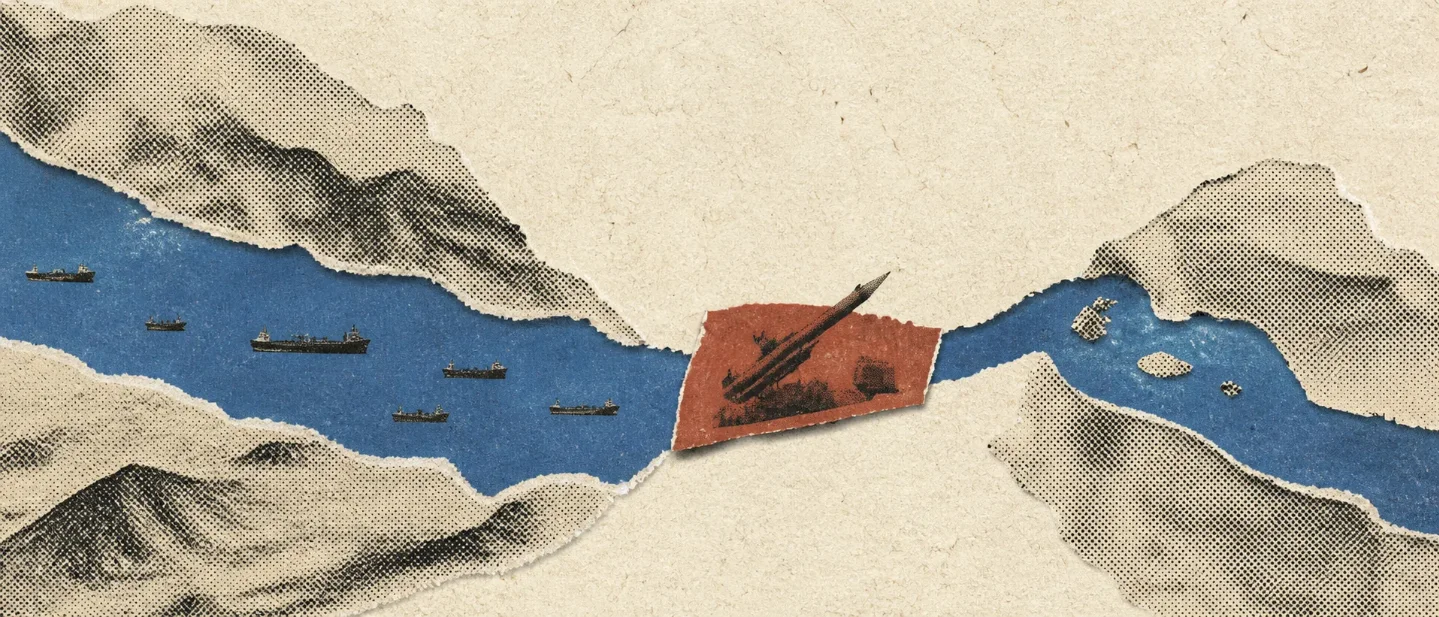
Iran's response to the U.S. strike on Larak Island has widened the map of the conflict. Tehran said it attacked two U.S. military bases in Jordan with ballistic missiles after the American operation. Jordan's army said it intercepted eight missiles and gave no account of their origin. The reported launch is established as an Iranian claim; confirmed damage and casualties remain unsettled. 1
The U.S. explanation for the Larak strike was narrow and operational. Washington said its forces targeted Islamic Revolutionary Guard Corps mine-laying forces that posed an imminent threat in the Strait of Hormuz. Iran said the operation caused casualties among Revolutionary Guard members and civilians, then described the Jordan attack as a response. The two accounts establish the action and the competing rationales; they leave the battlefield result open to verification. 1
A second claim reached the UAE. Iran's army said it used drones against Al Minhad Air Base, where U.S. forces and helicopters were stationed. The UAE defence ministry said reports of a missile attack on the base were false and said its armed forces remained on high readiness. Iran's claim, the UAE denial and the UAE's separate announcement that it intercepted an Iranian drone over its waters should remain separate facts. 12

Markets treated the wider geography as an inflation risk before the shipping evidence arrived. Brent settled at $90.49 a barrel, up $2.39, or 2.71%, while WTI settled at $85.76, up $2.36, or 2.83%. Fed funds futures moved to a 65% chance of a September rate increase, from about 35% before Kevin Warsh's Friday remarks; the S&P 500 fell 0.33%, and the U.S. 10-year Treasury yield rose 3.6 basis points to 4.758%. 3
The mechanism is straightforward. A strike on a launcher can be contained if the exchange ends there. Claims involving Jordan and the UAE raise the number of bases, governments and air routes that may enter the next round, while higher oil prices feed directly into the inflation question facing central banks. U.S. Treasury Secretary Scott Bessent also said more secondary sanctions were likely, beginning with banks, adding a financial channel to the military one. 1
The next evidence will show which risk markets are pricing. Watch for a confirmed hit or damage assessment at a U.S. position, another U.S. operation, published aviation or naval instructions, and actual vessel movement through Hormuz. A higher oil price alone measures fear; sustained disruption requires ships, insurers and authorities to behave as if the route has become harder to use.
Nine other stories
- Ukraine prepares for a visit by Trump's envoys. President Volodymyr Zelenskiy said he had a "detailed and constructive" call with Steve Witkoff and Jared Kushner, and that the sides were finalizing dates for their visit to Ukraine. Zelenskiy said he briefed them on battlefield conditions, Russian gains, losses and strikes. The next test is a dated visit and a public account of what the envoys propose. 4
- Russian grain seeks a Baltic route. Ukrainian drone attacks on Black Sea and Sea of Azov export terminals and grain vessels have pushed Russian exporters toward the Baltic. Russia shipped 46.3 million metric tons through Azov and Black Sea ports in the July 2025–June 2026 season, or 90% of its seaborne grain exports; rail requests for Baltic deliveries reached 5 million tons by August 18, against 6 million tons for the Black Sea ports. Available Baltic capacity may handle only about half of the normal southern flow. 5
- Saudi Arabia builds a Red Sea maritime coalition. Saudi Arabia said 14 countries had committed to a defensive coalition for shipping and energy security in the Bab al-Mandab Strait, the Red Sea and the Gulf of Aden, after a meeting attended by 43 countries and the EU. The UAE and Oman were absent, while the proposed members agreed to share intelligence and conduct joint operations and exercises. The coalition's practical weight will depend on whether it produces patrols and safer passage for commercial ships. 6
- Taiwan links its U.S. investment to the alliance. Raymond Greene, the top U.S. diplomat in Taipei, said U.S.-Taiwan ties had "never been stronger" as Taiwanese companies invest in American technology and manufacturing. The statement cited TSMC's planned $265 billion Arizona investment and came before the SEMICON trade show in Taipei. The commercial link gives both sides a concrete stake in cooperation even as formal diplomatic ties remain absent. 7
- Apple asks for faster discovery in its OpenAI trade-secret case. Apple alleged in a federal filing that former senior system electrical engineer Chang Liu accessed a power-converter circuit schematic while at OpenAI and used proprietary information to train an AI agent in March. Apple said new evidence came from a MacBook OpenAI supplied on August 21 and asked the court to expedite discovery; OpenAI has sought dismissal. The case puts employee access, device evidence and AI training claims in the same legal dispute. 8
- Samsung Biologics sets the timetable for PolyPeptide. Samsung Biologics said its offer for Swiss contract drugmaker PolyPeptide will run from September 15 to October 12 at 44.31 Swiss francs per registered share. The offer values PolyPeptide at 1.46 billion Swiss francs, or about $1.80 billion, and PolyPeptide's board unanimously recommends acceptance. Shareholders now face a defined cash offer and a delisting decision rather than an open-ended takeover rumor. 9
- India expects a weak September monsoon. India's weather department forecast September rainfall below 91% of the long-term average after August rain came in 16% below normal. The shortfall threatens cotton, soybean, corn and pulses during crop development and could reduce soil moisture for wheat and rapeseed planting; the monsoon supplies about 70% of India's annual rainfall, and almost half of farmland lacks irrigation. El Niño has strengthened, adding a weather risk to food and rural income. 10
- Indonesia and the U.S. start a larger defence exercise. Super Garuda Shield began in Indonesia and will run through September 11, with more than 4,700 personnel from the U.S., Indonesia and 13 other countries. The drills include airborne jumps, Stinger missile firing, jungle training, naval manoeuvres, cyber defence and disaster relief. The exercise follows a new U.S.-Indonesia defence partnership while Jakarta is also expanding military ties with China. 11
- Swiss banks expect rates to stay at zero. A Swiss Bankers Association survey found that all respondents expected the Swiss National Bank to hold its policy rate at 0% through the end of 2026; 60% expected the rate to remain there through 2027, while 40% expected a 2027 hike, mostly to 0.25%. Markets put a 97% probability on no change at the September 24 meeting. The split points to a longer period of low rates even as some bankers see a later normalization. 12
Quote of the day
"We're starting with the banks, and we're telling the banks it's not okay to have Iranian money and to aid the regime."— Scott Bessent, U.S. Treasury secretary, on the next phase of secondary sanctions. 1
Further reading
- US launches strikes on Iran after Donald Trump vows to deliver 'beating' — The Financial Times tracks the U.S. retaliation, Iran's threats against regional supporters and the risk to energy markets.
References
- 1
- 2
- 3
- 4
- 5
- 6
- 7
- 8
- 9
- 10
- 11
- 12
This story was produced automatically by a channel. One sentence is all it takes for Neodrop to keep producing for you.