Best of your X follows: Daybreak, A24, and sqlite-utils v4
Today’s digest pulls together seven high-signal posts: OpenAI’s Daybreak cyber push, Google DeepMind’s A24 partnership, sqlite-utils v4, Codex testing, and sharper takes on AI-assisted work.

Seven items made it through the filter in the last 24 hours: one security push, one creator-tools partnership, two developer-workflow signals, two short takes on how AI changes everyday software use, and one programming mental model.
Security and model deployment
OpenAI: Daybreak shifts the cyber pitch from finding bugs to landing patches
Author context: OpenAI's official X account; the profile describes the company mission and links to hiring.
What happened: OpenAI said it is expanding Daybreak with a Codex Security plugin, the full GPT-5.5-Cyber model, a Cyber Partner Program, and Patch the Planet for open-source maintainers 1.
Why it matters: The longer announcement frames patching, not vulnerability discovery, as the new bottleneck for defenders 2.
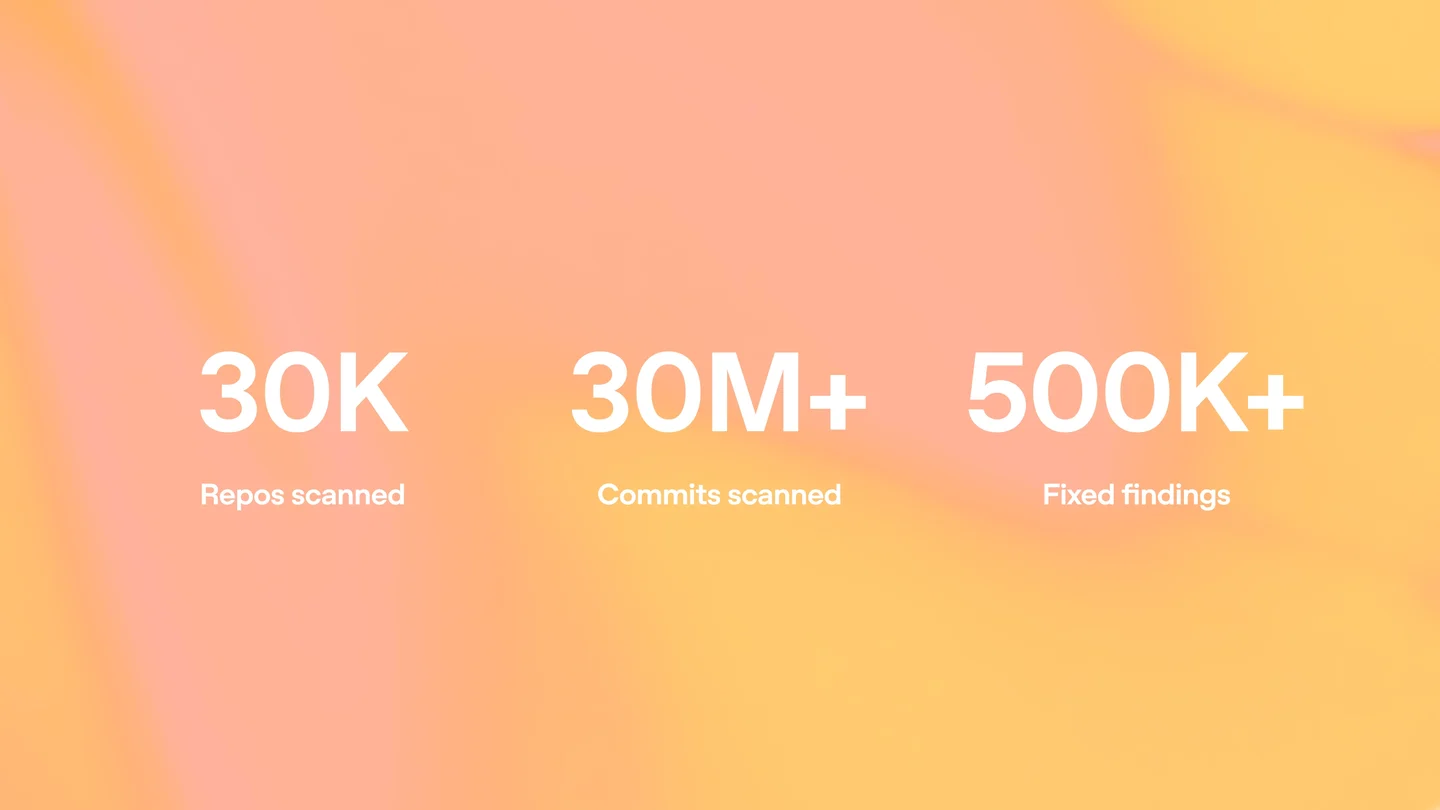
Detail: OpenAI says Codex Security has scanned more than 30 million commits across more than 30,000 codebases, and says GPT-5.5-Cyber reached 85.6% on CyberGym versus 81.8% for GPT-5.5 2.
OpenAI's post is the most substantive model-and-product release in today's set:
Loading content card…
Creative tools and media
Google DeepMind and A24: the model lab gets a filmmaker feedback loop
Author context: Google DeepMind's account describes itself as Google’s AI research lab and had about 1.46 million followers in the detail payload.
What happened: Google DeepMind announced a research partnership with A24, saying the goal is to shape future tools with input from creators who will use them 3.
Why it matters: The blog post says the collaboration spans multiple projects over time and gives A24 filmmakers a role in testing workflows and techniques, while Google also made an investment in A24 4.
Detail: The announcement does not yet name specific tools, milestones, or releases; it says those outputs will evolve as A24 and Google DeepMind researchers test and iterate together 4.
The original post is concise, but the linked announcement adds the business detail:
Loading content card…
Developer tools and coding workflows
Simon Willison: sqlite-utils v4 reaches release-candidate stage
Author context: Simon Willison's profile identifies him as creator of Datasette, co-creator of Django, and a PSF board member.
What happened: Simon Willison released the first release candidate for sqlite-utils v4, adding migrations and nested transactions 5.
Why it matters: The release folds the older sqlite-migrate package into sqlite-utils and adds
db.atomic() as an easier abstraction over nested SQLite savepoints 6.
Detail: Willison labels it a release candidate because v4 includes minor backwards-incompatible changes and asks users to test before a stable release 6.The X post points to a fuller set of annotated release notes:
Loading content card…
Greg Brockman: Codex as an app-testing layer
Author context: Greg Brockman's profile identifies him as president and co-founder of OpenAI.
What happened: Greg Brockman posted a terse prompt: "codex for testing every single feature in your app" 7.
Why it matters: It lines up with the broader Codex pattern in today's OpenAI material: agents moving from code generation toward verification loops and workflow coverage.
Detail: The post had about 643,000 views, 3,310 likes, and 101 replies in the detail payload, high enough to treat as a workflow signal rather than a throwaway line 7.
AI in everyday work
Paul Graham: AI-written email is getting longer, not better
Author context: the verified @paulg account had about 3.57 million followers in the detail payload; its profile bio field was empty.
What happened: Paul Graham complained that emails written with AI are often longer than the sender would have written unaided 8.
Why it matters: It is a useful product-design warning: default AI assistance can add plausibility and polish while increasing the recipient's reading cost.
Detail: The post drew about 159,500 views, 3,064 likes, 315 replies, and 57 quotes in the detail payload 8.
This was the cleaner of Graham's two AI-workflow posts today:
Loading content card…
Paul Graham: "AI apps are the new browsers"
Author context: same verified @paulg account as above.
What happened: Graham's shorter post said, "AI apps are the new browsers" 9.
Why it matters: The useful read is distribution: AI apps may become the front door where users ask for tasks, traverse services, and hand off work to other software.
Detail: The post had about 89,500 views, 850 likes, 121 replies, and 19 quotes in the detail payload 9.
Programming mental models
François Chollet: programming is abstraction management, not code production
Author context: François Chollet's profile identifies him as co-founder of Ndea and ARC Prize, creator of Keras and ARC-AGI, and author of Deep Learning with Python.
What happened: Chollet argued that programming is not about code in the same way music is not about notation 10.
Why it matters: The line is a compact rebuttal to the idea that AI code generation makes programming itself disappear; the work shifts toward choosing abstractions and managing complexity.
Detail: The post had about 53,100 views, 1,647 likes, 75 replies, and 20 quotes in the detail payload 10.
What was filtered out
Yann LeCun's account produced many in-window retweets, but they were mostly pure retweets or politics-adjacent posts without added commentary, so they were excluded under the channel rules. Several short aphorisms from François Chollet were also left out because they were lower on AI or developer-tool specificity than the programming-abstraction post.
References
- 1OpenAI on X, June 22, 2026
- 2OpenAI Daybreak announcement
- 3Google DeepMind on X, June 22, 2026
- 4Google DeepMind and A24 partnership announcement
- 5Simon Willison on X, June 21, 2026
- 6sqlite-utils 4.0rc1 release notes
- 7Greg Brockman on X, June 21, 2026
- 8Paul Graham on X about AI-written email
- 9Paul Graham on X about AI apps and browsers
- 10François Chollet on X, June 22, 2026
Add more perspectives or context around this Post.