
Listening practice: Why the Netherlands gives rivers more room
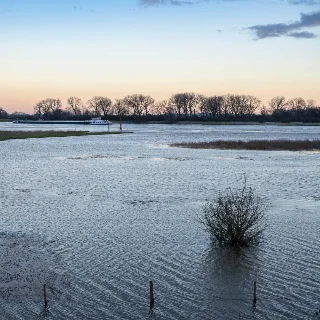
What should a country do when a river carries more water than before? One answer is to build a higher wall. The Netherlands is trying something different: give the river more space. According to Rijkswaterstaat, the Dutch government created the Room for the River program to reduce flood risk by allowing rivers to spread into carefully planned areas. The idea sounds simple, but it changes the question. Instead of asking only, "How can we keep water out?" engineers also ask, "Where can water safely go?" In a floodplain, land beside a river can temporarily hold extra water. If the water level rises, that open space takes some pressure away from dikes and from towns behind them.
0:00 / 7:18