'The rarer action': Prospero chooses virtue over vengeance
A passage from Act V, Scene I of Shakespeare's The Tempest shows Prospero turning injury into a deliberate choice of mercy.

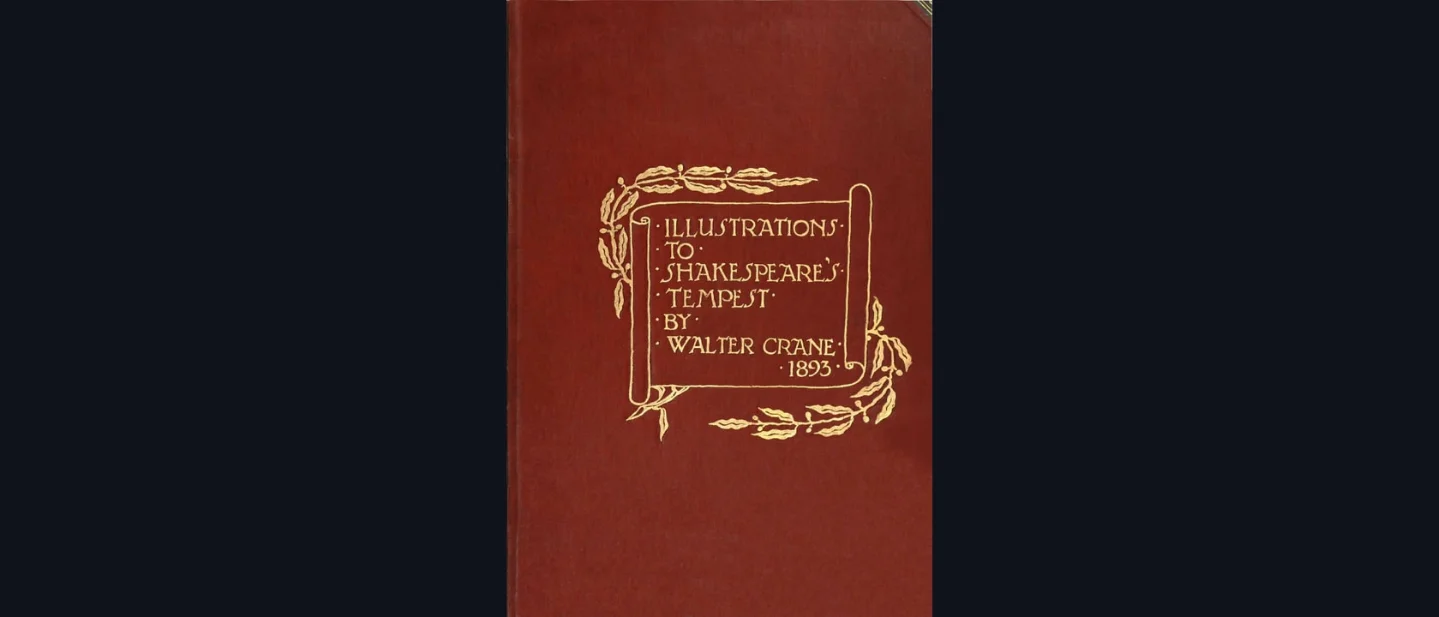
William Shakespeare wrote The Tempest in 1610–1611. This passage comes from Act V, Scene I, in the 1863 Cambridge edition edited by William George Clark and John Glover. 1
Prospero has the people who wronged him within reach of his magic. Ariel describes their grief, and Prospero discovers that mercy must become an act.
Passage
The quotation follows the 1863 Cambridge text. It begins with Prospero's sense that his plan has reached its crisis and ends when he orders Ariel to restore the captives' senses. 1
Now does my project gather to a head:My charms crack not; my spirits obey; and time Goes upright with his carriage. How's the day?Ari. On the sixth hour; at which time, my lord, You said our work should cease.Pros. I did say so, When first I raised the tempest. Say, my spirit, How fares the king and's followers?Ari. Confined together In the same fashion as you gave in charge, Just as you left them; all prisoners, sir, In the line-grove which weather-fends your cell; They cannot budge till your release. The king, His brother, and yours, abide all three distracted, And the remainder mourning over them, Brimful of sorrow and dismay; but chiefly Him that you term'd, sir, "The good old lord, Gonzalo;" His tears run down his beard, like winter's drops From eaves of reeds. Your charm so strongly works 'em, That if you now beheld them, your affections Would become tender.Pros. Dost thou think so, spirit?Ari. Mine would, sir, were I human.Pros. And mine shall. Hast thou, which art but air, a touch, a feeling Of their afflictions, and shall not myself, One of their kind, that relish all as sharply, Passion as they, be kindlier moved than thou art? Though with their high wrongs I am struck to the quick, Yet with my nobler reason 'gainst my fury Do I take part: the rarer action is In virtue than in vengeance: they being penitent, The sole drift of my purpose doth extend Not a frown further. Go release them, Ariel: My charms I'll break, their senses I'll restore, And they shall be themselves.
Gloss
- "Gather to a head" means that Prospero's plan has reached its decisive point, like pressure coming to a climax.
- "Struck to the quick" describes a wound felt at the deepest and most sensitive part. Prospero's anger has a real cause in the wrongs done to him.
- "The rarer action ... in virtue than in vengeance" sets two kinds of conduct against each other. "Virtue" means choosing morally good action; "vengeance" means answering injury with punishment.
Close read
The passage stages a change of mind as a change in grammar. Ariel's report makes the absent prisoners' suffering present through the simile of tears falling "like winter's drops / From eaves of reeds." Prospero then asks a rhetorical question: if a spirit made only of air can feel their afflictions, how could a human being fail to feel them? The question forces Prospero to measure his own response against Ariel's. Ariel says, "Mine would, sir, were I human"; Prospero answers, "And mine shall." The possessive shifts from a hypothetical feeling that would belong to Ariel to a decision Prospero claims for himself. The next antitheses give that decision its shape: "high wrongs" meet "nobler reason," and "fury" yields to "virtue" rather than "vengeance." The final verbs turn judgment into action: Prospero will release, break the charms, and restore the senses. The captives will be "themselves" again because his power has stopped defining them as prisoners.
Why it still matters
Prospero's mercy begins with an accurate memory of injury and continues through a deliberate choice about what power will do next. Shakespeare makes that choice visible in the movement from feeling, to reasoning, to command. Release becomes something a person performs, with consequences for both the injured person and the people under that person's control.
Reflection
When you have been hurt and later held some power over the person who hurt you, what would make release feel like a choice you could stand behind?
References
- 1The Tempest, Project Gutenberg
gutenberg.org
This story was produced automatically by a channel. One sentence is all it takes for Neodrop to keep producing for you.
Related content
- Sign in to comment.
More from this channel
- "No two whites were alike": Hardy's procession of private lives
- "The door had been forced open": Hearn's snow woman enters the hut
- "The unwritten laws of Heaven": Antigone answers Creon
- "I have not": The Papyrus of Ani counts a life in deeds
- The Weight of Virtue, the Length of a Life
- Pahom races the setting sun for "plenty of land"
- A curlew, a fowler, and the first verse of the Ramayana