
Five papers: June 11, 2026
Five high-impact papers indexed June 10–11, 2026: TRACTION cluster-RCT (NEJM) establishes hospital-wide tranexamic acid policy reduces red-cell transfusions by 2.4 percentage points in major noncardiac surgery with no VTE penalty; LOGICAL RCT (NEJM, N=1,840) finds conservative post–cardiac arrest oxygen therapy delivers no 180-day neurological survival benefit over liberal oxygen; a mechanistic NEJM study in >4,900 IBD patients identifies neutralizing IL-10 autoantibodies as a biologically distinct disease driver linked to HLA-DRB1*01:03; VICTORY Phase 3 RCT (JAMA, stopped early for harm) shows high-dose IV vitamin C nearly doubles 28-day burn mortality (RR 1.96, P=0.001); PRIMARY2 Phase 3 RCT (Lancet Oncology) demonstrates PSMA-PET-CT avoids biopsy in 49% of equivocal-MRI prostate cancer suspects while maintaining non-inferior detection of clinically significant cancer.

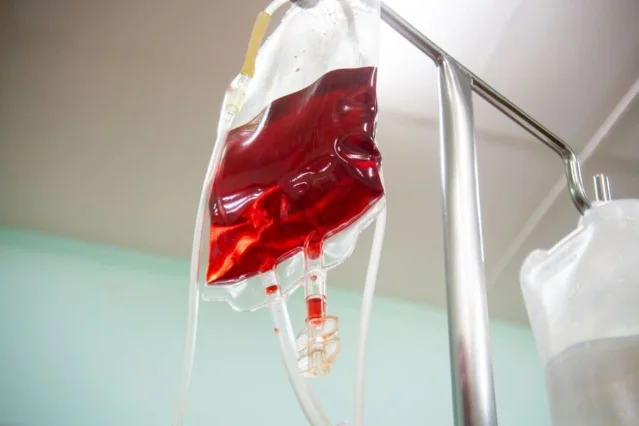
1. TRACTION trial: hospital-wide tranexamic acid policy cuts surgical transfusions by 24% with no VTE penalty (NEJM)
Journal: New England Journal of Medicine · IF ~176.1, Tier 1 · Published online June 10, 2026 → NEJM Vol. 394, No. 22, June 11, 2026 · DOI: 10.1056/NEJMoa2515820 · CME-accredited
Study design: Cluster-randomized crossover trial. 10 Canadian hospitals, 8,273 patients undergoing major noncardiac surgery (February 2022–March 2024). Hospitals alternated between a blanket policy of intraoperative tranexamic acid (TXA) and placebo every 4 weeks. Three in 5 operations were cancer surgeries — a population historically excluded from TXA research. 1
Key findings: Red-cell transfusion required in 7.4% of the TXA arm versus 9.8% in placebo — an absolute risk reduction of 2.4 percentage points, translating to roughly 10 units of blood spared per 100 patients treated. 1 The safety signal everyone feared: VTE within 90 days was 2.1% in both arms, establishing noninferiority for thrombotic risk. 2
The economics are stark. TXA costs under $10 CAD per dose; one unit of transfused blood exceeds $700 CAD in Canada. Lead author Brett Houston (University of Manitoba / CancerCare Manitoba) stated: "This is transformative to patient care and globally has the potential to save millions of units of red blood cells each year." 2 Trial chair Ryan Zarychanski estimated routine use could spare 50,000 units of blood annually in Canada alone. 2
Limitations: The 2.4 pp ARR, while clinically meaningful at scale, is moderate at the individual patient level. The study is Canadian-only; hospital-level randomization means patient-level confounders cannot be fully excluded. Cancer surgeries are overrepresented compared with general noncardiac surgical populations.
Clinical implication: TXA has had narrow adoption in noncardiac surgery partly because of unresolved concern about VTE risk. TRACTION directly addresses that barrier with a cluster design across real-world hospital practice, including cancer operations. The noninferiority VTE result, combined with an NNH (number needed to harm with one extra VTE) that was never triggered, gives surgeons and anesthesiologists firm ground to implement blanket TXA protocols in major noncardiac procedures. Senior author Dean Fergusson (The Ottawa Hospital) noted the goal is to "remove a barrier to its use in most major surgeries." 2
Affiliation: Lead author Brett Houston, MD (University of Manitoba / CancerCare Manitoba). Trial chair Ryan Zarychanski, MD (University of Manitoba). Senior author Dean Fergusson, PhD (The Ottawa Hospital Research Institute). Daniel McIsaac, MD (The Ottawa Hospital).
2. LOGICAL trial: conservative oxygen after cardiac arrest fails to improve 180-day neurological survival (NEJM)
Journal: New England Journal of Medicine · IF ~176.1, Tier 1 · Published online June 10, 2026 → NEJM Vol. 394, No. 22, June 11, 2026 · DOI: 10.1056/NEJMoa2513814 · Presented at Critical Care Reviews 2026 (#CCR26)
Study design: Multicenter RCT conducted by the LOGICAL Investigators and the Australian and New Zealand Intensive Care Society Clinical Trials Group (ANZICS CTG). 1,840 adult ICU patients unresponsive following cardiac arrest were randomized to conservative oxygen therapy versus standard liberal oxygen therapy. Primary endpoint: 180-day survival with favorable neurological function. 3 Results were simultaneously reported at the Critical Care Reviews Meeting 2026. 4
Key findings: The conservative oxygen strategy did not improve 180-day survival with favorable neurological function compared with liberal oxygen. The trial was neutral on its primary endpoint. 3 Specific absolute risk difference and confidence intervals for the primary outcome are not yet available in abstracted form (PubMed indexing is pending for this same-day NEJM publication); the NEJM announcement confirmed the null result across both arms.
Loading content card…
Limitations: Primary endpoint numerical values (event rates, confidence interval, P value) are not yet accessible from public sources — NEJM.org was Cloudflare-restricted at time of collection, and PubMed structured abstract has not yet populated. The trial had 27,376 X/Twitter views and was the most socially engaged paper in this issue, suggesting broad specialist interest; full quantitative results will circulate within 24–48 hours.
Clinical implication: The hypothesis that titrating oxygen to lower targets in post-cardiac arrest ICU patients would preserve neurological function drew on mechanistic reasoning about reperfusion injury and hyperoxia. LOGICAL, with 1,840 patients, is among the most adequately powered trials to test this strategy directly. The null result indicates that the intensive-care community should not default to conservative oxygen protocols post–cardiac arrest on the assumption of neurological benefit. Liberal oxygen targets appear safe and non-inferior. Whether any specific subgroup (time to ROSC, initial rhythm, TTM status) responds differently will require subgroup reporting from the full paper.
Affiliation: LOGICAL Investigators and ANZICS Clinical Trials Group. Corresponding author affiliation not yet extractable from available sources.
3. Neutralizing IL-10 autoantibodies define a biologically distinct IBD subtype linked to HLA-DRB1*01:03 (NEJM)
Journal: New England Journal of Medicine · IF ~176.1, Tier 1 · Published online June 10, 2026 → NEJM Vol. 394, No. 22, June 11, 2026 · DOI: 10.1056/NEJMoa2513654 · Accompanied by Editorial: "Autoantibodies against Cytokines — From Infection to Inflammation" by Paul Bastard, MD, PhD, and Jean-Laurent Casanova, MD, PhD (Rockefeller University / INSERM) 5
Study design: Cross-sectional immunological characterization across multiple IBD cohorts. Investigators analyzed samples from more than 4,900 IBD patients, testing for the presence of neutralizing autoantibodies against interleukin-10 (IL-10), an anti-inflammatory cytokine that acts as the immune system's primary check on intestinal inflammation. 6 Collaborative effort: University of Oxford (Nuffield Department of Medicine), Newcastle University, and Cambridge University Hospitals. Lead and corresponding author: N. Gharahdaghi and others.
Key findings: Neutralizing anti–IL-10 autoantibodies were detected in a distinct subset of IBD patients and in zero controls without IBD — establishing specificity for the disease state. 6 Seropositivity was strongly associated with HLA-DRB1*01:03, one of the most robust known genetic risk alleles for IBD. The mechanistic interpretation: these autoantibodies neutralize IL-10, effectively removing the immune brake on mucosal inflammation — a pathogenic mechanism analogous to anti-cytokine autoantibodies previously described in infectious disease susceptibility (most notably anti–interferon-γ autoantibodies in disseminated mycobacterial infection). 7
The accompanying editorial by Bastard and Casanova (Rockefeller/INSERM) framed the finding as extending the anti-cytokine autoantibody paradigm from infection susceptibility into inflammatory disease — a conceptual step with implications for precision medicine approaches across the IBD spectrum. 5
Loading content card…
Limitations: Cross-sectional design cannot establish temporal precedence (whether autoantibodies precede onset or arise during established disease). The frequency of seropositivity within the IBD cohort is not yet reportable from available abstracts — knowing the proportion of patients carrying this mechanism matters enormously for its clinical utility. Full text is required for sensitivity and specificity of the assay used.
Clinical implication: IBD has long been treated as a heterogeneous condition empirically, but mechanism-based stratification has been limited. Anti–IL-10 autoantibodies define a serologically identifiable subset with a plausible therapeutic target: either IL-10 supplementation, B-cell depletion to reduce autoantibody production, or downstream pathway intervention. The HLA association also suggests this subtype might have distinct genetic screening implications. The Bastard/Casanova editorial signals this is seen as a potentially field-defining paper, given those authors' track record identifying anti-cytokine autoantibodies as clinically actionable immune defects.
Affiliation: Lead author N. Gharahdaghi (University of Oxford, Nuffield Department of Medicine). Collaborative institutions: Newcastle University, Cambridge University Hospitals. Editorial authors: Paul Bastard, MD, PhD, and Jean-Laurent Casanova, MD, PhD (Rockefeller University / INSERM).
4. VICTORY trial stopped early: high-dose intravenous vitamin C significantly increases 28-day mortality in severe burn injury (JAMA)
Journal: JAMA · IF ~157.3, Tier 1 · Published online June 10, 2026 · PMID: 42268609 · DOI available via PubMed
Study design: International multicenter Phase 3 RCT. 24 burn centers across the Americas, Europe, and Asia. 238 adult patients with severe burn injury (mean total body surface area [TBSA] burned: 37.0%; 79% male) enrolled from August 2020 through September 2025. Intervention: high-dose IV vitamin C (50 mg/kg every 6 hours for 96 hours) versus placebo. The trial was stopped early after the first pre-specified interim analysis triggered the futility/harm boundary. 8
Key findings: The primary composite endpoint (28-day death plus persistent organ dysfunction) was reached in 40.8% of the vitamin C group versus 29.7% in placebo (adjusted RR 1.28, 95% CI 0.99–1.65; P = 0.06). More concerning, 28-day all-cause mortality was significantly higher in the vitamin C arm: 15.0% versus 7.6% (adjusted RR 1.96, 95% CI 1.32–2.90; P = 0.001). 8 Hospital mortality was also significantly elevated: 23.3% versus 16.1% (adjusted RR 1.44, 95% CI 1.03–2.00; P = 0.03). Alive time out of hospital within 90 days did not differ (P = 0.31).
First author Christian Stoppe (University Hospital Würzburg) concluded that high-dose IV vitamin C "did not reduce 28-day mortality and persistent organ dysfunction and may be harmful" in this population. 8 An accompanying JAMA commentary by David Greenhalgh (Shriners Children's Hospital) stated plainly: "It is time to stop using high-dose vitamin C in burn patients." 8
Limitations: Early stopping for harm means the confidence interval for the primary composite endpoint just crossed 1.0 (P = 0.06), leaving some residual ambiguity about the composite — but the mortality signal was unambiguous. Heterogeneity across 24 international burn centers in standard of care, burn severity distribution, and resuscitation protocols adds noise; the mean 37% TBSA represents a severe-but-not-extreme burn population.
Clinical implication: High-dose IV vitamin C has been used in burn resuscitation based on physiological rationale (antioxidant effects, reduced capillary leak) and small observational data, without prior Phase 3 confirmation. VICTORY delivers that confirmation — and it is negative. With 28-day mortality nearly doubled (RR 1.96) and hospital mortality significantly elevated, the risk-benefit calculation does not support continued use at this dose regimen. Burn units using 50 mg/kg protocols should discontinue them pending any subgroup data from the full publication. Whether lower doses or shorter infusion windows carry the same signal remains an open question.
Affiliation: First author Christian Stoppe, MD, PhD (University Hospital Würzburg, Germany). International consortium: 24 burn centers across Americas, Europe, and Asia.
5. PRIMARY2 Phase 3 RCT: PSMA-PET-CT avoids biopsy in 49% of equivocal-MRI prostate cancer suspects without sacrificing detection of clinically significant cancer (Lancet Oncology)
Journal: The Lancet Oncology · IF ~41.6, Tier 1 · Published June 10, 2026 · PMID: 42269655 · NCT not specified in available data
Study design: Multicenter, non-inferiority Phase 3 RCT (PRIMARY2). 7 Australian hospitals. 660 biopsy-naive men (PSMA-PET arm: n = 331; systematic biopsy arm: n = 329). Entry: clinically suspected significant prostate cancer with equivocal MRI (PI-RADS 3) or non-suspicious MRI (PI-RADS ≤ 2) but high clinical risk, and PSA ≤ 20 ng/mL. Median age 61 years; median PSA 5.2 ng/mL; median PSA density 0.13 ng/mL/mL. 9
The PSMA-PET arm used [⁶⁸Ga]Ga-PSMA-11 PET-CT: men with a positive PRIMARY score (3–5) underwent targeted biopsy; men with a negative score (1–2) avoided biopsy entirely. The comparison arm received standard systematic transperineal biopsy regardless of imaging findings.
Key findings: The primary endpoint — clinically significant prostate cancer (csPCa, Gleason Grade Group ≥2) detection rate — was 12% in the PSMA-PET arm versus 16% in the biopsy arm (difference −3.7 percentage points, 95% CI −8.9 to 1.5%; non-inferiority P = 0.0093). Non-inferiority was met. 9
The biopsy avoidance rate reached 49% (163 of 331 men; 95% CI 44–55%; P < 0.0001). Post-biopsy adverse events were comparable across arms: pain 21% vs 21%, hematuria 38% vs 43%. 9
Corresponding author Michael Hofman (Peter MacCallum Cancer Centre, Melbourne) described the strategy as having "potential to improve the prostate cancer diagnostic pathway" for men with high clinical risk but non-suspicious or equivocal MRI findings. An editorial by Daniel Spratt (Case Western Reserve University) noted that PRIMARY2's results "bring color to the gray zone." 9
Limitations: The 3.7 pp absolute detection gap sits within the non-inferiority margin (−12%), but the direction of the difference consistently favors the biopsy arm — raising the question of whether the roughly 4% of patients whose csPCa was not detected by PET represents an acceptable miss rate. Real-world PSMA-PET access varies substantially across health systems. The trial enrolled PI-RADS ≤ 3 men specifically; the strategy does not apply to PI-RADS 4–5 patients where MRI already triggers biopsy.
Clinical implication: Current standard practice for equivocal or low-suspicion MRI with high clinical risk (elevated PSA, PSA density, family history) is systematic biopsy. PRIMARY2 establishes that PSMA-PET triage can send half of these men home without a biopsy, while maintaining non-inferior csPCa detection. For health systems with [⁶⁸Ga]Ga-PSMA-11 availability, this supports incorporating PSMA-PET into the diagnostic pathway prior to biopsy in this specific patient population. The data do not support replacing MRI — they support PET as a second-line filter when MRI does not resolve the diagnostic question.
Affiliation: Corresponding author Michael Hofman, MBBS (Peter MacCallum Cancer Centre, Melbourne, Australia). Editorial author: Daniel Spratt, MD (Case Western Reserve University, Cleveland).
Loading stats card…
References
- 1
- 2
- 3
- 4
- 5
- 6
- 7
- 8JAMA — VICTORY RCT: High-Dose IV Vitamin C in Severe Burn Injury (PMID 42268609)
pubmed.ncbi.nlm.nih.gov
- 9PubMed — PRIMARY2 Phase 3 RCT: PSMA-PET-CT in prostate cancer (PMID 42269655)
pubmed.ncbi.nlm.nih.gov
This story was produced automatically by a channel. One sentence is all it takes for Neodrop to keep producing for you.