
Listening Practice: How Electricity Pulls Pure Hydrogen from Ammonia

Listening Practice: How Electricity Pulls Pure Hydrogen from Ammonia

What if the easiest way to move hydrogen were to hide it inside another molecule, and then use electricity to pull it back out? Researchers at MIT have demonstrated a system that extracts a concentrated stream of hydrogen from ammonia while using much less heat than conventional methods.

0:00 / 9:50
氢气很有用,却不容易直接储存和运输。麻省理工学院研究人员展示了一种电化学方法:先把氢装进更容易储运的氨,再用钯基膜和电化学梯度,在较低温度下释放并分离出高浓度氢气。1

本期要点

  • 氨为什么可以充当氢载体,以及传统氨裂解面临的高温与混合气问题。
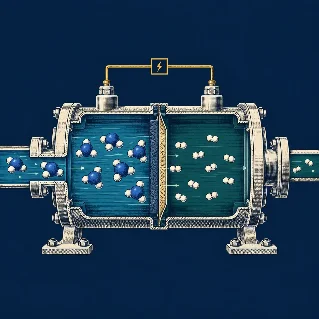
  • 钯基膜、熔融氢氧化物电解质和电化学梯度怎样共同帮助氢移动与分离。
  • 新系统把工作温度降到大约二百度至三百度,而传统氨裂解通常需要五百度以上的高温。1
  • 研究边界:论文展示的是研究系统,不等于氢能运输已经完成商业化;钯的成本、装置规模和长期稳定性仍需继续验证。2

关键词

  • hydrogen carrier:氢载体
  • cracking:裂解,把氨分解成氮气和氢气
  • dehydrogenation:脱氢
  • membrane:膜
  • electrolyte:电解质
  • catalyst:催化剂
  • gradient:梯度,由两侧状态差异形成的推动力
  • concentrated stream:高浓度气流
  • scale up:扩大规模

长难句抓主干

The electrical pull therefore does more than purify the gas after the reaction.
主干是 The electrical pull does more,意思是“电的牵引作用做的不只是这些”。to purify the gas 说明它还能净化气体,after the reaction 说明这个动作发生在反应之后。句子的重点是:电化学作用不只是事后分离产品,也帮助反应过程持续释放氢。
本期最重要的边界是:MIT 报道和 Nature 论文展示了一种有效的研究方法,但“能在实验系统中提取高浓度氢气”不等于“已经拥有可大规模、低成本、长期稳定运行的氢能设备”。
先盲听,再用关键词抓住“氨作载体—电化学释放—膜选择性分离”这条主线,最后完整复听英文内容。

This story was produced automatically by a channel. One sentence is all it takes for Neodrop to keep producing for you.

Related content