「每个 AI 产品都有两张脸」:OpenAI 的 Tara Seshan 与 Nan Yu 谈 toggle、Agent 与 2027 年的三个押注|Lenny's Podcast
OpenAI 的两位产品负责人 Tara Seshan 与 Nan Yu 在 Lenny 峰会现场,讲那个先上线的 toggle、单一身份与多身份 agent 之争、computer use 为何是兜底的那一层,以及他们把 2027 押在语音、自我驾驶的软件和硬件上;文末附全量中英双语逐字稿。

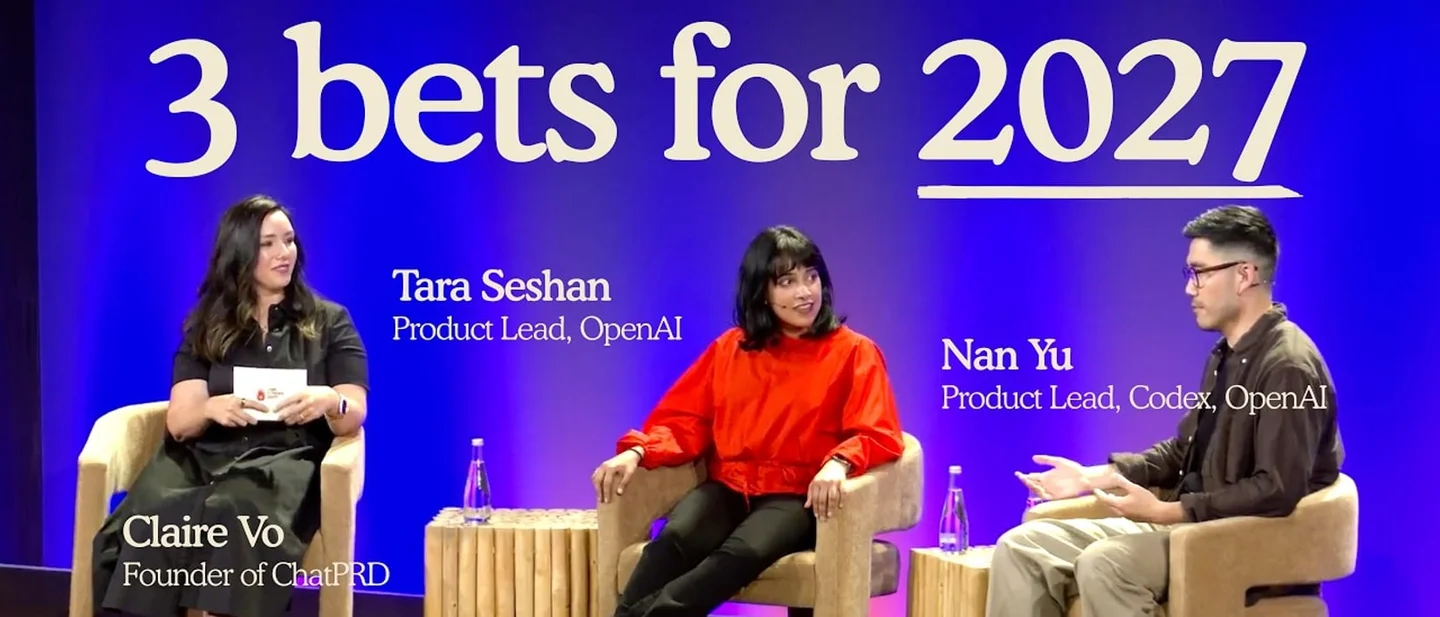
2026 年 9 月 10 日,Lenny's Podcast 的线下活动 Lenny and Friends Summit 在旧金山办了一整天,本文对应其中一场三人对谈,时长 29 分 9 秒12。上台的是 OpenAI 的两位产品负责人:Tara Seshan 负责 Codex 与 ChatGPT Work 产品线,Nan Yu 是 Codex 的产品负责人;主持这场的 Claire Vo 是产品管理工具 ChatPRD 的创始人,此前担任 LaunchDarkly 的首席产品官345。
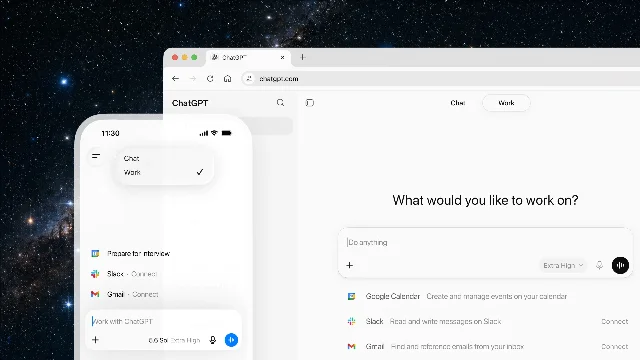
这期对谈的起点是 Vo 在后台就打好招呼的那个话题:OpenAI 的产品有太多人被问到、也太少人讲清楚,她不打算谈公司的路线,而是要谈一个更小的东西——toggle。她说每个 AI 产品都有两张脸,左边一个开关,右边一个开关,这一年的行业讨论几乎都绕不开这个开关该不该留。
从这里开始,三个人聊了四件具体的事:怎么决定一个不完美的功能先上线、怎么在「一个通用 agent」和「四十个专职 agent」之间选、当模型能做的和用户实际会用的之间隔着一道缝时产品经理该做什么、以及他们把 2027 年的注押在哪里。
这期节目在做什么:它是一次关于 AI 产品形态的现场拆解。Tara Seshan 讲了她怎么把 agent 能力推进到十亿级用户的 ChatGPT 里,Nan Yu 讲了「最后一段路」为什么比「完全没开始」更糟,两个人最后各给了一个 2027 年的押注。想判断这 29 分钟值不值得完整听,读完下面这份摘要就够了;想核对原话,文末附了完整的中英双语逐字稿。
每个 AI 产品都有两张脸
Vo 请 Seshan 讲的第一件事,是为什么不把那个开关做得更完美再上线。
Seshan 先交代了自己的底子。她说自己是亚洲父母的孩子,从小被要求每次交出去的东西都得是完美的;后来她在 Stripe 待了七年多,那家公司对细节的要求是「这个枚举你有没有想过一百遍、名字有没有起对」这个量级。让她在这个时代改变做法的原因很直接:紧急程度真的会决定一件事能不能成立,而且在上线之前可以做的推演再多,都比不上让用户真的用起来之后拿到的那点实证。
回到 toggle,她承认这不是理想方案,但它解决了一个具体困难:把「用 agent 把事做完」这套能力,交到 ChatGPT 那十亿级用户手里,同时不打扰开发者原有的工作流。她说得也坦白——她相信一年之后大家聊的会是同一件事,只是不再讨论「要不要留这个开关」。
Vo 接着追问怎么判断该砍掉什么、留住什么。Seshan 说开关的下一步很明显就是没有开关,而能不能走完这一步取决于故事讲不讲得通:每一步之间有一条用户跟得上的线索,用户对产品往哪儿走有理解、有透明度,那么他们接受变化和转向的程度会高很多。她的判断是,只要这条线索是连贯的,产品能做的改动空间其实很大,也不会把和用户之间的关系烧掉。
他们给自己设的三条约束
Vo 问,在这么快的节奏下,两个人各自会死守哪些约束来保住质量。
Seshan 给了三条。第一条是对用户有增益:这件事有没有解锁新的价值,有没有真正有用的东西。第二条是内部的及格线:先在公司内部上线、让所有人用起来,看它留不留得住人,有没有人在里面发现惊喜,有没有撬开模型新的用法。第三条她认为在当下最重要——把目标定在两到三个月之后模型能到的位置,既不过分锚定在今天,也不做到过于超前而没法用。她说要的就是「足够 AI 上瘾」的那个区间。她用一串问句收尾:它有价值吗?用户在乎吗?对用户来说有没有意外的好?它和模型能力是否匹配?它有没有挡在模型前面?
Nan Yu 给的约束落在一个不同的地方:人的吸收能力。他提到一个常在行业里出现的说法,叫能力过剩——模型能做的事很多,而人们并没有真的用上这些能力,那道缝就在这里。他的结论是,产品做得好不好,很大程度上取决于人能不能消化这些变化;如果吸收能力跟不上,你再往里塞东西也没用,这才是真正限制你的那道边界。
企业客户能不能承受这个速度
Vo 抛出了自己做企业客户时反复听到的一句话:B2B 客户消化不了变化,客户成功团队这么说,销售也这么说。她问这个判断在 AI 时代还成不成立。
Yu 的回答是先承认一半。他说对多数企业来说,眼下的节奏确实快得离谱,功能和新进展一波接一波,有人觉得被淹没了。但他紧接着给出另一半:如果你不把最新、最前沿的东西交到这些企业手里,你就会被跳过。他举了一个正在发生的例子:大部分企业客户原本只是用聊天,问问题、拿答案;而同一时间 agent 这一波正在发生,公司必须尽快把 agent 送到这些企业手上,否则他们就会去看别的产品。也就是说,企业自己有消化新东西的日常节奏,而这次公司交付的是一个把他们的流程和既有观念全都打破的大改动——只有这样,他们才能真正拿到更多价值。他用一句产品行业的老话收束:做用户需要的东西,而不是他们嘴上说要的东西。
一个通用 agent,还是四十个专职 agent
Vo 把话题带进了一场她自己很投入的争论。她说自己一边是装在电脑上、整天跟她对话的那个 Codex,另一边是分布在生意各处、承担实际职能的四十个 Grok Bot。她问两位:agent 应该收敛成一个什么都能干、通用的身份,还是应该像手工艺一样给每个岗位写一份 soul.md、配一个很小的专职 agent?
Yu 的回答从人本身出发。他说设计上最成功的那些尝试都在贴着人的天性做:人类经过几百万年演化,习惯了在脑子里同时抓住有限几件事;四十个 agent 是很大的数字,你随便问一个人愿不愿意直接管四十个下属,多数人的反应是「我不知道自己能不能同时跟上这么多条线」。他观察到市场已经自己长出了应对方式——很多人会先弄一个「幕僚长 agent」去管其他 agent。他说这等于作弊:你管的还是一个,只不过它替你管着团队。所以把这些东西收成几束活动,是必然会出现的设计。
Seshan 说这件事有一层哲学,但她更愿意从工程角度看。她列了一串很实际的问题:如果只有一个实体,数据权限怎么处理?它是在服务账号和你本人的账号之间来回切换吗?怎么让用户一眼看懂它现在用的是谁的身份?记忆是不是要分片——它每加入一个新的私有 Slack 频道,是不是就近乎变成了另一个 agent,像《人生切割术》里那样被切开?她的结论是,怎么答这道题取决于具体用例,而且要把记忆怎么表现、怎么和每个人说话、该用谁的凭据这些边界情况都想一遍。她说这个题目上当然可以有哲学层面的主张,只是在产品这一侧,实际要考虑的东西太多了,用例本身就在决定答案。
用户共情、系统思维,再加一样东西
Vo 接着做了一次归纳。她说在这两个答案里能看到这门手艺的两面:一面是很人性的东西——怎么进到用户的脑子里、他们的心智模型是什么、产品用什么方式碰到他们的问题最自然;另一面是系统和架构的思考——要让一个东西在现实里落地,就得把系统、平台组件和边界情况全都想清楚。她问,这是不是当下设计 agent 需要的两套技能,还是有别的新东西。
Seshan 的回答是:这两样是经典的产品管理思路,只是被搬到了一片新的技术土壤上,所以看起来新,骨子里是旧原则换了层皮。她说要在这两样之外再加第三样——不知疲倦。她的原话是,除了用户共情和系统思维,你还需要一种反复试、反复迭代的劲头,而这个过程会让你吃到不少苦。Vo 补上了另一半:还得能从反馈里学,而这件事的要求一直都有,只是现在时钟走得更快了。她形容这个状态是「一直在往很多面墙上扔很多面条」,并顺手补了一句:你的幕僚长 agent 正在指挥其他 agent 一起往墙上扔面条。
平台、插件与 computer use
Vo 说她最近特别偏爱 computer use:与其给她一个 MCP 连接,她宁愿把 computer use 直接对准任何界面,哪怕多花 token——「恭喜你们把 token 卖给我了」。她问两位怎么想平台与生态的关系:什么应该是平台原生的,什么该留给外面做。
Seshan 说他们花了很多时间想 ChatGPT 作为平台这件事:哪些功能原生放进平台,哪些允许别人来做,不管是第一方还是第三方的插件,或者叠在上面的其他界面。她提到开放接口的问题:一个会议类应用要接入,平台需要暴露哪些钩子,才能让它在用 Codex、用 computer use 的时候也足够好用。她强调这件事没有那么二元——不必在「放进我们的平台」和「留在某个应用里」之间做非此即彼的选择。她更愿意把能力按层来组织:先提供一批预设工具,比如让插件拿到你的会议数据、帮你判断下一步该做什么;如果这些系统之间对接得不顺,还有 computer use 作为下一层兜底。这些能力最终都以钩子的形式暴露出来,让第一方和第三方开发者都能接进来,做出彼此可组合的体验。
Yu 接着讲了他认为最难的那一段。他说把整件事做完,和「除了最后一段路什么都做完了」,是完全不同的两个结果,而最后那一段有时候比根本没开始还让人难受:完全没开始,你可以自己上手,或者换条路;可它做到了 99%,然后在最后一步崩掉,那是一种更糟的、没有兑现的承诺。他说 computer use 让人感觉好的地方,恰恰在于它总能把事做完——也许慢一点,也许贵一点;而随着生态慢慢补齐,该提供的钩子和 MCP 都到位,它会百分之百替你把活干完。他还引了一句查尔斯·伊姆斯的话来形容理想体验:用户在你的产品里,应该像一个被周到招待的客人,你提前想到了他想做的事,然后从容地替他准备好7。Vo 当场拆台:每次我进你家,它都提醒我该更新了。
和研究团队一起工作
Vo 说,产品经理和研究团队协作这件事,很多听众在自己的职业生涯里都还没做过,她想听听经验。
Seshan 说自己到 OpenAI 之后才开始做这件事,所以只能给一个新手视角。她讲的第一点是,和研究员共事跟和工程师共事不一样,这一点对在场的人来说也许显而易见,但她是真的到了这里才发现。她认为自己能贡献的部分是有方法的:带着非常具体的用例来,把用户想做什么、目标是什么说得清清楚楚;带上样本记录,说清那一次对话里到底发生了什么、模型为什么没做到该做的事;如果可以,就把评测写出来。她说写评测是这里面最重要的能力——用某个提示和技能让模型达到了想要的结果,那就是她最理想的产出,因为这样她可以把它交给后训练团队,问一句:能不能把这项能力从一开始就训练进模型里。她把这个流程的条件说得很直白:先明白这是一套完全不同的工作方式,然后练到能稳定地把具体的用户数据带过来,研究员也足够信任你之后,你才有资格写下那个评测,让迭代的回路转起来。
两到三个月的视野
Vo 问 Seshan,作为产品负责人,她觉得自己生活在多远的未来里。
Seshan 的第一反应是「我活在现在」。想了一下她改口:得活在未来一点,而理想的距离是两到三个月。她说不能把脑子放得太大、去谈几年后的未来,因为那种预测几乎总是错的,她自己就存着一份「我预测会成真、结果没发生」的清单,用来提醒自己预测多年之后的事情有多不可靠;但反过来,只盯着今天做产品一定会被甩下。她重复了一遍这个尺度:两到三个月。
Vo 当场把这个问题交给观众:现在正在做 2027 年度规划的人举手;刚听她说不能看超过 60 到 90 天的人举手。她把这道题称为这场对谈里最根本的张力。
Seshan 用自己熟悉的领域做对照。她说 Stripe 的生意和 OpenAI 的生意很不一样:支付市场的很多规律和以前差不多,你知道有哪些力量在起作用,能大致推演出乐观、悲观和中性三种情形;而 OpenAI 的生意没法这么推。她说也许确实该做很多个月之后的规划,但前提是理解你所在市场的节奏,再根据这个节奏决定自己该用多长的周期去想事情、做规划。Vo 补了一刀:所以你听到的是 Stripe 的产品经理还是得做年度规划。Seshan 回了一句「当然,祝各位好运」。
新的及格线:上手体验与隐私
Vo 用「现在和过去」收尾,问哪些经典的产品手艺仍然重要,哪些变成了新的及格线。
Yu 说是上手体验。他说这件事以前也被认为重要,但一直有点边缘,工程师通常也不太爱做;而在当下,把最初那段体验想清楚——怎么让人真正明白你提供的是什么——比以往任何时候都重要。
Seshan 给了两条。第一条是用户对隐私和数据用途的理解:agent 在做半自主的事情,用户必须在任何一个时点都能预判某个功能或某个底层能力大概会发生什么;过去你可以靠一个设置菜单或者弹窗把不可预期的行为兜住,现在这条路走不通了。第二条她说听起来会很无聊:那些老规矩全都还适用,只是「用实证去测」和「跑得更快」这两件事的权重明显上升了。她的意思是要同时抓住高层和细节、真正理解设计和产品,同时把节奏提上去、更早拿去给用户测。
能被私信的产品经理
Vo 说还有一条,是 Yu 接下来会成为受害者的那一条:OpenAI 的产品和工程团队在公开的 Slack 里高度可私信、高度可见、高度可触达,她自己就经常给他们发反馈,「我不喜欢 Astra 刚才那句话,它给我脸色看了」。
她问,直接面对用户的关系是不是正在变成产品负责人的及格线。
Seshan 说她做开发者和企业产品出身,一直是那种可以被随时私信的产品经理;让她觉得新的是,一个面向大众的消费级产品也要做到同样的开放程度。她说这在她看来有点反常,因为和用户直接接触本来就该是常态。她把这层关系和前面说的研究协作连了起来:你对研究团队的价值,就在于你知道用户具体想要什么、他们的用例是什么,所以越是能直接接触用户,你越有用。她还补了一句自己的想法——如果 Claire 不喜欢 Astra 的输出,她会很想看看那些输出。
Yu 从另一个角度接上。他说 Seshan 是做开发者工具出身的,而工程师极其挑剔、极其在意细节,你往往要追问到第二、第三个问题才能拿到有用的反馈。他觉得这正是很多产品经理感到变化的地方:设计一个用自然语言交互的 agent 体验时,用户遇到的问题往往很微妙,比如「Astra 给我脸色看」——那就得问下去:它到底说了什么?当时的上下文是什么?是不是你先惹到它了?这类追问只有更直接、更深的关系才做得成,而这种关系以前未必有机会建立。
三个押注:语音、自我驾驶的软件、硬件
最后一个问题关于 2027。Vo 提到 Dan Shipper 在 Anthropic 那一场也问过同样的问题,她想知道答案在「产品」这一侧。
Seshan 的答案是语音。她说自己很喜欢语音,让在场的人去试 GPT Live;她说自己是话痨,语音已经改变了她的工作方式——她就想对着电脑说话,而且感觉自然得多8。她给了一个很生活的例子:给家里人做技术支持这件事,因为语音的出现少了很多;她自己在给 OpenAI 的人事团队做新产品上手培训时,语音直接改变了局面。她把这归结到人性上——人类演化了几千年,用说话来交流是最自然的方式,而模型终于把这件事做好了,而且越来越快。她连着说了两遍自己非常看好语音。
Yu 的答案是「很像自我驾驶的那种东西」。他说人们最常遇到的问题之一是「空的输入框」:产品就在眼前,然后呢?接下来得学怎么用它。无论是通用的 ChatGPT 还是某个行业的专用工具,都会撞上这一关。他的设想是,既然这些产品已经足够聪明,那就让它们自己动起来、主动帮用户把事推着走,做成一段非常温和的上手坡道;他认为一年之后回头看,大家会觉得这本来就该是默认的样子。
Vo 押的是硬件。她说想要一个能替掉「随身带着打开的笔记本电脑」的东西,一个放在桌上、装在盒子里的 Codex。她提议记笔记的人来当裁判,明年看看三个人谁猜对了。
几个词,几个人
toggle(开关)。 这场对谈的题眼。它指 ChatGPT 桌面端在 Chat、Work、Codex 之间切换的那个控件,也代表一类共同处境:产品要同时照顾老用户的工作流和新的 agent 能力,于是先拿一个开关把两套东西并存起来6。
agentic harness(agent 的运行外壳)。 Seshan 用来指让 agent 真正跑起来的那套装置:模型之外,还有工具、记忆、权限和流程。她说的「把它交到十亿用户手里」,交的就是这套东西。
能力过剩(capability overhang)。 Yu 用的词,指模型能做的和人们实际在用的之间那道差距。
MCP。 模型连接外部工具与数据的一套协议。这场里它出现了两次:一次是 Vo 说「与其给我一个 MCP,我宁可直接拿 computer use 对着界面」,一次是 Yu 说生态补齐后该有的钩子和 MCP 都会到位。
computer use。 让模型直接看屏幕、动鼠标键盘去操作软件的能力。两人都把它当成生态没跟上时的兜底那一层。
eval(评测集)与后训练(post-training)。 评测是自动跑的测试集;后训练是在基础模型之上再训练一轮,把某项能力从一开始就做进模型里。Seshan 把「能写出评测」说成产品经理对研究团队最有价值的贡献。
soul.md。 Vo 打的一个比方,指给单个 agent 写的那份人格与职责说明文件。
Codex,ChatGPT Work。 前者原本是面向开发者的编码 agent,如今内置进 ChatGPT;后者是 2026 年 7 月推出的 agent 产品,能把任务拆成步骤、跨应用和文件自己推进,产出表格、幻灯片、文档和网页应用6。
GPT-Live,GPT-6 Astra。 GPT-Live 是 OpenAI 新一代语音模型,主打连续、接近真人的对话8;Astra 是 OpenAI 2026 年 9 月推出的模型线9,也是 Vo 在节目里说自己被「给脸色看」的那一个。
Grok Bot。 xAI 推出的个人 agent 产品10。Vo 说的「四十个 Grok Bot」就是拿它当多 agent 那一端的例子。
Anthropic 与 Dan Shipper。 Vo 提到的「Dan 和 Anthropic 团队那一场」,指的是同一场峰会上 Dan Shipper 主持的 Anthropic 圆桌。
这一期值不值得听
如果只挑一段,选关于单一身份与多身份 agent 的那轮交锋。Yu 从人的认知上限出发、Seshan 从权限和记忆怎么切出发,两个人把同一个问题从两个方向拆开,这段是整期里信息密度最高、也最接近「可以直接拿去做设计决策」的部分。第二推荐的是 Yu 关于「最后一段路」的那段——他把「做完」和「差一步」之间的差别讲得比大多数产品文章都清楚。
需要说明的是这一期的性质。三个人讲的都是各自团队当下的做法与判断,没有数据支撑,Seshan 也承认两到三个月这个视野是在预测普遍不准的前提下选的折中。把它当成 OpenAI 两位产品负责人在 2026 年 9 月给出的现场判断来读,比当成结论清单更合适。
它和这一频道此前几期的关系也值得一句:同一场峰会上 Anthropic 那一场谈的是产品经理这个岗位本身还剩什么,这一场谈的是产品形态会往哪儿走。两边合起来看,能看到两家公司对同一批问题给出的不同侧重。
完整中英双语逐字转录稿
逐字稿说明: 英文原文取自本期官方视频的英文字幕轨,措辞未作删改,只对少量专名与产品名做了订正(OpenAI、Codex、ChatGPT、ChatGPT Work、GPT Live、Astra、Grok Bot、Stripe、Linear、MCP、Claire、Nan、Tara、Charles Eames、Capability overhang、AI-pilled、bear case、post-training 等),字幕里的停顿词、口误与笑声标记一律保留。中文译文由机器翻译生成,只对专名做了统一,未逐句人工润色。
讲话人分段说明:本场是三人对谈,官方字幕轨不含任何讲话人标记,这里的署名是依据内容逐段判定的——主持 Claire Vo 负责提问、串场与现场互动,Tara Seshan 与 Nan Yu 的归属依据各自在节目里提到的经历(Seshan 讲自己在 Stripe 的七年、以女性自述「亚洲父母的女儿」,Yu 讲自己做过开发者工具、并提到「你做过开发者工具对吧」这句是他在对 Seshan 说的)来判断。两位嘉宾的音色在字幕里区分不出来,两人快速接话处的个别一两句短应答,以及开场寒暄与结尾致谢那一句,可能标错。时间轴每 10 分钟标注一次,时间码按语速与词数折算,是近似位置,不是字幕轨的原生时间码。
00:00 - 10:00
Claire Vo:
All right, we're here. And I warned them backstage what we were going to start this talk about because I know there's a lot of questions about OpenAI. There's a lot of questions about the future of product development. But what I want to talk about is中文:好了,我们到了。我已经在后台提醒他们我们将要开始这个谈话的内容,因为我知道大家对 OpenAI 有很多问题,对产品开发的未来也有很多疑问。但我想谈的是
Nan Yu:
what do you want to talk about, Claire?中文:克莱尔,你想谈论什么?
Claire Vo:
The toggle. M I want to talk about the fact that every AI product has two faces. It has left toggle and right toggle. And there's been a lot of conversation today about iterative product development and shipping things that are imperfect and getting things into the wild. And so Tara, I just want you to talk to me about shipping imperfect things instead of a toggle and how do you make these decisions about putting things in the wild that you know may not be the perfect thing right now but are the right thing ultimately to build the right product.中文:开关。我想谈谈每个 AI 产品都有两面性。它有左边开关和右边开关。今天有很多关于迭代产品开发以及发布不完美产品并让它们进入市场的讨论。所以 Tara,我只想让你和我谈谈发布不完美产品而不是开关,以及你如何做出这些决策,把你知道现在可能还不是完美,但最终是构建正确产品所需要的东西投放到市场上。
Tara Seshan:
For sure. I will say this to start like you know I'm the daughter of Asian parents. I'm not used to doing imperfect things. You know you have to output something perfect every time. I also worked at Stripe for like seven some odd years and everything at Stripe is like deeply polished and deeply considered and did you think through it 100 times and did you name this enum the exact correct thing and I think what has been a big change about shipping things in this era is actually urgency really matters in terms of being get getting the functionality out there and also there's a lot of like theorizing that one can do before you ship something but nothing compares to like the actual empirical evidence of seeing users try it, use it, and then iterating from there.中文:当然。我开头会说这个,你知道我是亚洲父母的女儿。我不习惯做不完美的事情。你知道,你必须每次都产出完美的东西。我还在 Stripe 工作了七年多,Stripe 的一切都非常精致、经过深思熟虑,你得考虑一百遍,你是否给这个枚举命名得完全正确。我认为在这个时代发布东西的一个大变化实际上是紧迫感真的很重要,即尽快把功能发布出去。此外,在你发布之前,你可以做很多理论上的推演,但没有什么能比得上看到用户实际尝试、使用,然后从中迭代的实证经验。
Tara Seshan:
So, I've really had to shift my mindset from how do you get it perfect a priori versus how do you ship something and iterate on it as quickly and effectively as possible. So, with the toggle like is it the perfect solution? No, it is an imperfect solution. It is certainly not like the ideal thing to ship. But what was really important was getting this agentic harness or like the ability to use an agent to get things done in the hands of like the over billion users that use ChatGPT. And so we needed to ship something that allowed us to do that without disrupting developers workflows as such an imperfect solution.中文:所以,我真的不得不调整我的思维方式,从‘如何先验地做到完美’转向‘如何尽可能快速有效地发布产品并进行迭代’。所以,对于这个切换功能来说,它是完美的解决方案吗?不是,它是一个不完美的解决方案。它肯定不是理想的发布内容。但真正重要的是,将这种代理能力,或者说使用代理完成任务的能力,交到超过十亿个使用 ChatGPT 的用户手中。因此,我们需要发布一些东西,让我们在不干扰开发者工作流程的情况下实现这一点,哪怕它是一个不完美的解决方案。
Tara Seshan:
And you know what I do believe that in a year maybe we won't be having the same conversation about the struggle and non we've had this we've had this chat before where we've talked about right now you have to build and throw away a lot of stuff whether it's code or product and I'm curious how you think about deciding what to deprecate and what to keep around and keep alive. You know, the toggle is a good example of this where it I think there's an obvious sort of next step which is like no toggle, right?中文:你知道吗,我确实相信,也许一年后,我们不会再进行关于挣扎的同样对话。我们之前聊过这个话题,现在你必须构建并丢弃很多东西,无论是代码还是产品。我很好奇你是如何决定哪些应该停用,哪些应该保留和维持的。你知道,开关就是一个很好的例子,我认为这里有一个明显的下一步,就是没有开关,对吧?
Tara Seshan:
Like there's a there's a story that evolves from step A to step B. And if you can take users on the journey with you, then they're a lot more accepting of like the change and the turn and the the the product evolution. Um, especially if they appreciate that, you know, they can they can have an understanding and some transparency over like what's, you know, what's actually going on behind the scenes. So, uh, I think as long as you have a coherent story that users can follow along with and, you know, with the amount of attention that they're paying, uh, you know, like there's a there's actually a lot that you can do and not, uh, you know, and not not really burn any kind of bridges with them.中文:就像有一个从步骤 A 发展到步骤 B 的故事。如果你能带着用户一起经历这个过程,那么他们会更容易接受变化、转折和产品 evolution。特别是如果他们能够理解并欣赏,知道自己可以对幕后发生的事情有一定的了解和透明度。所以,我认为只要你有一个用户可以跟随的连贯故事,并且考虑到他们的关注度,其实你可以做很多事情,而且不会真的与他们断绝关系。
Claire Vo:
Yeah. And I'm I'm curious, you know, that the toggle is maybe imperfect and we may build a lot of stuff that we have to throw away, but you you do exercise good judgment and you do exercise caution and reason inside the products that you've worked on or are about to work on. What constraints do you hold really strongly when building product that's moving so fast? What what what keeps that quality bar high for you? I think there's a few different elements of it. One is certainly are we doing something additive for users?中文:是的。我很好奇,你知道,这个切换可能不完美,我们可能会构建很多最后不得不放弃的东西,但你在你所工作过或即将工作过的产品中确实会运用良好的判断力、谨慎和理性。在构建发展如此迅速的产品时,你会非常坚持哪些约束条件?是什么让你的质量标准保持高水平?我认为这有几个不同的因素。其中一个肯定是我们是否在为用户做一些增益性的事情?
Claire Vo:
Like are we unlocking additional value? Is there something genuinely useful in this product? Um I think the second is that we have this internal bar of taking a product shipping it internally trying it out having everyone use it and if there isn't enough uptake internally and that's not a specific you know number or exact bar but there is is it retaining well do people find something delightful about it or something surprisingly great about it is it unlocking a new use case of the models like is it you know doing something novel I think that is that like sense for this is adding to their experience.中文:比如说,我们是在解锁额外的价值吗?这个产品里有真正有用的东西吗?嗯,我认为第二点是,我们有一个内部标准,就是把产品开发出来,在内部试用,让每个人使用它,如果在内部的接受度不够高——这不是一个具体的数字或确切的标准,但会考虑它是否保留得好,人们是否觉得有趣或者出乎意料的好,它是否解锁了模型的新使用场景,比如它是否在做一些新奇的事情——我认为,对于他们的体验来说,这种感觉就是在增加价值。
Claire Vo:
This is something that is um unlocking a new set of functionality. And then probably most importantly in this era is this aiming for 2 to 3 months of like where the models will be rather than being overly anchored in the present or being overly like futuristic and unusable. Is this like at that perfect zone of being I don't know sufficiently AI-pilled that I think is like the bar here. So is it valuable? Is it do users care about it? Is it surprisingly great for users? And is it like in line with model capabilities?中文:这是正在解锁一组新功能的东西。然后,可能在这个时代最重要的是,它的目标大约是 2 到 3 个月的时间,考虑模型的状态,而不是过分固定在现在,或者过于未来化而无法使用。它是在那个完美的区间吗?我不知道,足够人工智能化,我认为这是这里的标准。那么它有价值吗?用户会在意吗?对于用户来说它是否出乎意料地棒?它是否与模型的能力相符?
Claire Vo:
And is it getting out of the way of the model of doing a great job? Nan, what about you? What constraints do you think help you build great product?中文:那这是不是妨碍了做好工作的模式?Nan,你呢?你觉得哪些约束有助于你打造优秀的产品?
Nan Yu:
The the biggest constraint uh is honestly like people's understanding and ability to sort of absorb what you're what you're giving them, right? We talk a lot about uh like capability overhang but like but mods can do so much and just like you know people aren't necessarily taking advantage of all those abilities. I think that's where that's where the gap is right. So it doesn't matter what you put into it, uh if the if the ability for people to absorb those changes and absorb that uh capability isn't there, then that's the that's the real kind of bounding uh like kind of process that you're dealing with,中文:最大的限制,老实说,是人们对你提供的内容的理解和吸收能力,对吧?我们经常谈论能力过剩,但模块可以做到很多事情,只是你知道,人们不一定会利用所有这些能力。我认为差距就在这里,对吧。所以不管你投入什么,如果人们吸收这些变化和能力的能力不存在,那么这才是真正的限制,是你需要应对的过程。
Claire Vo:
you know, and we're talking right now, you two are working on Codex and work and there's a lot of business users including myself that have built businesses around relying on this tool and I think you know I spent a minute and a half in enterprise and a lot of people say that B2B customers cannot not absorb change. They I I mean like customer success people tell me they can't absorb change. Sales people tell me sales people can't absorb change. Like we cannot absorb the rate of change. Do you feel like that still stands true in the AI era or do you feel like that statement is is broken right now?中文:你知道,我们现在正在谈话,你们两位正在开发 Codex 工作,有很多包括我自己在内的商业用户已经围绕依赖这个工具建立了业务。我觉得你知道,我在企业领域花了一分半钟,很多人说 B2B 客户无法承受变化。他们——我是说,客户成功的人告诉我,他们无法承受变化。销售人员告诉我,销售人员无法承受变化。我们无法承受变化的速度。你觉得在 AI 时代这种说法仍然成立吗,还是你觉得这个说法现在已经不适用了?
Claire Vo:
Some of it is certainly true in that I think the current pace probably to most enterprises feels beyond breakneck like something beyond breakneck like a a la palooza of [laughter] features and advancements like it certainly feels maybe to some overwhelming but at the same time like if you're not shipping the latest and the frontier to these enterprises you'll end up getting leapfrogged. So a great example of this is that most of our enterprises were using chat. So they were merely you know asking questions and getting answers and whilst that was happening like the agent revolution was going on and we needed to get agents to these enterprises as fast as possible otherwise they might consider alternative products.中文:其中有些确实是真的,因为我认为目前的步伐对于大多数企业来说可能感觉超快——就像某种超快的、功能和进展的盛会(笑声)——可能对一些人来说确实有些令人不知所措,但与此同时,如果你不向这些企业提供最新的前沿技术,你最终会被超越。一个很好的例子是,我们的大多数企业都在使用聊天。他们只是提出问题并获得答案,而就在这期间,代理革命正在进行,我们需要尽快将代理提供给这些企业,否则他们可能会考虑替代产品。
Claire Vo:
And so while they have their own maybe in the day-to-day pace of absorbing changes, we needed to ship this giant revolutionary change that broke all of their processes and broke all of their, you know, conceptions about how enterprises should receive new updates so that they could actually unlock more value. And so it's one of those things, I mean, it's like a truism of building product, which is like, you know, do what your users need, not what your users say they need. And I think that applies here almost more than it ever has before.中文:因此,尽管他们在日常吸收变化的节奏中可能有自己的方式,我们仍然需要发布这一巨大的革命性变革,这一变革打破了他们所有的流程,也打破了他们对企业应该如何接收新更新的认知,从而让他们真正能够释放更多的价值。所以这是其中一件事,我的意思是,这就像产品构建中的一个真理,就是,要做用户需要的,而不是用户说他们需要的。我认为这在这里的适用性几乎比以往任何时候都要强。
Claire Vo:
I want to talk about agents since you brought them up because I do think we're in the age of agents and I have certainly um been in the age of agents for a little bit and I want to have a debate with you.中文:我想谈谈代理人,因为你提到了他们,因为我确实认为我们正处在代理人的时代,而且我当然也已经在代理人的时代待了一段时间,我想与你进行一场辩论。
Nan Yu:
Oh gosh.中文:哦,天哪。
Claire Vo:
Which is or I want your opinion. Maybe we won't have a debate. Maybe we'll agree single identity agents versus multi-identity agents. my beloved Codex docked on my computer that I talk to all day versus my 40 Grok bots that are loadbearing across different parts of my business. I do think as product builders um people who are building agents, we're seeing this divergence of do we centralize on a central kind of generic agent identity that can do anything, let the models get, you know, get out of the way of the models or do we like artisally craft soul.md files and have little like micro agents for the job?中文:哪个是,或者说我想听听你的意见。也许我们不会有辩论。也许我们会同意单一身份代理 versus 多重身份代理。我的心爱的 Codex 停靠在我电脑上,我整天都在和它交流 versus 我业务各个部分依赖的 40 个 Grok 机器人。我确实认为,作为产品开发者,嗯,建设代理的人,我们正在看到这样一种分歧:我们是集中在一个中央的、通用的代理身份上,它可以做任何事情,让模型自由发挥,还是像手工制作一样精心设计 soul.md 文件,为工作创建小型微型代理?
Claire Vo:
But I'm just curious, you know, coming in fresh eyes, where do you land if anywhere on that spectrum from a design principles perspective?中文:但我只是好奇,你知道的,以一个全新的视角来看,从设计原则的角度,你会在那个范围的哪个位置落脚,如果有的话?
Nan Yu:
I I I think when designing this like the the most successful um efforts have really tried to map on to human nature, right? And like we have millions of years of evolution that like help us understand how to hold different things in our heads. And uh you know 40 agents is quite a lot, right? And like if you asked anybody like would you manage 40 direct employees like some you know Jensen Huang might do it, right? But like like a lot of people would kind of look at that and be like I don't know I don't know if I could actually keep up with that many threads ongoing.中文:我我我觉得在设计这个的时候,最成功的努力确实是试图贴合人性,对吧?我们有数百万年的进化,这帮助我们理解如何在脑中同时处理不同的事物。而且,你知道,40 个代理是相当多的,对吧?如果你问任何人,‘你会管理 40 个直接下属吗?’比如,某些人,比如黄仁勋可能会做到,对吧?但是很多人会看着这个,然后想,我不知道,我真的不知道自己是否能跟上这么多的线程同时进行。
Nan Yu:
Um so I I I think there there's there's something in there where we need to group these things into sort of bundles of activity right like if you look at like the u you know you ask people hey like how do you manage your your agents? Usually what you'll hear is like well first I have this chief of staff agent that manages all the other ones for me. It's like okay well like you you've just cheated right you're not managing seven you're managing one that's like you know kind of running your team.中文:嗯,所以我我我觉得这里面有一些东西,我们需要把这些事情分成一类一类的活动,对吧?就像如果你看看,比如说,你知道,你问别人,嘿,你是怎么管理你的代理的?通常你会听到的答案是,嗯,首先我有一个参谋长代理,帮我管理所有其他的代理。就像,好吧,你就是作弊了,你不是在管理七个,你只是在管理一个,那个人基本上是在运行你的团队。
Nan Yu:
So, so I I think that that that kind of dynamic kind of immediately uh kind of uh you know comes comes to the front right as soon as you let people do this kind of stuff.中文:所以,所以我我认为那那种动态就会立即呃某种呃你知道的马上浮现出来,一旦你让人们做这种事情。
Claire Vo:
What about you? What do you think? You know, my mind with this like certainly there's a philosophical element to it of like you know do you have this one unified entity? Do you have these like smaller entities? But actually there's a lot of really tactical questions that go into it like how do you think about data access and permissions? Like if you have one entity is it like switching between using like a service account or your account? like how do you manifest that to the user in an easy way to understand if you have a single agent like does it have segmented memory like every times it joins a private slack channel is it almost a different agent is it like severed in the slack channel in like the severance sense and so actually to me answering this question goes back to really specifically the use case and probably thinking through all of those edge cases of like how should the memory behave how should it like how should it talk to each person should it be using their credentials or should it be using a universal set of credentials?中文:你呢? 你怎么认为? 你知道,我的想法肯定有一种哲学元素,就像你知道你有这个统一的实体吗? 您有这些类似的较小实体吗? 但实际上有很多真正的战术问题,比如你如何看待数据访问和权限? 就像如果您有一个实体,就像在服务帐户或您的帐户之间切换一样吗? 就像你如何以一种简单的方式向用户表明这一点,以了解如果你有一个单一的代理,就像它是否有分段内存一样,就像每次它加入一个私有的松弛通道一样,它几乎是一个不同的代理吗?它就像在松弛通道中被切断一样,就像遣散意义上的一样,所以实际上对我来说,回答这个问题可以追溯到真正具体的用例,并且可能会思考所有这些边缘情况,比如内存应该如何表现,它应该如何与每个人交谈,如果它使用他们的凭证 或者应该使用一套通用的凭据?
Claire Vo:
It's actually like there there are philosophical things one could have and opine on in this topic but to me there are just so many practical product considerations like the use case matters so much in deciding this. What I love about these two answers is I think for product folks everybody in the audience plus designers there are these two sides of the craft that we do. There's this very human side where you're trying to like in there's inception and severance I guess. there's like the inception of like how do I get in the mind of a user and what are their mental models and how do they interface with the world and what is the most natural way for our products to touch their problems and and solve them and then there is like systems and architect thinking which is in order to make this like manifest this into the world in a realistic way I need to think through all these systems all these platform components all these edge cases to make sure that comprehensive we've can even deliver this to the user in a sensible way.中文:实际上,在这个主题中,人们可以有一些哲学问题并发表意见,但对我来说,有很多实际的产品考虑因素,比如用例,在决定这一点时非常重要。 我喜欢这两个答案的是,我认为对于产品人员、观众中的每个人以及设计师来说,我们所做的工艺有这两个方面。 我想,这就是你想要喜欢的非常人性化的一面,其中包括开始和遣散。 就像我如何进入用户的头脑,他们的心智模型是什么,他们如何与世界交互,以及我们的产品解决他们的问题和解决问题的最自然的方式是什么,然后是系统和架构师的思考,为了使这一点以现实的方式体现在世界上,我需要思考所有这些系统,所有这些平台组件,所有这些边缘情况,以确保我们能够以合理的方式将其全面地交付给用户。
10:00 - 20:00
Claire Vo:
Do you think those are the two kind of like skill sets you need to design and build great agents in this moment? Are there other hard skills you feel like you're relying on now more than ever as you design or think about agentic experiences中文:你认为这就是目前设计和构建出色代理所需的两种技能吗?你觉得在设计或思考代理体验时,还有哪些硬技能是你现在比以往任何时候都更依赖的?
Tara Seshan:
you're describing you sort of like systems thinking plus you know user empathy. These are very classic kind of product management types of ideas right that you know we we apply to you know a different you know universe of technology in the before times. Uh but now you know we have to kind of start from scratch and and you know from those principles kind of rethink what does uh you know how do these products want to be shaped right so I I I think those are very important but ultimately they're just the old principles in disguise.中文:你描述的有点像系统思维加上用户同理心。这些都是非常经典的产品管理类型的理念,对吧,你知道,我们在以前的时代会应用到不同的技术领域。但是现在,你知道,我们得从零开始,并且从这些原则出发重新思考,这些产品想要如何被塑造。我认为这些非常重要,但归根结底,它们只是旧原则的伪装。
Tara Seshan:
I would maybe add a thing to that which is again I mentioned like I used to work at stripe which is very academic company and my parents are very academic and I love thinking about those things in abstract but I'd say the third thing that you just really need in addition to user empathy and systems thinking is like a relentlessness to like try it out and keep iterating and you're going to take a lot of pain while you do that and there's just an element of like relentlessly trying and trying and trying and trying and trying to see what works y中文:我可能会在此基础上再补充一点,我之前提到过,我曾在 Stripe 工作,那是一家非常学术化的公司,我的父母也都很学术,我喜欢抽象地思考这些事情,但我会说,除了用户共情和系统思维之外,你真正需要的第三件事就是那种不断尝试和持续迭代的执着,在这个过程中你会经历很多痛苦,其中包含的一种元素就是不断地尝试、尝试、再尝试,看看什么有效
Nan Yu:
that and the ability to learn maybe from those feedback loops that certainly has always been necessary, but just the clock speed has gone way.中文:那和从那些反馈回路中学习的能力可能一直都是必要的,但只是时钟速度已经大大提高了。
Claire Vo:
Yeah, you're throwing a lot of spaghetti against a lot of walls all the time. Actually, your chief of staff agent is telling all the other agents to fling spaghetti at the walls. You know, talking about systems thinking and platform, I am really curious because all of us are looking to tools, certainly ones that you build for productivity and efficiency. And I was telling somebody backstage, I just love computer use now. Like don't even give me an MCP. I want to point computer use at your UI. And then, you know, I don't care the the token.中文:是的,你一直在对许多墙扔很多意大利面。实际上,你的幕僚长正在告诉其他所有特工也去把意大利面扔向墙壁。你知道,谈到系统思维和平台,我真的很好奇,因为我们所有人都在寻找工具,当然是那些你为提高生产力和效率而构建的工具。我在后台告诉过某人,我现在真的很喜欢使用电脑。比如,根本不需要给我一个 MCP。我只想把电脑的使用指向你的 UI。然后,你知道,我不在乎那个代币。
Claire Vo:
Congratulations on me selling me tokens. Um, but you know, I think about what is the intersection between the tools we had and the tools we have now, what you build, what you platform for. I'm curious how you just think about the broader ecosystem as you're trying to enable productivity for people at work. So I think I think we think a lot about platforms and ChatGPT as a platform and what is the functionality that like natively goes into the platform. What is functionality that like we might allow folks to build in whether that's like first party or third party as as plugins or like additional interfaces on top of it and that's kind of how that relates to the ecosystem.中文:祝贺我卖掉了我的代币。嗯,但你知道,我在思考我们曾经拥有的工具和我们现在拥有的工具之间的交集,你构建的东西,你的平台是为了什么。我很好奇,当你试图为人们在工作中提高生产力时,你是如何看待更广泛的生态系统的。所以我觉得,我们非常关注平台,ChatGPT 作为一个平台,以及平台中原生包含的功能是什么。有哪些功能是我们可能允许人们构建的,无论是第一方还是第三方,通过插件或者在它之上的额外界面,这就是它与生态系统相关的方式。
Claire Vo:
So in that platform what are the hooks that we need to expose to a third-party like meetings app so that it can be most effective for you use in Codex using Codex using computer use like using all the these tools um but I don't think it's so binary as like what should be in our platform or in our productivity system versus in one of these apps. I think we should offer an array of different tools like for perhaps like a plugin to be able to like get all your meetings data and understand you know what you need to do next.中文:所以在那个平台上,我们需要向像会议应用这样的第三方暴露哪些钩子,以便它在你使用 Codex、在电脑上使用以及使用所有这些工具时能最有效地为你服务。不过我认为这并不是一个二元的问题,即什么应该在我们的平台或生产力系统中,而什么应该在这些应用中。我认为我们应该提供一系列不同的工具,比如一个插件,可以获取你所有的会议数据,并了解你接下来需要做什么。
Claire Vo:
But if that doesn't work and those systems don't uh interface well then there's always computer use as like a next layer or as like a fallback to be like well if the user wants to get this task done and you know the pre-built tools or like ecosystem tools aren't available for it then there's like always something else that they can fall back on. And so I think it's more about structuring these capabilities in the platform in terms of layers, exposing them as like a set of hooks that third-party developers and first-party developers can like hook into and build cohesive experiences, having the right system for those experiences to be composable with one another.中文:但是如果那行不通,而且那些系统彼此没有很好地接口,那么总是可以使用计算机作为下一层,或者作为一种后备方案,比如说如果用户想完成这个任务,而你知道预建的工具或生态系统工具不可用,那么总有其他东西可以作为后备。所以我认为更多的是关于在平台中按层次结构组织这些能力,把它们作为一组接口公开,第三方开发者和第一方开发者可以接入并构建连贯的体验,并拥有适当的系统,使这些体验可以相互组合。
Claire Vo:
And then ultimately all of this is just serving the user's goals of as they try to get their task done, if like the first layer doesn't work, there's like a second layer for them to be able to accomplish their task as you like traverse all those capabilities. What do you think about kind of like integrated experiences like do it all in one platform, let's live in our house versus kind of expanding into this ecosystem and how do you build I mean the thing that I was thinking as you were talking is like you have a non-deterministic model on top of a like natural language interface functionally with a computer that can click and do anything with third party tools and integrations you don't control and you're still trying to build like [snorts] a comprehensive of highquality good branded beloved experience like how do you even climb that mountain as a product leader?中文:最终,所有这些都是为了服务用户的目标,当他们尝试完成任务时,如果第一层不起作用,还有第二层让他们能够完成任务,就像你遍历所有这些功能一样。你觉得那种整合体验怎么样,比如在一个平台上完成所有事情,就像住在自己的房子里,而不是扩展到整个生态系统?作为产品负责人,你要如何构建——我在你讲话的时候想到的是,你有一个非确定性模型,它建立在一个自然语言接口上,在功能上可以通过电脑点击并使用你不控制的第三方工具和集成,同时你仍然试图打造一个全面的、高质量的、受欢迎且有品牌喜爱的体验——你作为产品负责人到底怎么攀登那座山啊?
Claire Vo:
Do you have any what's what genius are you going to bring in to help us here?中文:你打算请哪个天才来帮我们呢?
Nan Yu:
Uh look I I I don't I don't know if this is a the a new or unique idea but there is a a huge difference between getting um like all of the job done versus getting everything except for the last mile. And the the last mile honestly feels sometimes worse than just like it's a non-starter. If it's a non-starter, you can just like look, I'm just going to do it myself or I'll try another route or whatever it is. But if it gets like 99% there and then it just like barfs, then you you're like, well, this this is this is actually a worse sort of like unfulfilled promise.中文:呃,你看,我我我不知道这是否是一个新的或独特的想法,但完成所有工作与完成除了最后一里路之外的一切之间有很大的区别。说实话,最后一里路有时候感觉比完全没开始还要糟糕。如果根本没开始,你可以直接说,我自己来做,或者尝试另一条路,或者其他什么方式。但如果已经完成了 99%,然后突然失败了,那么你会觉得,这实际上是一种更糟的未实现的承诺。
Nan Yu:
And I think what feels great about computer use a lot of times is that it will always work, right? It might be a little bit like slow or like, you know, it might cost a lot of tokens like you were talking about, but like it will going to get the job done all the way. And you know, if as the ecosystem kind of, you know, we wait for it to catch up, right, and to provide the right hooks and the right MCPs and all that kind of stuff, it will 100% do the job for you.中文:我认为关于计算机使用,很多时候让人感觉很棒的地方在于它总是能工作,对吧?它可能会有点慢,或者像你说的那样,可能需要花很多代币,但它会一直把工作完成。而且你知道,随着生态系统的逐步发展,我们等待它赶上来,对吧,提供合适的接口和正确的 MCP 等等,它绝对会为你完成工作。
Nan Yu:
And I I think that ultimately that's that's what makes it feel super great. I think the right experience amidst all those complexities and changing things, the ecosystem, the interface, the model itself, the like tools like computer use, the unpredictability of all of it is that like the user should almost feel like uh you know like the Charles Eames quote that your that your user should almost feel like a guest in your home like you've anticipated all the things that they want to do and you've like provided for them gently. Like so should you know our user in our app feel like we've anticipated their needs.中文:我认为最终正是这些让人感觉非常棒。我觉得在所有那些复杂性和变化之中——生态系统、界面、模型本身、像计算机使用这样的工具、以及所有这些不可预测的因素——正确的体验应该是用户几乎感觉像查尔斯·伊姆斯(Charles Eames)所说的那样,你的用户应该像你家的客人一样,你已经预见到他们想要做的所有事情,并且温柔地为他们准备好。同样,我们的应用用户也应该感觉到我们已经预见到他们的需求。
Nan Yu:
And in some ways it's like the model increasingly doing that.中文:在某种程度上,这有点像模型越来越多地在做那件事。
Claire Vo:
Well, I have to tell you, every time I go into your home, it tells me it's time to update.中文:嗯,我得告诉你,每次我进入你家时,它都会告诉我该更新了。
Nan Yu:
Yeah. Yeah. [laughter] Yeah. Yeah. Get get the latest get the latest build. That is the welcome, Matt, that I get. It's like I walk in, it's like, you want a Renault? I got a Renault for you. [laughter] Well, I I'm curious. You know, you're you're designing this product while it's flying off the shelf. You know, a lot of the things, Nan, as you said, are are old things. user empathy, systems thinking, but there are some new things, right? There are some new skills and t I'm curious about working with research because this is something I don't think a lot of folks in the audience have done in their careers because I think it's very new for product people or product leaders.中文:是的。是的。[笑]是的。是的。获取获取最新版本,获取最新版本。这就是我收到的欢迎,Matt。就像我一走进来,就像,你想要一辆雷诺吗?我给你准备了一辆雷诺。[笑]嗯,我很好奇。你知道,你在设计这个产品的时候,它卖得非常快。正如你说的,Nan,很多东西都是老东西,比如用户共情、系统思维,但也有一些新东西,对吧?也有一些新技能。我很好奇与研究团队合作的情况,因为我觉得观众中很多人在职业生涯中可能没有做过这件事,因为我认为对于产品人员或产品领导来说,这非常新。
Nan Yu:
What have you learned from going into this new role where you really have to collaborate with research? Yeah, I will say for me working with research was entirely new coming to OpenAI. So I'm certainly not the like expert on this topic. I will give you like the you know novices's view like Connecticut Yankee and King Arthur's Court sort of view of this. Um my take coming in working with research was oh working with research is different than working with engineering. Like that might be obvious to everyone here but I was like oh this you know it's it is quite different.中文:你从进入这个需要真正与研究部门合作的新角色中学到了什么?是的,我会说,对我来说,来到 OpenAI 后与研究部门合作完全是新的。所以我当然不是这个话题的专家。我会给你一个新手的看法,就像《康涅狄格州的少年与亚瑟王宫廷》的视角。嗯,我对与研究部门合作的看法是,哦,与研究部门合作不同于与工程部门合作。虽然对在座的每个人来说可能很明显,但我会觉得,哦,这确实非常不同。
Nan Yu:
Um, in as much as like I can add add something to uh working with research, it is for me to come with very very specific use cases, a really clear idea of what like users want to do and their goals to have done like sample readings. So understand like literally what was the like session and what did it look like and why did the model not do what it needed to do. If I can write evals that is like I'm there like learning how to write good evals and writing evals as much as possible is like the most important thing and in as much as I can say with this prompt and these skills I was able to achieve the outcome with the model that is like the ideal thing I can take to post-training and be like look now how can we post-train this capability into the model from the beginning but I think it starts with first understanding that this is like a wholly different way of working that I really didn't know how to do before and then getting to the point where you're good enough at like bringing these the specific user data and then if they trust you sufficiently you can then write the eval to like get that iteration loop going.中文:Um, in as much as like I can add add something to uh working with research, it is for me to come with very very specific use cases, a really clear idea of what like users want to do and their goals to have done like sample readings. 因此,从字面上理解类似的会话是什么,它是什么样子,以及为什么模型没有做它需要做的事情。 If I can write evals that is like I'm there like learning how to write good evals and writing evals as much as possible is like the most important thing and in as much as I can say with this prompt and these skills I was able to achieve the outcome with the model that is like the ideal thing I can take to post-training and be like look now how can we post-train this capability into the model from the beginning but I think it starts with first understanding that this is like a wholly different way of working that I really didn't know how to do before and then getting to the point where you're good enough at like bringing these the specific user data and then if they trust you sufficiently you can then write the eval to like get that iteration loop going.
Nan Yu:
How far in the future do you feel like you live as a product leader? Like are you you know because I I do think there's this time horizon of like I could fix what's right in front of my face and there's stuff to fix. There's I know what's coming next and I can anticipate where the product's going and then there's like the models next year are going to be out here. Where do you feel like you have to live as a leader building on top of that foundation that's moving? You know, as soon as you said that like do you live in the future?中文:作为产品负责人,你觉得自己生活在未来多远的地方?比如,你知道吗,因为我确实觉得有这样一个时间视野:我可以解决眼前的问题,而且有很多问题需要解决;我知道接下来会发生什么,我可以预测产品的发展方向;然后明年的模型会到达某个阶段。作为一个在这个不断变化的基础上建设的领导者,你觉得自己必须生活在哪里?你知道吗,一旦你这么说,你是生活在未来吗?
Nan Yu:
I was like I live in the now. Like I don't live in the future. I live in the now. Um no, I do. I think I have to live a little bit in the future. To me it's like the ideal is two to three months. can't be too big-brained and be like this is the future in years because I think that inevitably our predictions of that are almost always wrong. Like I have a personal dock of in incorrectly predicted things that I thought were going to happen and didn't happen. Um just to remind myself of like my inability to predict the future years out and then at the same time if you build exactly for today you're going to get left behind.中文:我当时是觉得我活在当下。我不会活在未来。我活在当下。嗯,不,我确实会。我想我必须在未来稍微有所计划。对我来说,理想的时间是两到三个月。不能想得太远,觉得这是多年后的未来,因为我觉得我们对未来的预测几乎总是错的。我有一个个人档案,记录了我认为会发生却没有发生的事情。嗯,这只是为了提醒自己,我无法预测几年的未来。同时,如果你只为今天去规划,你会被落下。
20:00 - 29:09
Nan Yu:
So it's like I constantly repeat this but it's like two to three months out. I I do want to just let's pull the audience again. It's the end of the day. Let's get interactive. Who right now is doing 2027 annual planning. And who just heard her say you can't go out more than 60 or 90 days? I think this is the fundamental tension. We're all It's like so hard to even guess. But but it's not the same for every business. Y中文:所以就像我不断重复这一点,但这大约是在两到三个月之后。我确实想再次吸引观众关注。一天结束了,让我们互动一下。现在谁正在做 2027 年的年度规划?又有谁刚刚听她说过你不能超出 60 或 90 天?我认为这是根本性的矛盾。我们都觉得很难去猜测,但每个企业情况并不相同。Y
Tara Seshan:
like again just to use an example I'm familiar with like Stripe's business is very different than OpenAI's business. The dynamics of the payments market look largely similar to how they looked before. certainly accelerated in other ways, but you like know the forces and you can kind of model like, oh, here's the bull case, bear case, base case in a way that for OpenAI's business, you just like cannot do. Well, maybe Sarah Frier can and she's the expert and I'm not as good as her for sure. But like I it's hard for me to predict OpenAI's business the way I I can feel like oh I understand the levers and in stripes and so maybe it is appropriate to plan you know many many months out but I think it involves understanding like the pace of the market you're in and understanding given the pace and the dynamics of that market at what you know cadence should I be thinking and planning in the future.中文:再次举个我熟悉的例子,比如 Stripe 的业务和 OpenAI 的业务非常不同。支付市场的动态看起来基本上和以前差不多,当然在其他方面有所加速,但你知道这些力量,你可以在某种程度上进行模型分析,比如,这是牛市、熊市和基本情况。然而,对于 OpenAI 的业务,你就无法这样做。也许 Sarah Frier 可以,她是专家,我确实比她不如。但我很难像理解 Stripe 那样预测 OpenAI 的业务,在 Stripe 我能感觉到我理解那些杠杆因素,所以也许确实适合规划很多个月后的事情,但我认为这涉及到理解你所在市场的节奏,并根据市场的节奏和动态决定未来我应该以什么频率进行思考和规划。
Tara Seshan:
So, so what you're hearing is Stripe Stripe PM still have to do their annual planning. Oh, for sure. Good luck to you all. Like, yeah, for sure. [laughter]中文:所以,所以你们听到的是 Stripe Stripe 的产品经理仍然必须进行他们的年度规划。哦,当然。祝你们好运。是的,当然。[笑声]
Claire Vo:
All right, let's talk a little bit. Let's close out with then and now. Um, so I want, you know, we've all been in product for a minute and a half as fresh 26-year-olds. What What still matters from a classic PM craft? And what do you think is like newly table stakes? you know, I I I think the the emphasis uh like kind of changes, right? Like for a lot of reasons, but you know, we talked about, you know, just like absorption like rate and like capability overhang. So I I I think something that probably matters way more now than it's done before is is onboarding.中文:好吧,我们聊一聊。然后我们来总结一下过去和现在。嗯,所以我想,你知道,我们都曾以充满活力的 26 岁年轻人的身份在产品岗位上待过一段时间。经典的产品经理技能中,哪些依然重要?你觉得现在有哪些技能已经成为新的基本要求?我认为,重点会有所变化,对吧?原因有很多,但你知道,我们讨论过,比如吸收速度和能力残留。所以我认为,现在可能比以前更重要的事情之一就是入职培训。
Claire Vo:
I think we've like talked about, you know, people people have like talked about on board is an important thing, but it's also something where it's a little bit specific and like a lot of engineers don't love working on it and things like that, but I I think really to to kind of get a lot of success like thinking about like what is the initial experience? How do you get people to really understand what your offering is like constantly is is probably something that matters way more now than it does before.中文:我觉得我们已经谈过了,你知道,人们一直在谈论,上线(on board)是很重要的一件事,但它也是一个有点具体的东西,而且很多工程师并不喜欢处理它之类的事情。不过我觉得,要想取得很大的成功,真正去思考一下最初的体验是什么?你如何让人们真正理解你的产品或服务是什么,这可能比以前更重要。
Claire Vo:
Tara, what do you think?中文:塔拉,你怎么看?
Tara Seshan:
Yeah, I think I think users understanding like privacy, their data, how that's used is like way more important than it always has been. like users understanding norms of your product. Like before any sort of unpredictable behavior you could get away with because there was some like settings menu or some popup that could appear. But now if the you know agent is doing things semi-autonomously like you actually really need to make sure that at any given point a user can like predict what is probably going to happen with a feature or a primitive that you're introducing.中文:是的,我认为用户对隐私、他们的数据以及这些数据如何被使用的理解,比以往任何时候都重要得多。就像用户理解你产品的规范一样。在任何不可预测的行为之前,你或许可以依靠某个设置菜单或者某个弹窗来应付。但现在,如果代理正在半自主地执行操作,你实际上真的需要确保在任何时候,用户都能够预测到你正在引入的某个功能或基本功能可能会发生什么。
Tara Seshan:
And in terms of like just product thinking or getting up and running as like a PM in some ways it's going to sound like a really boring answer but like all the usual stuff still applies except the importance of testing things empirically and moving faster has only increased. So it's like yeah do all the other stuff you used to do which is like get in the details have the high level and the low level at the same time like really understand the design really understand the product but also do it all faster and and test with users has just become way way more important.中文:就像产品思维或者作为产品经理开始运作方面来说,这听起来可能像一个非常无聊的答案,但所有常规的东西依然适用,只是实证测试事物和加快进度的重要性只增不减。所以就是,要做以前做的所有事情,比如深入细节,同时把握高层和底层,真正理解设计,真正理解产品,但也要做得更快,而且与用户的测试变得更加非常重要。
Tara Seshan:
I have one more that um naan is going to become a victim of when you are in the open slack which is the OpenAI product and engineering team is highly DMable highly accessible highly visible. I mean, they're getting like feedback UYU IDs from me on the regular like I didn't like what Astra said. I had an attitude like and so I'm curious, you know, certainly I have tried to do this in my own life, but do you feel like direct user relationships right now are becoming table stakes for product leaders?中文:我还有一个例子,就是当你处于开放式 Slack 的环境中时,naan 将会成为受害者,而开放式 Slack 是 OpenAI 的产品和工程团队,非常容易私信联系,非常容易接触,也非常可见。我的意思是,他们经常从我这里收到反馈 UYU ID,比如我不喜欢 Astra 说的内容,我就会有一些态度。所以我很好奇,你知道,我当然也尝试在自己的生活中这么做,但你觉得现在直接与用户建立关系,会不会正在成为产品负责人必须具备的基本条件?
Tara Seshan:
Like this idea of the DMable PM I think is one that I see a lot out of OpenAI and I'm curious like staying close to the ground if you feel like that's becoming more and more important. My background is in like developers and enterprise. So I've always been a DMable PM in the sense that people could always message me and ask for features. Um, but I think what kind of feels new is that for like a large consumer product or a product that everybody uses to do the same level accessibility.中文:我喜欢这种可私信联系的产品经理(DMable PM)的想法,我看到 OpenAI 经常有这种做法,我很好奇,如果你觉得保持贴近用户是否越来越重要。我的背景是开发者和企业领域。所以从某种意义上说,我一直是一个可私信联系的产品经理,因为人们总是可以给我发消息并提出功能请求。嗯,但我觉得新鲜的是,对于大型的消费类产品或者每个人都使用的产品,要做到同等程度的可访问性。
Tara Seshan:
Um, so in some ways like this it doesn't feel normal to me like of course you should be in direct contact with your users. And as I mentioned earlier like your value to research is like knowing specifically what the users want and what their use cases are. And so the more you can be a DMable PM or engineer the better. like if you didn't like Astra's output. I was actually thinking like hm Claire should send me those outputs. Like [laughter] it would be really interesting to like know what's happening there.中文:嗯,所以在某些方面,这对我来说感觉不太正常,比如你当然应该与用户直接联系。正如我之前提到的,你对研究的价值在于具体了解用户想要什么以及他们的使用场景。因此,你越能成为一个可以直接私信的产品经理或工程师就越好。比如,如果你不喜欢 Astra 的输出,我其实在想嗯,Claire 应该把那些输出发给我。[笑] 这样真的会很有趣,能了解那里的情况是什么样的。
Tara Seshan:
Like that that stuff is like the important thing in part that's like how you add value. But I'm curious Nan's take.中文:就像那种东西就是部分中重要的东西,就像那是你增加价值的方式。但我很好奇 Nan 的看法。
Nan Yu:
Yeah. I I I think you know you worked in like dev tools, right? And you know engineers are extremely picky. They're extremely detail oriented. Often you're not going to get good feedback until the second or third follow-up question. And I think that's like what a lot of uh PMs are feeling like a change about, right? Because if you're designing an agentic experience with like natural language interfaces, the problems that people encounter like Astro Game is attitude like they're pretty subtle, right? That that is that that bears some explaining like what exactly, you know, did it say?中文:是的。我,我,我觉得你知道你在开发工具方面工作过,对吧?你也知道工程师非常挑剔,非常注重细节。通常直到第二次或第三次跟进提问,你才会得到好的反馈。我认为这就是很多产品经理感到困惑的原因,对吧?因为如果你在设计一个具有自然语言界面的代理体验,人们遇到的问题,比如 Astro Game 的态度,都是相当微妙的,对吧?这一点是需要解释的,比如它到底说了什么?
Nan Yu:
What was the context? Did you make it mad? Like like all sorts of, you know, kind of follow-up questions that you need to have. So I think the the having a a more kind of direct uh deeper relationship bears a lot of fruit there, right? that that maybe you wouldn't have been able to to take advantage of before.中文:是什么背景?你把它弄生气了吗?就像各种各样的,你知道,需要跟进的问题。所以我认为,拥有一种更直接、更深入的关系会在这方面带来很多成果,对吧?也许这是你以前无法利用的。
Claire Vo:
You neither of you have gotten my DMs. So, I'm very excited for the next 90 days for you all. We'll put us in a group chat. It'll be really fun. Okay, last question. So, when Dan was up here with the Anthropic team, he asked like, you know, what in a year about the product craft, about the role will be different. I want to I want to talk about the stuff. So, like what do you feel is going to be different about products like the what we touch? what the buttons on the site, the experiences, like where do you feel like this is all going?中文:你们两个都没有收到我的私信。所以,我对未来 90 天你们的情况感到非常兴奋。我们会把大家放进一个群聊里。会非常有趣的。好吧,最后一个问题。当丹和 Anthropic 团队在这里的时候,他问过,关于产品工艺、关于这个角色,一年后会有什么不同。我想谈谈这些事情。那么,你觉得产品会有什么不同,比如我们触碰的东西?网站上的按钮?体验?你觉得这一切将会发展到哪里?
Claire Vo:
Because I feel like every week, every month, we come up with a new form factor, a new thing that matters. It's curious as product thinkers. What do you think is going to be big in 2027? I have an answer for you and it's voice.中文:因为我感觉每周、每个月,我们都会想出一种新的形态,一种新的重要事物。作为产品思考者,这很令人好奇。你认为 2027 年会有什么大趋势?我有答案,那就是语音。
Tara Seshan:
Voice.中文:声音
Claire Vo:
I love voice. You try out GPT live. I love voice. Like we're yappers.中文:我喜欢语音。你尝试一下 GPT 实时。我喜欢语音。就像我们在喋喋不休一样。
Tara Seshan:
Yappers. Hillary Fidley. The yappers API genius. Like voice is a like has changed the way I work. Like I just want to talk to computer. Like I do not like it's so much better. It feels so much more natural in some ways. Like I'm sure all of you have been tech support for your parents. Like the existence of voice has reduced the amount of like tech support I've had to do for my family to like an incredible degree. Like I was onboarding our own people team at OpenAI onto a new product and the existence of voice like changed the game like it is such an intuitive interface for so many people.中文:喋喋不休的人。Hillary Fidley。喋喋不休的 API 天才。语音就像改变了我的工作方式。我就是想和电脑说话。我不喜欢,它好多了。在某些方面感觉更自然。我相信你们都为你们的父母做过技术支持。语音的存在极大地减少了我为家人提供技术支持的次数。我正在为 OpenAI 上的新产品为我们的人才团队进行入职培训,语音的存在改变了游戏规则,它对许多人来说是一个如此直观的界面。
Tara Seshan:
It's like the natural way they interact to the thing Nan said earlier about like you kind of have to think about human nature and the way we are used to like the way we've evolved over you know millennia to interact with others like speaking feels so natural like voice is the models are finally getting good at it. It is getting faster. Voice I'm like so bullish on voice. Voice. What about you? Um I I think I think probably like something that looks a lot like self-driving is probably going to be the the thing that really you know becomes much more important and prominent in the next year.中文:这就像他们与事情互动的自然方式,正如 Nan 之前说的,你有点必须考虑人性,以及我们习惯的方式,比如我们如何在数千年来进化以与他人互动,讲话感觉如此自然,模型终于在这方面做得很好。它正在变得更快。语音——我对语音非常看好。语音。你呢?嗯,我我觉得我觉得可能像自动驾驶看起来很像的东西,可能会成为真正重要且突出的东西,在明年会变得更加重要和显著。
Tara Seshan:
You know, I think a big problem people have is like, you know, empty input box problems, right? And and it doesn't really matter if you're using uh a, you know, general tool like ChatGPT or something like more industry specific like you you have the same it's like, okay, I have the product. Now what? Well, now you got to learn how to use it, right? And then so having these products are smart now. They're like literally intelligent. So having them uh you know kind of use themselves and sort of to help you out and and make that a really really gentle on-ramp I think is probably gonna going to be a very normal thing that we're going to look back on be like why why didn't it always work that way?中文:你知道,我觉得人们遇到的一个大问题是,就像,空输入框的问题,对吧?而且其实不管你使用的是像 ChatGPT 这样的通用工具,还是像更专业的行业工具,你遇到的问题都是一样的,就是,好的,我有了产品,现在怎么办?嗯,现在你得学会如何使用它,对吧?所以这些产品现在很智能,它们几乎是有智能的。让它们自己使用,同时帮你完成一些事情,并且让这个过程非常平滑,我认为这可能会成为一个非常普通的现象,回头看我们会想,为什么它以前不是一直这样工作的呢?
Tara Seshan:
[laughter]中文:[笑声]
Claire Vo:
Okay we need the notetakers to be our accountability buddy. So we got voice, we got self-driving. I'm going to say hardware that replaces carrying around our laptop open. Um so hardware. Yeah. Like I want I want like a little baby baby bot over here. A little codeex in a box where I don't have to do She's nodding where I don't have to do this. That's my prediction. So whoever took notes, we're going to see which of us were right on what 2027 hot product of the year. Everybody thank these lovely leaders from OpenAI for coming.中文:好的,我们需要记录者成为我们的责任伙伴。所以我们有语音,我们有自动驾驶。我想说的是可以替代携带打开的笔记本电脑的硬件。嗯,所以硬件。是的。比如我想要一种小小的机器人,就在这里。一个盒子里的小型 Codeex,这样我就不用自己做。她点头表示同意,我就不用去做了。这是我的预测。所以 whoever 记笔记的人,我们将看看我们谁对 2027 年的年度热门产品预测正确。大家感谢这些来自 OpenAI 的可爱领导者们的到来。
Claire Vo:
Claire, thank you. [applause]中文:克莱尔,谢谢你。[掌声]
References
- 1The Lenny and Friends Summit is back!|Lenny Rachitsky
lennysnewsletter.com
- 2
- 3Tara Seshan 负责 OpenAI 的 Codex 与 ChatGPT Work|Lenny's Newsletter
lennysnewsletter.com
- 4Nan Yu 离开 Linear 加入 OpenAI|ababnews
ababnews.com
- 5Product Minds: Claire Vo|Mind the Product
mindtheproduct.com
- 6
- 7
- 8Introducing GPT-Live|OpenAI
openai.com
- 9
- 10
This story was produced automatically by a channel. One sentence is all it takes for Neodrop to keep producing for you.