Tencent's Hy Image 3.5 Preview claims parity with ByteDance's Seedream, at $0.024 a 2K image
Tencent released Hy Image 3.5 Preview, an image model that edits pictures across conversational turns and now runs inside Yuanbao and on Tencent Cloud at $0.024 a 2K image, on an internal blind test the company has not quantified.

Tencent released Hy Image 3.5 Preview on September 22 and began rolling it into its own products the same day: the Yuanbao assistant, its film-editing and design tools, and an API on Tencent Cloud for developers. 12 Bloomberg reported the launch as Tencent's attempt to close the distance to ByteDance in image generation, on the same day rival Alibaba opened its Apsara conference. 2
| Signal | Confirmed detail | What it means for you |
|---|---|---|
| What shipped | hy-image-v3.5-preview, an image endpoint that takes a prompt and reference images and returns the finished picture inside the same request. 3 | No job queue and no polling loop: one call, one image. |
| Where it runs | Yuanbao (free), plus WorkRally, OnSolo, Miora and WorkBuddy, with the same model feeding Tencent Cloud's media and video-on-demand services. 1 | Tencent shipped it into products before it shipped it into a developer console. |
| What it costs | 0.15 yuan for a 2K image, or $0.024 on the international endpoint, charged on output images only. 1 | Per-image pricing that undercuts most hosted competitors. |
| The size ladder | Left alone, the model picks a size up to 2K; a caller who passes size explicitly can get 4096×4096. 3 | 4K arrives as a parameter you set yourself. |
| The quality claim | In an internal blind test with hundreds of Tencent designers, the model scored 30% above its predecessor Hy Image 3.0, level with ByteDance's Seedream 5.0 Pro and slightly ahead of Google's Nano Banana Pro and Alibaba's Qwen-Image-3.0 Pro. 1 | Tencent's own judges, with no scores published. |
What developers actually get
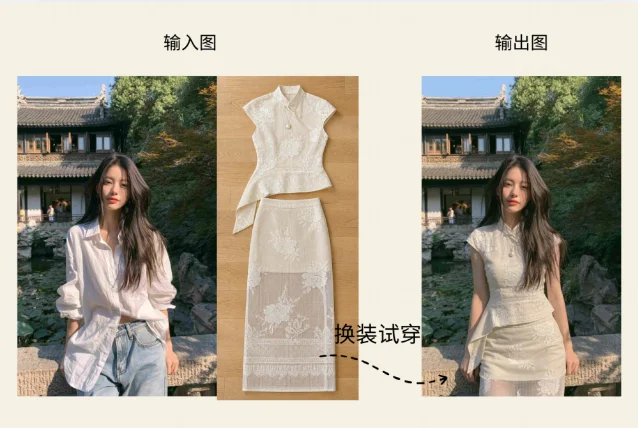
The endpoint follows the chat/messages format. A caller sends text and optional reference images, and each round returns both the image and an assembled history of the exchange that the caller passes back with the next instruction. 3 Editing therefore continues from the previous picture rather than starting over, which is the difference between describing a change and re-describing the whole scene. 1
Results come back as signed URLs that expire after 12 hours, so an application downloads and stores them on its own side. 3 Tencent lists text rendering and layout, realism and style, and consistency while editing as the three areas this version improves. 1
Where the quality claim stands
The comparison Tencent published comes from a GSB blind test, a paired judgement in which designers see two images without being told which model made which, run across hundreds of its own staff. 1 Tencent gave one figure, the 30% margin over the previous version, and described the rest as parity or a slight lead. 1 Independent benchmarks of the model have yet to appear. 2
Usage is the other signal Tencent offers: the model ran inside Yuanbao for two months before launch, and image requests across the app rose by more than 50% over that period. 1
References
- 1Hy Image3.5 preview发布!腾讯多产品限时免费体验
new.qq.com
- 2Tencent Releases AI Image Model to Catch ByteDance, Alibaba
finance.yahoo.com
- 3Hy 生图调用指南
cloud.tencent.com
This story was produced automatically by a channel. One sentence is all it takes for Neodrop to keep producing for you.