我把 AI 关掉了一个夏天:Linear 的 Karri Saarinen 谈上下文如何成为产品|Lenny's Podcast
Linear 联合创始人兼 CEO Karri Saarinen 讲他停看 AI 一个夏天之后的发现:工具在变强,团队未必做得更好;他用每日客户简报、质量星期三和功能吐槽会说明,被外包掉的是执行,会流失的是动手长出来的那层理解;文末附全量中英双语逐字稿。

2026 年 9 月 10 日,Lenny's Podcast 的线下活动 Lenny and Friends Summit 在旧金山办了一整天,本文对应其中一场单人演讲,时长 17 分 22 秒12。演讲人是 Linear 的联合创始人兼 CEO Karri Saarinen。
Linear 是一家做项目管理工具的公司,2019 年由三位芬兰人创办:Karri Saarinen 任 CEO,Jori Lallo 任 CPO,Tuomas Artman 任 CTO3。Saarinen 本人是设计师出身,在创办 Linear 之前是 Coinbase 的第一位设计师,也在 Airbnb 负责过设计体系4。2026 年 8 月 26 日,他在公司博客上宣布 Linear 的年化经常性收入越过 1 亿美元5。
这是一场单人演讲,没有问答环节,也没有产品演示。Saarinen 用一条完整的论证线讲了一件事:当团队把越来越多的执行工作交给 AI,真正会被消耗掉的是人在动手过程中长出来的那层理解,而这层理解才是产品差异的来源。他给这条判断配了 Linear 内部正在用的三个做法,最后落在一句他自己造的口号上——「上下文成为产品」。
这期节目在做什么:它回答的是一个所有用 AI 做产品的人都会撞上的问题——工具明显变强了,团队一定做得更好了吗?Saarinen 从自己停看 AI 的一个夏天讲起,然后一路推到组织的分工、客户的接近方式、团队的训练方法,以及他为什么把「直觉」当成一种可以练出来的能力。想判断这 17 分钟值不值得完整听,读完下面这份摘要就够了;想核对原话,文末附了完整的中英双语逐字稿。
一个不看 AI 的夏天
演讲从 Saarinen 的夏天开始。他给自己放了个假,条件是不再追 AI 的新闻:不问最新的模型是哪个、它能做什么、市面上有哪些 agent、又有哪些新技巧。
他原本担心回来之后会掉队,以为这几个月里行业已经翻了一页。结果他回来发现变化有限:新模型有,新技巧有,新 agent 也有,但做出好产品、把收入做起来、把生意跑通,难度还是老样子。
这个结果让他问了一个更靠前的问题:我们到底在这些工具上花了多少注意力?他的观察是,全行业都在盯着工具看,也确实看得出来工具在变强——能做更多、更快、更强,但他更在意的是另一个问题:我们用它做出来的东西真的更好了吗?我们的团队真的变得更强了吗?他说自己没有把握给出肯定的答案,并建议每个人回头看看:你自己公司里,你怎么知道东西变好了?你感觉得到吗?你的客户感觉得到吗?
他把这个话题接到了一条更长的历史线上。在 AI 之前,行业已经痴迷于放大组织的产出:多招人,把岗位切得越来越专门,人多了就加流程,有了流程和数据就做实验,一切为了让整个组织多产出一些。Saarinen 说他的立场一直没变:产出更多,产品未必更好,他要的是客户体验变好。他给听众的提醒很直接——你可以去建软件工厂,可以自动化,这些都成立,但要小心别让整个组织也变成一座工厂,把所有的工作和思考都外包出去,只盯着效率。他的理由是:客户买的不是代码行数,也不是实验报告。
造产品会同时产出两样东西
Saarinen 给了一个他自己常用的区分:做产品的过程会同时产出两样东西,一个是产品,另一个是理解。
他解释这层理解是怎么来的。设计一个东西的时候,你要反复想:该做什么、怎么做、走哪条路、它该长成什么形状;这些问题你会自己回答一部分,也会去问别人,去问客户。这些具体的挣扎本身就在教你东西——教你问题的边界在哪里、客户想要什么、他们眼里这件事是什么样。
他担心的是这层直接的连接正在变松。他讲了一个观察:你看得上眼的那些公司,你欣赏的往往是它们的产品,同时也会欣赏它们的团队。产品是团队做出来的,团队对这个领域的理解越深、手上的技能和品味越好,做出来的东西就越好。而这些理解、判断、品味、以及过去试过什么和决定过什么的历史,是围绕公司沉淀下来的一层文化,它决定了团队怎么想事情、什么重要什么不重要。Saarinen 说,随着我们把越来越多的东西交给 AI,团队的执行和理解之间会被切开一道口子。他认为这道口子本身算不上坏事,真正的问题是:如果这件事正在你的公司里发生,你打算怎么补?
F1 方向盘:理解是怎么复利起来的
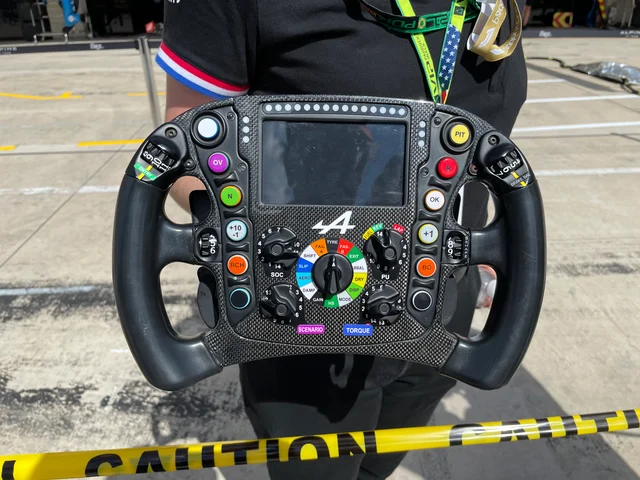
他在这一页放了一张方向盘的照片,讲的是同一个机制。F1 赛车的方向盘最早也只是普通的样子,但这项运动不需要大的转向角度,车手在高速下做的是非常细微的修正。几十年里,一支支车队把这件东西改到完全贴合这个用途,于是它长成了和量产车完全两样的东西。他称这是复利式的理解:同一个人、同一个团队,在一个具体用途上反复打磨,理解会一层层叠上去。
什么该交给 AI,什么该留给人
Saarinen 给了一条区分标准:那些可重复、做起来学不到太多东西的事,适合交出去。
他举了 Linear 内部的例子。修 bug 这件事现在由 Linear 的 agent 循环来做:它会连上 Datadog 和 Sentry 这类工具,去代码库里查,判断这个 bug 是从哪儿来的,然后写出一个修复。工程师省下的是排查的时间,他们过来验证结果,有时做点小改动。
省下来的时间该去什么地方,他的答案是客户。Linear 从创业之初就推着工程师和所有人去接客户:加入共享的 Slack 频道,回答客户的问题,也向客户提问,用这种方式慢慢养出对客户的直觉。他说如果一个角色因为 AI 省出了时间,这些时间可以花在客户身上、花在探索上、用来训练判断力,或者把作品的质量做得更好。
每日简报:把客户的声音接回自己手里
Saarinen 说,产品组织接下来真正的目标,是让这条学习回路持续转下去:怎么把上下文里的信号接进来,再把这些理解带给整个团队和整个公司。他认为 AI 在这件事上能帮大忙,只是大多数人只盯着它能执行什么,而忽略了它能教你什么。
Linear 的做法是先收集。他们把能拿到的客户信息集中起来:用自动化把销售电话和其他会议里的客户反馈抓出来,加上客服邮件和内部讨论,攒成一个能查客户上下文的地方。
Saarinen 自己最近加了一件事。他说产品组织变大之后,人会离客户的日常问题越来越远,因为量太大,你没有时间跟进每一个人、看每一封邮件、读每一条需求。他的办法是在这堆上下文上面放一个「观察者」——一个 agent,替他一直看,发现有他该知道的东西就来告诉他。他自己设的一个是每日简报,主题是 AI 工作流:客户在用 AI 工作流时都说了什么。他之所以挑这个主题,是因为他看到各家公司的做法差别很大,眼下还没有公认的最佳实践,他想从客户的实践里多学一点。这份简报每天只花他几分钟,通常就是几条要点。
质量星期三与功能吐槽会
在判断力这一侧,Saarinen 说他注意到另一件事:公司越多地用 AI 和 agent,人就越多地把自己关起来,各人跟各自的 agent 单干。这样效率是高的,代价是同事之间互相学不到东西了。为此 Linear 有两个固定动作。
第一个叫质量星期三。它的起因是公司一直在招人,慢慢发现大家对「质量」的标准并不一致。于是公司请每个人每周花一点时间看产品,找出一个质量瑕疵并把它修掉。瑕疵可以很小:一个奇怪的悬停状态、一段卡顿的动画、一处文案错误,五分钟就能改完。Saarinen 说这件事的价值主要落在人身上:全队都在训练自己的眼睛去注意小毛病;而因为大家是在一个会上分享各自的发现和修法,所有人还能看到别人是怎么找到问题的。
第二个叫功能吐槽会。这是一个可选参加的会,公司里任何人都能来,正在做这个功能的团队做东,请大家直接吐槽整个功能——可以吹毛求疵,可以说看不懂,把最原始的反应说出来,对事不对人,做的人可以当场追问。Saarinen 说这个会有两重效果:一是让团队反复确认「什么才是我们在意的」;二是给做功能的团队一个接近真实的视角——公司里很多人是第一次看到这个功能,他们困惑的地方,用户多半也会困惑。会后由负责人把反馈汇总成可以动手的条目。他强调这些动作的关键在于大家是一起做的,中间有讨论,这样每个人都会记得某些同事在意什么,下次自己做东西时会主动去检查。
一间人和 agent 共用的上下文屋子
Saarinen 把上面几件事收在同一个诉求上。如果 AI 真的省下了时间,那就该把这些时间花到别处去——花在客户、探索、批评、质量,甚至花在回头反思自己做过的事上。他预期产品组织的工作内容会因此改变:执行占的比重下降,更多时间用来想清楚这些活动本身,想清楚一个团队怎么变得更好。
他特别提到,这些上下文需要一个存放的地方。公司应该有某个地方,能让人查到客户上下文、产品思考,或者任何你在做的事情;这个地方对人重要,对 agent 同样重要。他现在的用法是直接问 agent:关于这件事我们手上有什么?教我一些关于客户的东西——他们在说什么、在做什么、团队怎么回应。他认为这个共用的上下文空间本身就是一种资产。
直觉是训练出来的
演讲的收尾落在「直觉」这个词上。Saarinen 说 Linear 不做 A/B 实验,他们让同事用自己的直觉判断。但他同时提醒,直觉不是《星球大战》里那种凭空降临的力量。它是你在做某件事、听客户说话的过程中学到的产物,本质上是你脑子里已经完成的训练。你听到的、看到的上下文越多,个人的理解就越厚,最后叠成整个团队的理解。
顺着这条线,他给出了演讲标题里的那句话:上下文成为产品。他说行业习惯盯着产出看——软件、代码——而他的目光在相反的方向:到底是谁在做出这些软件?是谁在做决定?是人在做决定。这些人手上的上下文越厚、对自己该做什么理解得越清楚,产品就越好。
他还补了一句关于招人的话。他说在 Linear,他一直认为招人是做出好产品的第一步。这个说法听起来像常识,但他见过太多人把招人理解成「我需要有人来干活、把产出加上去」;他更在意的是这个人能为公司带来什么样的走向——他有什么想法、判断力和品味如何、这些东西在一个组织里能怎么用出来。
他最后把整场演讲落在这个转变上:产品组织越来越多的活儿会变成管理上下文——从上下文里学东西,找到让团队聚到一起、一起从里面学东西的办法。相比亲手写代码、把东西做出来,这部分工作会占更大的比重。
几个词,几个人
上下文(context)。 这期里它不是提示词的意思,指的是一个团队对一个领域的积累:客户说过什么、试过什么、哪些决定是怎么做出来的。Saarinen 认为这层积累是产品差异的来源。
软件工厂。 演讲里用来指那种把工作和思考都外包出去、只按效率衡量产出的组织形态。他拿它当反面参照。
Linear Agent。 Linear 自己做的编码 agent,2026 年 3 月开放测试7。Saarinen 讲的那个修 bug 循环就是它:连上 Datadog 和 Sentry,查出问题来源,写出修复。
Datadog 与 Sentry。 两家做系统监控和错误追踪的服务,Linear 的 agent 会去读它们的数据。
「问题跟踪已经死了」。 Saarinen 2026 年 3 月发表的一篇公开文章,主张问题跟踪是为「交接式」的软件开发流程设计的,而 agent 正在接管其中的手续环节8。这场演讲里关于「什么适合自动化」的判断,和那篇文章是同一条思路。
ARR。 年化经常性收入,把当前一个月的订阅收入按年折算出来的口径。Linear 2026 年 8 月越过 1 亿美元5。
Jori Lallo 与 Tuomas Artman。 Linear 的另外两位联合创始人,分别任 CPO 和 CTO3。
这一期值不值得听
如果只挑一段,选中间关于三个内部做法的部分:每日 AI 工作流简报、质量星期三、功能吐槽会,这三件事都具体到可以直接照做,也是整场演讲里最不容易在别处听到的内容。
需要说明的是这一期的性质。Saarinen 的论据主要来自他经营 Linear 的经验和公司内部的观察,不是外部数据;他也承认「省下来的时间花在哪儿」这件事眼下更多是一种倡议,而不是已经被验证的结论。把它当成一家 1 亿美元 ARR 的公司 CEO 在 2026 年 9 月给出的一份判断来读,比当成方法论清单更合适。
它和这一频道此前几期的关系也值得一句:同一场峰会上,Katie Dill、Marty Cagan、Geoff Charles 那三场谈的是团队与流程怎么重新设计,这一场谈的是这些重新设计会怎样影响团队长出来的那层理解。两边合起来看,能看到同一批人对同一个变化给出的不同侧重。
完整中英双语逐字转录稿
逐字稿说明: 英文原文取自本期官方视频的英文字幕轨,措辞未作删改,只对少量专名与产品名做了订正(Linear、Datadog、Sentry、AI、agent、Slack、F1 等),字幕里的停顿词、口误、清喉与掌声标记一律保留。中文译文由机器翻译生成,只对专名做了统一,未逐句人工润色。
讲话人分段说明:本场是单人演讲,全场只有 Karri Saarinen 一位讲话人,因此每段都署他的名。时间轴每 10 分钟标注一次,时间码按语速与词数折算,是近似位置,不是字幕轨的原生时间码。
00:00 - 10:00
Karri Saarinen:
All right, good afternoon everyone. Um, I'm here today to talk about great products, context, and the product work we do. But first, I want to talk about my summer. Um, I so I took a break this summer from paying attention to AI. I stopped following the news like what is the latest model? What can it do? what agents of do we have and what what are the new techniques we can use and when I was I was on this vacation I I thought like when I when I come back maybe I will feel left behind maybe things change a lot but it realized that when I came came back actually realized that nothing has changed much um there's new models there's new techniques there's new agents but I think like in the end that the making great products and building like increasing revenue or building the business like it's still hard so it made me wonder how much attention we're really paying to these tools.中文:好吧,大家下午好。嗯,今天我在这里是想谈谈优秀的产品、背景以及我们所做的产品工作。但首先,我想谈谈我的夏天。嗯,所以这个夏天我休息了一下,没有关注人工智能。我不再追踪新闻,比如最新的模型是什么?它能做什么?我们有哪些代理?有什么新技术可以使用?当我在度假的时候,我想,当我回来时,也许我会觉得被落下了,也许事情变化很大,但我意识到,当我回来时,实际上意识到并没有太大变化。嗯,有新的模型,有新的技术,有新的代理,但我认为,到头来,制作优秀的产品、提升收入或发展业务仍然是困难的。这让我想知道,我们到底有多少注意力真正放在这些工具上。
Karri Saarinen:
Like we are really watching the tools a lot all the time. There's always new things we can try and it's clear that these tools are getting better. They can do more. They can do it faster. They're more capable. But the I think more important question is like are we actually making better things with these tools? And are our teams getting better with these tools? And I I don't think that that answer is is clear clearly yes. Like if you look out there and like even in your inside your own companies, how do you even know like how are you making better things?中文:就像我们真的一直在非常关注这些工具一样。总有新的东西可以尝试,而且很明显这些工具越来越好。它们能做的更多,速度更快,功能更强。但我认为更重要的问题是,我们是否真的在用这些工具做出更好的东西?我们的团队使用这些工具是否变得更出色?我认为这个答案并不明显是肯定的。如果你看看外界,甚至在你自己的公司内部,你怎么知道你真的在做出更好的东西呢?
Karri Saarinen:
Do you feel that way? Does your customers feel that way? So there's a lot of emphasis now on tool making and using tools and building systems. But I think like in the end like as a product people our job is to to make something good. And so in some ways like today I think there's been several talks about software factories and I think that the industry has been I think obsessed with this idea a long time like how do we scale and optimize the output our organizations do and I think it makes sense and it is it is important to to move fast and like do things but this started even before AI and I think before AI the the idea was that we need to hire more people we create very specialized roles so they work in their own ways and then we create because there's a lot of people we create more process and because we have process and a lot of people we actually don't even know anymore like what what people are doing or what they're supposed to do.中文:你有这种感觉吗?你的客户有这种感觉吗?所以现在有很大一部分注意力放在了工具的制作、使用工具以及构建系统上。但我认为,归根结底,作为产品人员,我们的工作是去做出好的东西。所以在某种程度上,今天我认为已经有好几场关于软件工厂的演讲,我觉得整个行业长期以来一直沉迷于这个想法:我们如何扩展和优化组织的产出,我觉得这是有道理的,也确实很重要,要快速行动,去做事情。但这在人工智能出现之前就已经开始了,我认为在人工智能出现之前,想法是我们需要雇用更多的人,创建非常专业化的职位,使他们以自己的方式工作,然后因为人太多,我们就创建了更多的流程,而因为有流程和很多人,我们实际上甚至不知道人们在做什么,或者他们应该做什么。
Karri Saarinen:
So we run experiments. So experiments the data tell us like what what works and what doesn't and this is all to like scale like how do we get more output than like how do we get more um output from the organization but again like my philosophy as always it's more more [clears throat] output isn't better like I I think like what we want to build is like better experiences for the customers one of my messages today is that don't like you can build the software factories and you can make and you can automate things and that all makes sense but just like as an organization Don't become one.中文:所以我们进行实验。所以实验的数据告诉我们什么有效什么无效,这一切都是为了扩大,比如说我们如何获得更多产出,如何从组织中获得更多产出。但同样,我的理念一如既往,更多的产出并不意味着更好。我认为我们想要建立的是为客户提供更好的体验。我今天想传达的其中一个信息是,你可以建立软件工厂,你可以进行制作和自动化,这一切都是有道理的,但作为一个组织,不要成为那样。
Karri Saarinen:
Don't become a software factory where you out like outsource all the work and thinking to somewhere else and like just focus on like how efficient can the output be because the output is not the product. Like customers are not buying the lines of code. They're not buying the experiments or they're not buying a lot of things. So in the end like if you want to sell something or make some good product you have to make something someone wants. When I think about making things I think about two things. So making products produces two things.中文:不要成为一个软件工厂,把所有工作和思考都外包到别处,只关注产出有多高效,因为产出不是产品。客户不是在购买代码行数,也不是在购买实验,或者很多东西。最后,如果你想销售某样东西或者做出好的产品,你必须做出别人想要的东西。当我思考创造东西时,我会想到两件事。所以,制作产品会产生两种东西。
Karri Saarinen:
The the product and the learning. Historically the building products or designing them it's always created this learning as well. Like when you are struggling like trying to think like what you should build, how you should build it, which way, what kind of shape does it take, you have all these questions you are asking and maybe you're answering them yourself. Maybe you go talk to someone, maybe you talk to the customers and try to find the answer. So the actual effort you put into building things, it's also like teaches you something about what the problem is, what the customers uh want or like what what is their view.中文:产品和学习。历史上,无论是建造产品还是设计产品,它总是伴随着这种学习过程。就像当你在挣扎着思考应该建造什么、应该如何建造、以哪种方式、它应该是什么形状时,你会提出所有这些问题,也许你自己在回答它们,也许你去找别人谈,或者和客户交流尝试找到答案。所以你在构建事物时实际付出的努力,也会教会你一些关于问题是什么、客户想要什么、或者他们的观点的东西。
Karri Saarinen:
So we're kind of like in this time now that there's there's a little bit this danger of losing that uh direct direct connection with the with the learning. And I think like if you think about any great company out there or companies that create great products, you probably respect their product, but you probably also respect their team. And I think like products are usually just like it's kind of obvious, but they're like they're produced by the team in the company. And the better the team, the better they understand the space they're in, the better skills or talents they have, the better taste they have, like the better they build things.中文:所以我们现在有点处在这样一个时期,有一点点这种失去与学习直接联系的危险。我觉得,如果你考虑任何优秀的公司,或者那些创造出优秀产品的公司,你可能会尊重他们的产品,但你也可能尊重他们的团队。我认为,产品通常只是很明显的东西,但它们是由公司里的团队生产出来的。团队越好,他们对自己所处的领域理解得越深入,拥有的技能或才能越出色,品味越高,他们就能制造出更好的东西。
Karri Saarinen:
And so like great companies they consistently be able to to build great things because they have this culture and context built around like how what how to think about things like what matters what doesn't matter. So this is like all the context around customers about the product space they're in the technologies they can use the judgment the team uses to make decisions the taste they have to actually find what is good and all the history of the different things they've tried or or what they decided. And the image here is just a illustration of this kind of like compounding learning.中文:因此,就像伟大的公司一样,他们能够持续地创造出伟大的事物,因为他们围绕着如何思考事物、什么重要、什么不重要的文化和背景已经建立好了。这包括关于客户的所有背景信息、他们所处的产品领域、可使用的技术、团队做决策所用的判断力、发现优秀事物的品味,以及他们尝试过的不同事物或者所做决定的所有历史。这里的图片只是对此类累积学习的一种说明。
Karri Saarinen:
It's a Formula 1 steering wheel which started with very kind of traditional form. But over the decades the the the kind of like the the team learned to how to really make it better and make it something that makes sense for this use case. Like Formula 1 cars, they don't need a lot of turning radius. So you need a lot of like small movements and like controlling the car in a high speed. It's very fine movements and then that's why the the actual steering wheel ended up different than what we typically see in cars.中文:这是一个一级方程式赛车的方向盘,它起初采用了非常传统的形式。但几十年来,团队学会了如何真正改进它,使其适用于这种使用场景。比如一级方程式赛车不需要很大的转向半径,所以你需要很多小幅度的动作来控制高速下的车辆动作。这是非常精细的操作,这也是最终实际方向盘与我们通常在汽车上看到的方向盘不同的原因。
Karri Saarinen:
The danger really now with the product organization is that the more we automate stuff um to AI to do and more we automate it or tell teams to use AI, you kind of like create this separation from execution and from the learning. It's not necessarily bad thing like it's what I'm calling this out is that if this is the case and this is happening in your company like how are you going to fix it like eventually if you don't learn from the work you do I think eventually you would lose the advantage of what you have currently in your in your space or in your company one way to think about it is like well what is good to automate maybe what what is what is good for people to do I think there's definitely things that are repeatable and maybe not something you learn a lot about like even At winner we do now how to fix bugs.中文:现在产品组织真正的危险在于,我们越是把事情自动化,交给人工智能去做,或者越是让团队使用人工智能,你就会有一种与执行和学习之间的分离。这不一定是坏事,我之所以指出这一点,是因为如果这种情况发生在你的公司里,你将如何去解决它?如果你最终不能从所做的工作中学习,我认为最终你会失去你目前在你所在领域或公司中所拥有的优势。一种思考方式是,什么适合自动化,什么适合人去做。我认为肯定有一些事情是可以重复的,可能也不一定能学到很多东西,比如即使在 Winner,我们现在也在学习如何修复 bug。
Karri Saarinen:
We have a we use it the winner loop to investigate the bug. It will connect to data do and sentry and other tools. It will try to look into the codebase and and try to understand where the bug is coming from and then it will write a fix. So it saves the time for the engineers like they don't have to investigate the problems. They come and and verify the result and and sometimes they make little changes for those results. But so the idea is like how do you save time um now with these new new tools but without really like outsourcing everything.中文:我们有一个我们使用它的赢家循环来调查这个错误。它将连接到 DataDo、Sentry 和其他工具。它会尝试查看代码库,尝试理解错误来自哪里,然后它会编写修复程序。所以它为工程师节省了时间,他们不必去调查问题。他们只需过来验证结果,有时会对这些结果进行一些小修改。但这个想法是,如何在使用这些新工具时节省时间,同时又不真正将所有工作外包出去。
Karri Saarinen:
Um so where I think about like the team should spend more time in is in the customer space and the customer problems. From the beginning, we always told at of the beginning of the company, we we've been pushing the engineers and all the team members really go connect with the customers, join the Slack channels, join the shared Slack channels, answer their questions, ask them questions, and like kind of like stay close to the customer and kind of like build your customer intuition that way. And I think like now if engineering or other roles have some time savings I think there's areas they can do more in like they can spend more time with customers they can explore more things they can train their judgment or or make better quality uh work than they previously had time to.中文:嗯,我认为团队应该花更多时间关注的是客户领域和客户问题。从公司创立之初,我们就一直告诉大家,从一开始,我们就一直推动工程师和所有团队成员真正去与客户建立联系,加入 Slack 频道,加入共享的 Slack 频道,回答他们的问题,向他们提问,并且保持与客户的紧密联系,从而建立你的客户直觉。我认为现在如果工程或其他角色节省了一些时间,他们有一些可以做更多的事情的领域,比如他们可以花更多时间与客户接触,探索更多的事情,训练他们的判断力,或者比之前有更多时间的时候做出更高质量的工作。
Karri Saarinen:
So the goal I think really for the product organization in the future is like how do you keep this learning loop happening like how do you have context and and and bring signals from that context and and bring those learnings into the whole team and the whole company and I think like actually now AI can be a great tool in this. So a lot of times people I think focus on what AI can do what it can execute but not what AI can teach you. So I think for example at linear what we do is that we use the AI to help us to build this context.中文:所以我认为未来对于产品组织来说,真正的目标是如何保持这个学习循环的持续运作,比如如何拥有上下文,从这些上下文中获取信号,并将这些学习传递给整个团队和整个公司。我认为实际上现在人工智能可以在这方面成为一个很好的工具。很多时候人们关注人工智能能做什么,它能执行什么任务,而不是人工智能能教你什么。所以我认为例如在 Linear,我们所做的是利用人工智能帮助我们建立这种上下文。
Karri Saarinen:
So we collect all the customer information that we can. Um we have automations that pull uh customer feedback from sales calls and other other meetings uh as well as from support emails and and internal uh discussions and that's kind of like builds this like a place for the context and place for the the kind of like the customer context and then like some something I started you doing recently is that the problem previously I think in a product organization especially it's a large one a lot of people start being kind of away from the customer problems on the day-to-day problems because there's so much of it and and you don't have the time to follow up with everyone or look at every single email or every request.中文:所以我们收集所有可以收集到的客户信息。嗯,我们有自动化工具可以从销售电话和其他会议中获取客户反馈,也可以从支持邮件和内部讨论中获取反馈,这样就建立了一个用于上下文的地方,一个用于客户上下文的地方。然后最近我开始做的一些事情是,以前的问题,我认为在产品组织中,尤其是大型组织中,很多人会逐渐远离客户的日常问题,因为问题太多了,而且你没有时间跟进每个人,查看每封邮件或每个请求。
Karri Saarinen:
But what I started doing is that we we collect all this context, but then I sent this like a watchers like an agent to watch it and see tell me when when there's something interesting for me. So one of these things I set up is this daily briefing about AI workflows. what are the customers saying about their AI workflows? I want to learn more from it because I've seen a lot of companies do it very differently. Uh today we I think there's no clear best practices. Every company does their stuff a little bit differently.中文:但我开始做的是,我们收集了所有这些背景信息,然后我派了一个类似观察者的代理去观察它,并告诉我什么时候有对我有趣的东西。因此,我设置的其中一件事情是关于 AI 工作流程的每日简报。客户对他们的 AI 工作流程有什么看法?我想从中学到更多,因为我看到很多公司做法都很不一样。嗯,今天我认为还没有明确的最佳实践,每家公司都有自己稍微不同的方式。
Karri Saarinen:
And so that's why I'm trying to like learn more that like what are all the ways people are using these tools? What what do they want from us and how can we help them better? So this can it's it doesn't take a lot of time for my day to just read this. It gets few bullet points usually but I get this like a daily briefing basically saying like the these are the customer what they're saying about the AI workflows. On the judgment side I wanted to highlight couple things we do.中文:所以这就是为什么我想更多地了解,人们到底是如何使用这些工具的?他们想从我们这里得到什么,我们如何能更好地帮助他们?所以这并不会占用我太多时间,只是阅读这些内容。通常会有几个要点,但基本上我会收到这样的每日简报,告诉我这些客户在说些什么关于 AI 工作流的内容。在判断方面,我想强调我们做的几件事。
10:00 - 17:22
Karri Saarinen:
I think what I've also noticed that when companies start using AI more and agents more people start uh siloing themselves like a lot of people are working alone with their agents building things and I think it's efficient but then there's also the problems like we not learning from each other anymore um or sport as much so one of the practices we start doing is this quality Wednesday and this happened because we as We keep hiring people. We we notice that not everyone has the same standard or understanding what what the quality means.中文:我还注意到的是,当公司开始更多地使用人工智能和代理时,越来越多的人开始把自己孤立起来,很多人都是和他们的代理单独工作、构建东西。我认为这很高效,但同时也存在一些问题,比如我们不再相互学习,交流也少了。所以我们开始进行一种做法,叫做“质量星期三”。之所以会有这个做法,是因为我们不断招聘新员工,我们发现并不是每个人都对质量的标准或理解相同。
Karri Saarinen:
And so we task everyone to go every week, spend some time, look into the product, try to find one quality defect in the product and then fix it. It can be very small. It can be weird hover state like janky animation. It can be a copy error. It can be something else. So it doesn't mean that like it should be like a huge project. It it could be like a five minute fix. The bigger impact with this is not really that we do this fixes. We do like that too. But the bigger impact is that the team trains everyone trains themselves to look for this like they train their eye to notice the small mistakes and then because we do this in a meeting everyone shares their findings and their fixes.中文:因此,我们要求每个人每周都去花一些时间,查看产品,尝试找到产品中的一个质量缺陷,然后修复它。缺陷可以非常小,也可以是奇怪的悬停状态或者闪烁的动画,也可以是文本错误,也可以是其他问题。所以这并不意味着它必须是一个巨大的项目,它可能只是一个五分钟的修复。这个做法的更大影响不在于我们做这些修复,我们确实会做这些修复,但更大的影响是团队每个人都在训练自己去寻找这些问题,他们训练自己的眼睛去注意这些小错误。而且因为我们在会议中进行这个过程,每个人都会分享他们的发现和修复方法。
Karri Saarinen:
Everyone can learn from that and see how other people are finding these problems. And then the second thing we do for new features is this feature roast. Uh it's a little similar but a little different where it's this optional meeting. Anyone in a company can join the team who is building the feature hostess and then what they ask people to do is just critique the whole feature. Like you can be as nitpicky or confused or whatever you want. You just put your raw feedback and it's not personal. It's just like this this is how I see it.中文:每个人都可以从中学习,看看其他人是如何发现这些问题的。然后我们为新功能做的第二件事是这个功能点评。嗯,它有点类似但又有些不同,这是一个可选的会议。公司里的任何人都可以加入正在开发该功能的团队,然后他们要求大家做的就是批评整个功能。你可以挑剔,困惑,或者随意表达你想说的意见。你只需要提供你的真实反馈,这不是针对个人的,只是这样的,这是我看到的方式。
Karri Saarinen:
And the team can still like interact with the people and ask them questions if they don't understand something. Again, like we're trying to train people that what matters and like what do they we care about and also like kind of train um give [clears throat] the team who is building the feature a little more like realistic way to see what maybe how the users would think about the feature because a lot of people in a company this is the first time for them seeing the feature. So they if they are confused it's likely that the the users are confused too.中文:团队仍然可以与人互动,如果他们不理解某些事情,可以向他们提问。再次强调,我们正在尝试培训人们,了解什么是重要的,以及他们关心的内容,同时也在某种程度上以更现实的方式培训正在构建该功能的团队,让他们了解用户可能如何看待这个功能,因为公司里的很多人这是他们第一次看到这个功能。如果他们感到困惑,用户也很可能会感到困惑。
Karri Saarinen:
And then like after that the lead can synthesize the feedback and and make group it and make some kind of actionable issues out of it and then they can like fix it. But like I think the important part is that these are done together and there's this like discussion that happens with these meetings and that that kind of like gives everyone a little more everyone can learn from each other and they notice like when you're building on your own product or your own feature you remember one of these discussions and you know that oh those that person always cares about the onboarding or they care about this animation so I must I should check into that and like remember to do it so I don't get that feedback.中文:然后在那之后,负责人可以综合这些反馈,把它们整理归类,并从中提出一些可操作的问题,然后他们就可以去解决它们。但我认为重要的部分是这些事情是一起完成的,并且在这些会议中会有讨论,这种讨论让每个人都能互相学习。当你在开发自己的产品或功能时,你会记得这些讨论,知道哦,那个人总是关心新手引导或者关心这个动画,所以我必须去关注它,并记得去做,这样就不会收到那样的反馈。
Karri Saarinen:
So my like really the ask is that we we we have this idea that well AI can do a lot of stuff and like let's make everything more efficient. Let's produce more. But if if AI is really efficient and it's saving time, then maybe there's an opportunity to spend more of that time to something else. Like rather than focusing on the execution, we could sort of start focusing on the customers, the explorations, the the critiques, the quality or the even the reflection of what we do. I think like in the future the product organization maybe that the work we do changes and we move away from the spending so much time on the execution but actually going a little more abstract and like thinking about the the actual activities and like how do we become better as a team and how we can become better as a as a product organization.中文:所以我真正想说的是,我们有一个想法,就是人工智能可以做很多事情,让一切变得更高效。让我们多生产一些东西。但是如果人工智能真的很高效,节省了时间,那么也许有机会将更多的时间花在其他事情上。比如说,我们不只是关注执行,我们可以开始关注客户、探索、批评、质量,甚至是对我们所做工作的反思。我认为未来产品组织可能会改变我们的工作方式,我们会减少在执行上花费大量时间,而更多地进行抽象思考,考虑实际的活动,以及如何作为一个团队变得更好,以及如何作为一个产品组织变得更好。
Karri Saarinen:
what I said earlier that the the I think companies are often compound understanding of the work and the the problems they they uh solve. So I think there's an important aspect that you should have some kind of place where you put this stuff like there's some place that's available for learning about the customer context or learning about your product thinking or learning about anything else you're doing and then I think that it's important for the people but it's also important for the agents. So I think now a lot of times I can now ask the agents like what do we have about this or teach me something about the customers like what are they saying and what are they doing and and like what how is the team responding to that.中文:我之前所说的,我认为公司通常对工作以及他们解决的问题有着综合理解。所以我认为有一个重要的方面是,你应该有某种地方可以存放这些东西,比如有一个地方可以用来了解客户的背景,或者了解你的产品思路,或者了解你正在做的其他事情。然后我认为这对人来说很重要,但对代理人也很重要。所以我认为现在很多时候我可以问代理人,比如我们关于这个有什么信息,或者教我一些关于客户的东西,比如他们在说什么,他们在做什么,以及团队是如何应对的。
Karri Saarinen:
I think there is a value of like creating this like a shared space where this context lives um around the customers and the product and the the work that is happening around the product. I will end end this with this that I think that the tools will keep improving. And I think we will keep watching the tools and I think we will keep automating more and more stuff. But I think my view is that we should automate more of the known things like the things that are repeatable and maybe are not that impactful.中文:我认为建立这样一个共享空间是有价值的,这个空间承载着关于客户、产品以及围绕产品进行的工作的上下文。我想以这一点结束:我认为工具会不断改进。我认为我们会继续关注这些工具,我认为我们会不断自动化越来越多的事情。但我认为我的观点是,我们应该更多地自动化那些已知的事情,比如那些可重复且可能影响不大的事情。
Karri Saarinen:
It's not something we can learn a lot from. My hope is that like we can spend more time like how do we build the understanding of the what we're doing in this company or in this product organization like how do we make sure that the team is learning from something and from someone from somewhere and not just executing the next prototype or the next idea or something because I think I we we at linear we don't run experiments we we use we tell people to use their intuition but I often tell people that intuition is not some like magical force that like and Star Wars or something that it's happens to you.中文:这不是我们能学到很多东西的事情。我的希望是,我们能花更多时间去建立对我们在公司或产品组织中所做事情的理解,我们如何确保团队从某些事情、从某些人、从某些地方学习,而不仅仅是在执行下一个原型或下一个想法。我认为,在 Linear,我们不进行实验,我们告诉人们使用直觉,但我经常告诉人们,直觉不是某种魔法力量,就像《星球大战》里的那种,它不会凭空发生在你身上。
Karri Saarinen:
It it is something that you have learned while working on something or listening to customers or something. Intuition is basically your training in your brain that you have. And so the more you can learn and and listen and and see this context, I think it will compound your personal understanding and then eventually compounds the whole team's understanding. And so in the end I like what what this talk was about is like context becomes the product. Then like it's it's more that we we have this obsession to look at what is the output the software or the code but I think in the end it's it's I I look the other direction it's like what is actually creating the software like who is making the decisions and that's the people are doing that and the better context those people have and like better understanding they have about the what they're supposed to do I think the products are better and so at linear I always thought that hiring people is the first step building great products and maybe it's kind of obvious but I think sometimes people just think that I I need to hire to do something I need to increase the output but what you're really like trying to do is think about like what is the trajectory this person can create for the company like what kind of ideas they have like do they have the right judgment or taste how can they use it in this organization so in the end I think like more of the product organizations maybe comes around the it becomes the context like more of the work is about managing this context like re learning from it finding ways to to team to come together and learn learn from it versus the actual execution of the code or or building the thing so that's what I mean like context becomes the product thank [applause]中文:它是你在做某事或倾听客户或某件事时学到的东西。 直觉基本上是你对大脑的训练。 因此,你可以学习、倾听、看到这种背景越多,我认为这将加深你个人的理解,最终加深整个团队的理解。 所以最后我喜欢这次演讲的内容,就像上下文变成了产品。 然后我们更着迷于查看软件或代码的输出是什么,但我认为最终是我,我看另一个方向,这就像实际上创建软件的东西,比如谁在做决策,这就是人们正在做的事情,以及这些人拥有更好的背景,并且喜欢更好地理解他们应该做什么,我认为产品更好,所以线性地我一直认为雇用人员是构建伟大产品的第一步 也许这是显而易见的,但我认为有时人们只是认为我需要雇用来做一些我需要增加产出的事情,但你真正喜欢尝试做的是思考这个人可以为公司创造什么样的轨迹,比如他们有什么样的想法,他们有正确的判断或品味,他们如何在这个组织中使用它,所以最后我认为更多的产品组织可能会围绕它成为一个环境,就像更多的工作是关于管理这个环境,比如从中重新学习,找到方法 团队聚集在一起并从中学习,而不是实际执行代码或构建东西,这就是我的意思,就像上下文成为产品一样,谢谢[掌声]
References
- 1The Lenny and Friends Summit is back!|Lenny Rachitsky
lennysnewsletter.com
- 2
- 3About|Linear
linear.app
- 4
- 5
- 6File:Alpine F1 steering wheel.jpg|Wikimedia Commons
commons.wikimedia.org
- 7How we built Linear Agent|Linear
linear.app
- 8Issue tracking is dead|Linear
linear.app
This story was produced automatically by a channel. One sentence is all it takes for Neodrop to keep producing for you.