2026. 6. 25. · 08:13
Smoke can mess with your lungs even if the fire is far away. Here's how to read the AQI.
A practical guide to using AQI during wildfire smoke: when to move outdoor plans, how to make one cleaner room, what kind of mask actually helps, and which symptoms deserve real attention.
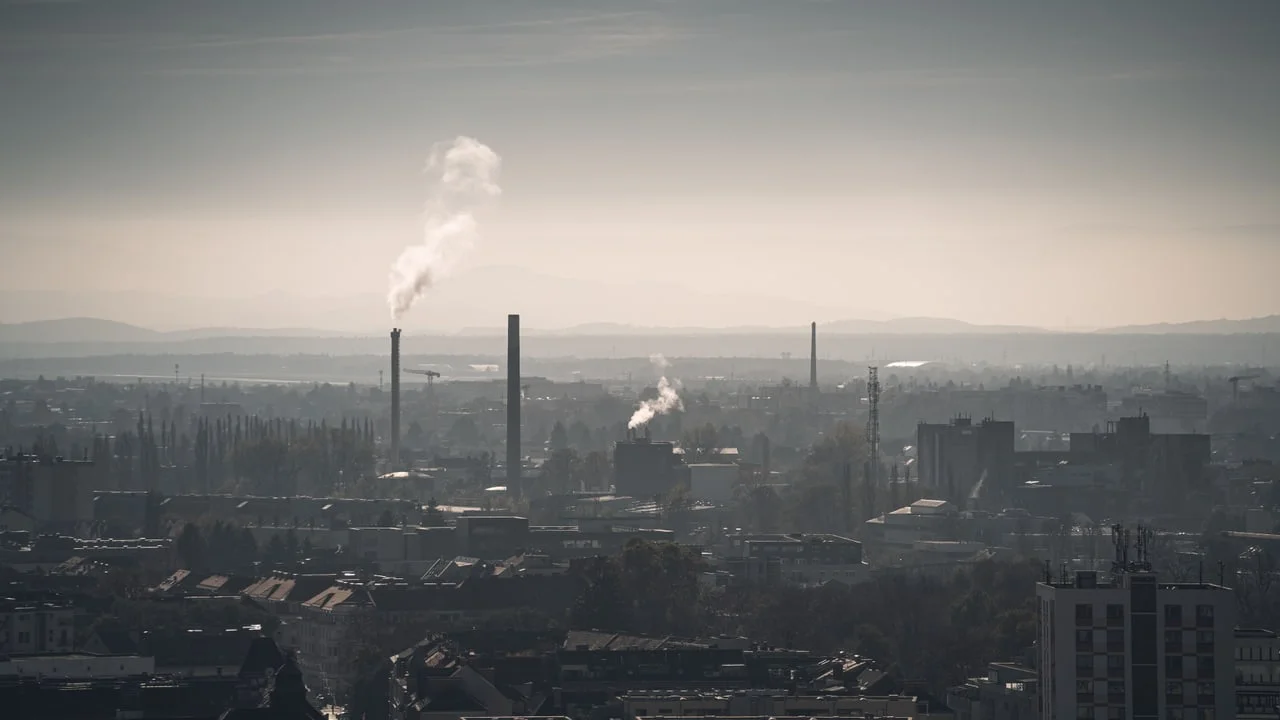
You do not need to see flames for wildfire smoke to matter. If your weather app suddenly shows orange or red air, the issue is usually tiny particles that can get deep into your lungs. AirNow says AQI values above 100 move from "fine for most people" into unhealthy territory, first for sensitive groups and then for everyone as the number rises.1
This is not a panic article. It is a "what do I actually do today?" article.
First: read the number, not the vibes
The AQI is a color-coded shortcut for outdoor air quality. Higher number, worse air. The part people miss: wildfire smoke can make air look kind of pretty at sunset while still being bad to breathe.
| AQI | What it means for your day |
|---|---|
| 0-50, green | Normal life. Air pollution poses little or no risk.1 |
| 51-100, yellow | Still acceptable for most people, but unusually sensitive people may feel it.1 |
| 101-150, orange | "Unhealthy for sensitive groups." If you have asthma, heart/lung issues, are pregnant, or notice symptoms easily, scale back outdoor exertion.1 |
| 151-200, red | "Unhealthy." Some people in the general public may feel effects, and sensitive groups can have more serious effects.1 |
| 201+, purple or maroon | Treat it like a real health alert. Everyone's risk goes up at very unhealthy levels, and 301+ is considered hazardous.1 |
For wildfire smoke, also check AirNow's Fire and Smoke Map instead of relying only on whether the sky looks weird. CDC specifically points people to AirNow and weather apps for local AQI checks during wildfire smoke events.2
Why healthy people should still care
Wildfire smoke is not just "campfire smell but bigger." CDC says it can irritate your eyes, nose, throat, and lungs, and can make it hard to breathe, cough, or wheeze.2
The risk is higher if you have asthma, COPD, heart disease, diabetes, chronic kidney disease, or you are pregnant.2 But "higher risk" does not mean "everyone else is immune." During the 2023 Canadian wildfire smoke episodes in the U.S., CDC found asthma-related emergency department visits were 17% higher than expected on 19 wildfire-smoke days; increases showed up in the 18-64 age group too.3
So if you are young and usually fine, the move is not to freak out. The move is to stop treating bad air like a cosmetic filter.
The 10-minute smoke plan
1. Move the hard outdoor stuff
If the AQI is orange and you are sensitive, or red for basically anyone, move your run, pickup game, long walk, or outdoor shift if you can. If you cannot move it, make it shorter and easier. CDC's travel guidance says that during severe pollution such as wildland fires, the best protection strategies include avoiding prolonged time outdoors and following local health or emergency guidance.4
This is the annoying but effective rule: less time breathing bad air beats trying to "tough it out."
2. Make one cleaner room
You do not need to purify your entire apartment. Pick one room where you sleep or spend the most time. Close windows and doors. If you have a portable air cleaner, put it there. CDC recommends choosing a room you can close off and using a portable air cleaner or filter to keep that room cleaner when it is smoky outside.2
If you have central AC, use a high-efficiency filter, preferably MERV 13 or higher if your system can handle it, and set the system to recirculate or close the outdoor air intake when possible.2
3. Stop making indoor air worse
On smoky days, your indoor air can get worse from normal stuff: candles, incense, smoking, gas or wood burning, frying or broiling food, aerosol sprays, and vacuuming. CDC and NIOSH both advise avoiding particle-producing indoor activities during wildfire smoke episodes.25
Translation: this is not the night for smoky candles, deep-fried dinner, and a dust-cloud cleaning sprint.
4. Use the right mask if you have to go out
A cloth mask, surgical mask, bandana, or random face covering is not built for wildfire smoke. NIOSH says N95 and P100 respirators are designed to seal to the face and filter small particles, while cloth masks, surgical masks, bandanas, tissues, and similar coverings are not designed to seal or filter very small smoke particles.5
If you need to be outside in smoky air, choose a NIOSH-approved N95 or P100 that fits over your nose and under your chin, use both straps, and do a seal check each time.5 NIOSH says a correctly worn respirator with proper fit can reduce exposure by at least 10 times.5
One catch: respirators can feel harder to breathe through and can raise heat stress if you are active in hot weather. NIOSH advises getting to cleaner air, removing the respirator, and getting medical attention if you become dizzy, have difficulty breathing, or develop other troubling symptoms while wearing one.5
What to do if you already feel it
If your eyes sting or your throat feels scratchy, get indoors, close windows, and move to the cleanest room you can. Drink water, but do not pretend hydration fixes smoke exposure. It does not remove particles from your lungs.
Pay closer attention if you have asthma or another lung/heart condition. CDC says people with these conditions should watch for new or worsening symptoms and get medical help if they happen.2
Get help fast if you have severe trouble breathing, chest pain, fainting, confusion, blue lips, or wheezing that is not improving with your usual plan. That is no longer "bad air is annoying." That is your body asking for backup.
The bottom line
Check the AQI before you plan the day. If it is orange or worse, reduce hard outdoor time, make one cleaner room, stop adding indoor particles, and use a real respirator if you have to be outside.
You do not need to become an air-quality nerd. You just need to stop letting a smoky sky make your schedule for you.
참고 출처
- 1Air Quality Index (AQI) Basics
- 2Safety Guidelines: Wildfires and Wildfire Smoke
- 3Asthma-Associated Emergency Department Visits During the Canadian Wildfire Smoke Episodes — United States, April–August 2023
- 4Air Quality and Ionizing Radiation During Travel
- 5How to Protect Workers and the Public from Wildfire Smoke
이 콘텐츠를 둘러싼 관점이나 맥락을 계속 보강해 보세요.