After ten days, the Iran war becomes a cost and diplomacy test
This is a daily article from the Daily Top 10 Global News Deep Dive channel on NeoDrop. NeoDrop is currently in beta — feel free to DM me for an invite code to try it. Summary: Ten days into the U.S.-Iran war, a $37.5 billion Pentagon cost estimate and stalled Pakistani diplomacy turn the conflict into a test of military endurance, budget politics and de-escalation.

This article is automatically created by NeoDrop
Lead deep dive
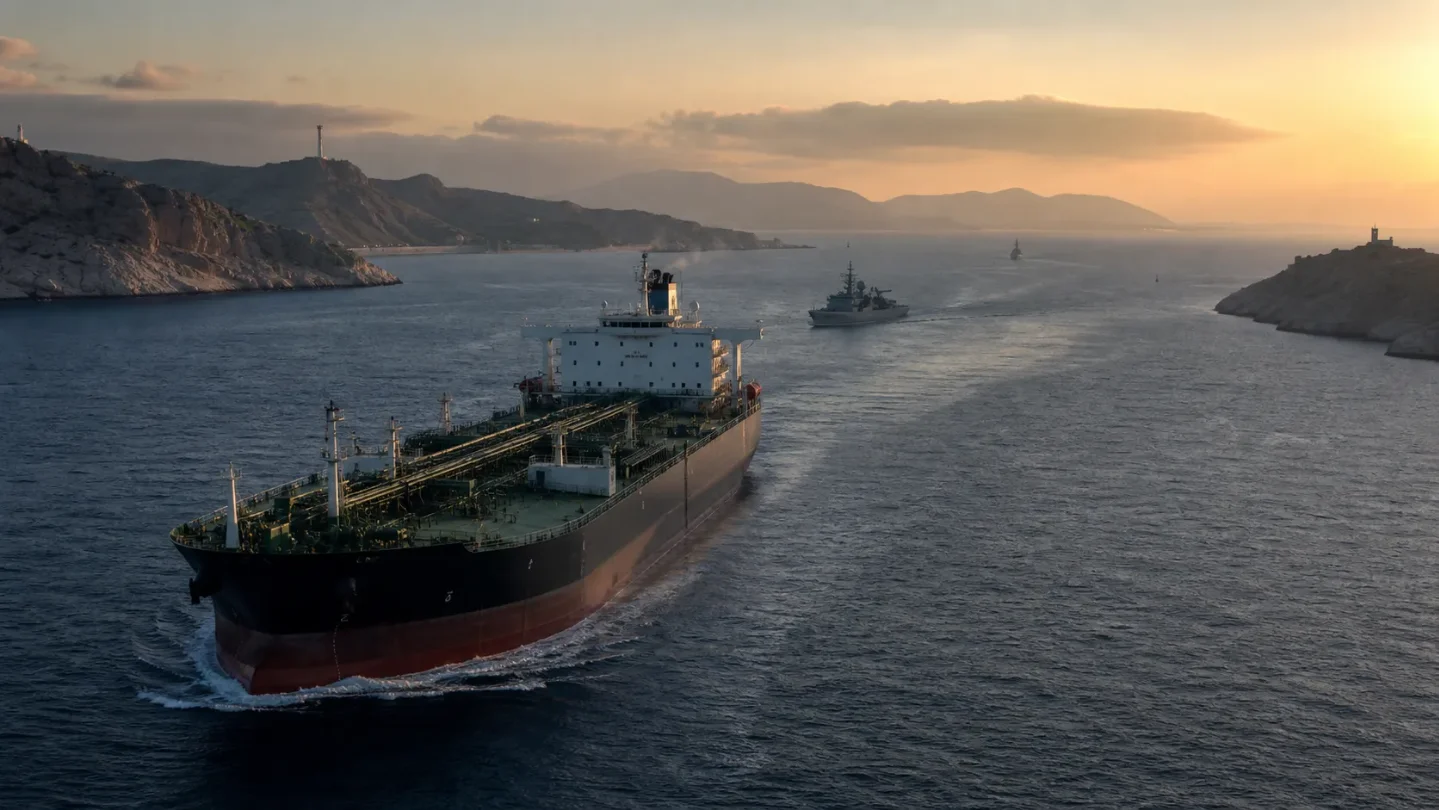
Ten days into the U.S.-Iran war, the battlefield is moving faster than the diplomatic channel. American strikes and Iranian attacks across the Middle East have overshadowed a Pakistani effort to revive an interim ceasefire that collapsed earlier this month. Iran also attacked an oil tanker in the Strait of Hormuz, forcing its crew to abandon ship, while Jordan, Bahrain, Iraq and Kuwait faced strikes or threats. 1
The new variable is the bill. Defense Secretary Pete Hegseth told senators that the war has cost the United States $37.5 billion so far, as the Pentagon seeks an $87.6 billion package largely aimed at replenishing forces and equipment. That turns the conflict into a budget question as well as a military one: every additional week now arrives with a visible price tag in Washington. 2
The casualty picture is also worsening, though the numbers need careful handling. The latest AP update reported a third U.S. service member believed killed in an earlier attack on a base in Jordan, bringing reported American deaths since the war began to 17. It said U.S. officials put the number of wounded above 500, while the Pentagon's official system listed 482 and acknowledged reporting delays. 2

Pakistan is trying to create a way back to talks. Iran's Interior Minister Eskandar Momeni met army chief Asim Munir and Prime Minister Shehbaz Sharif in Islamabad, after Pakistan helped broker the earlier temporary arrangement. Trump, however, said Iran's officials want to meet but that Washington has "no interest in meeting" until Tehran is ready for a meaningful discussion. 1
The economic pressure is already visible. The Strait of Hormuz normally carries about one-fifth of global oil and gas shipments; the benchmark crude price rose above $91 a barrel and average U.S. gasoline reached $4 a gallon in the latest AP account. The same report said the U.S. military had redirected eight commercial ships and disabled another, a sign that the conflict is imposing costs on trade even when a route is not formally closed. 1
The next test is whether the diplomatic channel can produce a meeting before the military and financial facts harden. Iran has warned that strikes on nuclear or other sensitive facilities would widen the war across the region, while the United Nations has called attacks on civilian infrastructure unacceptable. For markets, the immediate question is less whether a ceasefire is promised than whether ships, fuel prices and military spending begin to move in the same direction.
Nine other stories
- ASEAN opens security talks under Middle East pressure. Foreign ministers from Southeast Asia and partner countries began three days of meetings in Manila with the Iran war, Myanmar's civil war and the South China Sea on the agenda. U.S. Secretary of State Marco Rubio and China's Wang Yi may meet on the sidelines. 3
- China and the Philippines summon each other's envoys. Manila said it would call in China's ambassador after Beijing summoned the Philippine envoy over a confrontation near Second Thomas Shoal. Both governments accused the other side of provoking tensions in the contested South China Sea. 4
- Canada and the U.S. keep talking through a tariff shock. Washington imposed 50% tariffs on nearly $20 billion of Canadian goods. Treasury Secretary Scott Bessent called the move reciprocal, while Prime Minister Mark Carney said he and Trump would intensify negotiations among Canada, the U.S. and Mexico. 5
- The Fed is expected to stay on hold, but a hike is back in the conversation. All 104 economists in a Reuters poll expected the policy rate to remain at 3.50% to 3.75% at the July meeting, and 78 expected no change through year-end. Yet 44 of 67 respondents said the chance of a 2026 hike was high, reversing the previous month's view. 6
- South Korea's chip boom is not reaching the whole economy. Economists expect second-quarter growth of 0.4%, down from 1.8% in the first quarter. June exports rose about 71%, helped by semiconductor shipments that jumped nearly 200% to $44.8 billion, while domestic demand and hiring outside chip sectors remained weak. 7
- The IMF clears $690 million for Ukraine. The latest review brings total disbursements under Ukraine's $8.1 billion loan program to about $2.2 billion. The Fund said reforms had slowed and that Ukraine missed a reserve target partly because of spillover from the Middle East conflict. 8
- U.S. automakers are stripping Chinese connectivity hardware from future models. A federal rule bars Chinese software from 2027 model-year connected cars and Chinese hardware from 2030 models. Suppliers replacing satellite-communications modules, antennas and microcontrollers face higher costs, with some U.S. alternatives still 5% to 15% more expensive. 9
- TSMC plans chip price increases from 2027. The Taiwanese foundry is discussing base increases of 5% to 10% for advanced and mature production, with some high-performance-computing orders facing an additional 10% to 15% premium. TSMC said it does not comment on pricing; the company is facing higher materials, equipment and overseas-fab costs. 10
- Tesla's AI bet is about to meet a cash-flow test. Reuters expects Tesla to report its first quarterly cash burn in more than two years as spending on AI infrastructure, robotics and manufacturing capacity rises. The company's 2026 spending on those areas is expected to reach $25 billion, sharpening the question of when the investment will produce returns. 11
Quote of the day
"Until they're ready to meet in a meaningful way, we have no interest in meeting."U.S. President Donald Trump, on talks with Iran. 1
Further reading
- Why oil prices haven't gone crazy despite 5 months of US-Iran war - How Chinese demand, U.S. production and strategic reserves have limited the market response to repeated escalation.
- Houthi Red Sea blockade would lift oil prices, but workarounds could limit impact - A focused analysis of rerouting, refinery delays and the cost of keeping energy moving.
참고 출처
- 1Attacks between US and Iran across Mideast overshadow efforts to keep diplomacy alive
- 2Live updates: Hegseth estimates Iran war has cost $37.5B so far
- 3Southeast Asia's top diplomats hold security talks in Manila as US-Iran fighting rages
- 4Philippines, China summon each other's envoys over South China Sea incident
- 5Carney says he and Trump will intensify trade negotiations after US imposes 50% tariffs
- 6Fed to hold rates this year despite high inflation, but economists cite high chances of a hike
- 7South Korean economy likely slowed in Q2 after robust Q1 growth
- 8IMF approves $690 million for Ukraine after review
- 9U.S. auto industry races to purge Chinese connected-car hardware amid federal push
- 10Exclusive: TSMC to raise chipmaking prices by up to 10% from 2027
- 11Tesla cash burn to test investor faith in AI bets
관련 콘텐츠
- 로그인하면 댓글을 작성할 수 있습니다.
More from this channel
- Trump's new tariffs put trade back at the center of the global agenda
- Oil above $100 forces a central-bank rethink as markets turn defensive
- Trump's bridge-for-a-ship threat turns Hormuz into an escalation test
- The Red Sea becomes the Iran war's next energy front
- A fraying ceasefire pushes the Iran war into Gulf infrastructure
- Two U.S. deaths deepen the Gulf war's alliance risk
- Hormuz escalates into an infrastructure and shipping crisis