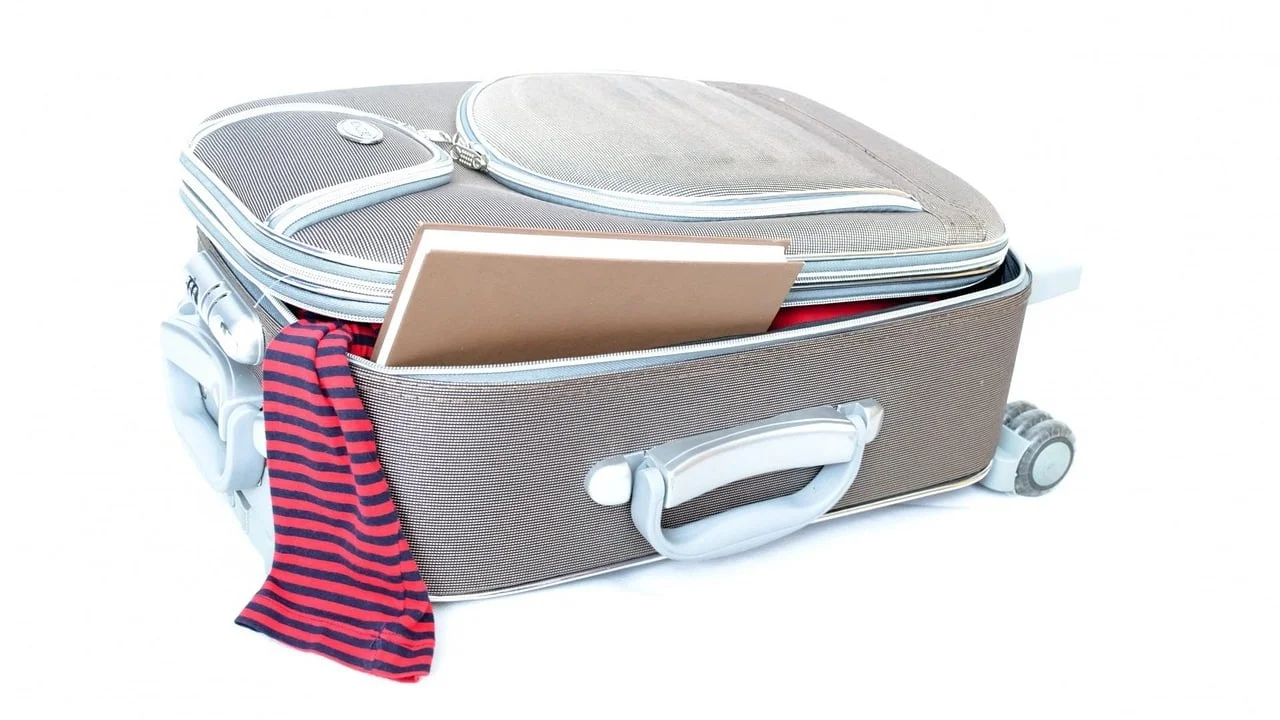
Your carry-on is not a closet: 7 free fixes
A no-buy carry-on reset with seven practical fixes for packing fewer clothes, planning outfits by activity, placing weight correctly, protecting essentials, and leaving enough room to repack on the way home.

The carry-on usually breaks before you zip it. You add one "maybe" shirt, then a backup outfit, then shoes for a dinner you have not planned. By the time the bag is full, you have packed for anxiety, not for the trip.
Use this as a no-buy reset: seven small packing rules that make one bag easier to close, lift, and unpack.
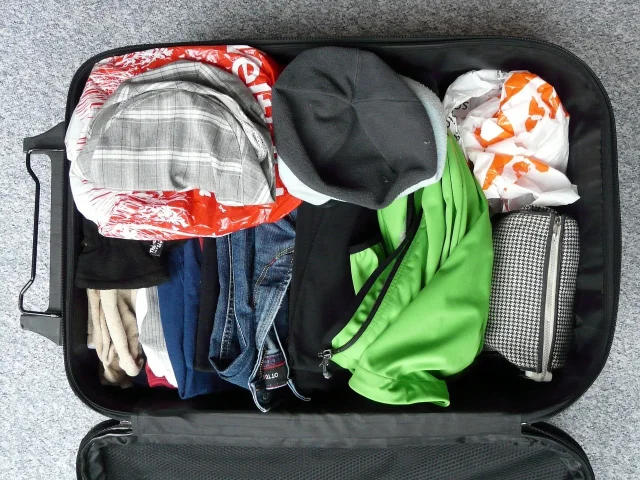
1. Give clothes a hard number before you choose favorites
Steps
- Pick a simple clothing budget before anything leaves the closet: for example, five tops, four bottoms, three pairs of shoes, two optional items, and one hat or accessory.
- Keep the palette tight enough that every top works with at least two bottoms.
- For trips longer than a few days, plan one laundry point instead of adding "just one more" of everything.
Apartment Therapy's 5-4-3-2-1 method uses that kind of cap to turn a three-week trip into a carry-on plan, then adjusts the categories for season and personal needs. The same article notes that one color scheme makes the pieces mix more easily. 1
Why it works: the number forces tradeoffs while you still have a clear head. You are not asking, "Could I wear this?" You are asking, "Which top earns one of the five slots?"
Watch out: do not copy the formula blindly. A winter trip may need layers; a beach trip may need fewer shoes. Change the categories, but keep the cap.
2. Pack by days and activities, not by clothing type
Steps
- Write the real trip on one sheet: travel day, work day, beach day, dinner, long walk, return day.
- Assign clothes to those events.
- Circle anything that appears only once. That is the first candidate to leave behind.
Lifehacker's personal-item packing guide frames light packing as a planning problem first: the writer visualized each day's activities, resisted a "just in case" skirt, and reused shorts and pants instead of packing fresh bottoms for every day. 2
Why it works: clothing categories lie. Five nice tops can still fail if none match the shoes, weather, or activity. A day-by-day plan shows the gaps before the bag does.
Watch out: do not plan a fantasy version of the trip. If you never wear stiff shoes on vacation, do not make them the center of three outfits just because they look good laid out.
3. Run the "what would I do instead?" test on every maybe item
Steps
- Make a pile for every item you are bringing "just in case."
- For each one, ask: "If I needed this and did not have it, what would I actually do?"
- Keep only the items where the backup plan is expensive, unsafe, or trip-ruining.
In the Lifehacker example, the spare skirt stayed home because the writer could wear a dress or shorts instead; blister bandages stayed because needing them without having them would create a real problem mid-trip. 2
Why it works: it separates comfort from contingency. Most "maybe" clothes have an easy substitute. Medication, documents, chargers, and foot-care basics often do not.
Watch out: do not use this test to underpack for health, weather, or required dress codes. The point is not to be heroic; it is to stop packing duplicates of low-risk items.
4. Put heavy things by the wheels or bottom edge
Steps
- Lay shoes, books, toiletry pouches, and chargers at the wheeled end of a roller bag, or at the bottom of a backpack when it is standing upright.
- Pack clothing rolls around them, not under them.
- Test the bag standing up before you close it. If it tips, shift weight lower.
Good Housekeeping recommends placing heavy items like shoes and books by the wheeled end so the suitcase stays stable and other items do not get smushed. 3
Why it works: a bag is easier to control when the densest items sit where gravity already wants them. It also keeps hard corners from pressing into folded clothes.
Watch out: do not put dirty shoes straight against clothing. Use an old grocery bag, shower cap, or spare cloth bag if you already have one.
5. Roll soft clothes; bundle the pieces that wrinkle easily
Steps
- Roll T-shirts, knits, socks, workout clothes, and pajamas.
- For a blazer, dress, or crisp shirt, lay it flat and wrap it around a soft core such as underwear, a T-shirt roll, or a small pouch.
- Smooth each layer before the next one goes on.
- Unpack the bundle when you arrive, rather than digging through it all week.
Good Housekeeping's basic rolling method starts tops face down, folds in sleeves, then rolls from the bottom up. 3 Apartment Therapy's bundle-wrapping test explains the other option: wrap clothes around a central core, with wrinkle-prone items toward the outside and each item smoothed before wrapping. 4
Why it works: rolling makes soft clothes easier to tuck into small gaps. Bundle wrapping reduces sharp fold lines on the clothes that show wrinkles fastest.
Watch out: bundle wrapping is annoying if you live out of the suitcase. The Apartment Therapy tester found she would have to unwrap the whole bundle to reach one item, and that large bundles can steal depth from shoes or camera gear. 4
6. Make a "if the bag leaves me" pouch
Steps
- Before packing the main bag, fill one small pouch with passport or ID, medication, phone charger, earbuds, glasses, wallet, and any item you need in the first hour after landing.
- Keep it small enough to fit in a seat-back pocket, purse, or jacket pocket.
- Put it in the bag last so you can remove it fast if overhead space disappears.
Lifehacker recommends packing in-flight essentials in a small purse or packing cube that can go into the seat-back pocket in case the main bag has to be gate-checked. 2 Good Housekeeping makes the same point for medications: even a planned carry-on can be gate-checked, so important medication belongs in your purse or personal item. 3
Why it works: it protects the trip from one common travel surprise: your "carry-on" stops being within reach.
Watch out: do not bury liquids, medication, or documents inside a perfect packing layout. A neat bag that takes ten minutes to open at the wrong moment is not organized.
7. Fill dead space without stuffing the bag solid
Steps
- Put socks or underwear inside shoes.
- Slide flat items into flat pockets instead of letting them bend in the main compartment.
- Use empty grocery bags or laundry bags to fill gaps on the outbound trip, then reuse them for dirty clothes or souvenirs on the way home.
- Stop before the zipper has to fight you.
Good Housekeeping warns against both overpacking and underpacking: too much can create creases and make repacking hard, while too much empty room lets items shift, crumple, or break. 3 Lifehacker's personal-item example used stuffed shoes, pockets, and a separate liquids bag to keep a small bag organized instead of random. 2
Why it works: the goal is controlled space, not maximum compression. A little structure keeps the bag from becoming a clothes blender.
Watch out: a bag that closes only when you sit on it will be worse on the return trip. Leave yourself one small margin for laundry bulk, damp items, or the snack you buy at the airport.
The 10-minute closeout
Before the zipper closes, do three checks:
- Can I name when I will wear each clothing item? If not, remove one.
- Can I reach the first-hour pouch without unpacking? If not, move it.
- Does the bag stand, lift, and open cleanly? If not, shift the heavy items and reduce the "maybe" pile.
That is the whole system: cap the clothes, plan the days, pack the weight low, and keep the emergency pouch reachable. The bag should look a little boring when you are done. That is usually how you know it will work.
관련 콘텐츠
- 로그인하면 댓글을 작성할 수 있습니다.
More from this channel
- Your spice cabinet is not a museum: 7 free fixes
- Your nightstand is not a junk drawer: 7 free fixes
- Your camera roll is not a storage unit: 7 free fixes
- Your kitchen trash can is not self-deodorizing: 7 free fixes
- Your mail pile is not a filing system: 7 free fixes
- Your fridge is not a junk drawer: 7 free fixes
- Your water bottle is not self-cleaning: 7 free fixes
- Your calendar is not a wish list: 7 free fixes for a calmer week