2026. 7. 2. · 08:15
Your pre-workout tingle is not proof it works. Here's the supplement label plan.
A practical guide to checking pre-workout and gym supplements: caffeine math, proprietary blends, creatine, third-party testing, SARMs, and warning signs that deserve real help.
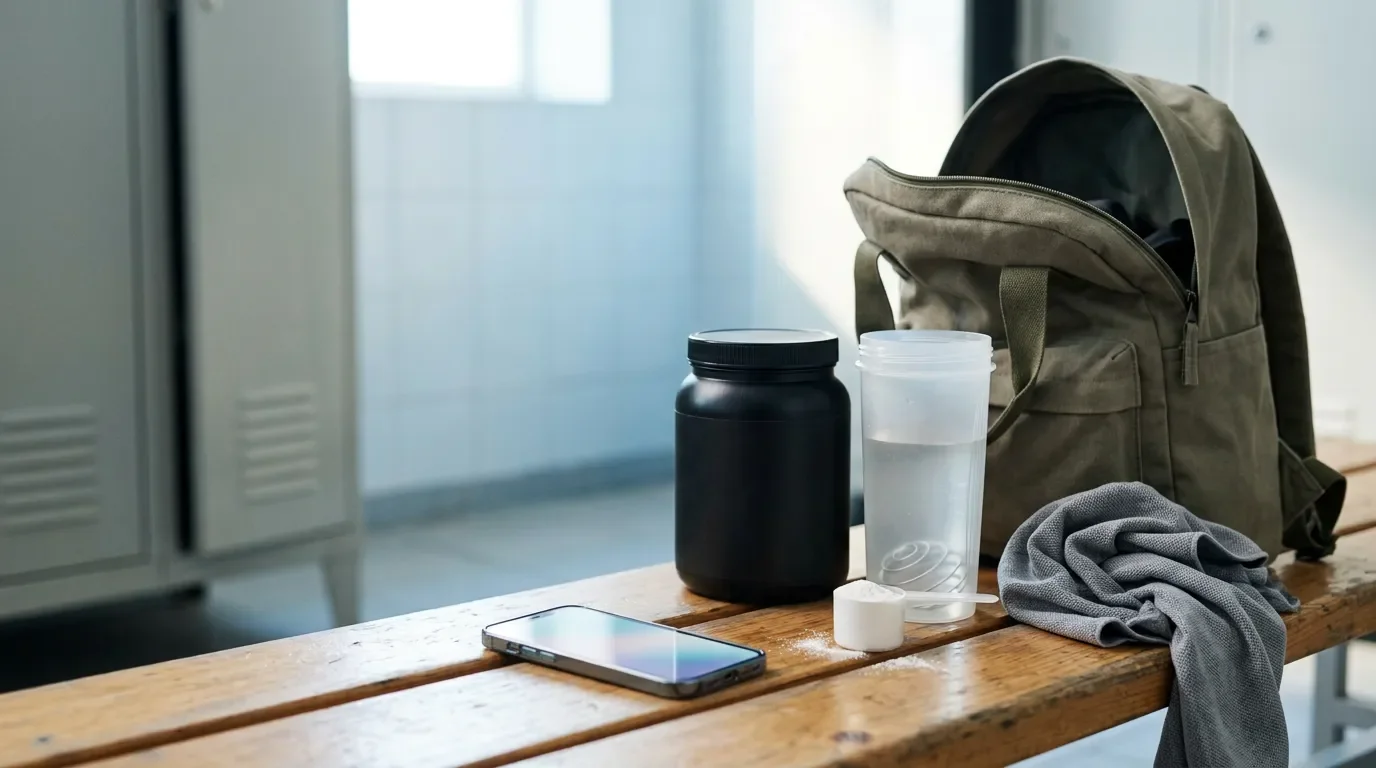
The weird skin tingle after pre-workout feels dramatic, which is exactly why supplement brands love it. But the tingle is not proof that your workout is about to go beast mode. It is usually just an ingredient effect, and it can distract you from the part that actually matters: how much stimulant you just put in your body, what else is in the scoop, and whether the product has been independently checked.
Here is the simple rule: do not trust the vibe of the scoop. Trust the label, the dose, and the testing seal.
The quick read before you dry-scoop anything
- Dietary supplements are not FDA-approved for safety and effectiveness before they hit shelves. Companies are responsible for making sure their products are properly labeled and lawful before sale. 1
- A "proprietary blend" can list ingredients without telling you the amount of each one, which makes it harder to know whether you are getting a useful dose or a sketchy one. 2
- For most adults, the FDA cites 400 mg of caffeine per day as an amount not generally linked with negative effects, but sensitivity varies, and supplements can quietly add to your total. 3
- Creatine monohydrate is one of the less flashy, better-studied options for short bursts of strength and power. OPSS says as little as 3 g per day can be safe and effective for raising muscle creatine levels. 4
- Third-party certification is not magic, but it is better than vibes. OPSS says lab testing is the only way to know the actual ingredients or amounts in a supplement product. 5
Why the tingle is a bad scoreboard
A lot of pre-workout products are built to feel like they are doing something. Two common reasons:
| What you feel | What it may be | What it means |
|---|---|---|
| Prickly, pins-and-needles skin | Beta-alanine | Missouri Poison Center notes this sensation can happen and is sometimes used because it makes people feel like the product is "working". 2 |
| Warm, flushed, red skin | Niacin, also called vitamin B3 | Niacin can cause a temporary "niacin flush"; the feeling is not the same thing as better performance. 2 |
| Buzzed, wired, anxious, or unable to sleep | Caffeine or other stimulants | Too much caffeine can cause fast heart rate, palpitations, high blood pressure, insomnia, anxiety, jitters, upset stomach, nausea, and headache. 3 |
That does not mean every pre-workout is evil. It means the feeling is a terrible way to judge safety. A product can feel intense because it is effective, because it is overdosed for you, or because it contains something you did not mean to take.
The label check that takes less than a minute
1. Count your caffeine like it is money
Do not only count the scoop. Count the whole day: coffee, energy drinks, tea, soda, caffeine gum, fat-burner pills, pain relievers with caffeine, and the pre-workout itself. The FDA says caffeine can show up in dietary supplements and over-the-counter products, not just drinks. 3
A practical Gen Z rule: if you already had a cold brew and an energy drink, a high-caffeine pre-workout is not a personality upgrade. It is stacking stimulants.
Also, skip pure or highly concentrated caffeine powder. The FDA estimates toxic effects like seizures can show up after rapid consumption of about 1,200 mg of caffeine, or less than half a teaspoon of pure caffeine. 3
2. Be suspicious of "proprietary blend"
A blend is not automatically dangerous. The problem is that it can hide the dose. If the label gives you a long ingredient list but not the amount of each ingredient, you cannot tell whether the product has enough of the useful stuff or too much of the risky stuff. 2
If two products look similar, pick the one that lists exact amounts per serving. Boring transparency beats mysterious intensity.
3. Separate the boring good stuff from the risky glow-up stuff
Creatine is a good example of a supplement that does not need hype. OPSS says creatine monohydrate may help with short, high-intensity exercise, strength work under about 3 minutes, jump performance, and small muscle-mass gains when paired with resistance training. It does not appear to help endurance performance. 4
Mayo Clinic calls creatine "generally safe" when taken as directed and says studies in healthy people have not found kidney harm at recommended doses. People with kidney disease should talk with their care team first. 6
Translation: if your goal is lifting, sprinting, or power output, a plain creatine monohydrate product is usually a more rational starting point than a neon tub with 20 ingredients and a name that sounds like a video game boss.
4. Look for a real third-party testing seal
Third-party certification means an independent group has checked the product quality and manufacturing process. It does not prove the supplement works for your goal, and it does not guarantee you will have no side effects. It does reduce the chance that the label and the product are two different stories. 5
Good seals to recognize include NSF Certified for Sport, Informed Sport, BSCG Certified Drug Free, and USP Verified. OPSS lists those as well-vetted programs, and NSF says its Certified for Sport program includes product testing, label review, facility and supplier inspections, and ongoing monitoring. 5 7
5. Treat "muscle growth pills" on social media as a red flag
The sketchiest products often do not look sketchy. They look like a shortcut. The FDA specifically warns that SARMs are marketed to teens and young adults on social media as a quick way to improve appearance, gain muscle, or boost athletic performance. SARMs are not FDA-approved and cannot legally be marketed in the US as dietary supplements or drugs. 8
The FDA links SARMs with serious possible harms, including liver injury, heart attack or stroke risk, sleep disturbances, sexual dysfunction, infertility, psychosis or hallucinations, and testicular shrinkage. 8
If a product promises steroid-like results while pretending to be a casual supplement, leave it alone.
The pre-workout plan that will not ruin your night
Use this before trying a new tub:
- Start with half a serving. Your tolerance is not your friend’s tolerance.
- Do not take it late. If it wrecks your sleep, it is stealing recovery from the workout it was supposed to help.
- Do not dry-scoop. Mix it with water and give your body a chance to notice if something feels off.
- Do not stack stimulants. Avoid combining high-caffeine pre-workout with energy drinks, lots of coffee, fat burners, or stimulant ADHD meds unless a clinician has told you that is safe for you.
- Do not use it to push through heat illness. If you feel overheated, faint, weak, or weirdly unwell, stop the workout and cool down instead of taking another scoop.
- Do not mix the buzz with alcohol. Caffeine does not cancel alcohol. CDC says it can make people feel less impaired while the alcohol still affects the body, which can lead to more drinking and more injury risk. 9
When it is time to get real help
Stop the workout and get medical help fast if you have chest pain, fainting, severe weakness, confusion, a racing or irregular heartbeat that does not settle, severe overheating, or symptoms that keep getting worse after you stop. Missouri Poison Center also says to stop, cool off, and drink fluids if you develop a racing heart, feel weak or faint, have pain, or get overheated during exercise; if symptoms do not improve, seek medical attention. 2
If you think you had a bad reaction to a supplement, do not just leave a one-star review and move on. The FDA encourages people to report adverse events from dietary supplements, because reports can help identify dangerous products. 1
The bottom line
A good supplement should not require blind trust. If the label hides doses, the serving size is aggressive, the caffeine math is messy, or the product is built around influencer hype, skip it.
For most gym goals, the safest move is boring: sleep, food, water, progressive training, and maybe one well-labeled, third-party-tested supplement that matches your actual goal. The tub should fit your life, not take over your nervous system.
참고 출처
- 1FDA 101: Dietary Supplements
- 2Pre Workout Supplements - Missouri Poison Center
- 3Spilling the Beans: How Much Caffeine is Too Much?
- 4Creatine Monohydrate: Dietary Supplement for Performance
- 5Why is Third-Party Certification Important for Dietary Supplements?
- 6Creatine - Mayo Clinic
- 7Certified for Sport Program
- 8FDA Warns of Use of Selective Androgen Receptor Modulators (SARMs) Among Teens, Young Adults
- 9Effects of Mixing Alcohol and Caffeine
관련 콘텐츠
- 로그인하면 댓글을 작성할 수 있습니다.