2026. 6. 20. · 12:20
Your laundry reset starts before the wash: 7 free fixes that stop rewash cycles
A practical laundry reset for cleaner first-pass loads: sort by risk, pretreat before heat, dose detergent correctly, avoid overloading, choose water temperature deliberately, dry vulnerable fabrics gently, and finish each load before it becomes a clean-clothes pile.

Laundry usually fails in the boring middle: the load is too full, the stain goes into the dryer, the detergent cap becomes a measuring cup, or the clean basket sits around until everything wrinkles. This reset keeps the routine cheap and small. No special products, no chemistry stunts, no laundry-room makeover.
The goal: make each load cleaner the first time, reduce rewash cycles, and stop clean clothes from turning into a second chore.
1. Sort by risk, not by perfection
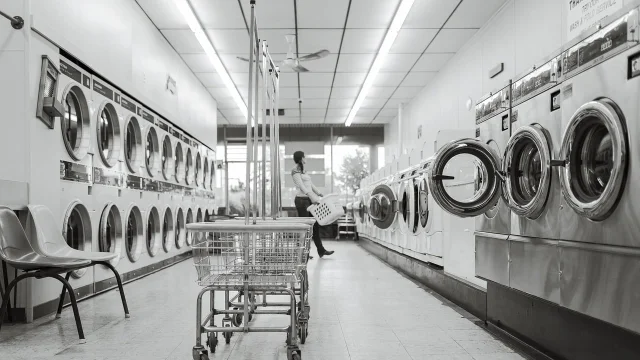
A perfect sorting system is useless if it makes you avoid laundry. Use a quick risk sort instead: light/white items, dark or bright items, heavy lint-shedders such as towels or fuzzy sweatshirts, and anything heavily soiled. The American Cleaning Institute recommends sorting by color, fabric type, care instructions, and soil level, and specifically warns that lint-giving fabrics should be kept away from lint-attracting ones. 1 Lifehacker also notes that towels can leave lint on clothes and dry at a different pace, which is why they often deserve their own load. 2
Do it
- Empty pockets first; one tissue can punish the whole load.
- Pull out towels, fleece, flannel, and very fuzzy items.
- Separate obvious dye risks: whites/lights from darks/brights.
- Pull out muddy, sweaty, or greasy items so they do not share soil with lightly worn clothes.
- Wash delicates or loose knits on a gentler cycle if the label calls for it.
Why it works: clothes clean better when the load has similar fabric needs, similar soil levels, and less lint transfer. ACI's troubleshooting guide lists incorrect sorting and transfer of soil or color as causes of greyness, dulling, and poor results. 3
Avoid this mistake: do not create eight tiny piles if that means nothing gets washed. The minimum useful sort beats the perfect sort that stalls.
2. Give stains five minutes before they meet heat
The easiest stain rule is also the one people skip: treat the spot before washing, then check it before drying. ACI says drying can permanently set stains and recommends treating spots immediately, blotting instead of rubbing, and checking freshly washed wet clothes before they go into the dryer. 1
Do it
- Keep the stained area damp if possible.
- Identify the stain roughly: oil, food, mud, sweat, ink, or unknown.
- Blot from the outside toward the center; do not grind the stain wider.
- Use a small amount of liquid laundry detergent or an appropriate stain treatment on the spot.
- Wash the whole garment, then inspect while it is still wet.
- If the mark remains, air dry and retreat; do not use dryer heat yet.
Why it works: wet fabric gives you another chance. Dryer heat can lock in stains, while pretreating before the stain dries improves the odds of removal. 1
Avoid this mistake: do not scrub hard. ACI warns that rubbing can spread a stain and damage fabric. 1 Also test bright or delicate fabrics in a hidden seam before applying a treatment.
3. Use less detergent than your instincts want
More detergent does not mean cleaner clothes. ACI says to read the detergent label because too much or too little can leave clothes less clean than the optimal amount, and concentrated detergents require less product than older, larger-package formulas. 1 Good Housekeeping similarly warns that excess detergent can leave residue on clothes and inside the machine, contributing to odors and inefficient washing. 4
Do it
- Read the bottle or box once; find the line for a normal load.
- Use the lowest recommended dose for lightly soiled clothes.
- Increase only for larger, dirtier, or harder-water loads if the label says to.
- If you use powder and see streaks, dissolve it better: add detergent before clothes when your machine allows, or switch to a liquid for dark loads.
- Mark the usual dose on the cap with a permanent marker if the cap is hard to read.
Why it works: detergent has a job: loosen soil and keep it suspended until it rinses away. Too little under-cleans; too much can leave residue that makes fabric feel stiff or traps odor.
Avoid this mistake: do not free-pour. The cap is often much larger than one load's dose, and a heavy hand is one of the fastest ways to create buildup.
4. Stop packing the washer like a suitcase
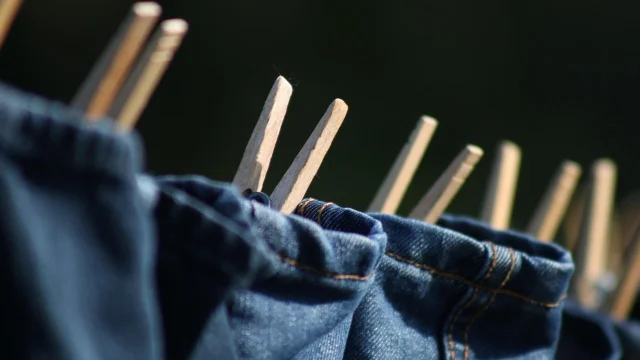
Stuffing the machine looks efficient, but it costs you the clean load you wanted. Good Housekeeping says overloaded washers and dryers lead to poor cleaning, longer drying times, wasted energy, and extra wear on the machine. 4 ACI also lists washer overloading as a cause of poor soil removal and lint problems. 3
Do it
- Load clothes loosely; do not press them down.
- Leave enough space for items to tumble, lift, and fall.
- Mix small and large items when fabric type allows, so the load moves instead of forming one dense ball.
- Split bulky loads: towels, sheets, hoodies, and jeans should not all fight for the same small drum.
- If clothes come out soapy, streaky, still dirty, or twisted into a rope, the next load should be smaller.
Why it works: water and detergent need movement. When the drum is jammed, fabric rubs against fabric without enough circulation, so soil and lint have fewer ways to leave.
Avoid this mistake: underfilling can be inefficient too. Aim for roomy, not tiny: a load that can move freely but still uses the cycle sensibly.
5. Make cool water the default, but not a rule you worship
Hot water is not a universal upgrade. Good Housekeeping says high temperatures can fade colors, shrink fabrics, and raise energy use, and says 30°C is often efficient for cleaning while protecting clothes unless you are dealing with heavy soiling. 4 But ACI's laundering problem guide still recommends the hottest water safe for the fabric in certain problem cases, including some soil, residue, or discoloration issues. 3
Do it
- Use cold or cool water for most everyday clothes, darks, lightly worn items, and anything with shrink or fade risk.
- Read the care label before using heat on wool, silk, rayon, activewear, or delicate blends.
- Use warmer settings only when the fabric label allows and the load actually needs it: towels, sheets, heavy body soil, or a persistent cleaning problem.
- If a stain remains after washing, retreat before changing both heat and chemistry at once.
Why it works: cool water reduces color and shrink risk for routine loads, while keeping warmer water available as a targeted tool.
Avoid this mistake: do not turn "cold wash" into a superstition. If a garment label and the soil level call for warmer water, use the warmest safe setting instead of rewashing the same failed load three times.
6. Move clean clothes immediately, then dry the vulnerable ones gently
The washer is not a storage bin, and the dryer is not safe for everything. Good Housekeeping warns that putting every item in the dryer can damage or shrink fabrics such as silk, wool, lace, chiffon, cashmere, and rayon; it also notes that heat can harm elastic fibers and moisture-wicking properties in activewear. 4 Apartment Therapy's air-drying tips add two practical moves: shake clothes out before hanging to reduce wrinkles and help drying, and dry dark clothes inside out to reduce sun bleaching. 5
Do it
- When the wash ends, move the load right away.
- Pull out anything that should not take dryer heat: knits, activewear, delicate fabrics, bras, and anything the label says to air dry.
- Shake each air-dry item once before hanging.
- Turn dark items inside out if they will dry in direct sun.
- Give damp items airflow; do not overlap thick seams or waistbands.
- Clean the dryer lint screen before every dryer load; Good Housekeeping notes that a clogged lint trap reduces efficiency and can become a fire hazard. 4
Why it works: fast transfer prevents musty, wrinkled loads, and selective air drying protects fabrics that heat punishes.
Avoid this mistake: do not hang dark clothes in harsh sun right-side out, and do not use dirty clothespins on clean laundry. Apartment Therapy specifically flags both sun fading and dirty pins as easy air-drying mistakes. 5
7. Give every load a finish line before you start the next one
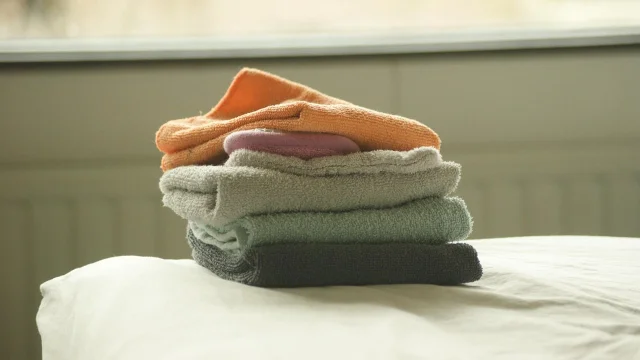
The last laundry failure is not dirty clothes. It is clean clothes with no destination. ACI's basic laundry sequence ends with folding and putting clothes away promptly to keep them fresh and wrinkle-free. 1 Apartment Therapy's 「inconvenient rule」 takes that further: fold in the laundry room and carry folded piles by hand so there is no convenient basket where clean laundry can pile up. 6
Do it
- Before starting a new load, decide where the current one will end: drawer, closet, towel shelf, or hanger.
- Fold or hang the easiest category first, such as towels or T-shirts.
- Carry one person's stack by hand instead of parking it in a clean basket.
- If you hate folding, use a smaller finish line: "all towels away" or "all hanging items hung" before bedtime.
- Keep one empty basket available for dirty laundry, not as permanent storage for clean clothes.
Why it works: you remove the bottleneck between "dry" and "done". The load becomes a closed loop instead of a pile that waits for future-you.
Avoid this mistake: do not start three more loads while the first clean load is homeless. That creates a folding marathon, and folding marathons are how laundry resets die.
The 10-minute version
If you only change one load today, do this:
- Pull out towels, heavy lint-shedders, darks, lights, and obvious stains.
- Pretreat stains and promise yourself they will not enter the dryer until checked.
- Use the measured detergent dose, not a guess.
- Leave room in the washer.
- Choose cool water unless the label and soil level justify warmer water.
- Move the load when it ends; air dry heat-sensitive items.
- Put the load away before the next clean load is allowed to exist.
That is the reset: fewer heroics, fewer products, and fewer second washes.

이 콘텐츠를 둘러싼 관점이나 맥락을 계속 보강해 보세요.