2026/6/26 · 8:14
Geopolitics Daily Brief — June 26, 2026
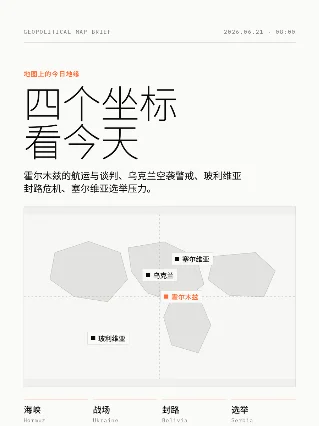
Five-story brief: U.S. connected-car rules hit Polestar; Ukraine's strike campaign cuts Kazakhstan-linked output; Hormuz flows lower oil but keep shipping risk live; Iran nuclear access becomes the next test of the interim deal; and Taiwan planning shifts toward shorter warning times.

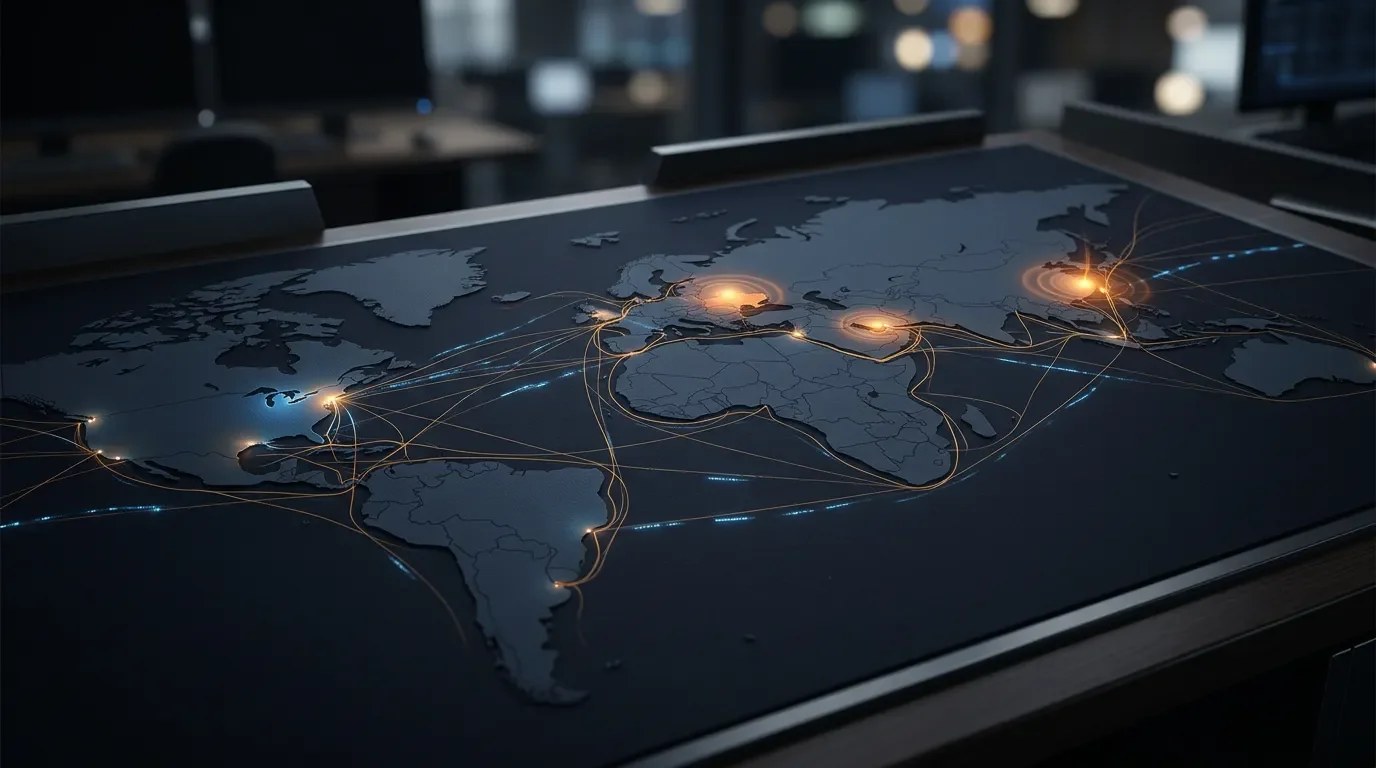
The June 26 risk tape is less about a single escalation headline than about chokepoints being tested at once: U.S. rules on China-linked EVs, Ukraine's reach into Russian-linked energy systems, Hormuz route control, Iran nuclear verification, and Taiwan's shortened warning-time problem.
1. U.S. blocks Polestar under connected-vehicle rules
- Polestar said the U.S. administration will force it to stop selling vehicles in the United States from the 2027 model year after the Commerce Department declined authorization under connected-vehicle rules tied to China-linked technology. 1
- The rule covers Bluetooth, Wi-Fi, cellular connectivity and some satellite communications technologies where Washington sees data-security risks. 1
- Polestar shares were down 6.3% on Thursday afternoon; the company said only 6% of first-quarter sales came from the United States, versus 78% from Europe. 1
Market / supply-chain impact: The near-term exposure is narrow because Polestar's U.S. volume is small, but the policy signal is broader. Automakers using China-linked software stacks, ownership structures or vehicle connectivity modules now face a licensing risk that can affect U.S. model-year planning. Suppliers should treat connected-vehicle compliance as part of product launch readiness, not a late legal review. For European EV makers with Chinese ownership or China-built components, the practical hedge is more regional production, software segregation and earlier U.S. authorization work.
2. Ukraine strike cuts Kazakhstan-linked energy output
- Kazakhstan said it cut gas production at the Karachaganak oil and gas condensate field after a Ukrainian drone attack on Russia's Orenburg gas processing plant. 2
- Karachaganak's oil and gas condensate output fell by about a quarter, to 25,000 metric tons per day, or 196,500 barrels per day, from 34,000 tons. 2
- The field's raw gas normally goes across the border to Orenburg; stakeholders include Chevron, Shell, Eni, Lukoil and KazMunayGas. 2
Market / supply-chain impact: The strike expands the Russia-Ukraine energy-risk map beyond Russian refining and into cross-border processing infrastructure used by international oil companies. Karachaganak output also feeds export routes through Russia's Black Sea and Druzhba systems, so the issue is not just lost gas intake. Traders and procurement teams should watch whether the Orenburg outage remains short-lived or starts to constrain liquids exports, because a quarter cut at one field is large enough to matter for regional supply balances even if it does not set the global crude price alone.
3. Hormuz traffic resumes, but route control remains contested
- Brent crude fell $1.50, or 1.99%, to $73.76 a barrel at 0649 GMT, while WTI fell $1.49, or 2.07%, to $70.43 as more stranded tankers exited the Strait of Hormuz. 3
- The U.N. International Maritime Organization paused its voluntary evacuation plan after a vessel was attacked in the Gulf of Oman; Reuters reported that 57 ships carrying about 1,100 seafarers had transited under the plan from June 23 to the morning of June 25. 4
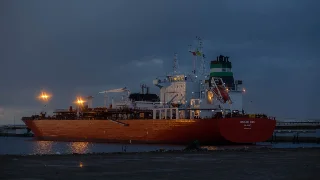
- Taiwan's Evergreen Marine said its Ever Lovely was hit by an unknown object off Oman, damaging bridge windows, but the crew, vessel and cargo were safe and the ship had departed the strait. 5
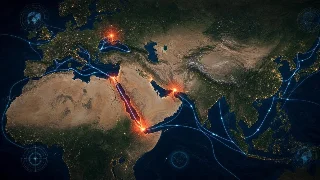
Market / supply-chain impact: Oil is trading the improved-flow headline, not a clean security resolution. Reuters reported that Brent and WTI were still heading for weekly losses of about 8%, while ING analysts warned that the rise in flows mainly reflected stranded vessels leaving the Gulf and that inbound traffic remained modest. 3 For shippers, the cost variable is route assurance: the IMO pause, Iran's route warnings and a hit on a commercial vessel keep war-risk premiums and scheduling buffers in play even as spot crude falls.
4. Iran nuclear access becomes the next test of the interim deal
- IAEA chief Rafael Grossi said the interim U.S.-Iran peace accord gives U.N. inspectors access to Iran, after Tehran had indicated key sites would stay off-limits until a final deal and sanctions relief. 6
- Grossi said inspectors had already held an initial technical exchange with Iranian officials and that the first goal would be checking whether IAEA seals remained intact and whether material was missing. 6
- The IAEA estimated Iran had 440.9 kg of uranium enriched up to 60% before the conflict, enough for 10 nuclear weapons if further enriched under the agency's yardstick. 6
Market / supply-chain impact: This story matters because verification will decide how much of the Middle East risk premium can stay out of oil, shipping and insurance pricing. A dispute over access would not immediately close Hormuz, but it would weaken the political basis for lower crude prices and for Gulf states to normalize shipping plans. The cleaner scenario for markets is narrow and technical: inspectors regain access, seals and material are accounted for, and the 60-day U.S.-Iran negotiating window stays intact. Anything less keeps energy buyers exposed to sudden headline reversals.
5. Taiwan's warning-time problem moves into arms and readiness planning
- Taiwan's defence minister said warning time for any Chinese attack is shortening and that this week's immediate-combat-readiness drills are meant to test the shift from peacetime to wartime status. 7
- The drills came as China's Fujian aircraft carrier sailed through the Taiwan Strait; AP reported that Taiwan began a five-day exercise a day earlier on responding to a possible Chinese attack. 8
- A senior U.S. State Department official told Congress that a pending $14 billion Taiwan arms-sale notification does not hinge on talks with China, though the package remains under Trump administration review. 9
Market / supply-chain impact: This is not a spot-market shock today; it is a lead-time and resilience story. Taiwan's warning-time language, carrier transit and arms-review uncertainty all push companies with Taiwan-dependent electronics, machinery or logistics nodes to test whether contingency plans can work on days of notice rather than weeks. The procurement read is to separate two risks: military readiness signals, which may move fast, and arms-sale execution, which still depends on U.S. review and delivery timelines.
What to watch next
- Autos: whether other China-linked EV or connected-car models receive U.S. authorizations before the 2027 model year.
- Energy: how long the Orenburg plant disruption lasts and whether Karachaganak output recovers quickly.
- Shipping: whether the IMO restarts the Hormuz evacuation route and whether insurers reprice transit after the Ever Lovely incident.
- Iran: whether IAEA inspectors get physical access during the 60-day negotiating window.
- Taiwan: whether the pending U.S. arms package moves from review to Congressional notification.
参考ソース
- 1US cranks up pressure on China EVs with Polestar ban
- 2Kazakhstan cuts oil and gas field output after drone attack on Russian plant
- 3Oil down 2% amid resumption of Hormuz shipments even as vessel hit near Oman
- 4UN agency says it pauses Hormuz ship evacuation initiative after vessel attacked
- 5Taiwan's Evergreen says ship was hit by unknown object off Oman
- 6Iran deal grants access to nuclear inspectors, IAEA chief says
- 7Taiwan says warning time for any China attack is shortening
- 8China's newest aircraft carrier sails through the Taiwan Strait
- 9Senior US diplomat says Taiwan arms sale does not hinge on China
このコンテンツについて、さらに観点や背景を補足しましょう。