2026/7/7 · 8:14
Geopolitics Daily Brief - July 7, 2026
Five stories on Japan's rare-earth supply squeeze, NATO missile-production plans, Hormuz oil-transit risk, Israel's rate and gas reset, and the China-Japan Senkaku confrontation, with market and supply-chain implications for defence, energy, chips and maritime risk.

As of 08:00 UTC, today's geopolitical risk is concentrated in supply chokepoints: rare earths, air-defence missiles, oil transit, Eastern Mediterranean gas and East China Sea patrols. The market signal is not one single shock; it is a set of constraints that keep procurement, inventory and hedging decisions expensive.
1. Japan's rare-earth warning spreads beyond heavy industry
- Reuters reported that shortages of critical minerals are starting to affect the broader Japanese economy, after China cut off some exports following Prime Minister Sanae Takaichi's comments on defending Taiwan. 1
- Chinese customs data showed no exports of terbium or dysprosium oxide to Japan from November through May, and only minuscule yttrium oxide shipments since December. 1
- Reuters found nearly 200 Tokyo Stock Exchange filings in May and June mentioning rare earths, with more than two-thirds saying export controls were hurting business or could do so. 1
Market / supply-chain impact: The risk has moved from a narrow materials issue into motors, electronics, medical devices, EVs and defence components. China still controlled roughly 70% of rare-earth production and 60% of reserves in 2025, according to a commodities analyst quoted by Reuters, while Japan's allied stockpiling, recycling and seabed projects remain uncertain in timing and scale. 1 Buyers should expect more inventory hoarding, supplier qualification work and price risk in magnet-heavy supply chains.
2. NATO's Ankara summit turns into a defence-order book
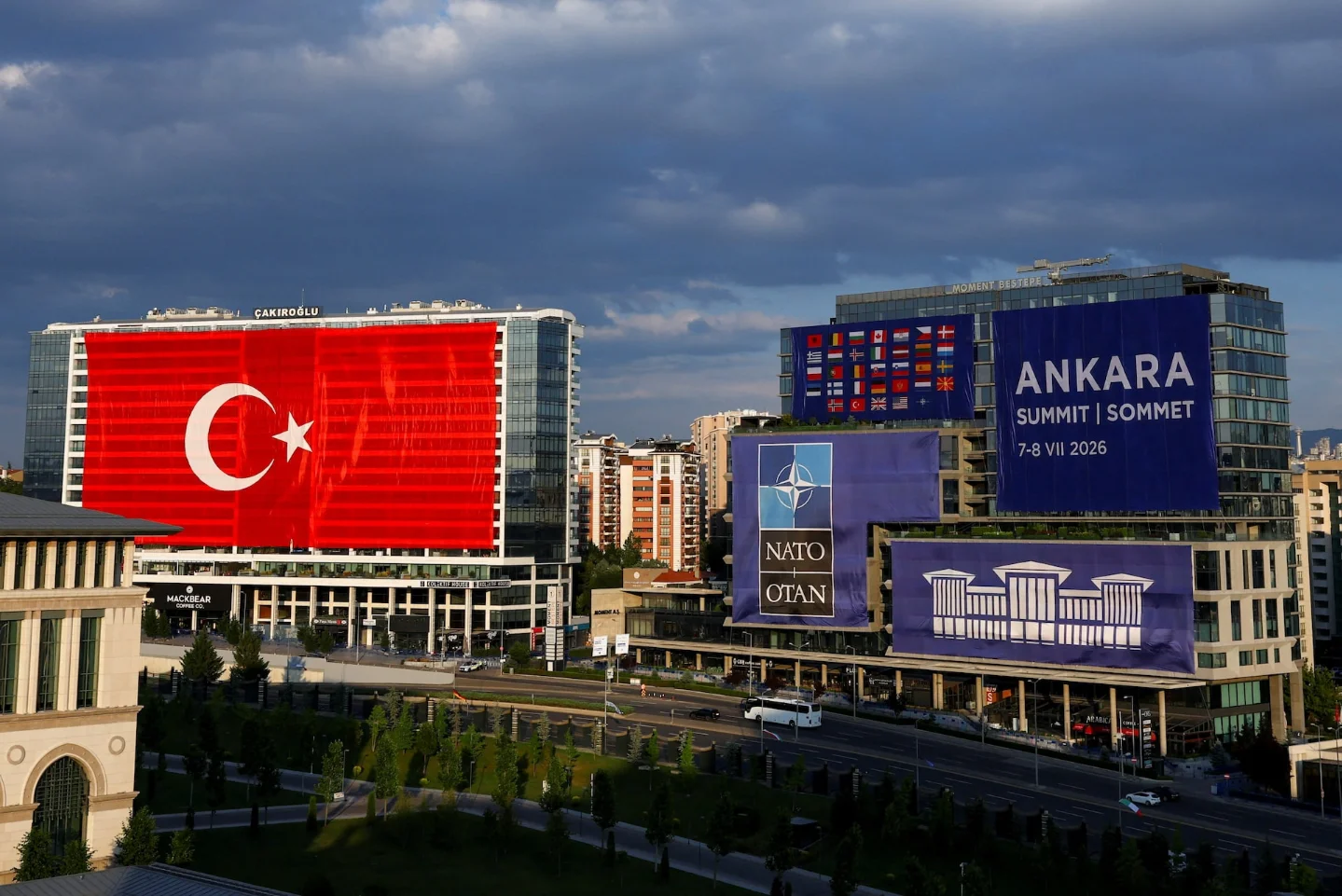
- NATO leaders plan to unveil arms deals worth tens of billions of dollars in Ankara, ahead of President Donald Trump's summit meetings with alliance leaders. 2
- Reuters separately reported that the U.S. is in talks with Germany and other European countries on co-producing Raytheon AIM-120 AMRAAM missiles and creating a European maintenance facility for Lockheed Martin PAC-3 Patriot missiles. 3
- NATO's European members and Canada spent $90 billion more on defence in real terms in 2025 than in 2024, reaching more than $570 billion, according to Secretary General Mark Rutte. 2
Market / supply-chain impact: The procurement focus is shifting from one-off weapons transfers to production geography. PAC-3 and AMRAAM capacity matters because both are used in systems Ukraine relies on against Russian missile and drone attacks. 3 For suppliers, that means longer European order books in propulsion, seekers, electronics, maintenance and launch-system support. It also raises the value of qualified second-source capacity outside the U.S.
3. Oil risk premium eases, but Hormuz traffic is not normal
- Brent crude rose 85 cents, or 1.2%, to $72.84 a barrel, while WTI rose 74 cents, or 1.1%, to $69.29 as of 06:45 GMT, after prices settled near pre-Iran-war levels on Monday. 4
- Traders are watching U.S.-Iran talks, Gulf export recovery and shipping through the Strait of Hormuz after President Trump said the U.S. would either reach a deal with Iran or "finish the job". 4
- Reuters cited Axios reporting that Iran's Revolutionary Guards fired at least two missiles at commercial ships in the Strait of Hormuz, while Japanese-owned supertankers were heading toward the strait to exit the Gulf. 4
Market / supply-chain impact: The immediate oil-price panic has faded, but shipping caution remains. ANZ analysts said vessel crossings through Hormuz were still in single digits and showed no sustained recovery, which keeps insurance, chartering and scheduling risk alive for Gulf crude. 4 Extra UAE output above 3.8 million barrels per day in June and planned OPEC+ increases can soften price pressure, but they do not remove transit risk. 4
4. Israel moves from war shock to rates and gas expansion
- The Bank of Israel cut its benchmark rate by 25 basis points to 3.5%, its lowest level since early 2023, citing stable inflation and lower energy prices after a U.S.-Iran ceasefire. 5
- The central bank's staff estimated the policy rate would slip to 3% in the coming year, while the economy was expected to grow 4% in 2026 and 5.5% in 2027. 5
- Israel also launched its fifth tender to search for more natural gas in its economic waters, a three-phase process expected to take about a year. 6
Market / supply-chain impact: Israel is trying to convert a truce window into lower financing costs and more energy optionality. The gas tender matters because Israel exports mainly to Egypt and Jordan from Leviathan, has a $35 billion Egypt supply deal running through 2040, and sees as much as 400 bcm of undiscovered gas. 6 The rate cut helps domestic credit conditions, but the central bank still listed geopolitics, energy prices, defence spending and the shekel as policy risks. 5
5. China and Japan trade accounts of a Senkaku confrontation
- China and Japan gave conflicting accounts of a coast-guard confrontation near the disputed Senkaku Islands, known in China as the Diaoyu Islands, involving a Japanese fishing vessel. 7
- China's Coast Guard said it expelled a Japanese fishing vessel that "illegally entered" waters around one of the disputed islands. 7
- Japan's Coast Guard said it intercepted and expelled two Chinese Coast Guard vessels as they approached a Japanese fishing boat with two crew members on board. 7
Market / supply-chain impact: This is not a direct market shock, but it adds another live maritime pressure point for Japan at the same time Chinese rare-earth controls are spreading through corporate risk disclosures. Close coast-guard encounters can raise insurance and operating caution around contested waters, and they reinforce the case for Japanese and allied spending on maritime surveillance, patrol assets and resilient industrial inputs. The near-term commercial effect is risk management, not immediate rerouting.
参考ソース
- 1Corporate Japan's rare-earth warnings get louder as China keeps the spigot closed
- 2NATO to unveil big arms deals in Ankara before summit with Trump
- 3US in talks on Europe missile co-production, source says
- 4Oil prices gain as focus shifts to supply recovery and demand
- 5Bank of Israel cuts rates, governor sees more easing as long as inflation behaves
- 6Israel launches tender to search for more natural gas in Mediterranean
- 7China, Japan trade conflicting accounts of confrontation around Senkaku islands
関連コンテンツ
- ログインするとコメントできます。