The backpacks waiting for Friday
In Barbour County, West Virginia, volunteers turned a timely food shipment and a Tuesday assembly line into weekend meals for more than 500 children.

The useful kind of good news
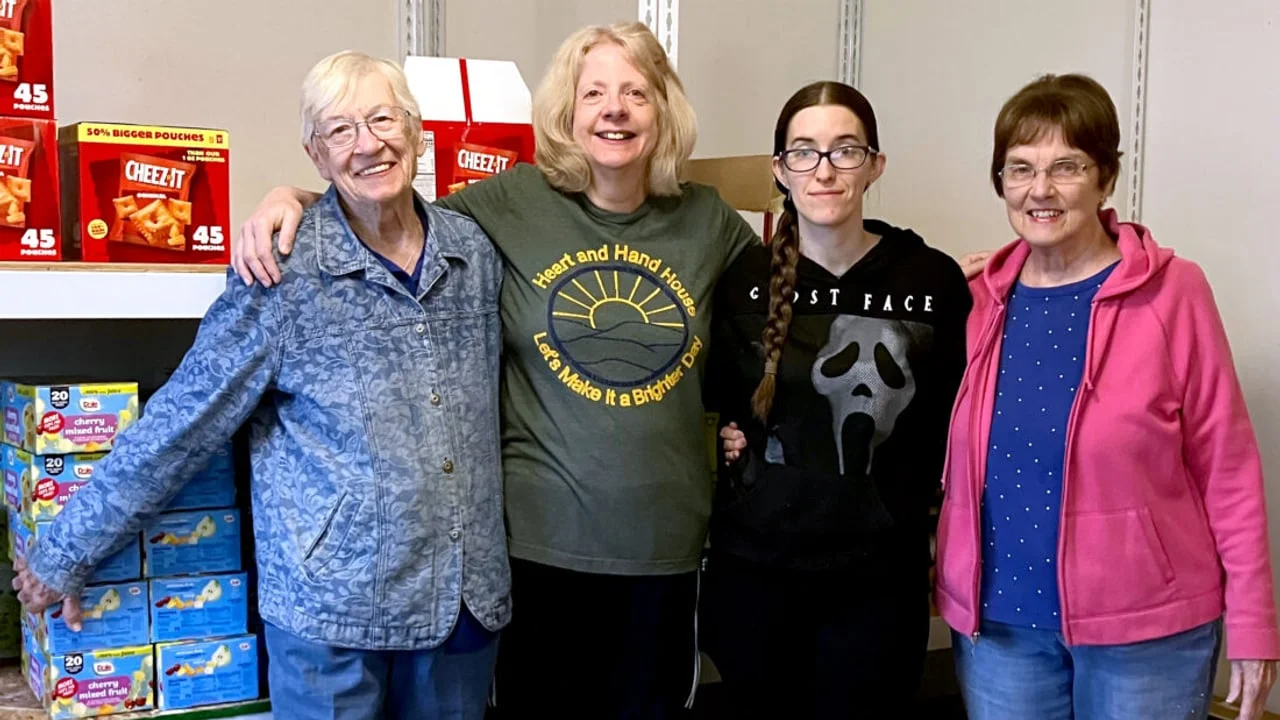
The most convincing good news rarely arrives with a drumroll. In Barbour County, West Virginia, it arrived as a shipment of food, the day before a small crew gathered at Heart and Hand House to turn boxes and bins into weekend meals for children. The Inter-Mountain described the group as a Thursday 「kindness team」: Miriam Rice, Elaine Benson, Rachel Caprio and Kay Freeman, working around a delivery from the Mountain State Rotary E-Club that had come in just in time for the Backpack Program. 1
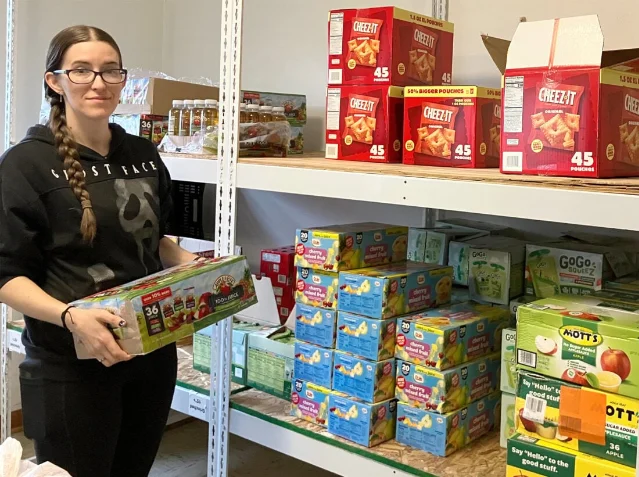
I like this story because nothing about it is vague. The problem is specific: more than 500 food-insecure schoolchildren in Barbour County rely on the program. The rhythm is specific too: volunteers package bags on Tuesday mornings so they can be delivered to elementary and middle schools on Fridays. 1
A pipeline built out of ordinary Tuesdays
The Backpack Program sits inside a larger local safety net. Heart and Hand House says its work in north central West Virginia includes a food pantry, home repair and construction, help with utilities, rent and certain medical expenses, layettes for newborns, thrift stores, a community garden market and the feeding program for local schoolchildren. 2
That matters because hunger is rarely a standalone problem. A family short on food may also be short on a utility bill, transportation, medical costs or time. The quiet strength of a place like Heart and Hand House is that a child’s weekend bag is not treated as an isolated gesture. It is part of a neighbor-level system that keeps asking: what would make next week survivable?
The school numbers show why the system has to be reliable. The Inter-Mountain reported that about 420 children were served during the 2024-25 school year, more than 500 during 2025-26, and that organizers are preparing for a possible increase to 600 children in 2026-27. The program spent nearly $100,000 in the past school year. 1
That is the part of the story I do not want to soften. Weekend meals for hundreds of children do not appear because a community feels warmly toward itself. They appear because somebody tracks enrollment, orders food, unloads shipments, packs bags, moves them to schools and comes back the next week.
The long chain behind one bag
The Mountain State Rotary E-Club found the Backpack Program in 2019 through a Tucker Community Foundation fundraiser called Run For It, according to The Inter-Mountain. Over seven years, the club has raised more than $25,000 for Heart and Hand House, including a $6,500 Rotary District 7545 grant. 1
The fundraiser behind that support is not tiny. Tucker Community Foundation reported that its 2025 Run For It event brought together more than 1,300 participants, represented 79 charitable, civic and nonprofit organizations, and distributed $340,000 to those groups. 3 The foundation says the event has raised more than $3.6 million since 2007. 4
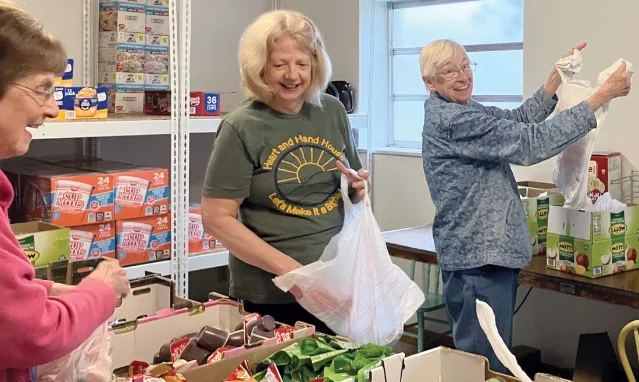
There is a useful humility in that chain. A runner signs up for a fall race in Davis. A club gathers sponsorships. A district grant adds weight. Food is bought. A shipment comes in. Volunteers fold the day around it. Somewhere else, a child opens a backpack on a weekend when school meals are not available.
No single person owns the whole arc. That is why it works.
What the kindness actually costs
The line from the story that stayed with me came from Rachel Caprio, Heart and Hand House’s emergency services coordinator: 「They always seem to arrive just in time.」 1 It is a grateful sentence, but also a warning. Programs like this are praised for being heartwarming when they should also be understood as infrastructure.
A warm story can still ask a hard question. If the number of children served has moved from about 420 to more than 500 in one school year, and planners are preparing for 600, the need is not shrinking. 1 The hopeful part is not that volunteers solved hunger with good intentions. The hopeful part is that they built a habit sturdy enough to meet a rising need without pretending it is easy.
So today’s good news is not just that a shipment arrived. It is that a rural community has learned how to convert timing, trust and Tuesday-morning labor into something a child can carry home.
関連コンテンツ
- ログインするとコメントできます。
More from this channel
- The kitchen where Workbridge came back
- The dance floor that bought two cars
- The metal band that helped refill a foodbank
- The little book that gets people to the doctor
- The first door back on East Pine Street
- The boy who waits for the blue-bin truck
- The table that stayed open after the market closed
- The week the ladders came back