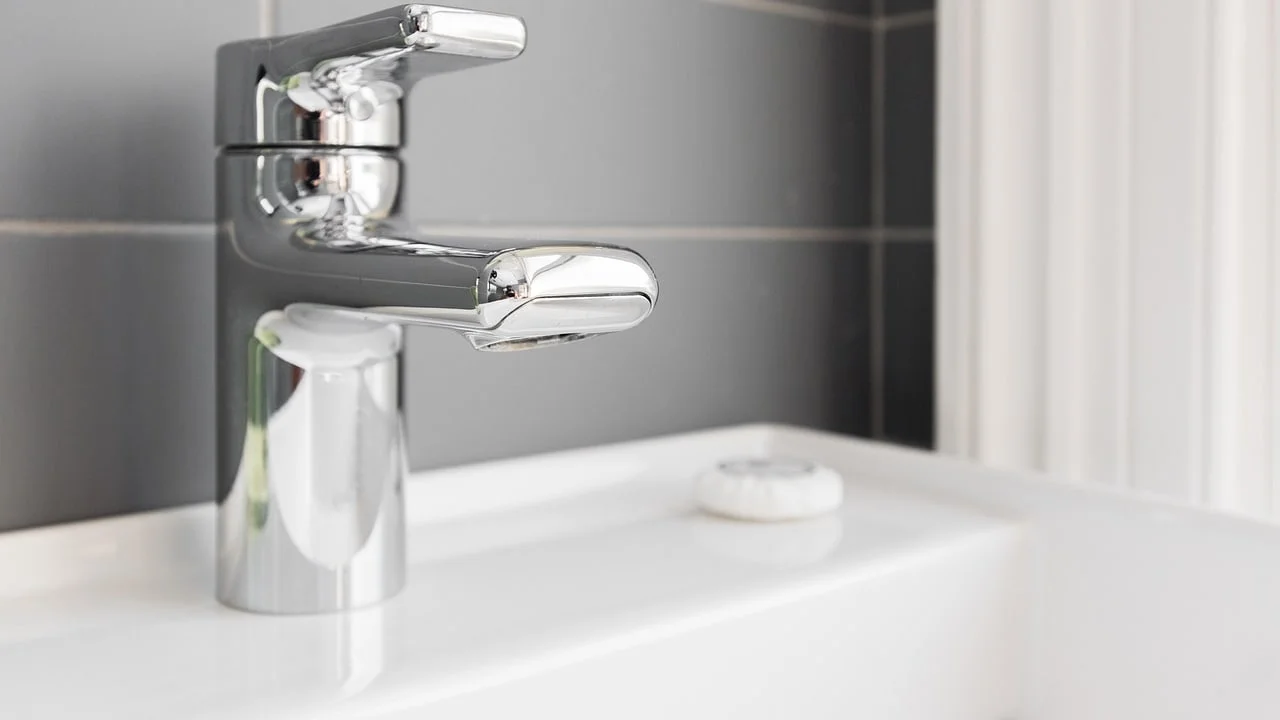
Your bathroom counter is not a supply closet: 7 free fixes
A no-buy bathroom-counter reset with seven practical fixes for clearing sink clutter, setting a tray boundary, moving medicine out of humidity, air-drying toothbrushes, sorting vanity drawers, and stopping samples from taking over.

A bathroom counter gets messy one tiny excuse at a time. The toothbrush needs to dry. The lotion is used every morning. The sunscreen might be needed tomorrow. The medicine bottle should stay visible so you remember it. After a week, the sink has become a supply closet with plumbing.
The fix is not a prettier organizer. Treat the vanity like a work surface: only the things that are used, drying, or waiting for a specific next action get to stay out.
The 20-minute reset
1. Clear the counter before you decide what belongs there
Steps
- Take every loose item off the counter: bottles, cups, makeup, hair ties, toothpaste, medicine, samples, and spare soap.
- Wipe the counter while it is empty.
- Put back only what you use at the sink every day.
- Move backups, refills, and occasional products into a drawer, cabinet, closet, or another dry storage spot.
- If more than three small things stay out, group them with the tray rule in the next fix.
Why it works: a bathroom vanity gets crowded because it holds old products, just-in-case items, and daily essentials in the same small zone. Good Housekeeping's vanity decluttering guide says the vanity should hold what supports the daily routine, not a backlog of rarely used products. 1 Its small-bathroom storage guide also recommends clearing countertop clutter by moving toothbrushes, cleansers, and lotions into baskets, shelves, or built-in storage. 2
Watch out: do not start by buying bins. If you organize everything before you edit it, you have only made the clutter easier to keep.
2. Use one tray as the counter boundary
Steps
- Find a small tray, saucer, jar lid, shallow bowl, or clean candle jar you already own.
- Put only daily sink items on it: hand lotion, lip balm, floss, contact case, or one skincare bottle.
- Leave the rest of the counter bare.
- At night, return anything sitting outside the tray to its real home.
Why it works: the tray turns a vague surface into a clear limit. Apartment Therapy recommends using a counter tray to corral small essentials and keep them on hand without letting them scatter across unused counter space. 3 The same guide suggests repurposing empty candle jars for cotton pads, tweezers, nail tools, or toothbrushes. 3
Watch out: a tray is a boundary, not a parking lot. If bottles start standing in two rows, the tray is telling you to edit again.

3. Move medicine out of the humidity zone
Steps
- Pull every medicine bottle, blister pack, supplement, and ointment from the bathroom cabinet.
- Check expiration dates and set expired or unused medicine aside for disposal.
- Move current medicine to a cool, dry place outside the bathroom if the label allows it.
- Use a take-back location or mail-back envelope for most unused or expired medicine.
- If take-back is not available, follow the FDA's trash or flush-list instructions for that specific medicine.
Why it works: bathrooms are hot and humid, which makes them a poor default home for medicine. Lifehacker's medicine-cabinet cleanup specifically recommends relocating medicines from the bathroom and checking what is expired or no longer needed. 4 The FDA says the best way to dispose of most unused or expired medicines is to use a drug take-back option, with flush-list and household-trash instructions only when take-back is not readily available. 5
Watch out: do not dump pills in the trash loose, and do not flush medicine unless it is on the FDA flush list or the label tells you to. Also keep medicine away from children and pets wherever you move it.
4. Give toothbrushes air, not a drawer
Steps
- Rinse each toothbrush after brushing.
- Store it upright in an open holder.
- Keep brush heads separated if several people share the same sink.
- Let the brush air-dry before covering it for travel.
- Replace a brush after about three to four months, or sooner if the bristles are frayed.
Why it works: the American Dental Association recommends rinsing toothbrushes after use, storing them upright, and letting them air-dry. A moist toothbrush kept in a closed container promotes microbial growth more than one left in open air. 6
Watch out: do not solve counter clutter by sealing a wet brush in a drawer or cap every day. That hides the brush, but it also traps moisture.
5. Sort the drawer by routine, not by fantasy categories
Steps
- Empty the main vanity drawer.
- Make three piles: teeth, face, and hair.
- Use small boxes, jar lids, clean takeout containers, or cardboard dividers to give each pile a lane.
- Put the most-used lane closest to the front.
- If multiple people use the bathroom, give each person one small section.
Why it works: drawer clutter often comes from mixing unrelated tiny objects in one loose space. Apartment Therapy suggests assigning drawer organizers to different family members so supplies stay corralled, and Lifehacker's medicine-cabinet cleanup found that grouping similar objects together made everyday items easier to find and return. 3 4
Watch out: do not make a category for every type of object. A drawer with nine tiny zones fails as soon as one cotton swab lands in the wrong one.
6. Evict samples, duplicates, and almost-empty bottles
Steps
- Pull out hotel minis, sample packets, duplicate lotions, old makeup, dried nail polish, and products you dislike.
- Keep only the backup you will actually use next.
- Put usable travel-size items in a travel pouch, not the daily vanity drawer.
- Toss products that smell off, changed texture, expired, or have not been used in months.
- Wipe leaks before putting anything back.
Why it works: samples and duplicates create noise in the exact place you need speed. Good Housekeeping identifies sample-size products, hotel minis, old makeup, expired items, and just-in-case products as common vanity clutter. 1 Lifehacker gives the same practical rule for medicine cabinets: get rid of duplicates and expired products, then store similar objects together. 4
Watch out: do not save a product because it was expensive if it irritates your skin, smells wrong, or has gone bad. Sunk cost is not a storage category.
7. End with a two-minute sink reset
Steps
- Once a week, remove everything from the tray and drawer front.
- Throw away empty packaging, loose wrappers, dead hair ties, and dried contact-lens cases.
- Return anything outside its lane.
- Wipe the tray, toothbrush holder, and the ring around the faucet.
- Put one product that is nearly finished at the front so it gets used before a new one opens.
Why it works: small bathrooms fall apart when the reset is too large to start. Good Housekeeping recommends monthly or every-couple-months vanity decluttering for makeup and products, with a deeper seasonal edit for humidity-sensitive and out-of-season items. 1 A two-minute weekly pass keeps that bigger cleanout from becoming a rescue mission.
Watch out: do not use the weekly reset to reshuffle backups. If a product is not part of your morning or evening routine, it does not belong in the front row.
The rule to keep
The bathroom counter is a work surface, not storage. If an item is used every day, give it a visible limit. If it is medicine, a backup, a sample, or a someday product, move it off the sink before it recruits ten more things to join it.
関連コンテンツ
- ログインするとコメントできます。
More from this channel
- Your linen closet is not a storage lottery: 7 free fixes
- Your under-sink cabinet is not a junk drawer: 7 free fixes
- Your vacuum is not a magic wand: 7 free fixes for cleaner floors
- Your password list is not a security plan: 7 free fixes
- Your downloads folder is not an archive: 7 free fixes
- Your spice cabinet is not a museum: 7 free fixes
- Your nightstand is not a junk drawer: 7 free fixes
- Your camera roll is not a storage unit: 7 free fixes